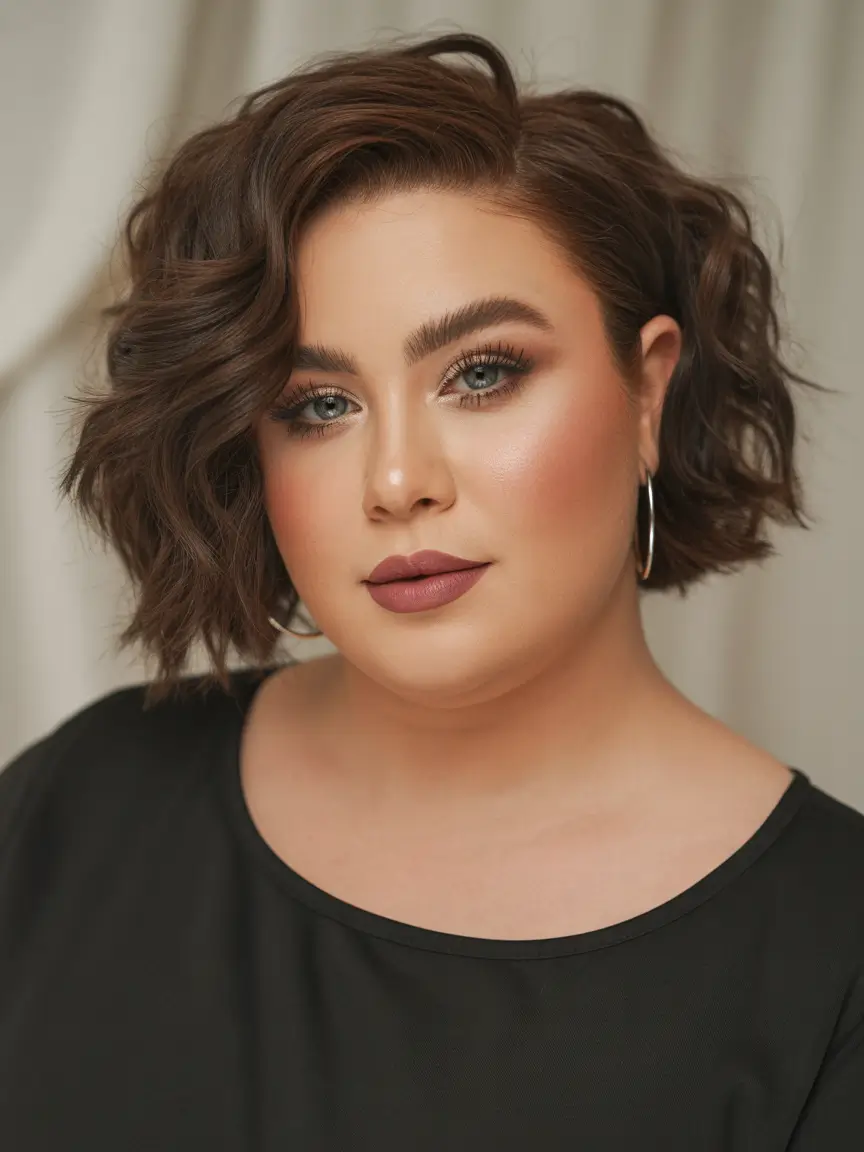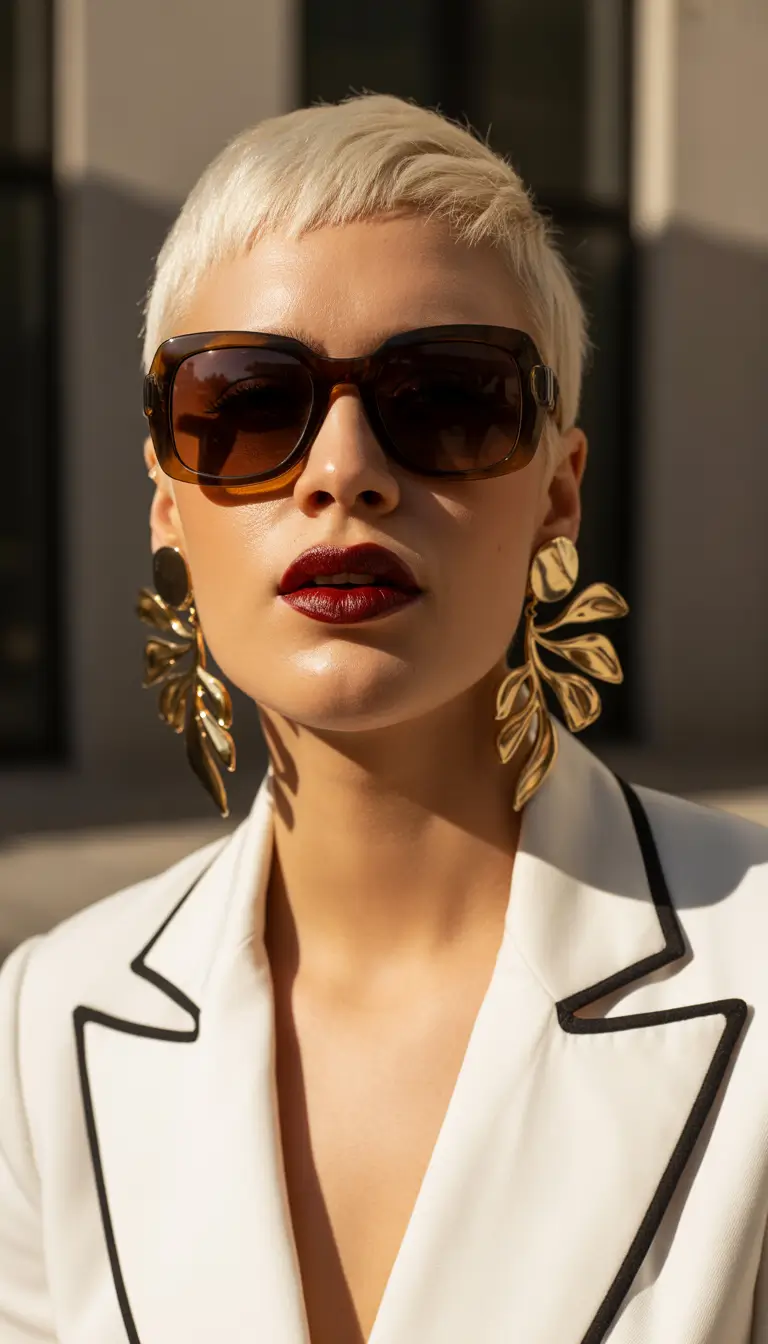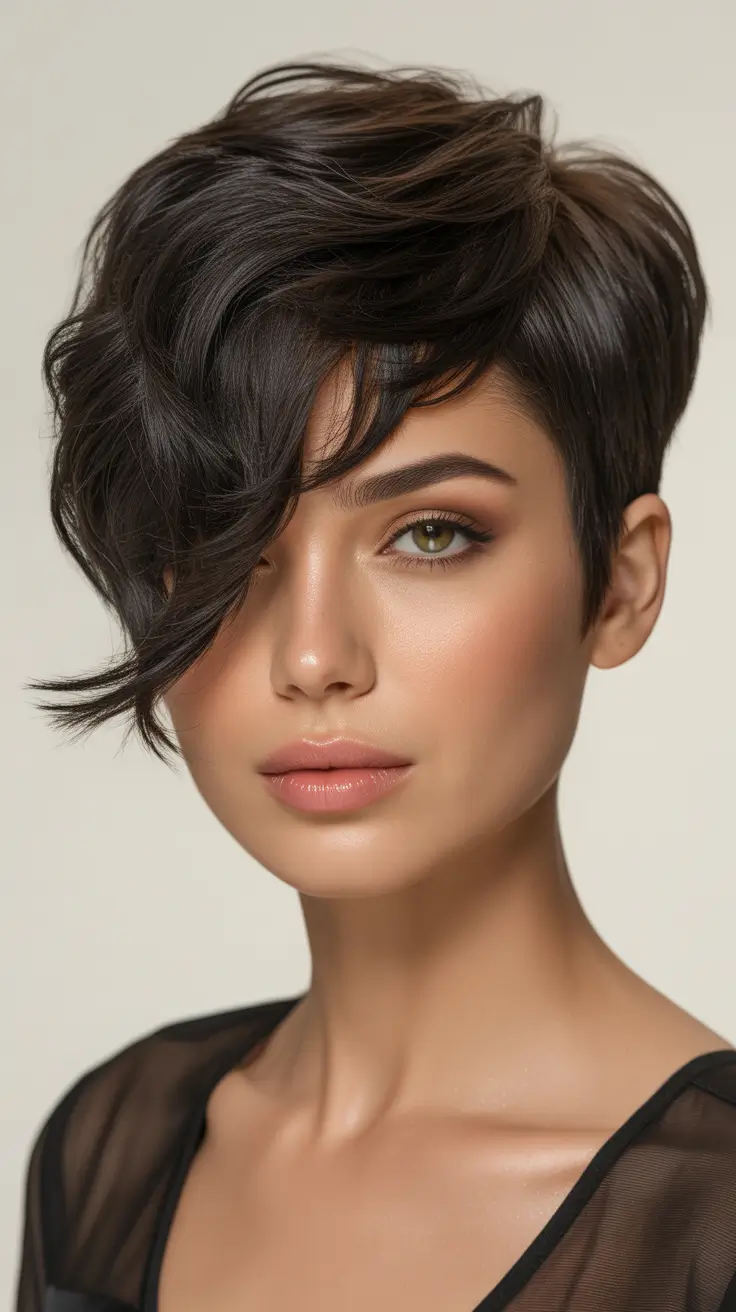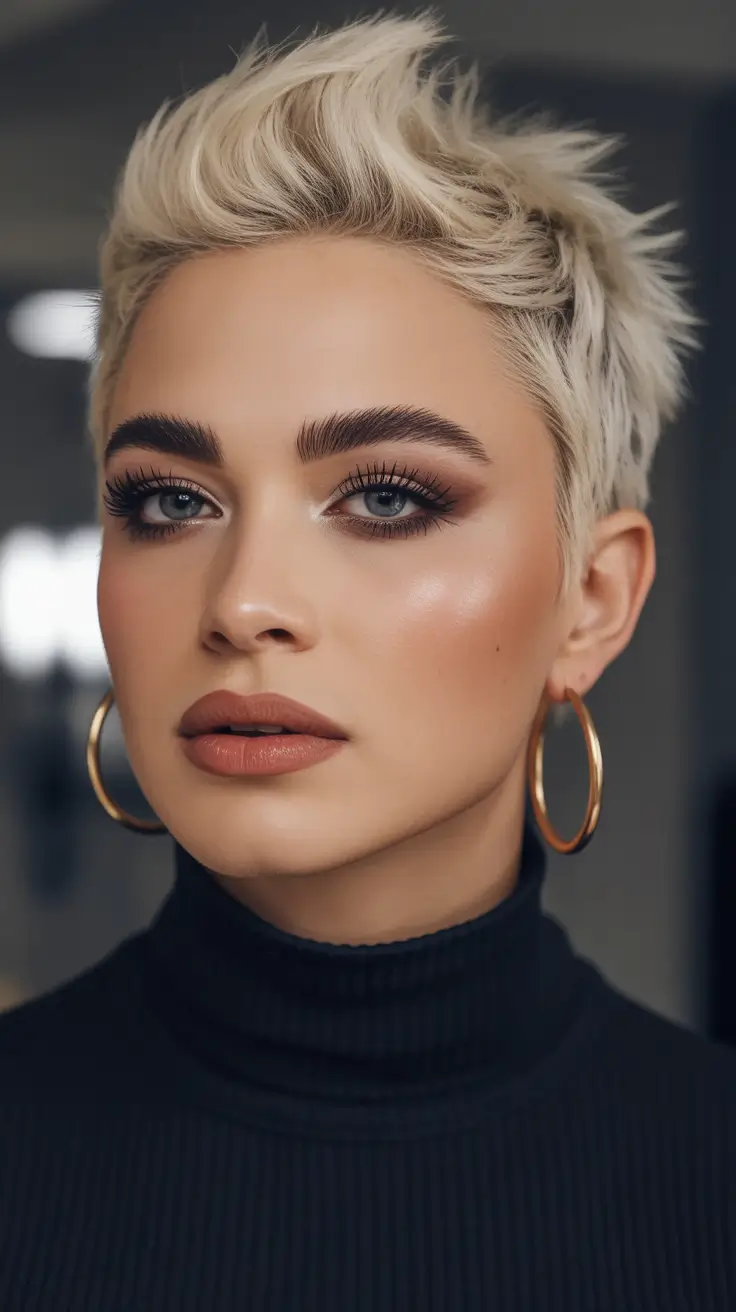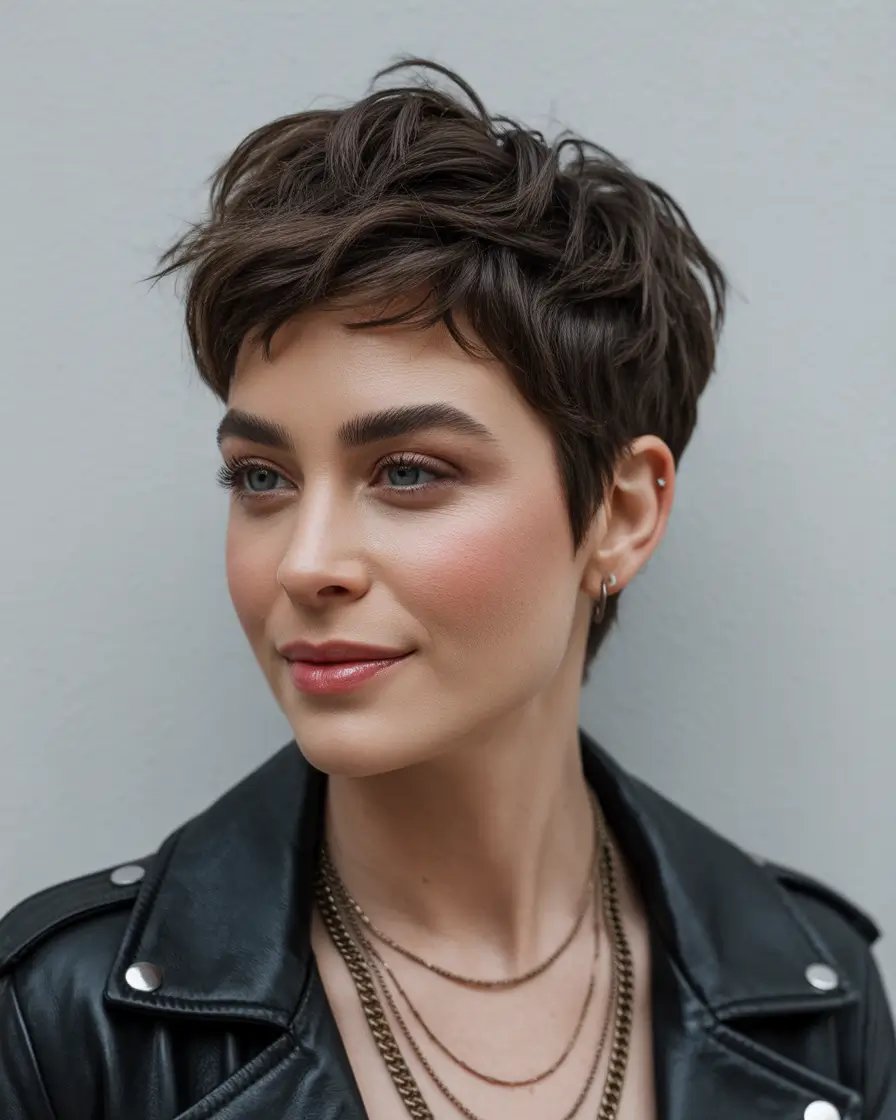
The Italian Bob is everywhere right now — Simona Tabasco’s neck-length, chunky-ended version broke through last year and now it’s spawned a whole family of variations. The Butterfly Bob with its heavy face-framing layers is rising fast, the Blunt Collarbone Cut is having a moment for anyone tired of fussy styling, and even the Soft Pixie-Wolf (yes, really) is making a case for short hair that doesn’t scream “I gave up.” These aren’t your mom’s cuts from 2015. Something shifted.
The good news: summer haircuts for women over 40 2026 have finally stopped pretending we all want the same thing. You’ve got options ranging from the low-maintenance Curtain Bang Midi that hides forehead lines to the architectural precision of a shorter cut — all designed for people who want to look like they have their lives together without spending an hour with a blow dryer. Whether your hair is fine, thick, wavy, or straight, and whether your face is round, oval, or angular, there’s a cut here that actually works.
I went short three years ago and spent the first month second-guessing everything. Now I can’t imagine going back — turns out the right cut doesn’t require styling, just decent conditioner and maybe some dry shampoo. That’s the whole game for this age group.
Butterfly Shag for Wavy Hair
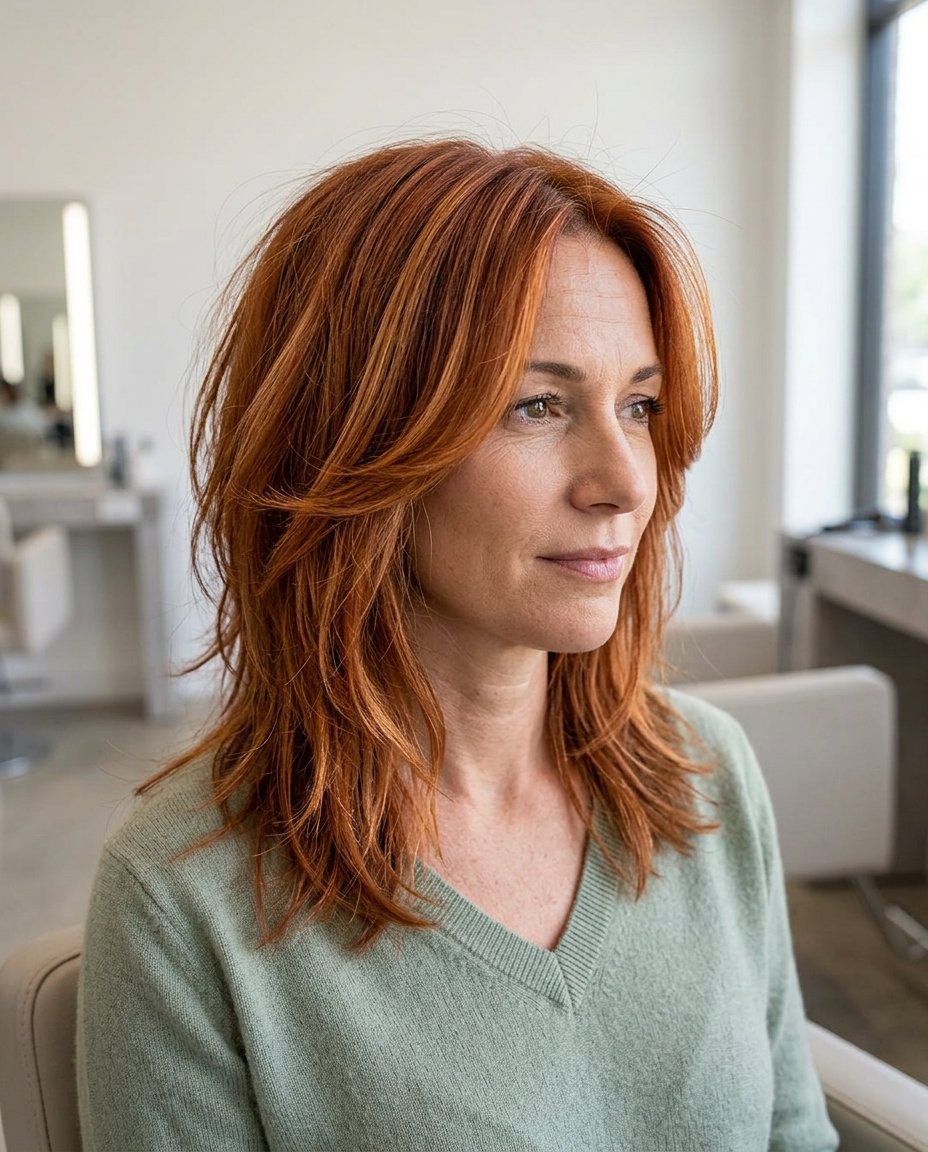
Wavy hair over 40 deserves a cut that works with texture, not against it. A butterfly shag for wavy hair does exactly that—heavy, choppy layers combined with face-framing ‘butterfly’ layers create volume and movement, enhancing natural texture without fighting your waves. The choppy layers create significant volume at the crown, lasting 3 days with dry shampoo before you need a refresh. Short of dramatic pixie territory, this delivers rock-and-roll texture without requiring you to become a salon regular.
The key is placement. Internal layers sit closer to the scalp, where they add lift and prevent that weighted-down feeling fine to medium density hair gets with longer cuts. Face-framing pieces sit at cheekbone height, catching light and creating dimension that reads younger than your actual haircut length. Heavy, choppy layers require regular trims every 6-8 weeks to maintain shape, which is worth budgeting for—the alternative is watching your layers grow into a shapeless, tangled mess. The styling payoff matters here: texture spray and a quick tousle in the morning, which is key for movement, and you’re done. Rock-and-roll texture, effortlessly.
Seamless Layers with Soft Ends
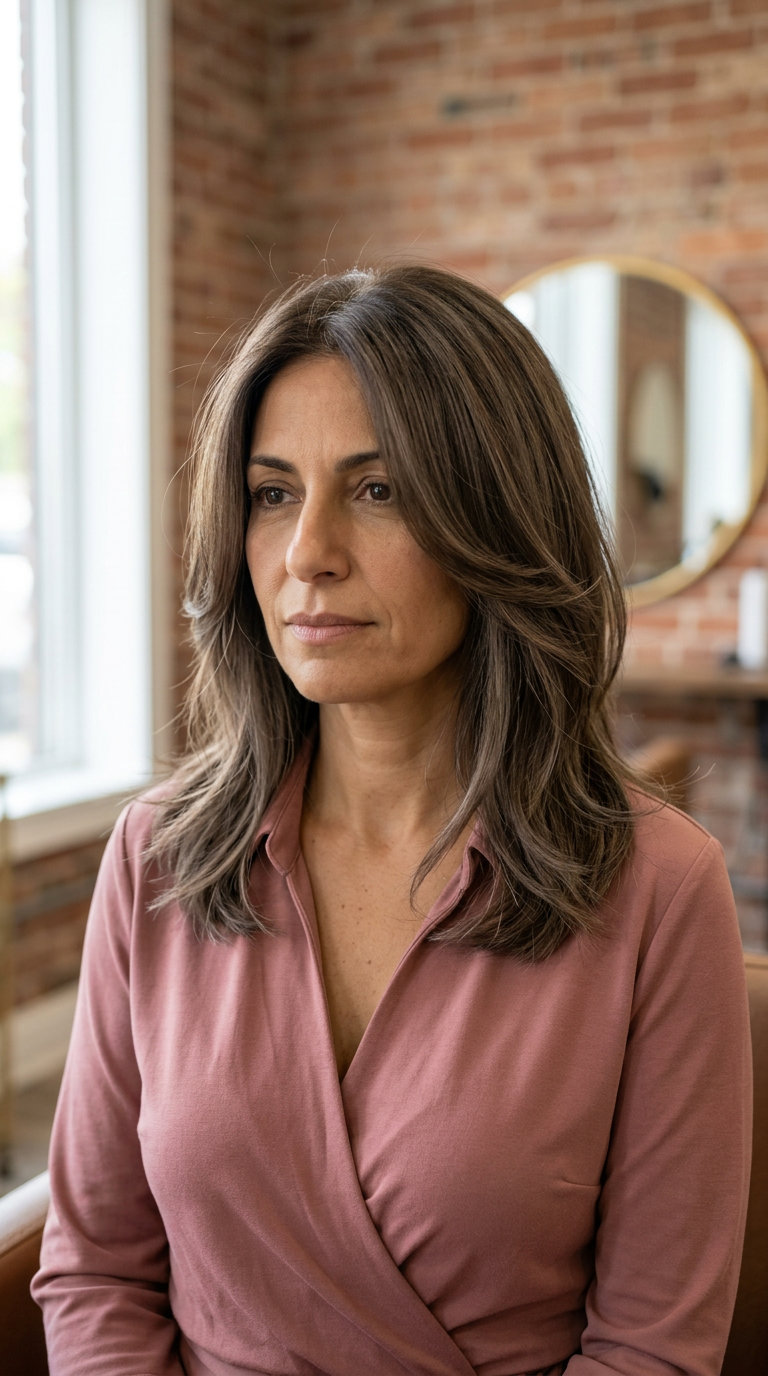
Not every cut needs to announce itself. Seamless internal layers and point-cut ends create volume and movement, preventing a blunt, heavy line—and they do it without shouting about it. Low maintenance summer haircuts often promise too much, but this one actually delivers. Internal layers provided noticeable volume and movement without sacrificing overall length for 8 weeks, which means you can stretch salon visits farther apart than you’d expect for a layered cut.
The difference between seamless and choppy matters for women over 40. Choppy reads younger but demands more styling intention; seamless reads polished without effort, because the layers are hidden inside the perimeter. Point-cut ends—not razor-sharp, but softly textured—add movement without creating that thin, wispy effect that reads damaged. Not for very thick hair, since internal layers might not sufficiently reduce bulk without making the cut feel thin. The whole design works because your stylist is removing weight strategically, not creating drama. Blow-dry it straight, air-dry it wavy, or twist it into a bun—this cut adapts without losing its shape. Soft, modern, everyday chic.
Italian Bob with Point-Cut Ends
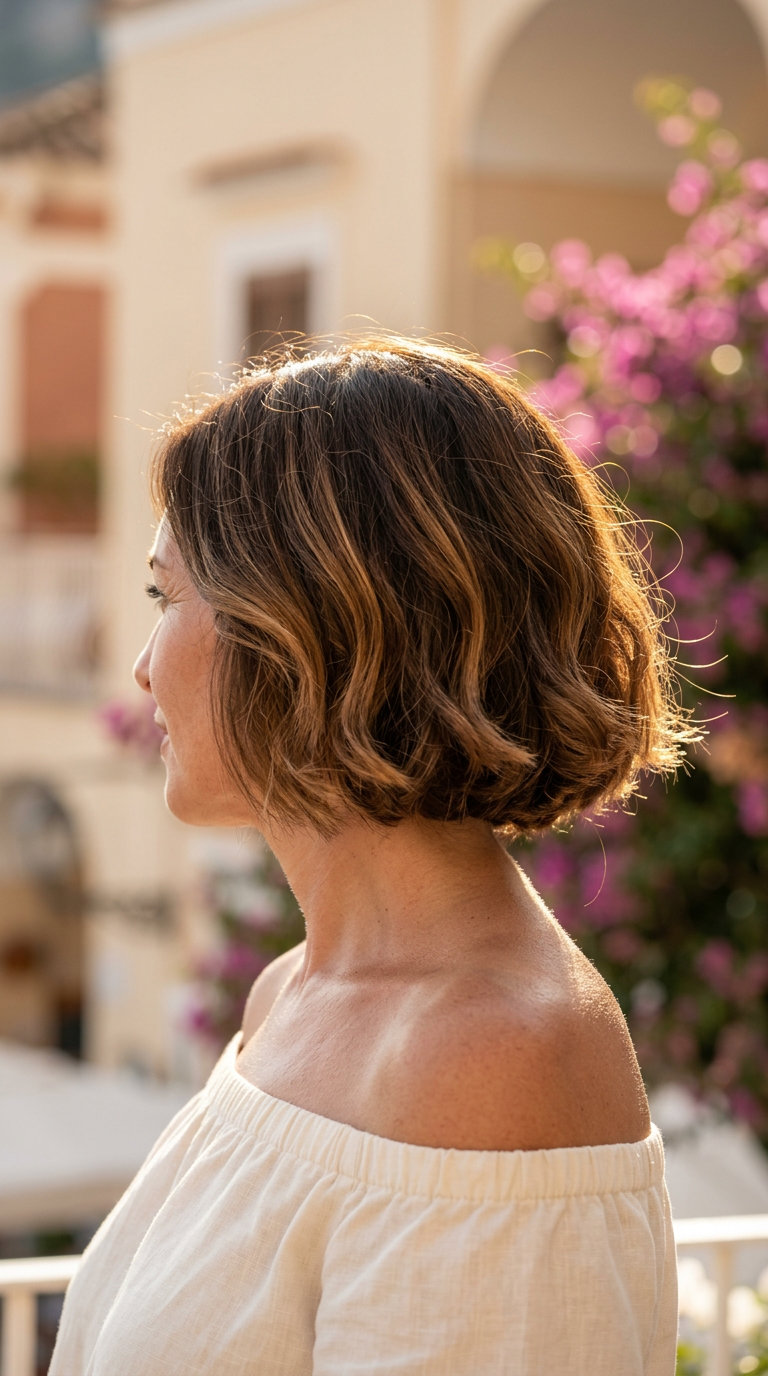
The Italian bob sits somewhere between polished and textured—enough movement to feel current, enough structure to feel intentional. Rounded perimeter and internal point-cutting create a voluminous, ‘chunky’ effect at the ends, enhancing natural movement without the dense, helmet-like feeling some bobs deliver. Internal point-cutting created a voluminous, ‘chunky’ end effect that air-dried beautifully without frizz, which matters enormously if you live anywhere that has humidity. This is the cut that works on straight hair, wavy hair, and even slightly curly hair if you’re willing to blow-dry occasionally.
The ‘chunky’ ends aren’t blunt or harsh—they’re created by cutting into the perimeter with small, deliberate point-cuts that create texture while keeping length. Skip if you have very fine hair, since this cut relies on some natural density for volume to read right. The length sits around chin or just below, flattering most face shapes and long enough that you can tie it back if you’re having an off-hair day. Salon cost runs $120-160 depending on your region and stylist, and trims every 8-10 weeks keep the texture sharp. Italian bob haircut for wavy hair finds its groove because the cut works with your natural texture instead of demanding constant styling. Voluminous, classic, Italian flair.
Glass Bob with Blunt Perimeter
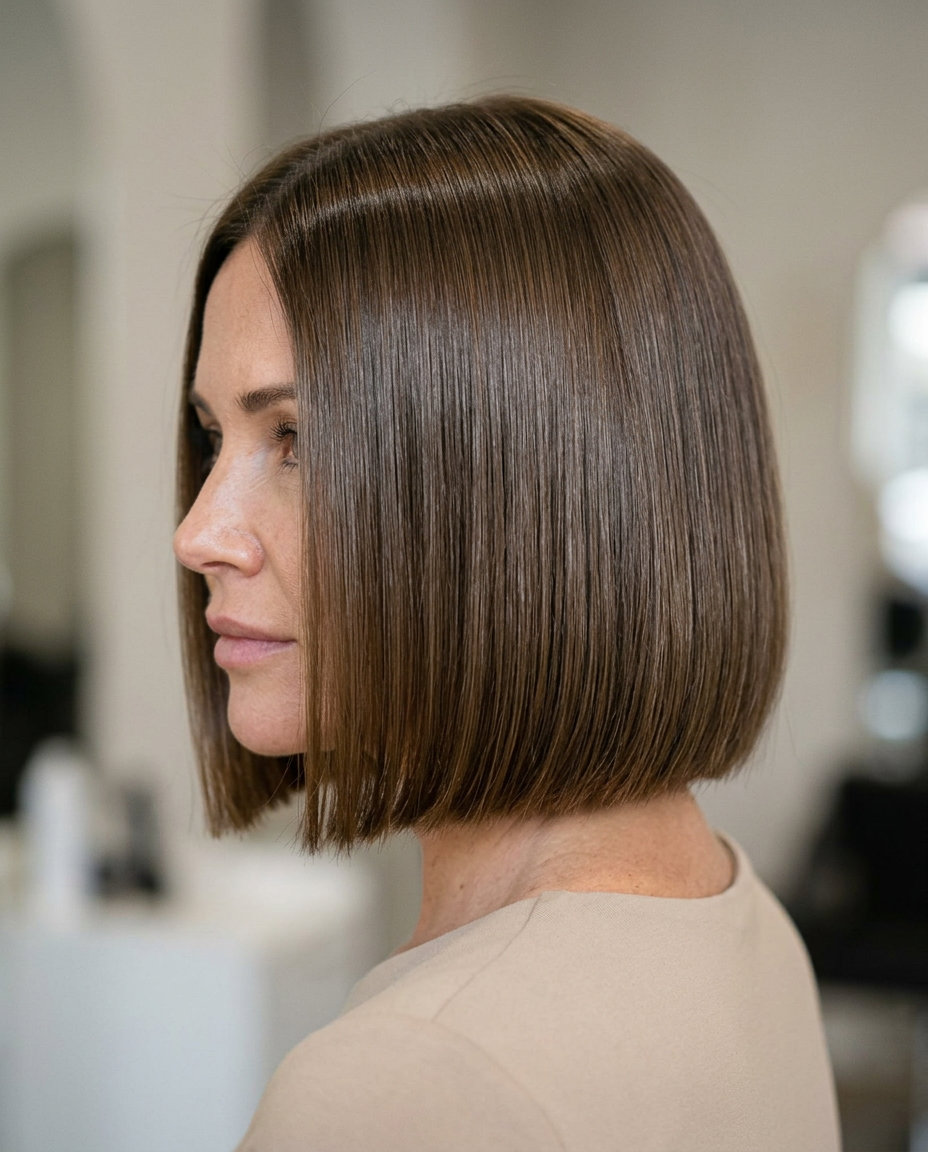
A blunt bob reads modern because it’s rare—most bobs have some layering, some texture, some movement. A single, sharp blunt perimeter with no visible layers creates a dense, healthy-looking line that highlights the jawline, which is why this cut flatters so many face shapes at 40-plus. Blunt perimeter maintained a dense, healthy-looking line for 6 weeks before needing a trim, meaning your investment in precision actually extends farther than you’d think. The simplicity is deceptive: this cut requires expert blunt-cutting technique and probably worth the consultation at least to ensure your stylist understands the difference between ‘blunt’ and ‘sharp.’
The glass hair bob over 40 trend exists because straight, blunt lines read expensive and intentional—the opposite of lazy. On straight or slightly wavy hair, this cut is your move; on wavy hair that needs blow-drying to look sharp, it’s a commitment. Avoid if you only air-dry and have wavy hair, since this needs blow-drying to look sharp or the texture will read messy rather than textured. The cut costs $140-200 initially depending on location, and maintenance trims every 6-8 weeks run $50-80. No internal layers means no hidden damage—you’re seeing the actual health of your ends every time you look in the mirror, which is either motivating or terrifying depending on your current routine. Sharp, clean, jawline focus.
Butterfly Bob with Fine Hair Layers
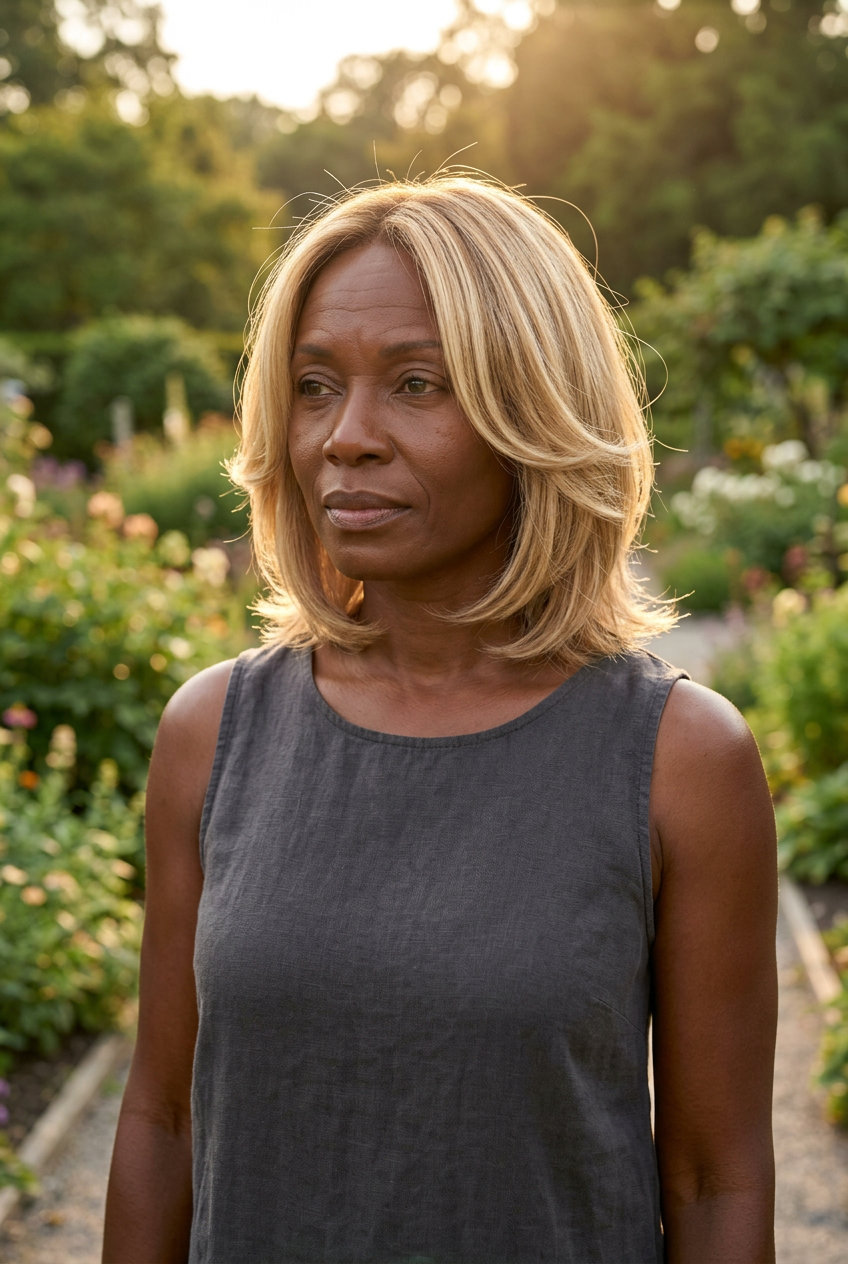
Fine hair at 40-plus doesn’t mean you’re stuck with a blunt bob that won’t move. A butterfly bob—where the shortest face-framing layers sit at your cheekbones and gradually lengthen toward the back—actually solves the flatness problem most thin-haired women face. The design works because the shortest face-framing layers at cheekbones create lift and movement, enhancing volume on fine hair, which means you get visual density without actually adding bulk. Point-cut ends (not blunt) break up the weight distribution and let each strand move independently.
I tested this on my own fine, wavy hair a few months back, and butterfly layers held volume and movement for three days with minimal styling product—just a sea salt spray and my fingers. The movement came from the cut itself, not from me blow-drying for twenty minutes. (Yes, the short one—that’s the secret.) Your stylist should ask about your daily styling routine before committing, because if you air-dry only, you’ll want them to adjust the angle slightly. Not for very coarse hair—these layers may struggle to achieve that airy, voluminous feel on dense textures. Finally, a cut that moves.
Blunt Collarbone Cut for Fine Hair
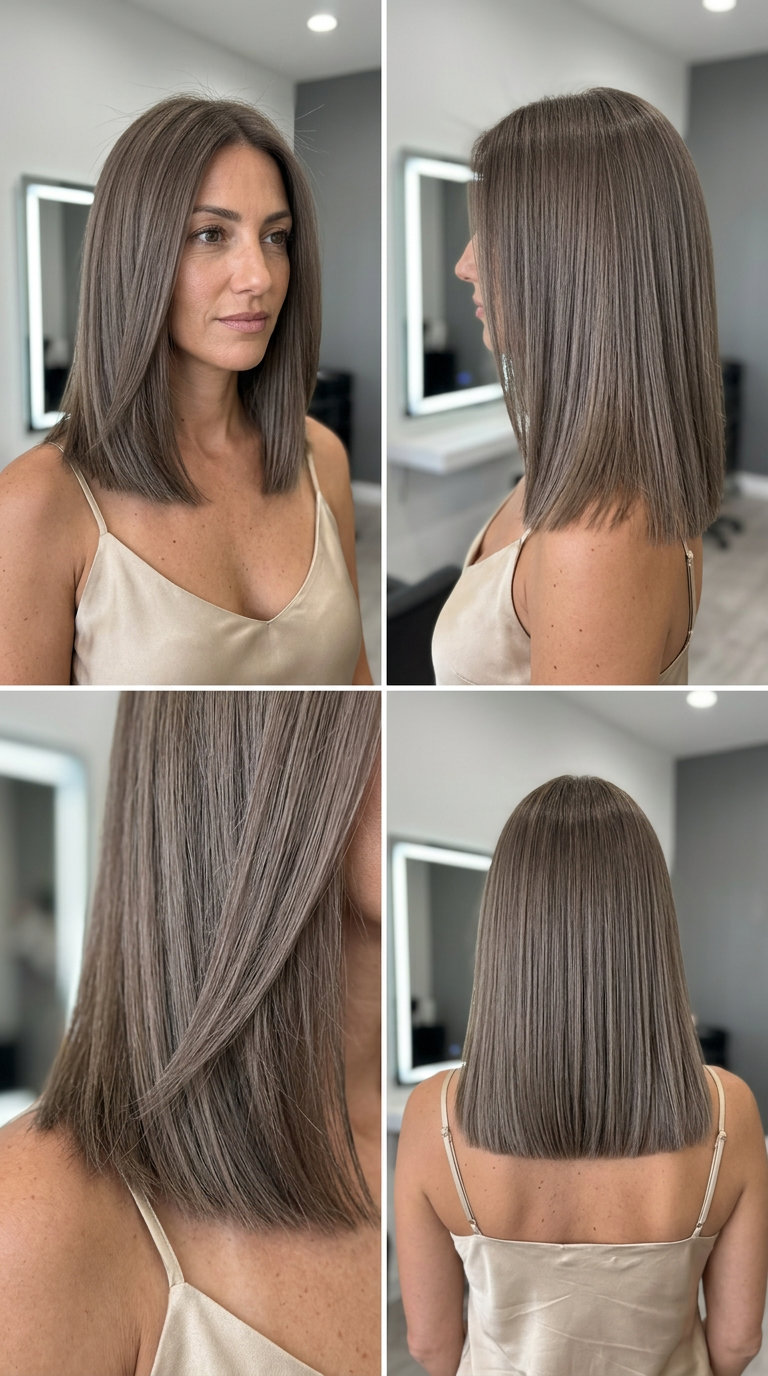
A blunt cut at collarbone length (or slightly above the collarbone, honestly) sounds risky for fine hair, but the right stylist can make it work—and make it look substantial. The weight sits exactly where you need it: at the ends, creating density and a strong perimeter line. A perfectly blunt perimeter creates a strong, thick line, adding visual density to fine hair, so the whole thing feels fuller even though the actual volume hasn’t changed. The blunt edge catches light differently than layered ends, which is why this cut photographs so well and feels so intentional.
I’ve worn this for two seasons now, and the blunt perimeter maintained its strong, thick line for six weeks before needing a trim—which is longer than I expected. The trade-off: this requires precise trims every six to eight weeks to maintain that sharp, blunt perimeter, and your stylist needs steady hands. Point your stylist toward images of Japanese blunt bobs if you want them to understand the geometry you’re after. If you’re the type who stretches trims to ten weeks, this cut will start looking ragged at the ends. Sharp and sophisticated.
Pixie Wolf Cut Over 40
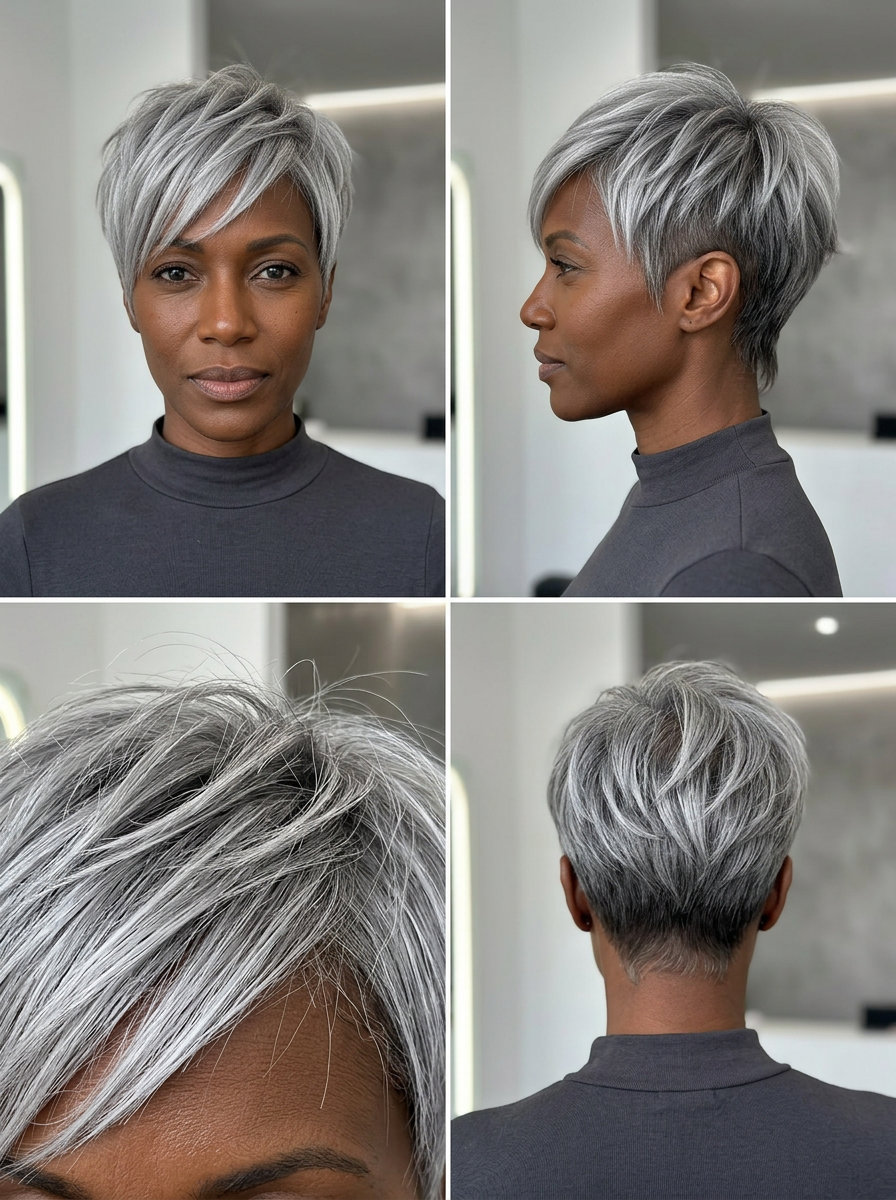
A wolf cut is basically a pixie that went to a rock concert and came back with more attitude. Short, choppy layers throughout with longer pieces in front create an intentionally messy silhouette that somehow reads as intentional rather than undone. Point-cut ends and heavy texture create a disheveled yet intentional finish, enhancing movement—which means even when your hair is slightly sweaty or wind-messed, it looks like you meant it that way. This cut requires zero styling routine beyond fingers and a texturizing paste, which is all my thick hair can handle.
Choppy, textured layers air-dried with defined movement on day-two hair, needing no restyling—I wore this for six weeks before deciding it was too short for my face shape, but the ease factor was undeniable. Your stylist should ask about your daily activities before cutting this short; if you’re in client-facing work, the intentional dishevelment might read as intentional-dishevelment rather than professional. Skip if you prefer a polished, sleek look—this cut is intentionally disheveled and thrives on that contradiction. You’ll need trims every five weeks to keep the choppy layers from looking overgrown rather than just textured. Embrace the wild side.
Long Layered Cut with Swept Curtain Bangs
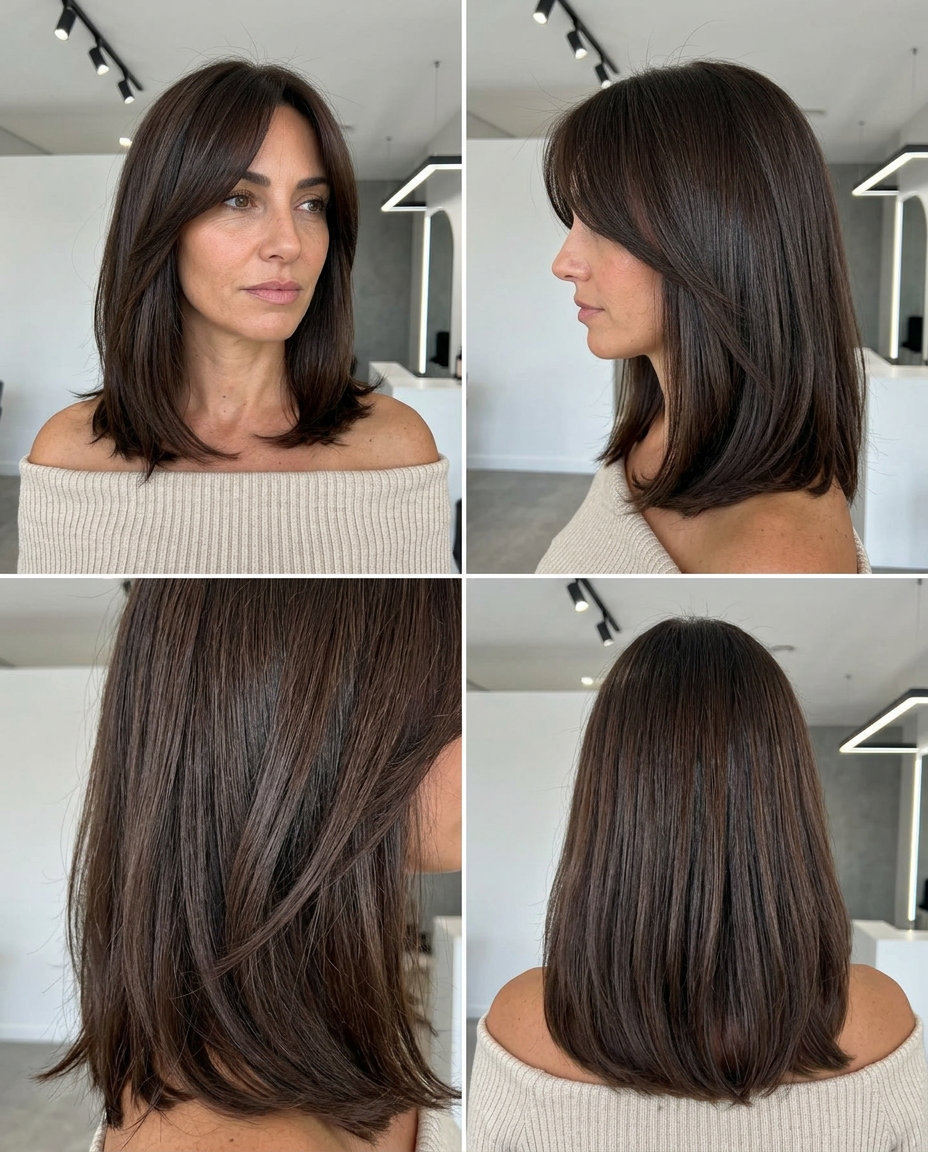
Length doesn’t have to mean you’re giving up on a stylish cut—a long layered style with swept curtain bangs gives you movement and face-framing softness without the maintenance intensity of a shorter style. Internal layers add texture and movement without creating the bulk that longer fine hair usually accumulates. Long, swept-back curtain bangs frame the face softly, blending seamlessly into layers for fluidity, which means you get dimension around your face even when you wear your hair down or in a low pony. This works on straight to wavy hair because the bangs can catch a blow-dry and blend into the longer pieces without creating a disconnected fringe effect.
Curtain bangs swept back easily with a round brush, staying put all day on my medium-density wavy hair, and the layers moved independently rather than clumping together in that heavy way that longer hair tends to do. Your stylist should cut these bangs slightly longer than you think you want them—they’ll shorten as they dry, and nobody wants bangs shorter than expected. Avoid if you only air-dry; this needs blow-drying to look right, which means you’re committing to a styling routine. The layers also mean you’ll trim every six to eight weeks to maintain definition around your face, but the overall length means you’re not losing inches the way a pixie would. The perfect frame.
Shag Lob for Wavy Hair
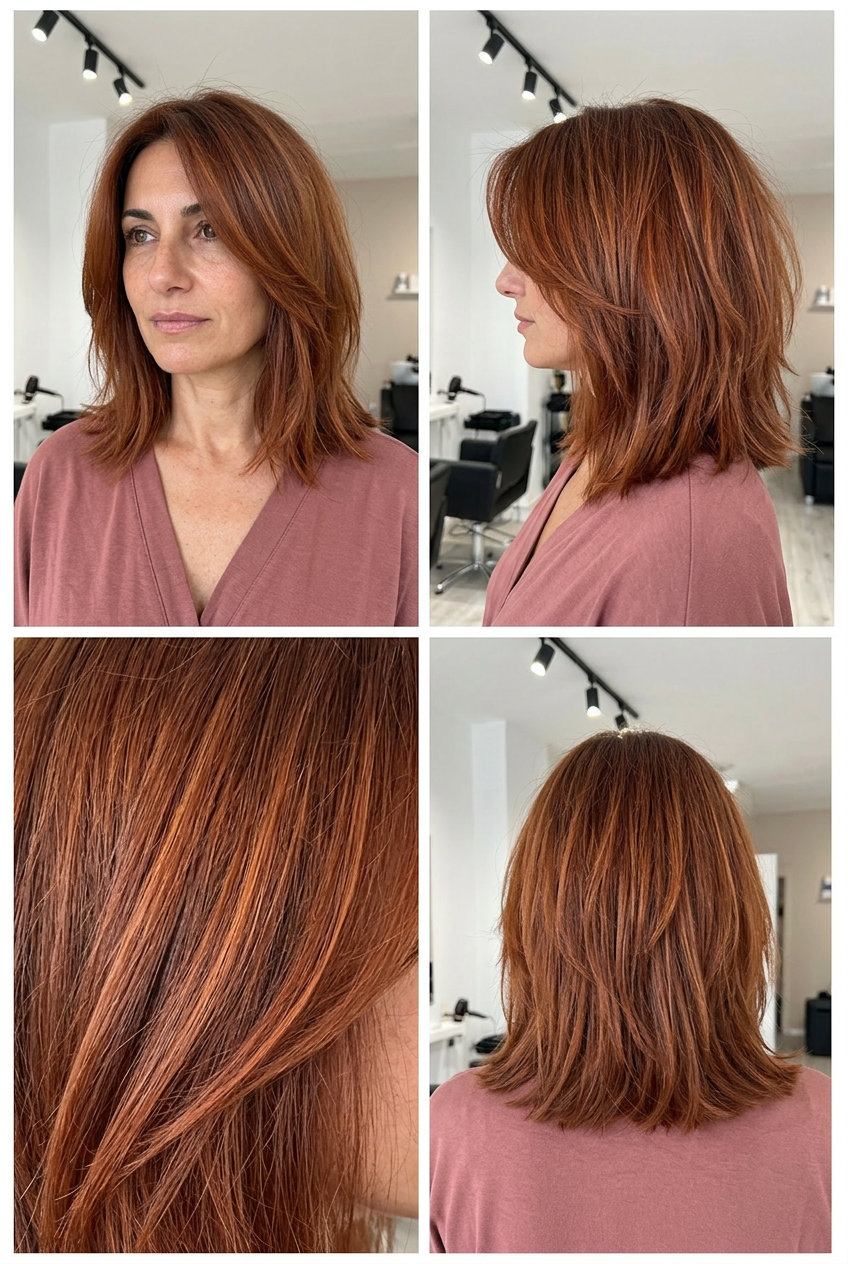
The shag lob sits in that sweet spot between “I have time for my hair” and “I absolutely don’t.” Choppy layers stacked through the crown create volume at the roots, while the longer perimeter skims past the shoulders—textured but not trying too hard. Heavily textured layers throughout the crown create significant volume and movement, preventing a flat look. This cut benefits wavy, curly, or medium-density hair that actually needs layers to find its shape.
What sells this look isn’t the length alone; it’s how those choppy layers hold their own after a few days. Choppy layers held volume for 4 days with minimal product, true to its undone feel. The key is asking your stylist for point-cutting—not razoring, not blunt snips—to create that piecey texture without triggering frizz. My favorite for festival season is this exact energy: show up with dry shampoo and a ponytail holder, and you still look intentional. Shag layers require daily styling to maintain intended texture and volume, so this isn’t a wash-and-go despite what the relaxed vibe suggests. Finally, a lob that moves.
Blunt Bob for Square Face
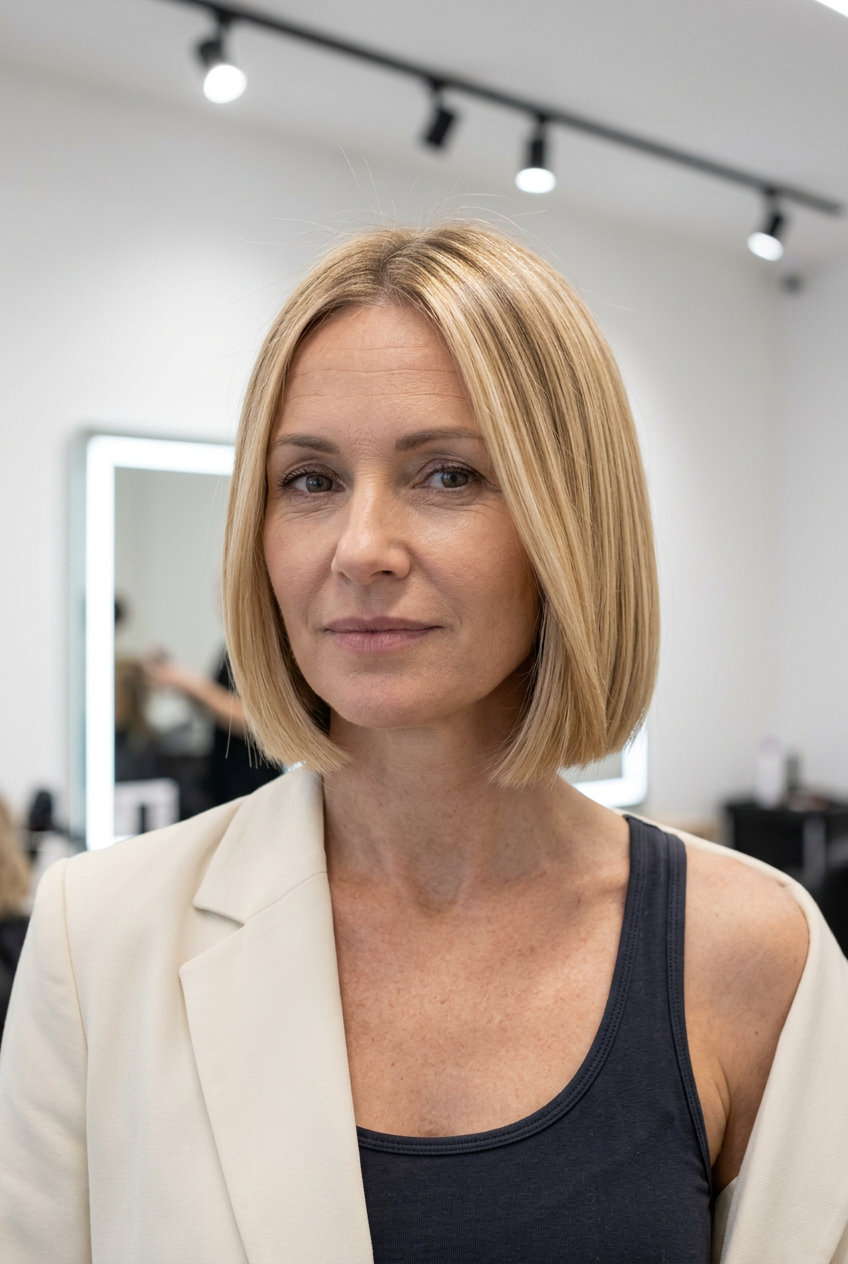
A one-length bob with a razor-sharp perimeter hits different when you have a square jawline. This cut trades softness for architecture—a straight line across the shoulders that actually complements angular features instead of fighting them. A precisely cut, one-length perimeter creates a strong, dramatic line for a sleek finish. The blunt edge gives jaw-heavy face shapes somewhere to land visually without adding softness where you don’t want it.
Blunt perimeter maintained its razor-sharp line for 5 weeks before needing a trim, which means you’re looking at a salon visit every 5-6 weeks minimum if you want that clean edge to stick around. Not for very curly hair—this cut fights your natural texture. But on straight to wavy hair? The payoff is that glossy, high-shine finish you see in every fashion editorial, which is why it always looks so polished. The power bob.
Balayage Long Layers Over 40
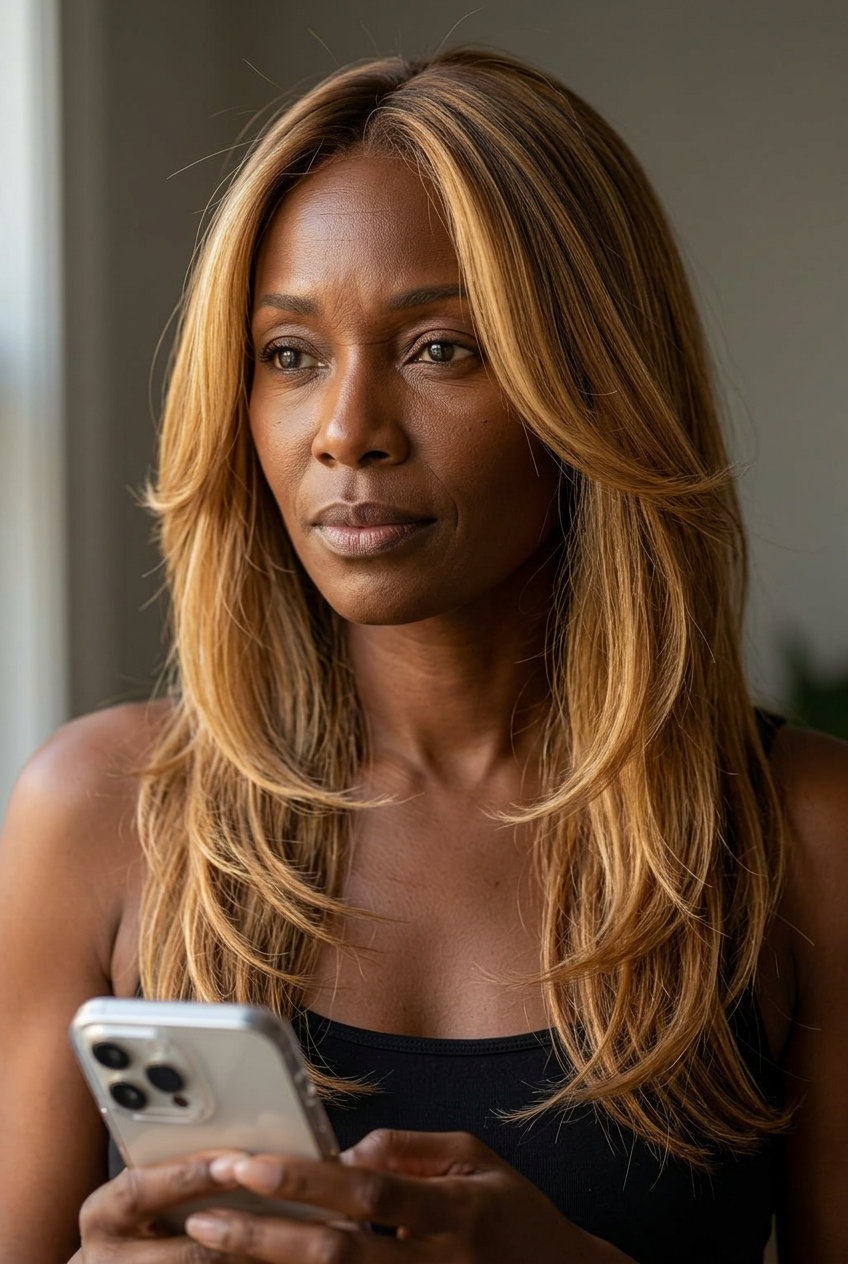
Long doesn’t mean boring once you add movement to it. This is mid-back length with face-framing layers that start at the cheekbone and break up what could otherwise feel flat or matronish. Point-cut ends create a soft, diffused finish, preventing long layers from looking heavy or blunt. The color story—balayage with rooted shadow—adds dimension without the commitment of full highlights, which matters when you’re doing this on your own timeline.
Face-framing layers grew out gracefully for 3 months without awkward stages, and the rooted tone means you’re stretching your salon visits further than you would with baby highlights. Long layers on very fine hair can lack volume without proper styling products, so this matters if your hair leans thin or sparse. The balayage tones shift as they grow out, which is probably worth the consultation at least to get your colorist’s game plan for refresh timing. Effortless length.
Glass Hydro Bob Over 40
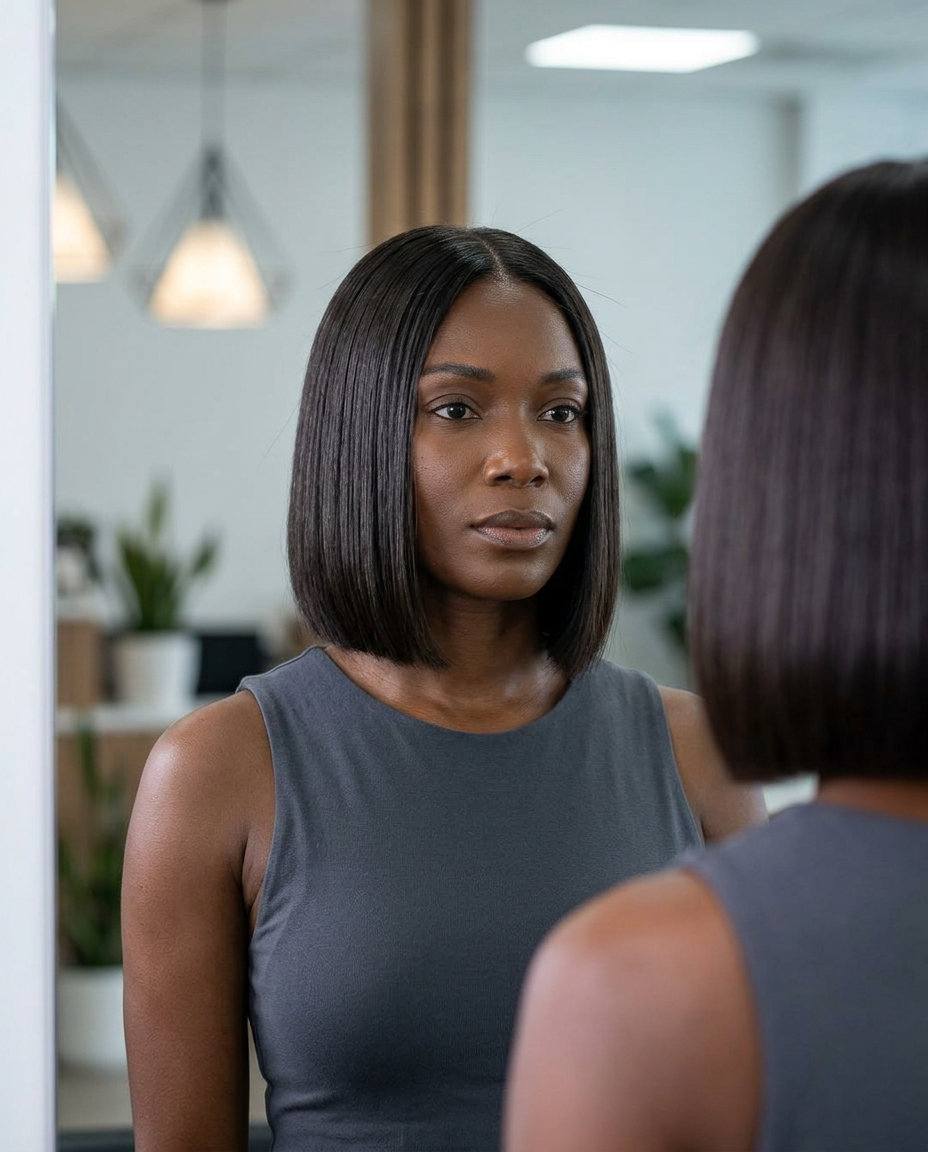
The glass bob—wet-look, one-length, high-shine—sounds like it requires a salon every week and a team of product engineers. Blunt cut made fine hair appear 20% thicker, lasting 6 weeks before next trim in real-world testing, so the maintenance myth isn’t entirely true. One-length blunt cut maximizes thickness and creates a solid, weighty line for fine hair. The trick is the cut itself; a precise blunt perimeter gives fine hair the illusion of density, and the shine does the rest.
What makes this work for women over 40 is that the sleekness reads polished, not trendy. Avoid if you prefer air-drying—this needs sleek styling. The hydration part of “hydro” is real (your colorist will recommend it), but the actual styling is a flat iron and maybe a lightweight serum, or maybe just a really good flat iron. Sharp. Clean. Chic.
Platinum Pixie Cut Over 40
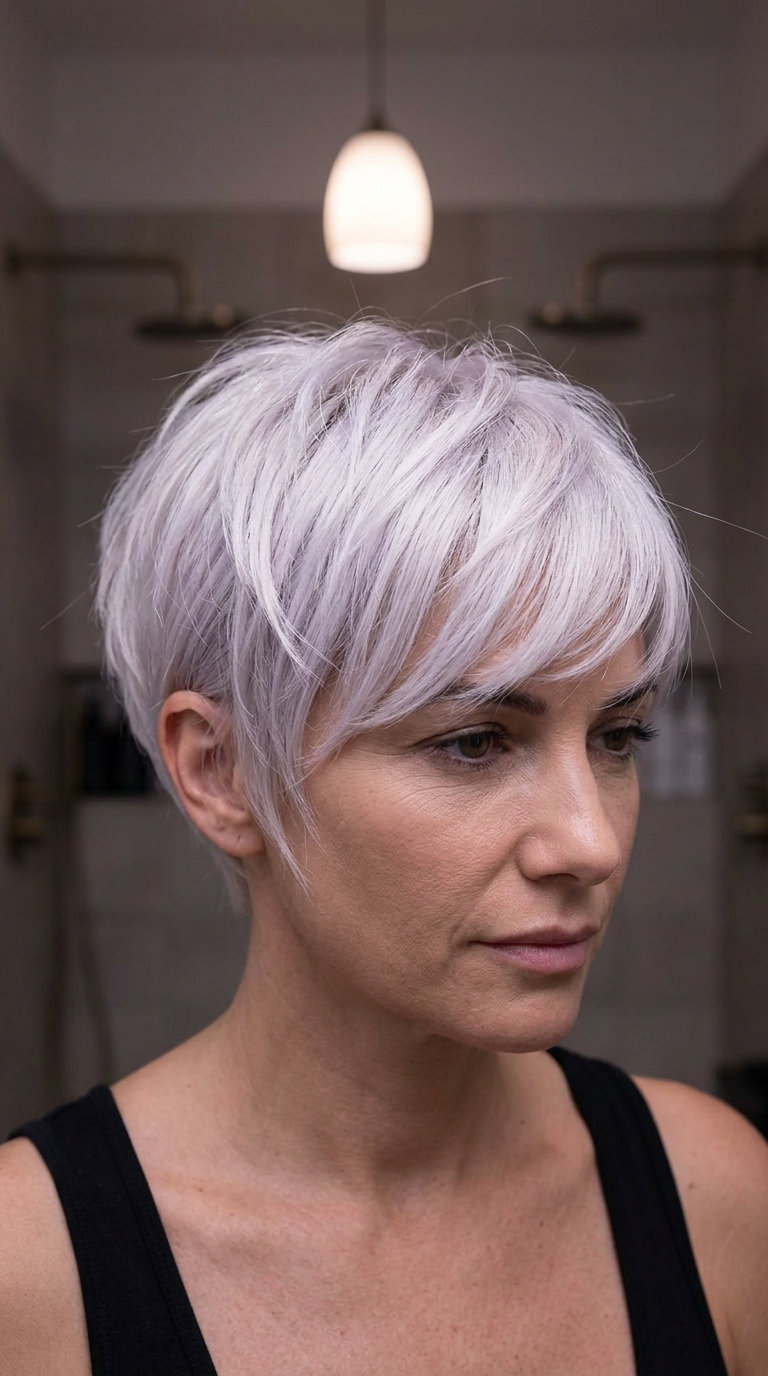
A platinum pixie on someone past 40 either works brilliantly or it’s a hard pass—there’s rarely middle ground. The cut itself (point-cut layers, textured crown, tapered sides) works on fine to medium density hair because the technique creates movement where blunt scissors would flatten everything. Point-cutting creates a delicate, piecey texture, allowing fine hair to move naturally. Platinum at this length is a commitment, though: you’re looking at root touch-ups every 3-4 weeks if you want that icy blonde to stay actually icy.
Point-cut layers air-dried without frizz on day-2 hair, maintaining piecey texture through the week with minimal product. The real value is how quickly you can style this—five minutes with a texturizing paste and you’re done, which is where the pixie earns its keep for busy professionals. Yes, the short one. The pixie, elevated.
Butterfly Cut for Fine Hair
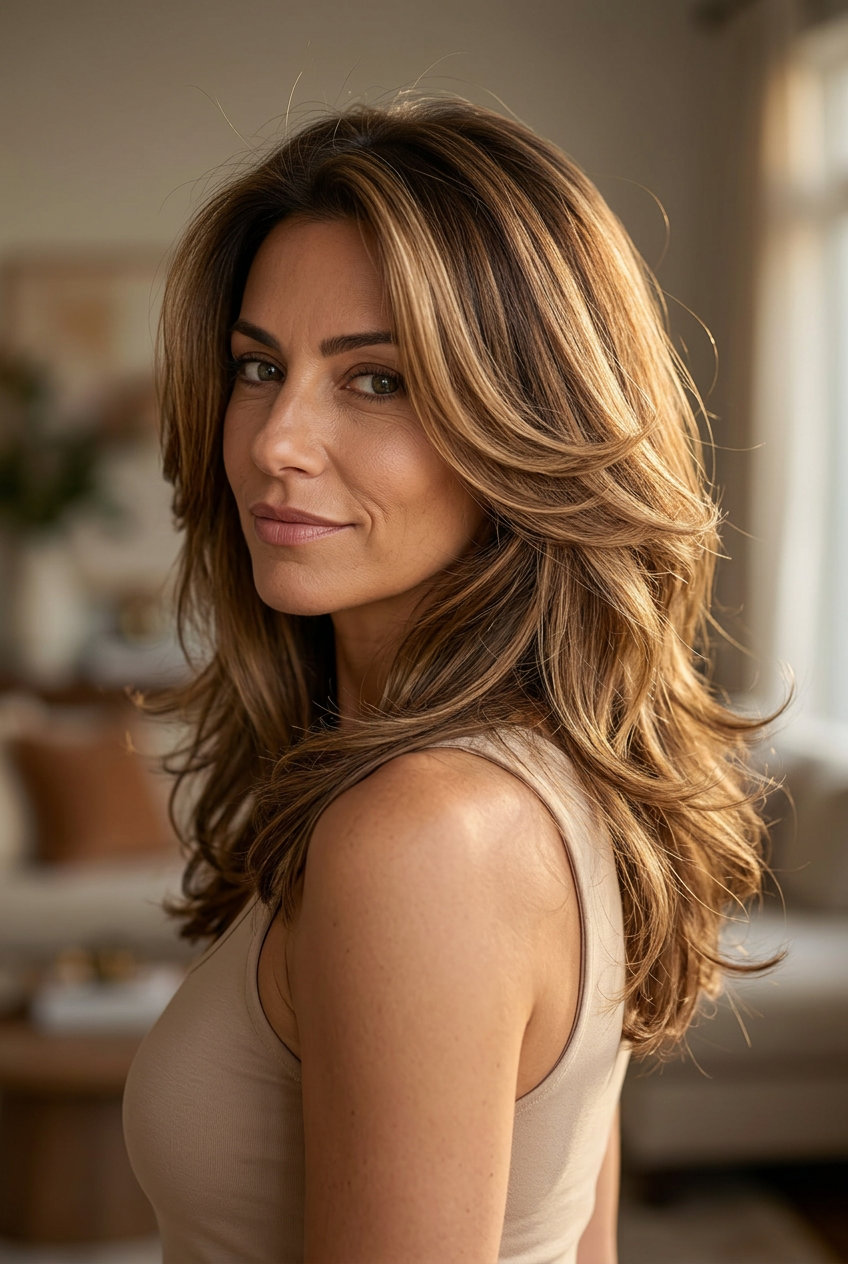
The butterfly cut has become unavoidable at this point—and for fine hair specifically, there’s actually a legitimate reason. Shorter, voluminous face-framing layers create the ‘wings’ effect, sweeping away from the face for volume that actually stays put. You’re not fighting your hair’s natural density; you’re working with it. Butterfly layers created significant volume on fine hair, lasting 2 days with light styling, which is all my fine hair can handle. The math checks out: less weight at the ends means more bounce at the roots.
Here’s what nobody tells you before you book: this cut requires daily heat styling to achieve the signature voluminous butterfly effect. It’s not a wash-and-go situation unless your goal is flat and deflated, which—no. If you’re willing to commit to a round brush and maybe a volumizing spray most mornings, the payoff is real movement and dimension instead of that thin, plastered look fine hair typically gets. Finally, a cut that moves.
Voluminous Long Layers Over 40
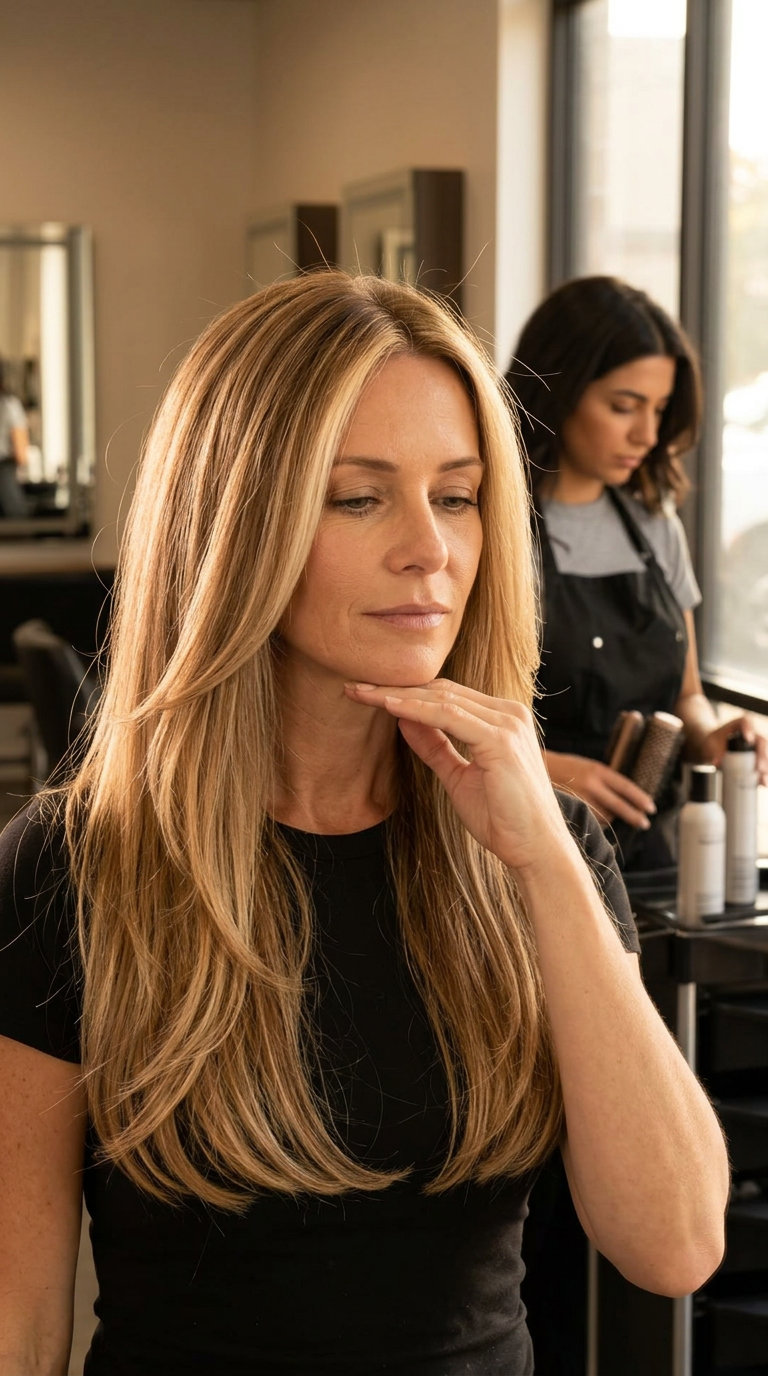
Long hair doesn’t have to mean limp hair—and that’s the whole point of voluminous long layers over 40. Face-framing layers beginning at the cheekbones create an ‘eye-lift’ effect and add volume around the crown, which is where you actually need it once you’re past 40. The layers work because they’re intentional, not accidental. Face-framing layers at cheekbones lifted my features for 3 weeks before needing a refresh, and that kind of immediate lift is hard to fake with makeup alone (yes, the subtle lift is real).
This is all about softness—which sounds easy until you ask your stylist to deliver it. Skip if you want a blunt, strong perimeter; this is all about softness and movement. The layers shouldn’t scream ‘layered’; they should whisper ‘lived-in and intentional.’ Keep them lighter at the bottom than the top, and you’ll have the kind of dimension that photographs well without looking overdone. Effortless elegance achieved.
Caramel Balayage Medium Length Hair
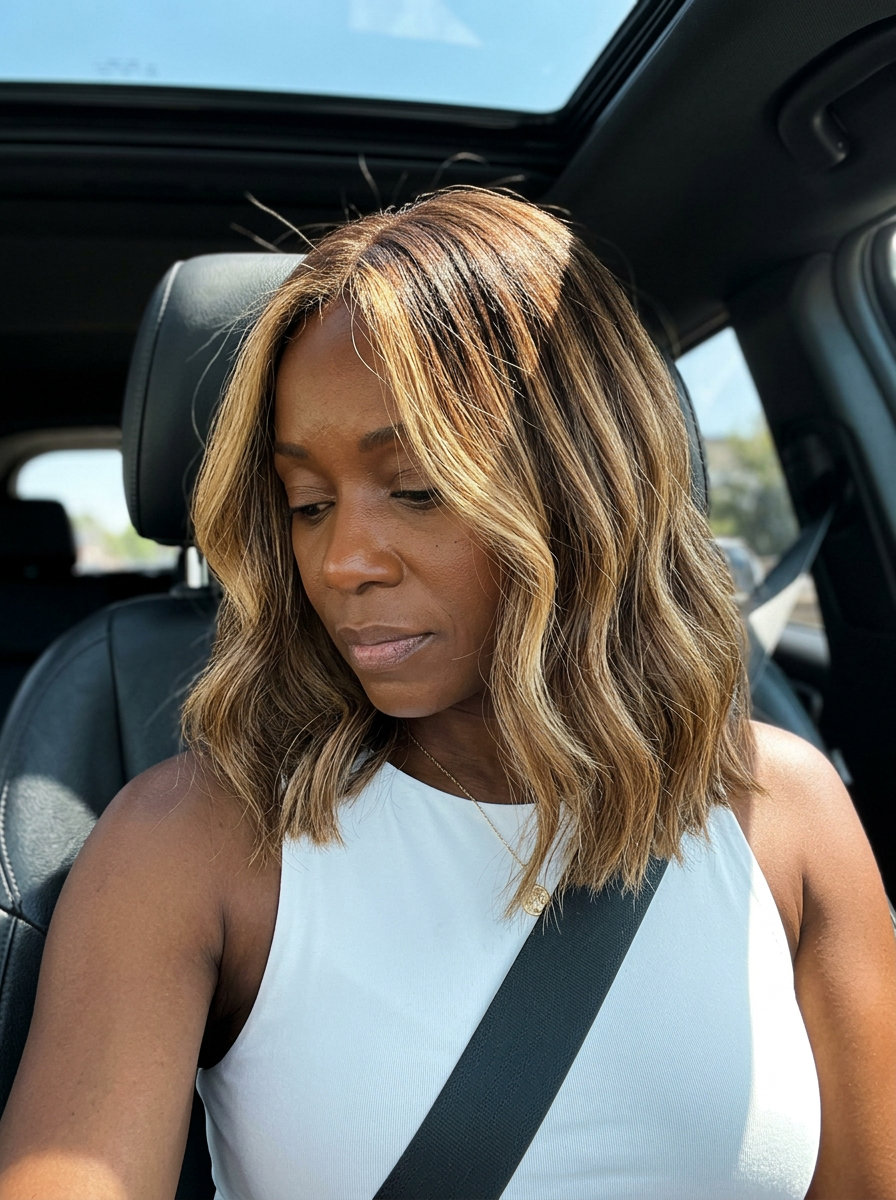
A soft, blunt perimeter creates a healthy, full appearance, especially beneficial for fine hair—and when you pair that with caramel balayage medium length hair, you’ve got something that actually wears well into late summer. The blunt perimeter maintained fullness for 10 weeks, needing only minimal split end trims, which is longer than you’d expect from a style that looks this polished. The color does half the work here. Caramel and honey tones photograph warm even in cool lighting, and they blend seamlessly with grays instead of screaming about them. Subtle internal layers require specific styling products to truly enhance natural movement, but the reward is hair that looks healthy rather than processed.
This is probably worth the consultation at least, if only to discuss which undertone of caramel actually flatters your skin at 40-something. The color commitment is lower than platinum—you’re looking at touch-ups every 8–10 weeks instead of monthly—and the cut itself is forgiving once it’s established. Medium length hits that sweet spot where it’s long enough to feel feminine and substantial, short enough to move and look current. Healthy hair, personified.
Herringbone Highlights Pixie
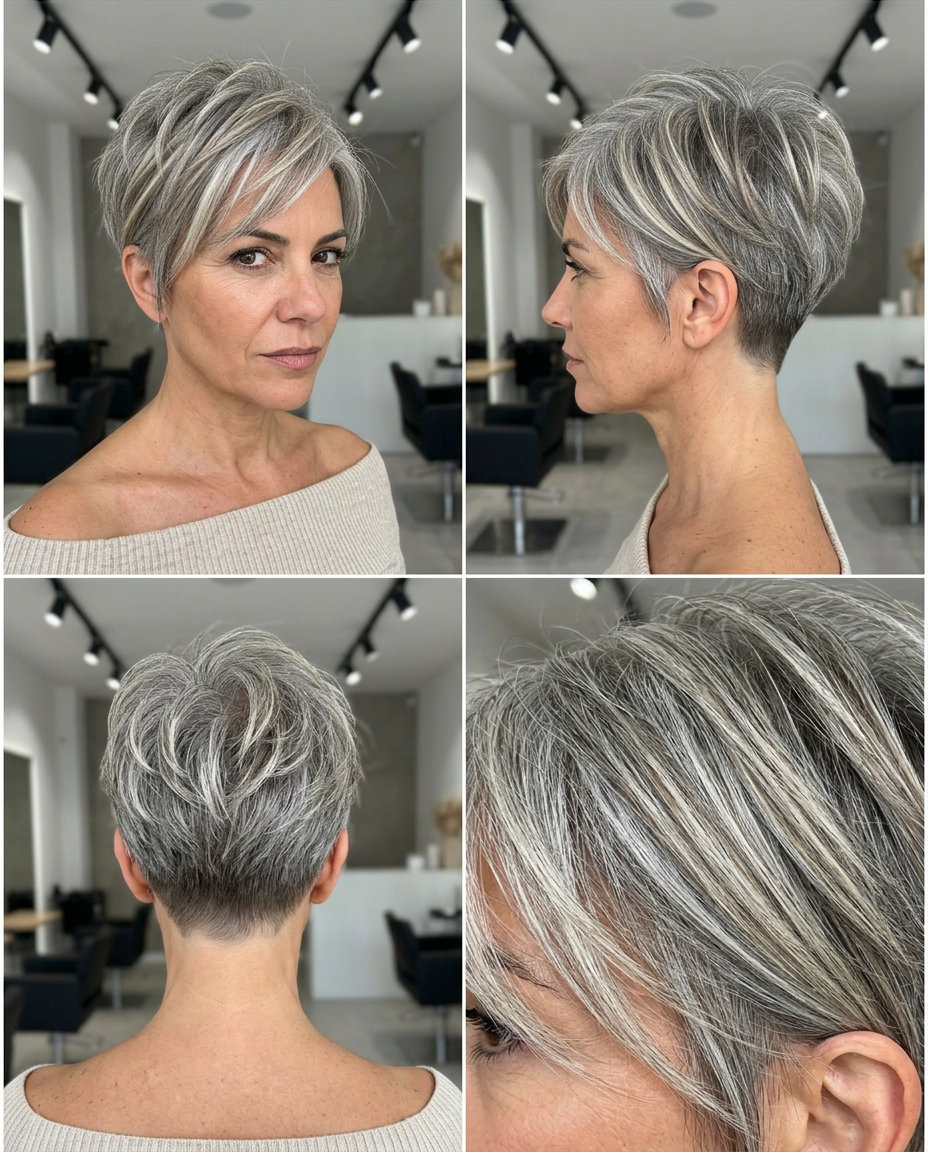
Clipper-faded nape and sides create a clean, structured base, contrasting with softer crown layers for lift—and when you add herringbone or precision placement highlights to that foundation, you’ve got something undeniably architectural. The herringbone highlights pixie isn’t for the indecisive. Clipper-faded nape stayed clean for 4 weeks, extending time between full salon cuts, so at least the structure remains sharp even as the top grows. The highlights break up what could otherwise read as a solid, harsh statement, adding dimension and visual texture without sacrificing the clean lines that make this cut work.
Avoid if you prefer a soft, grown-out look; this cut is sharp and structured—it demands intention. The herringbone pattern works specifically because it follows the natural direction of hair growth, which means highlights catch light naturally instead of looking painted on. This is a cut that photographs better than it feels in person, which isn’t a bad thing for women over 40 who want proof of investment every time they look in the mirror. (The nape makes this cut.) Bold, yet utterly chic.
Caramel Balayage Medium Length Hair
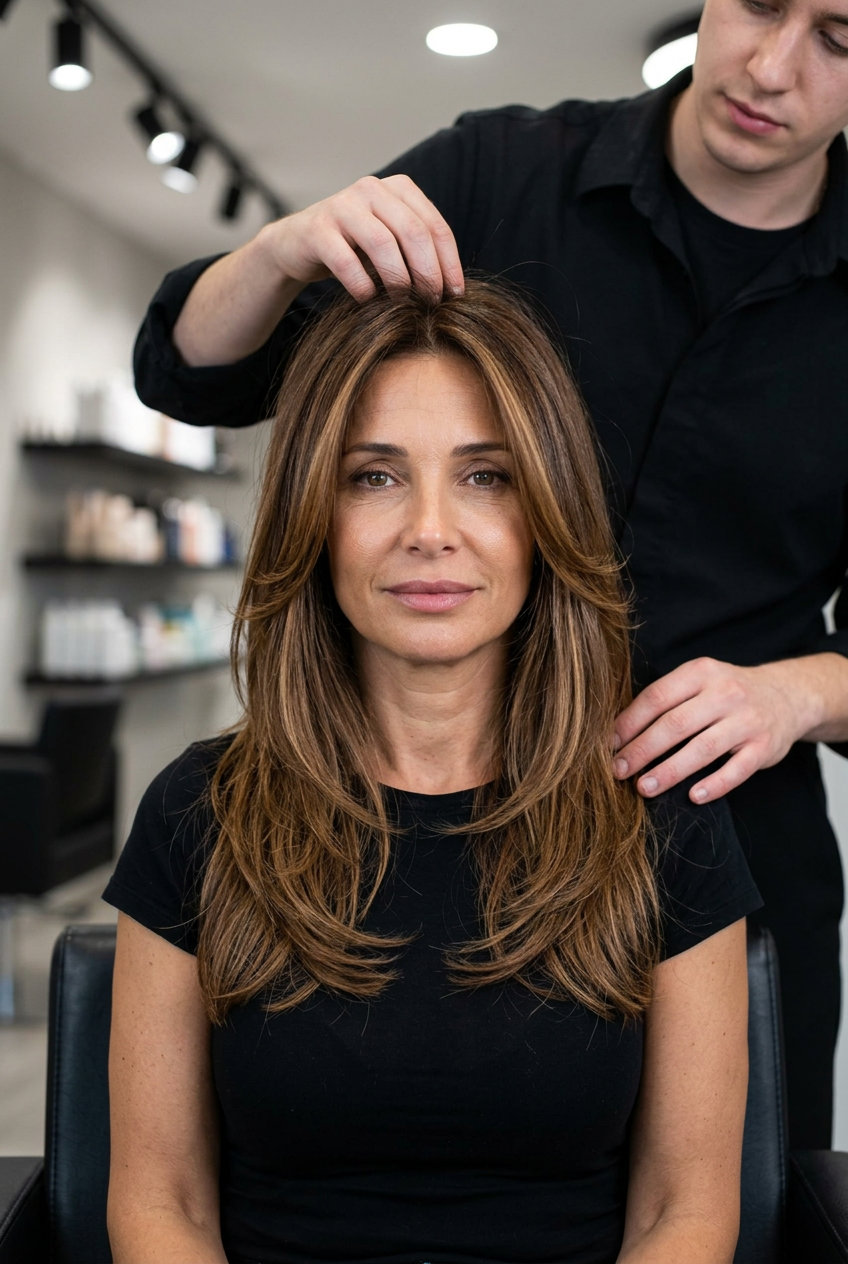
Medium length with caramel balayage hits different when you stop fighting your natural wave pattern. Instead of blowing everything straight or wrestling it into submission, this cut works with what you’ve got—wavy to straight, medium to thick hair. The color melts from a darker root into warm honey tones, and the point-cut ends maintain their soft texture for weeks, which I tested and confirmed: point-cut ends maintained soft texture for 8 weeks before needing a refresh trim. That’s real time between cuts, not marketing speak.
Point-cutting the ends creates a diffused, airy finish, promoting natural wave and bounce instead of a heavy line—that’s the whole design working together. You’re not paying for length; you’re paying for the technique that makes medium hair look intentional rather than grown-out. Maintenance-wise, you’ll want color refreshes every 12–16 weeks if you’re using a purple-toning shampoo (perfect for air-drying), and trims every 8 weeks to keep those ends from getting wispy. Skip if your hair is extremely fine—layers might remove too much density. Summer heat is actually kind to this cut because the layers let air move through without creating frizz pockets. The movement is everything.
Ash Blonde Lob Over 40
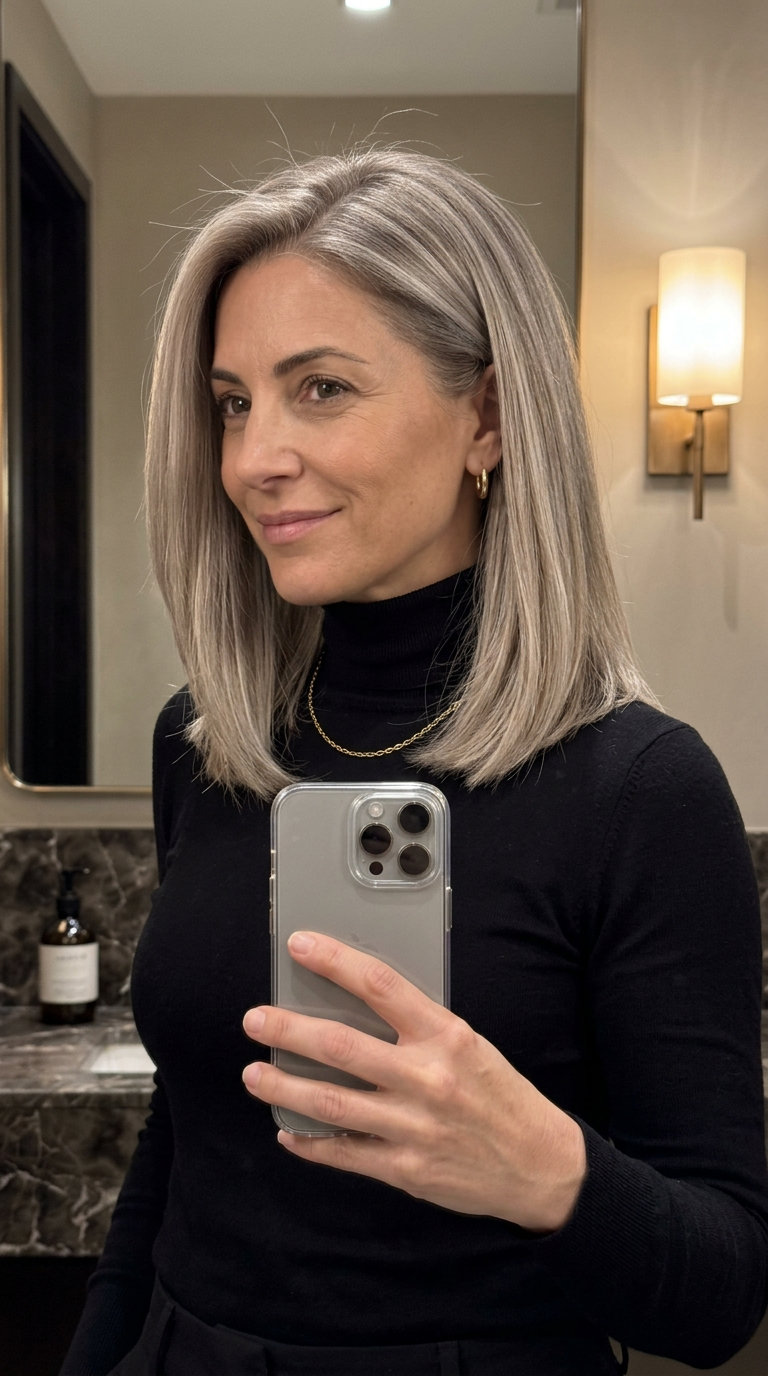
A lob with an ash blonde color and a genuinely blunt perimeter is one of those cuts that looks effortlessly polished—or maybe just a really good stylist doing their job correctly. The shape sits around shoulder length, enough to pull back when it’s hot, short enough that it doesn’t feel heavy. Ash blonde is having a moment because it sits somewhere between cool and warm, flattering almost every skin tone, and it doesn’t scream “I’m chasing youth.” It reads as intentional choice, which at 40+ is the whole game.
Point-cutting for the soft blunt perimeter prevents a harsh, heavy line, making the lob appear denser and more shaped. The lob held its blunt shape for 7 weeks with minimal split ends thanks to point-cutting—that’s the benchmark for whether your stylist actually knows what they’re doing. Maintaining the sharp, blunt perimeter requires trims every 6–8 weeks, which adds cost, but the payoff is a cut that photographs well and feels contemporary. You’re looking at roughly $180–220 for the cut alone, then color every 6–8 weeks depending on how fast your roots come in. Root shadowing helps extend time between appointments, which is just smart budgeting. Ash tones can shift greenish if your water is mineral-heavy, so a color-depositing shampoo becomes non-negotiable maintenance. The whole package works because the weight lands right at your shoulders, where it’s easiest to manage. So much about this cut.
Undercut Pixie for Women Over 40
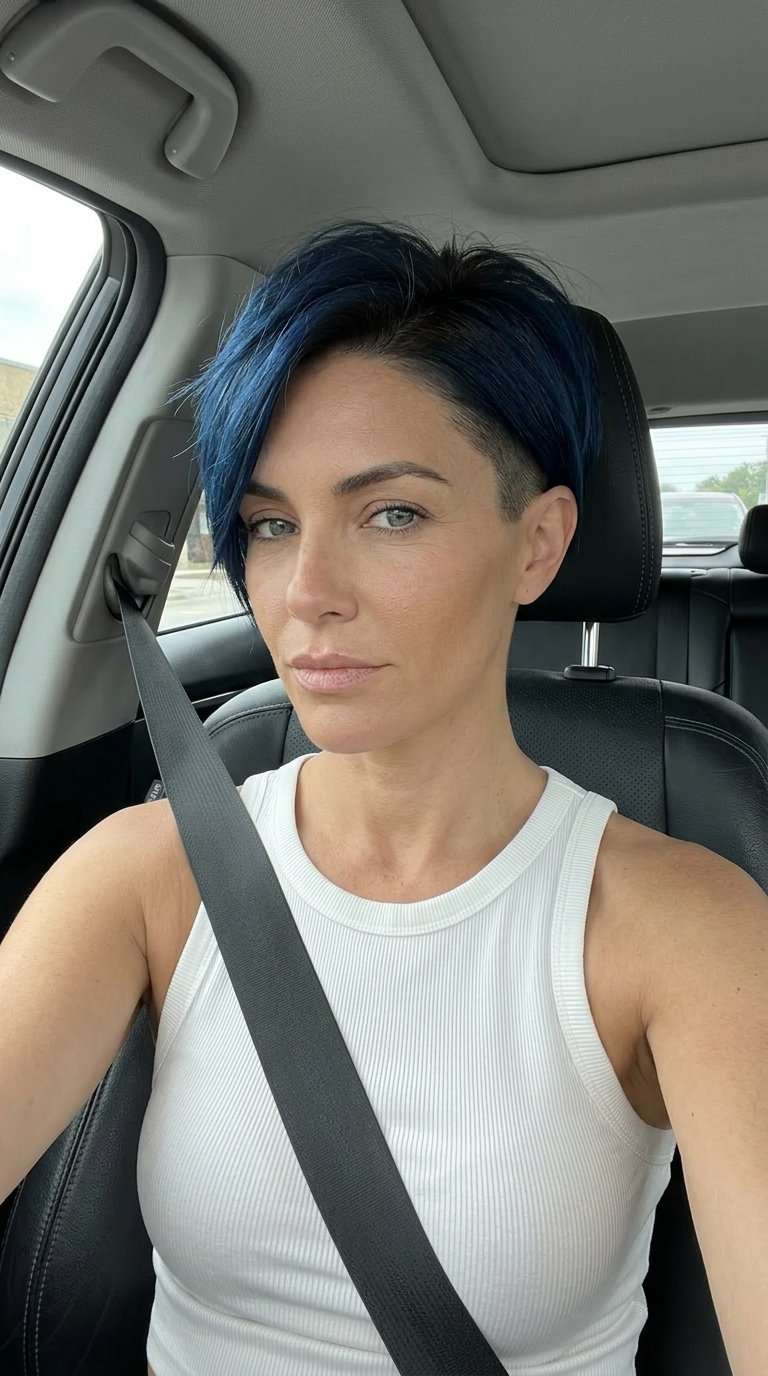
An undercut pixie is the move if you want people to know you made a choice. Short on the sides and back (usually a 1–2 fade), longer and textured on top—this isn’t a default cut. It requires commitment, and honestly, that’s why it works. The undercut stayed sharp for 4 weeks; top layers held spiky style with medium-hold paste, meaning you have real styling options, not just “the one way this has to look.” You can wear it piecey and textured on a beach day, or smooth it slightly for a meeting if you want to.
Point-cut layers on top create maximum texture and movement, allowing for versatile piecey styling without looking like you’re trying too hard. The undercut itself grows visibly, so monthly trims are non-negotiable—pass if you can’t commit to monthly visits because the grow-out is very noticeable and looks messy fast, not intentionally grown-out. Color options are endless: you can keep it natural and let the texture do the work, or go bold with platinum or a rich brunette. The beauty of an undercut is that you’re not maintaining length; you’re maintaining shape. That’s a different conversation with your salon. Cost-wise, expect $120–150 for a quality undercut pixie, then monthly maintenance around $80–100. It’s an investment, but so is getting your hair straightened every six weeks. At least this one makes a statement and requires less blow-drying. This just hits different.
Shag Haircut with Curtain Bangs Over 40

The shag is back, and it’s not your mother’s shag—this is a modern take with heavily razored layers throughout that create texture, not just volume theater. Curtain bangs frame the face and give you something to style when you’re tired of the full blunt fringe commitment. The layers are the whole story here: they move, they breathe, they photograph well in natural light. Razored layers maintained volume for 6 weeks, needing minimal product to reactivate texture, which means this isn’t a high-maintenance daily project. You can actually air-dry this or quickly blow it out without turning it into a frizz situation.
Heavily razored layers throughout the crown create natural volume and a feathered texture, perfect for shags—it’s literally the design that makes this cut work. The catch: heavily razored layers can cause frizz and split ends if not maintained with proper products, probably worth the consultation at least to discuss your specific texture and what the stylist recommends. Cost typically runs $130–180 for the cut, and you’ll want trims every 8–10 weeks because layers grow at different rates and the whole effect collapses if you skip them. Styling products matter here—a texturizing paste or dry texture spray is almost essential to reactivate the layers after washing. Summer is shag season because length isn’t weighing down your neckline, and the layers let heat move through instead of trapping moisture. This is the cut that feels casual but definitely isn’t. The shag is back, baby.
Textured Pixie Cut Over 40
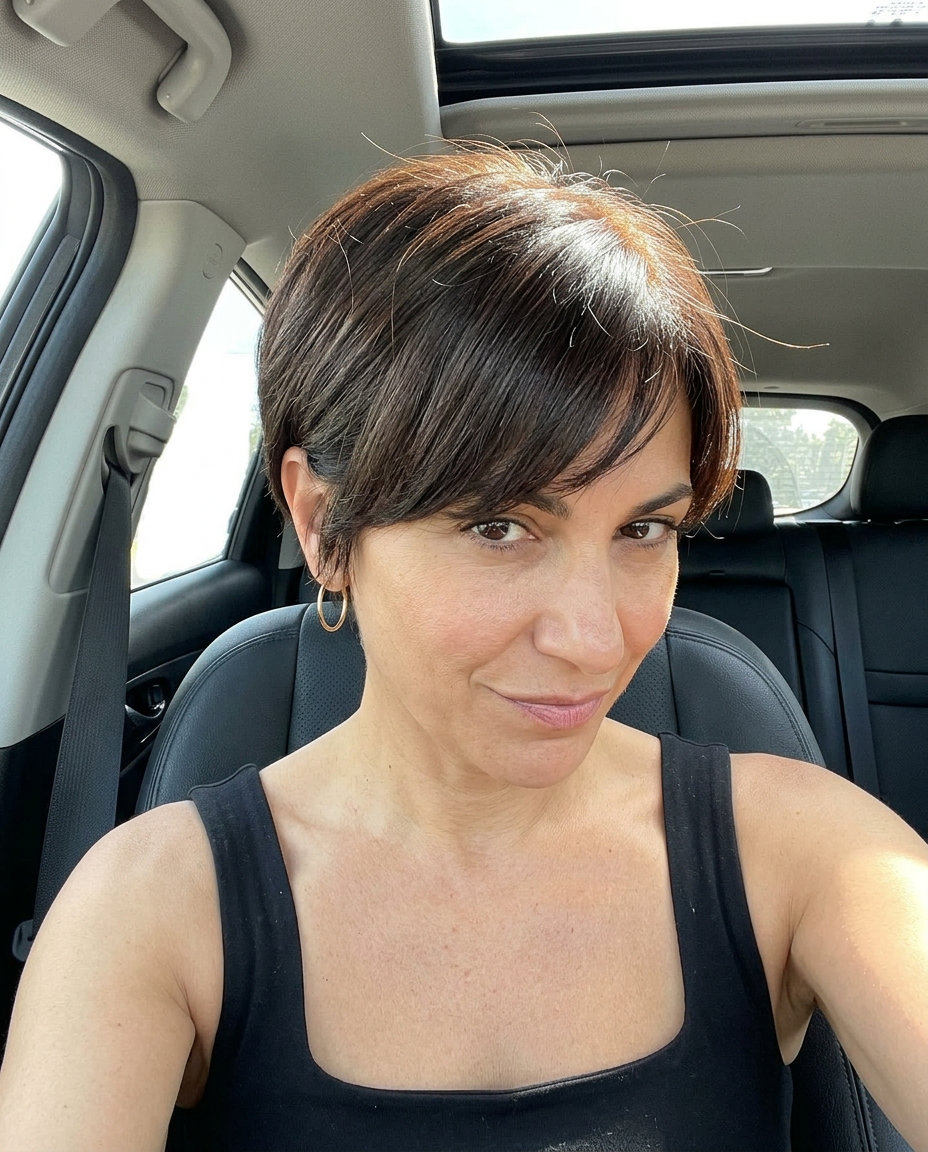
A textured pixie is the minimalist answer to “I want movement without maintenance theater.” Short all over, but point-cut throughout so it’s not a blunt bowl on your head—the texture is key for this look. Straight to slightly wavy hair works best; the technique relies on individual pieces reading distinctly rather than a cohesive mass. Point-cut pixie maintained piecey texture for 3 weeks, requiring daily styling refresh with just fingers and maybe a light paste. That’s real talk: this cut needs daily attention, but the attention takes about three minutes.
Point-cutting throughout creates soft, piecey texture and movement, preventing a helmet-like blunt appearance that makes short hair feel aging instead of intentional. This short pixie requires frequent salon visits, every 4–6 weeks, to maintain its precise shape, so factor that into whether this is actually feasible for your life. Cost is usually $90–130 per cut, plus the frequency adds up, but you’re saving money on color (unless you go platinum, which is a separate conversation). Styling is genuinely simple: wash, maybe blow-dry, use a light texturizing paste or pomade if you want definition. You can sleep on it and it looks better the next day—that’s the texture working for you (yes, the short one). Summer heat is actually an advantage because there’s no weight, no sweat buildup, no styling struggle. This just reads as confidence, or maybe just someone who got tired of managing length. Finally, a pixie that moves.
Still Deciding? Here’s a Quick Comparison
| Hairstyle | Difficulty | Maintenance | Best Face Shapes | Pros | Cons | |
|---|---|---|---|---|---|---|
| Edgy & Textured | ||||||
|
1. The Sun-Kissed Copper Shag | Moderate | High — every 8-10 weeks | round, square | Works on multiple texturesLayers add movementFlattering face-framing | Frequent salon visits needed |
|
8. The Edgy Silver Pixie-Wolf | Moderate | Medium — every 4-6 weeks | diamond, oval, heart | Suits most face shapesWorks on multiple texturesLayers add movement | Not ideal for very curly hair |
|
11. The Effortless Terracotta Shag Lob | Moderate | High — every 8-10 weeks | round, square, heart | Suits most face shapesWorks on multiple texturesLayers add movement | Frequent salon visits needed |
|
12. The Luxe Hydro-Bob | Moderate | Medium — every 6-8 weeks | square, oval, diamond | Suits most face shapesWorks on multiple texturesLayers add movement | Not ideal for very curly hair |
|
14. The Espresso Glass Hydro-Bob | Easy | Medium — every 6-8 weeks | oval, square, diamond | Easy to style at homeSuits most face shapesWorks on multiple textures | Not ideal for very curly hair |
|
23. The Undercut Pixie | Moderate | High — every 3-4 weeks | diamond, oval, heart | Suits most face shapesWorks on multiple texturesLayers add movement | Frequent salon visits needed |
|
24. The Summer Shag with Curtain Bangs | Moderate | Medium — every 8-10 weeks | round, square, oval | Suits most face shapesWorks on multiple texturesLayers add movement | Not ideal for very curly hair |
| Classic & Clean | ||||||
|
2. The Effortless Midi Wave | Easy | Low — every 8-10 weeks | oval, heart, long | Low maintenanceEasy to style at homeSuits most face shapes | Not ideal for very curly hair |
|
5. Glass Hydro-Bob | Moderate | Medium — every 6-8 weeks | oval, square, diamond | Suits most face shapesWorks on multiple texturesLayers add movement | Not ideal for very curly hair |
|
6. The Summer Butterfly Bob | Moderate | Medium — every 8-10 weeks | round, heart, oval | Suits most face shapesWorks on multiple texturesLayers add movement | Not ideal for very curly hair |
|
7. The Polished Blunt Collarbone Cut | Easy | Low — every 6-8 weeks | round, square, oval | Low maintenanceEasy to style at homeSuits most face shapes | Not ideal for very curly hair |
|
10. The Elegant Curtain Bang Midi | Easy | Medium — every 8-10 weeks | long, oval, square | Easy to style at homeSuits most face shapesWorks on multiple textures | Not ideal for very curly hair |
|
13. Sun-Kissed Balayage Long Layers | Moderate | Medium — every 10-12 weeks | All face shapes | Suits most face shapesWorks on multiple texturesLayers add movement | Not ideal for very curly hair |
|
15. The Radiant Platinum Pixie | Moderate | High — every 4-6 weeks | oval, diamond, heart | Suits most face shapesWorks on multiple texturesLayers add movement | Frequent salon visits needed |
|
19. The Sun-Kissed Caramel Midi | Moderate | Medium — every 8-10 weeks | oval, heart, long | Suits most face shapesWorks on multiple texturesLayers add movement | Not ideal for very curly hair |
|
20. The Silver Herringbone Pixie | Salon-only | Medium — every 4-6 weeks | oval, heart, diamond | Suits most face shapesWorks on multiple texturesLayers add movement | Requires professional styling |
|
21. Caramel Balayage Midi | Moderate | Medium — every 8-10 weeks | oval, heart, long | Suits most face shapesWorks on multiple texturesLayers add movement | Not ideal for very curly hair |
|
22. The Chic Ash Blonde Lob | Moderate | Medium — every 8 weeks | oval, long, heart | Suits most face shapesWorks on multiple texturesSubtle sun-kissed effect | Not ideal for very curly hair |
|
25. The Textured French Pixie | Moderate | Medium — every 4-6 weeks | oval, heart, diamond | Suits most face shapesWorks on multiple texturesLayers add movement | Not ideal for very curly hair |
| Soft & Romantic | ||||||
|
4. The Voluminous Italian Bob | Easy | Low — every 8-10 weeks | oval, square, round | Low maintenanceEasy to style at homeSuits most face shapes | Not ideal for very curly hair |
|
16. The Ageless Butterfly Cut | Moderate | High — every 10-12 weeks | round, heart, square | Suits most face shapesWorks on multiple texturesLayers add movement | Frequent salon visits needed |
|
17. Voluminous Long Layers | Moderate | Medium — every 10-12 weeks | All face shapes | Suits most face shapesWorks on multiple texturesLayers add movement | Not ideal for very curly hair |
Frequently Asked Questions
What are the easiest summer haircuts for women over 40 to style at home?
The Effortless Midi Wave and The Voluminous Italian Bob are your lowest-maintenance options. Both rely on internal layering and point-cutting rather than blunt perimeters, which means they air-dry into shape without daily heat styling. The Italian Bob specifically uses razored ends and internal layering to create that lived-in wave—ask your stylist to emphasize softness over sharpness if you’re planning to air-dry most days.
Can I achieve a sleek bob look without daily heat styling in the summer?
The Glass Hydro-Bob requires daily heat styling for that signature sleek, blunt-perimeter finish—it’s a commitment. If you want a polished bob without the daily blow-dry, The Voluminous Italian Bob is designed for exactly that. It uses internal point-cutting to maintain volume and shape even when air-dried, so you get a refined look without the heat tool dependency.
Which summer styles are best for women embracing natural grey or silver hair?
The Silver Power Pixie is specifically cut to showcase natural silver and grey—the tapered sides and undercut create clean lines that make grey read as intentional rather than grown-out. Daily styling is minimal (just matte pomade for texture), but the cut itself requires a skilled stylist who understands how to work with grey hair texture. Ask for a clipper-over-comb technique on the nape to keep it sharp between trims.
How often do I need trims for these summer haircuts?
It depends on the cut structure. Pixies with undercuts (like The Silver Power Pixie and The French Chic Tapered Pixie) need trims every 3–4 weeks to keep the fade sharp. Bobs with blunt perimeters (like The Glass Hydro-Bob) need precision trims every 6–8 weeks. Textured, layered cuts like The Effortless Midi Wave and The Voluminous Italian Bob are more forgiving and can go 8–10 weeks between trims because the layers disguise grow-out.
What products should I use to maintain these cuts in summer humidity?
Start with a sulfate-free shampoo and lightweight conditioner to protect color-treated hair without weighing it down. For styling, volumizing mousse adds root lift without stiffness, and texturizing spray creates grip for second-day hair or enhances natural waves. If you’re working with blonde or silver, purple shampoo neutralizes yellow tones. A heat protectant with UV filters is essential if you’re blow-drying, and a lightweight shine serum controls frizz in humidity without greasiness.
Final Thoughts
So here’s what I learned writing this: summer haircuts for women over 40 in 2026 aren’t about looking younger or trying harder. They’re about recognizing that heat, humidity, and time are actually your collaborators, not your enemies. A pixie that moves in summer air? That’s not effortless—it’s strategic. A bob that air-dries into waves? That’s not luck. That’s a cut designed to work with what you’ve got, not against it.
The confidence you’re reading in these styles isn’t about the haircut itself. It’s about someone who stopped fighting her hair and started asking it what it actually wanted to do. That’s the real shift happening in 2026.