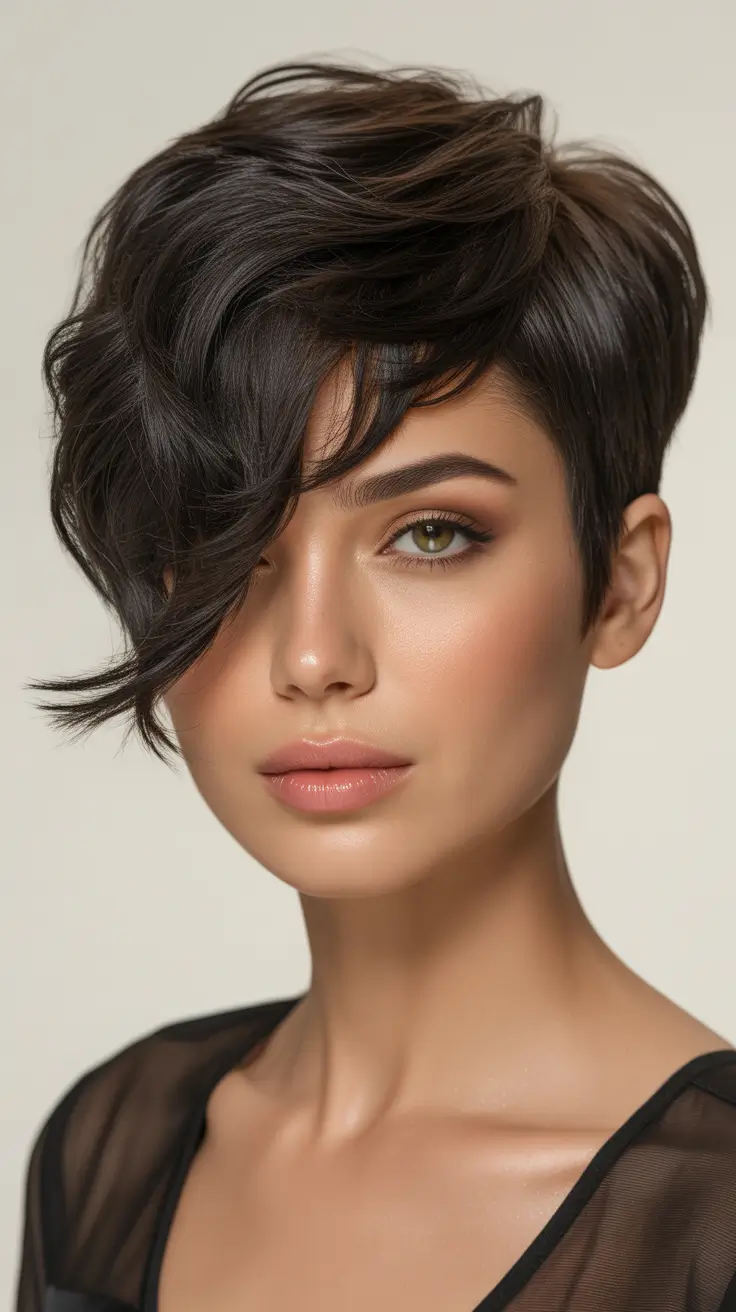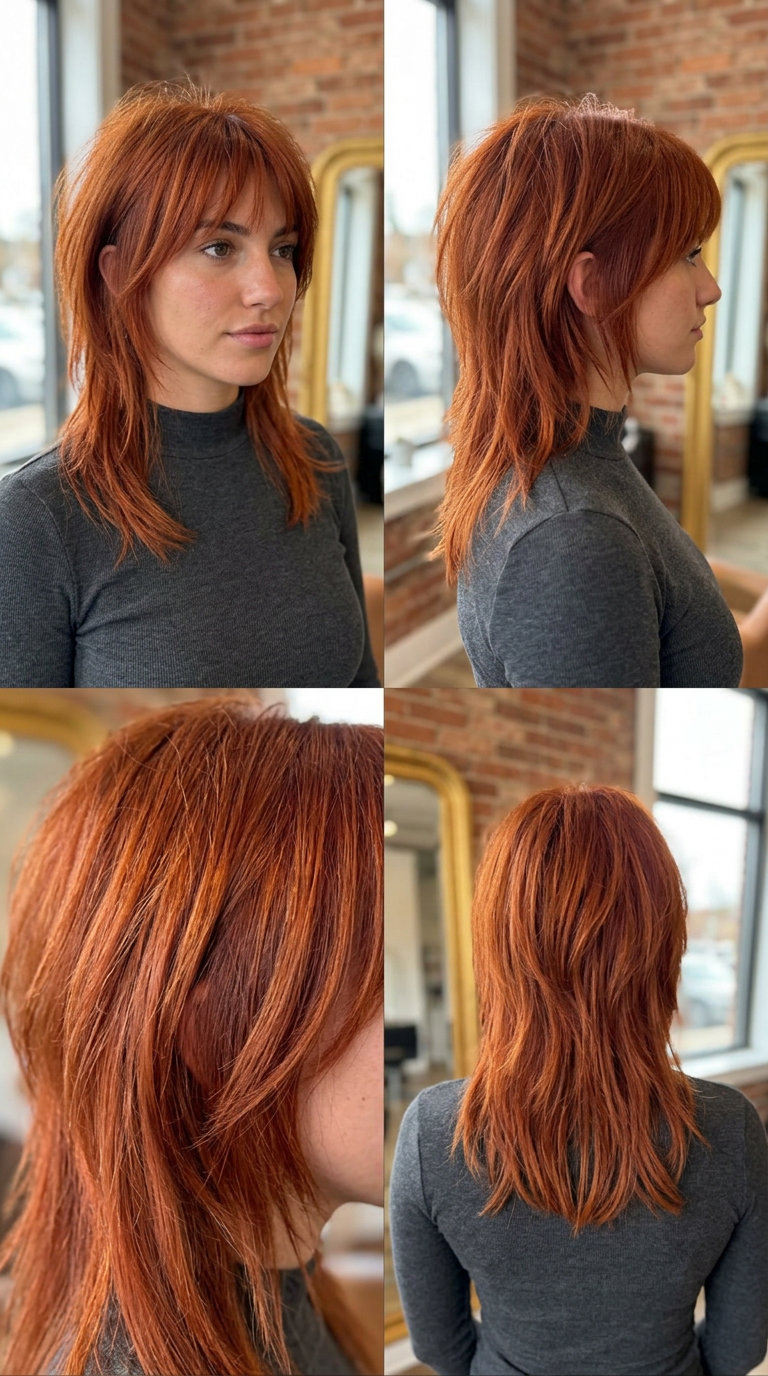
I keep seeing the octopus haircut in the chair next to mine, which is how I know it’s officially a trend. It’s the shag’s less polite cousin, all those choppy layers and that heavier bottom that actually holds shape. I was skeptical. Then I tried it on my fine, flat-by-4 pm hair.
This roundup has 34 versions of the Octopus Haircut 2027, from low-upkeep browns to bold two-tones, so there’s a match for your density, your face shape, and your patience. I’ve tested enough of them to know which ones collapse by dinner and which ones hold till midnight.
Medium Brown Octopus With Textured Ends

The side view is where this cut earns its name: those tentacle-like layers fan out like an actual octopus arm. The medium brown octopus cut hits at the shoulder, with wispy bangs that sweep to the side and soften the forehead. Layers are the whole point here, each one cut so the textured ends flip outward. The texture is wavy and medium density, which holds the flipped shape without going flat by late afternoon. To get those flipped ends, you will spend about fifteen minutes with a flat iron or wand, flipping each section away from the face. A trim every six weeks keeps the layers sharp; skip it and the tentacles lose their definition. This cut rewards commitment, but the side profile alone makes it worth the effort.
Platinum Blonde Shag With Wispy Bangs

Ever wonder how fine hair can pull off a shag this full? The trick is in the cutting technique: the platinum blonde shag haircut uses layers cut deep into the interior, removing weight so the hair springs up from the root. The wispy bangs are point-cut to feather out, never blunt, which keeps them from looking sparse. The shaggy layers hit at the collarbone, with a middle part that balances the volume on both sides. The texture is wavy but fine, which actually helps the shag hold its shape — the layers keep the hair from falling flat. The honest downside? Platinum requires regular toning to keep the brass at bay, and the bangs need a trim every four to six weeks to stay intentional.
Edgy Ash Blonde Layered Bob
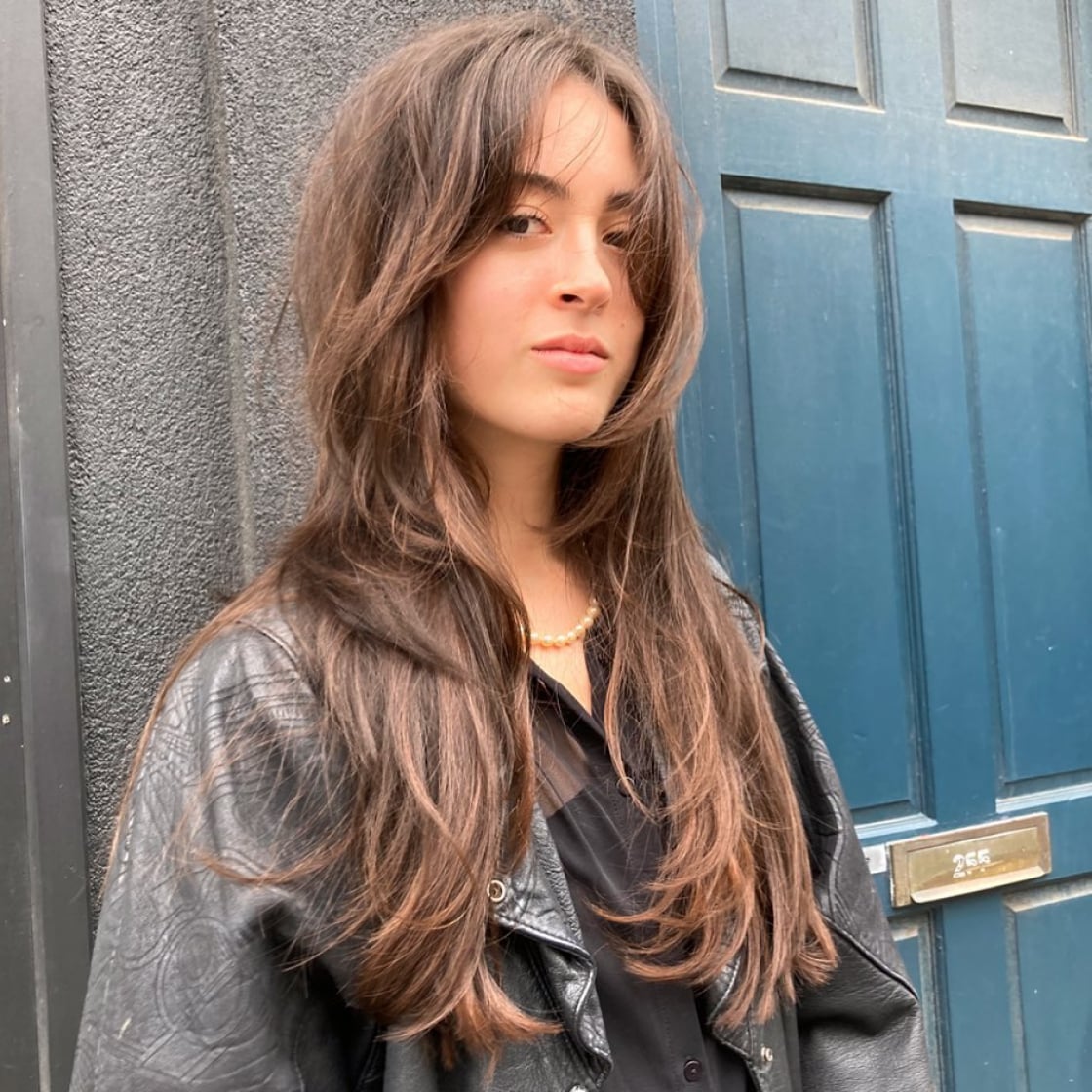
The blunt bob is safe. This is not that. The ash blonde layered bob hits at the chin with disconnected layers that break up the line. No bangs, just a deep side part for asymmetry. The ash blonde tone is cool and flat, which makes the disconnected pieces read even sharper. Texture is straight to wavy, fine to medium, and the blowout uses a texture spray to keep pieces separate. If you want a cut that announces itself, pick this over a soft rounded bob.
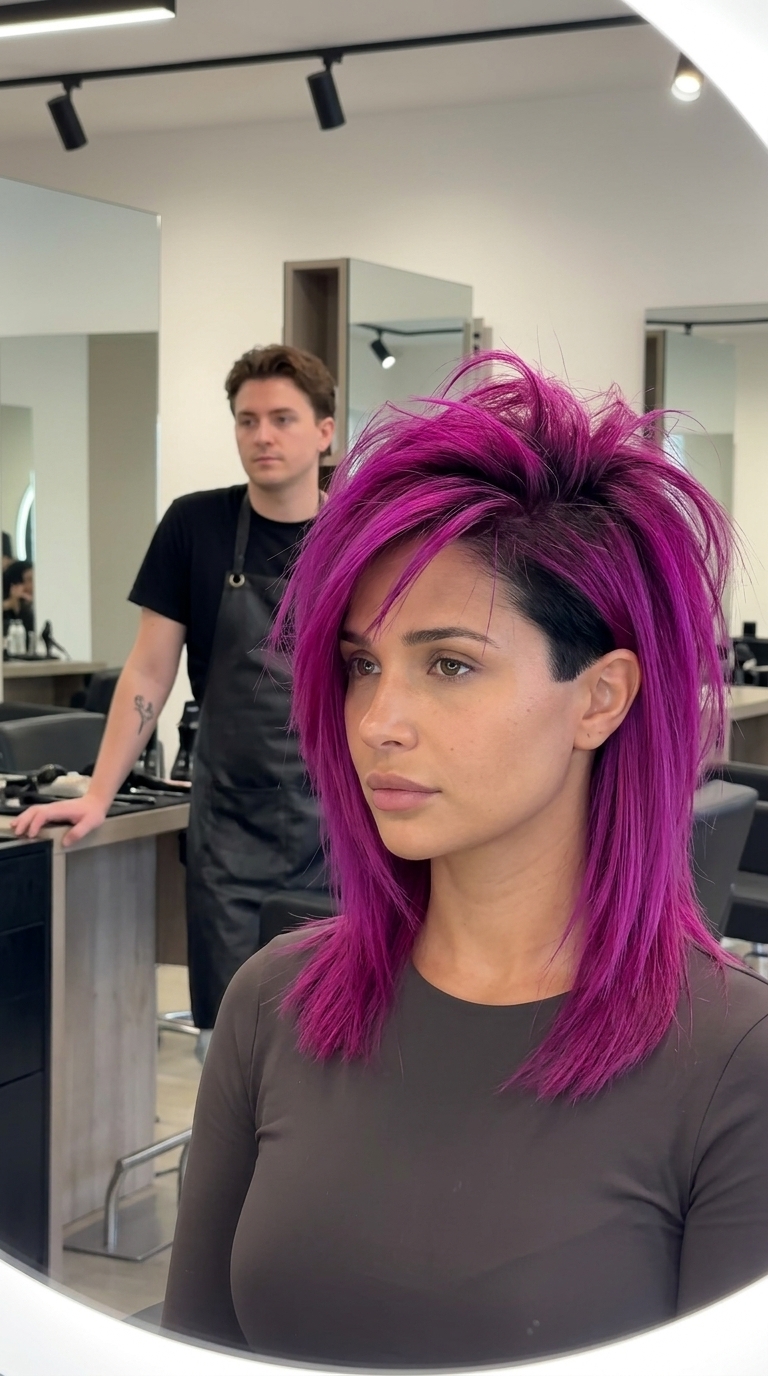
Vibrant Pink Mullet Shag Hybrid

This is not a subtle haircut. The vibrant pink mullet shag hits the shoulder with short, choppy bangs and a back that flares out. The middle part shows the mullet shape: short front, longer back. The texture is wavy and medium density, giving the piecey layers body.
This is the cut you wear to a festival or a summer concert. The pink needs to be bold, and the season has to match the energy. The bangs and textured ends catch the light and move with you. If you want a hair color that doubles as an accessory, this is it.
Collarbone Layered Shag With Curtain Bangs
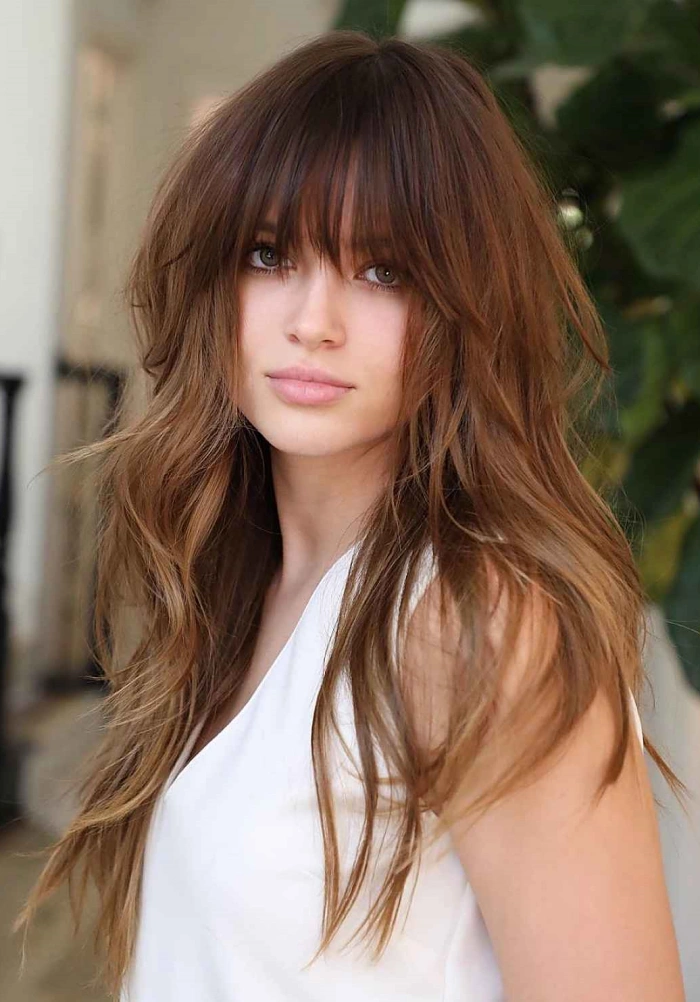
I will admit: the first morning after, the curtain bangs stuck to my forehead for an hour. The layered shag with curtain bangs hits at the collarbone, with caramel highlights woven through the dark brown base. The texture is wavy and thick, which means the choppy layers add movement but can also get a bit messy by day three. The middle part helps the curtain bangs frame the face, but they need a quick blow-dry to sit right. What to ask the stylist: keep the layers textured but not too short near the crown, and cut the curtain bangs so they blend into the sides. This is a cut that looks great on wash day and requires a little coaxing the rest of the time.
Wavy Blowout Shag With Curtain Bangs
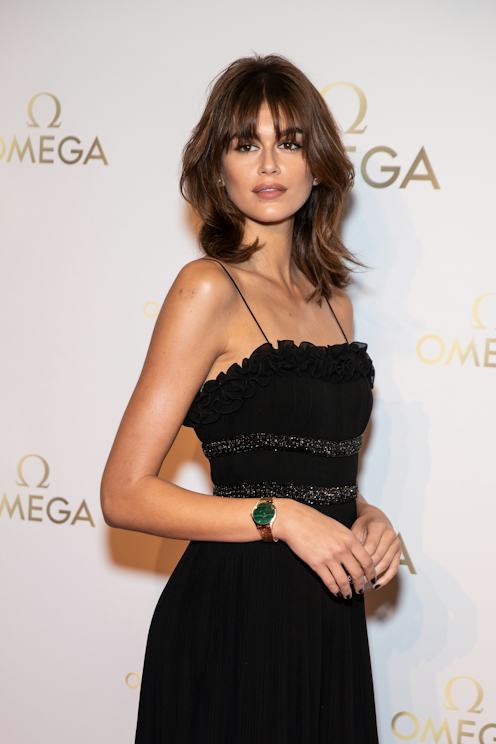
Does your hair go flat by 4 p.m.? A wavy blowout shag with curtain bangs is built for medium-density waves that want to hold shape. The collarbone length, shag layers, and curtain bangs work together to create volume that lasts. The blowout requires a round brush and a texturizing spray for definition. The downside? It takes about 25 minutes, and fine hair might not hold the wave. A trim every eight weeks keeps the layers sharp. This cut suits medium density best; fine hair will need a lighter product touch.
Dramatic Two-Tone Shag Mullet
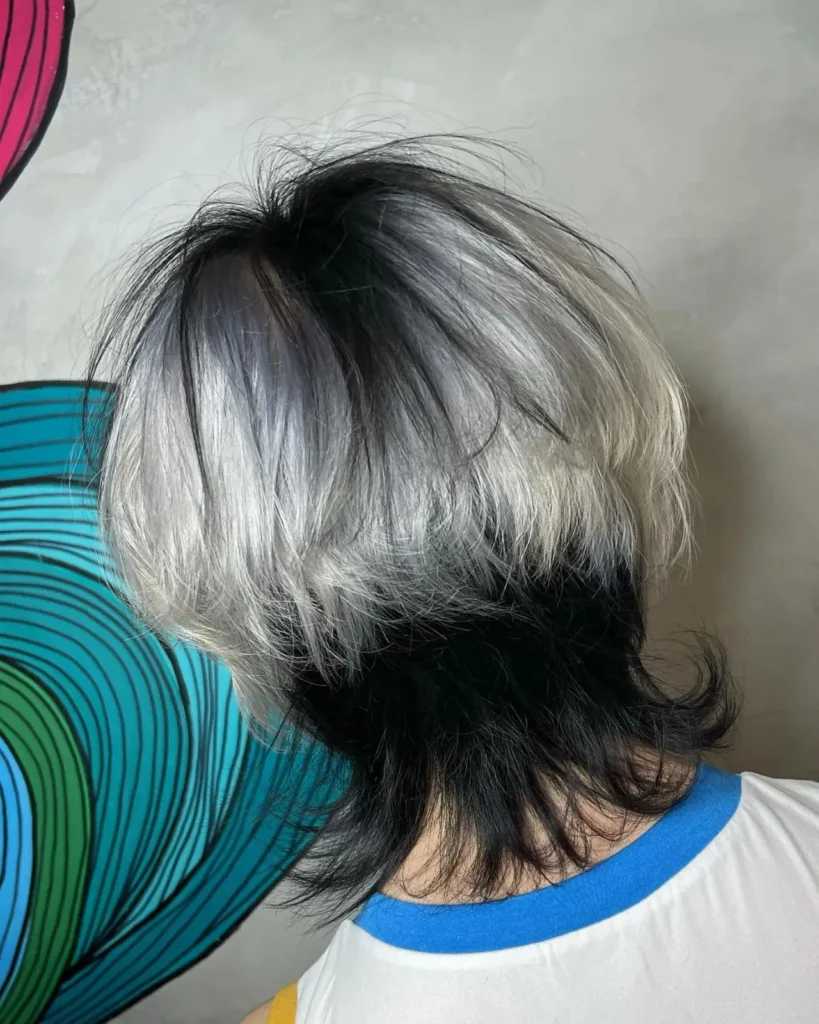
The mistake most people make with a two-tone shag mullet is skipping the consultation. The silver-grey top and black bottom need a precise boundary or they read 2003. This cut uses extreme layering through the mid-back length, with no bangs, on straight, thick texture. The layers are cut to create a defined disconnection between the top and bottom, echoing the octopus form. The straight texture is ideal for showing off the color line; if your hair is curly, the silver may get lost. The result is dramatic and modern.
The catch? This is a salon-only situation. A home bleach job on thick hair will leave you with a muddy line and regret. Book it, discuss the placement, and accept the high color maintenance. Styling is minimal—just piecey ends and about 10 minutes. A professional colorist will know how to blend the silver into the black for a seamless transition. Expect to spend a few hours in the chair for the initial application. Touch-ups for the roots every three to four weeks keep the divide sharp. Color upkeep will need a toning session every four weeks. This is not a low-maintenance look, but the payoff is a head-turning octopus cut.
Chin To Shoulder Ash Blonde Shag With Wispy Bangs

I’ll confess: I got this ash blonde shag layers and wispy bangs thinking it would be low maintenance. The chin-to-shoulder length and shag layers with wispy bangs look effortless when fresh. But by day three, those bangs start separating and need a quick refresh. The wavy, fine texture means the layers hold volume for about two days before going flat. The grow-out phase is real—once the bangs hit the nose, they either need scissors or a pin. This cut thrives on an undone look, but that undone look takes planning. Trims every 6-8 weeks keep the shape, and the wispy bangs need a touch-up every three weeks.
Medium Brown Shag With Full Bangs
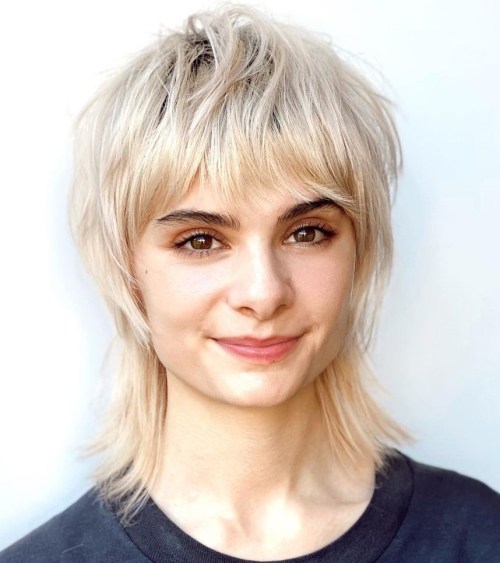
Does your forehead feel exposed? A medium brown shag bangs with full bangs might be your match. This collarbone shag uses layers to add volume, with full bangs that sit straight and dense. It flatters straight, medium-density hair best—thick enough to support the bang weight. The honest downside: those bangs need a trim every three weeks minimum. They also widen a round face, so if your face is round, a curtain bang is kinder. But for oval and heart shapes, this is a strong look.
Reddish-Brown Braided Tribal Style
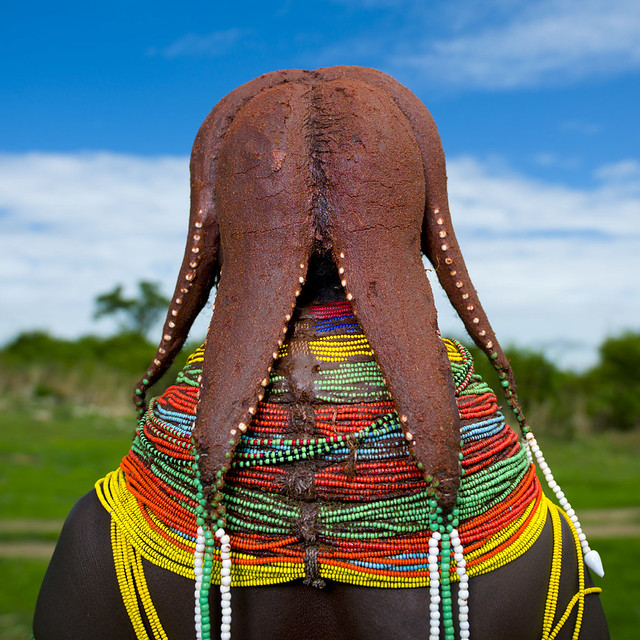
A reddish brown braided style requires a different kind of precision. The tentacle-like braids start from a central split and are built using a feed-in technique, with each braid wrapping around itself to create an octopus-tentacle effect. The base cut is a traditional tribal style, mid-back length, with layers at the nape that taper into the braids. The coiled, textured hair holds the braids securely, and no bangs distract from the structure.
The technique matters: the braids must be sectioned evenly, and each one tapers to a point to mimic a tentacle. This is not a quick style—it’s a session that takes a few hours. The result is a structural, wearable homage to the octopus theme. The layers allow the braids to move naturally without bulk at the ends.
Ash Blonde Shag With Blunt Bangs

The ash blonde shag blunt bangs is the kind of cut that looks complicated but is just a few deliberate moves. I rough-dry the choppy layers with a diffuser, then take a flat iron and bend the ends in alternating directions. The blunt bangs get a quick round brush blast, pulled forward and slightly to the side. A texture spray at the roots gives lift without weight. The shoulder length hits just right for this shape, not too short to lose the wave. And because the texture is fine to medium, the layers don’t get too heavy. Fifteen minutes, and the piecey texture is intact. The trick is not to over-straighten.
Thick Wavy Dark Brown Shag
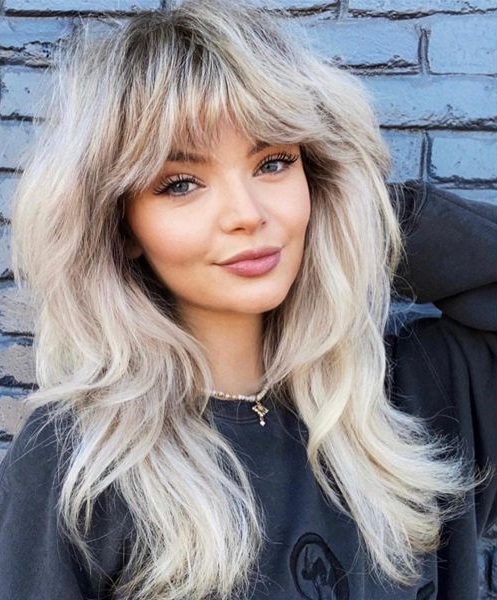
Do you have thick, wavy hair that tends to get heavy by midday? The thick wavy dark brown shag is built for you. The layers are cut to remove weight while keeping the volume, and the wispy bangs soften the forehead without demanding daily styling. The mid-back length gives enough weight to prevent the dreaded triangle shape that shorter shags can get. The texture is the star here: each wave has room to move. It flatters oval and heart-shaped faces because the volume at the crown balances a narrower chin.
The honest downside: this cut amplifies every cowlick and wave, so if you want sleek, skip it. It is not a wash-and-go unless your hair naturally falls in the right direction. And if your hair is fine or straight, the layers will disappear and the volume will fall flat. But for those with thick, wavy hair who want movement without losing length, this is a strong contender.
Black Octopus Cut With Voluminous Top
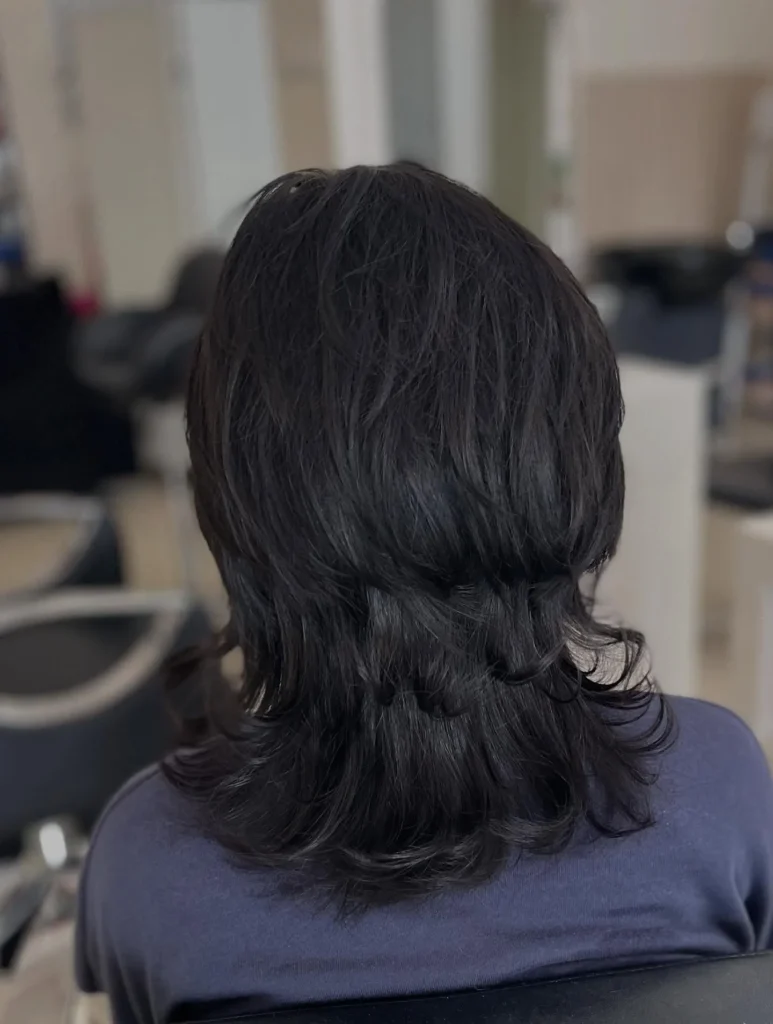
I was skeptical about the octopus shape until I saw the separation in person. The black octopus haircut is not a shag: the top layers are cut short and dense for a voluminous top, while the bottom layers stay long and wispy. The contrast is graphic, not blended. A shag merges layers into one shape; this keeps them distinct. The mid-back length gives the bottom enough weight to swing, and the straight, thick texture holds the line without frizz. No bangs here, just a clean middle part that lets the silhouette speak. It is a cut that looks intentional from every angle.
Black Octopus Shag With Wispy Ends
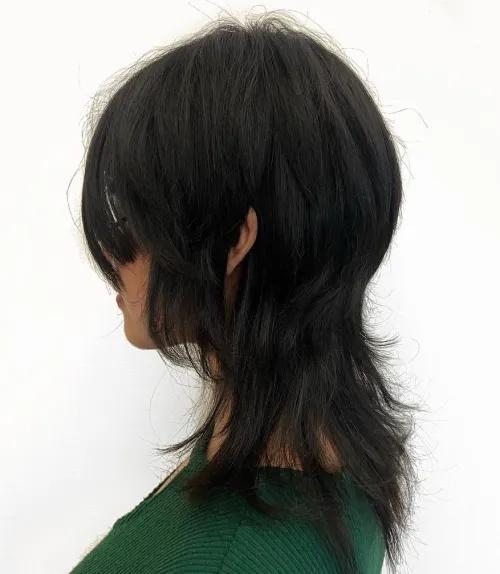
The black octopus shag is a cut that announces itself from across the room, then demands you keep the promise. On my thick, straight hair, those wispy ends don’t happen by accident. I spend about fifteen minutes with a flat iron, twisting sections to create the separated, feathery texture that makes the octopus shape work. The wispy bangs need a trim every three weeks or they lose their airy lift. The length, which falls to mid-back, requires a shape-up every six to eight weeks to stop the layers from blending into one heavy block. A heat protectant is non-negotiable, and I keep a texturizing paste on hand for the ends that refuse to cooperate by day two.
Choppy Bangs On Shaggy Bob
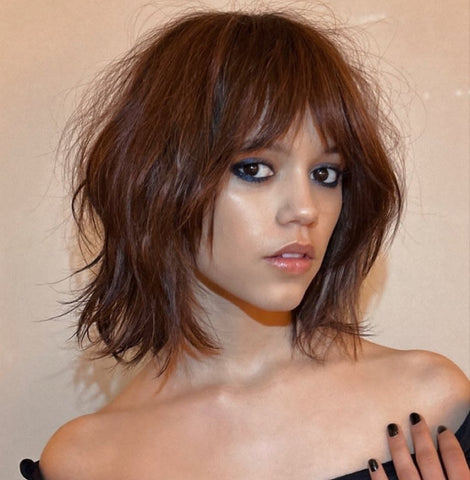
Are choppy bangs the right move for your fine hair? They can be, if your hair has natural wave to grip the texture. The shaggy bob choppy bangs work best on wavy, fine hair that holds a bend without product. The honest downside: fine hair loses the choppy shape fast. Those textured bangs start to look stringy by midweek, and the side part reveals the uneven lengths. You will need frequent trims to keep the shape from collapsing.
Dark Red Shag With Blunt Bangs

This is the color I want for October. The dark red shag blunt bangs lands at collarbone with heavy layers that keep the shape from going flat. The blunt bangs are the anchor: they make the vibrant red gradient read intentional, not accidental. Wavy medium density gives the textured, piecey finish without a ton of effort. Side part lets the lighter red ends catch the light. It’s a relaxed autumn cut that still looks like you planned it.
Dark Brown With Green Yellow Streaks
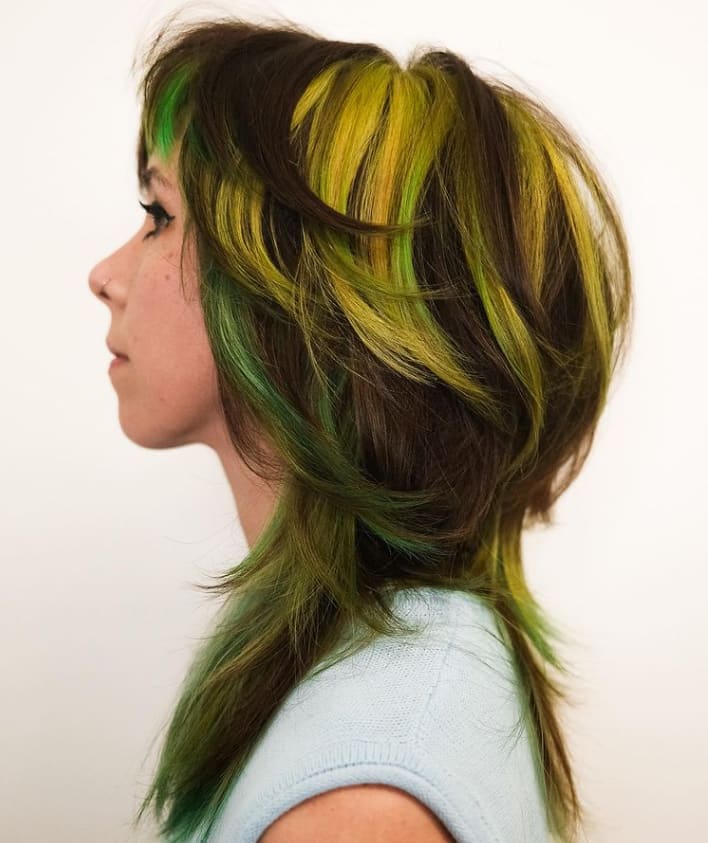
The green yellow streaks shag requires a precise hand. The choppy bangs sit at chin length with disconnected layers that give the piecey texture. Those bold streaks are not a box-dye job: the stylist has to section and foil each streak to keep the dark brown base clean. Middle part and wavy medium density let the contrasting colors breathe. This is a salon-only move, no bathroom mirror involved.
Grey Base With Blue Highlights
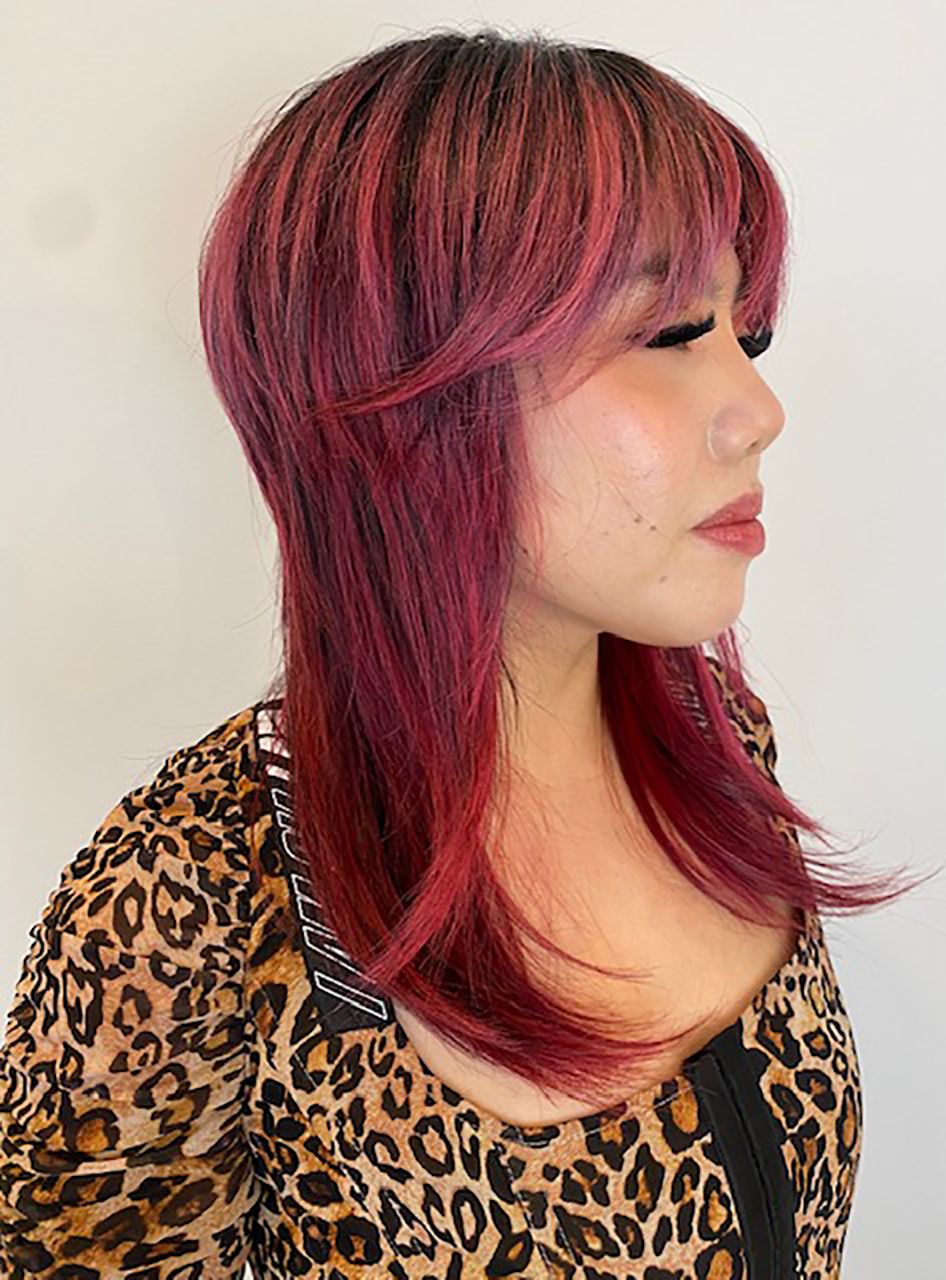
The grey shag blue highlights hold up about as well as any cool tone does: the grey needs a purple shampoo every third wash, and the blue fades to teal by week four. Wispy bangs are forgiving on fine to medium density. Straight texture with disconnected layers keeps the shape from collapsing. Ask your stylist for a grey base with bright blue accent pieces, and book a toning appointment at four weeks.
Dark Brown Shag With Octopus Silhouette
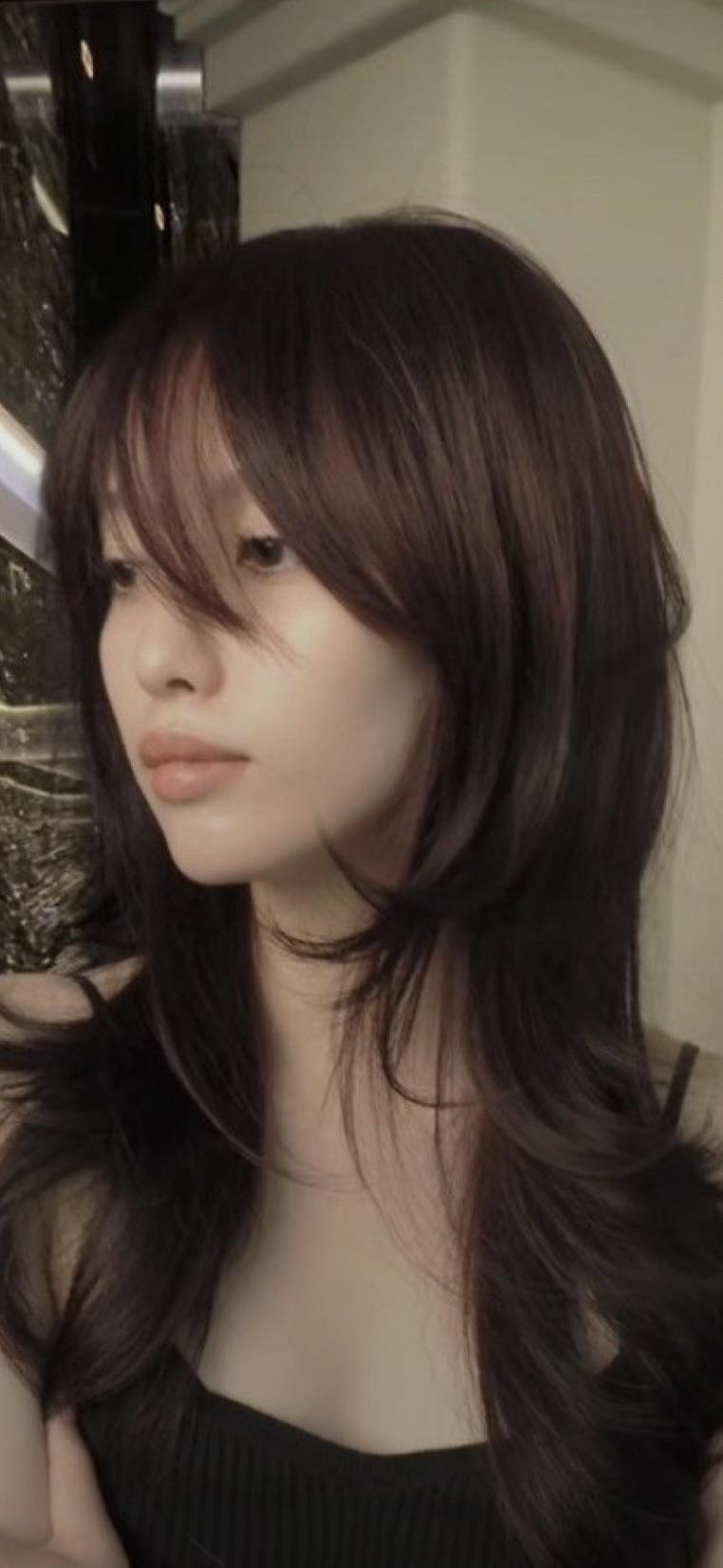
Who actually looks good in an octopus silhouette shag? Curtain bangs and collarbone length with disconnected longer pieces work best on medium density hair that holds a wave. The loose waves give the octopus shape its movement. Honest downside: the grow-out is awkward. Those longer wispy sections start looking stringy at week ten, and the layers lose their definition. A trim every eight weeks keeps the silhouette intact.
Dark Brown Octopus Back View
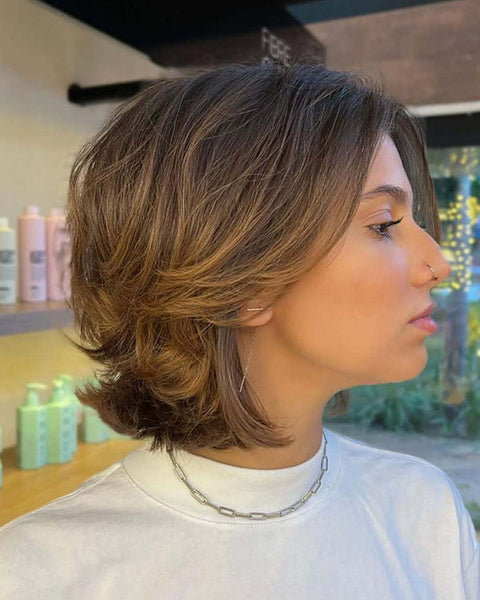
The octopus cut back view is where the difference shows. A standard shag has even layers that stack. This one uses disconnected layers that drop like tentacles, longer at the bottom and shorter near the crown. No bangs, middle part, straight thick texture with volume at the ends. The auburn undertones catch the light in the longer pieces.
Compared to a mullet, the octopus cut is less extreme. The mullet shortens the front and leaves the back long. This keeps the length consistent from front to back, just with those disconnected layers creating the shape. The back view makes the technique obvious.
Platinum Blonde Shag With Face-Framing Layers
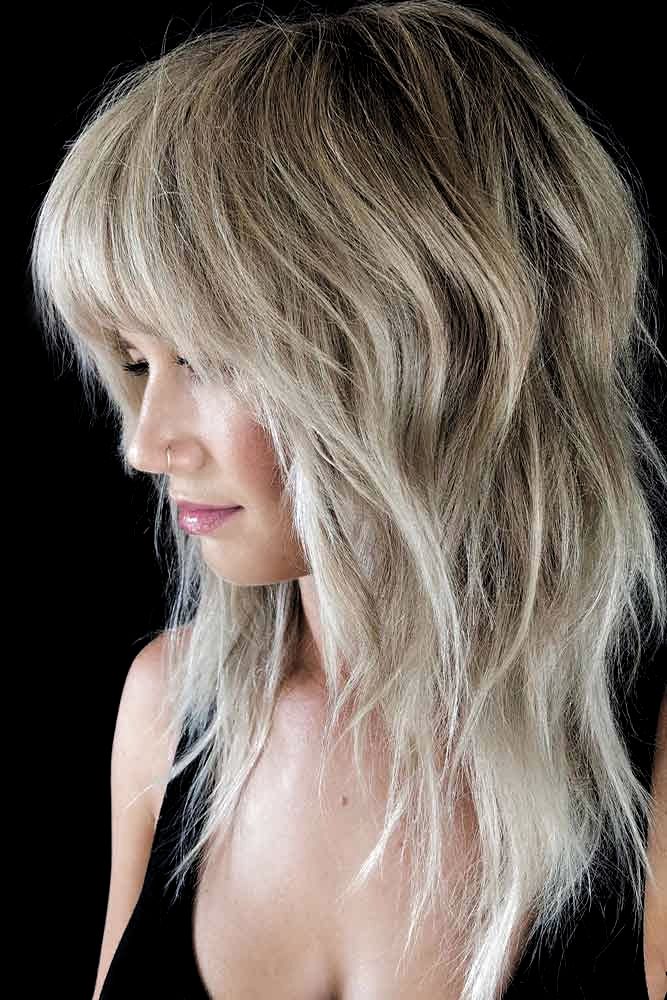
I have a confession: the grow-out on this platinum blonde shag layers hit me faster than I expected. Those darker roots you see? They are not a style choice at first, they are just reality. But the face-framing layers make it worth it, pulling the light toward your cheekbones and softening the regrowth line for about two extra weeks. The collarbone length means the ends stay visible and the wispy bangs blend right into the side part. Honest downside: that platinum demands a purple shampoo twice a week, or it shifts toward yellow by week three. Fine hair holds the texture better because the layers don’t get heavy. This is a salon-only cut, no getting around the precise graduation.
Bowl Cut With Blue Purple Tendrils

My gut says this one is either genius or a regret waiting to happen. The bowl cut blue purple tendrils create a sharp contrast: a straight, blunt top that is almost severe, then long, wavy tendrils in blue and purple that break every rule.
- Styling the top section: a flat iron on low heat to keep the bowl shape precise.
- The tendrils need a curling wand, wrapped away from the face, then separated with fingers.
- Salon verdict: the blunt top is not a DIY job, the tendrils can be maintained at home with practice.
- Color refresh every four weeks because the purple fades fast.
- Texture spray on the tendrils only, never on the bowl.
That contrast is the whole point, and it takes about 30 minutes to recreate.
Dark Brown Layered Shag For Volume
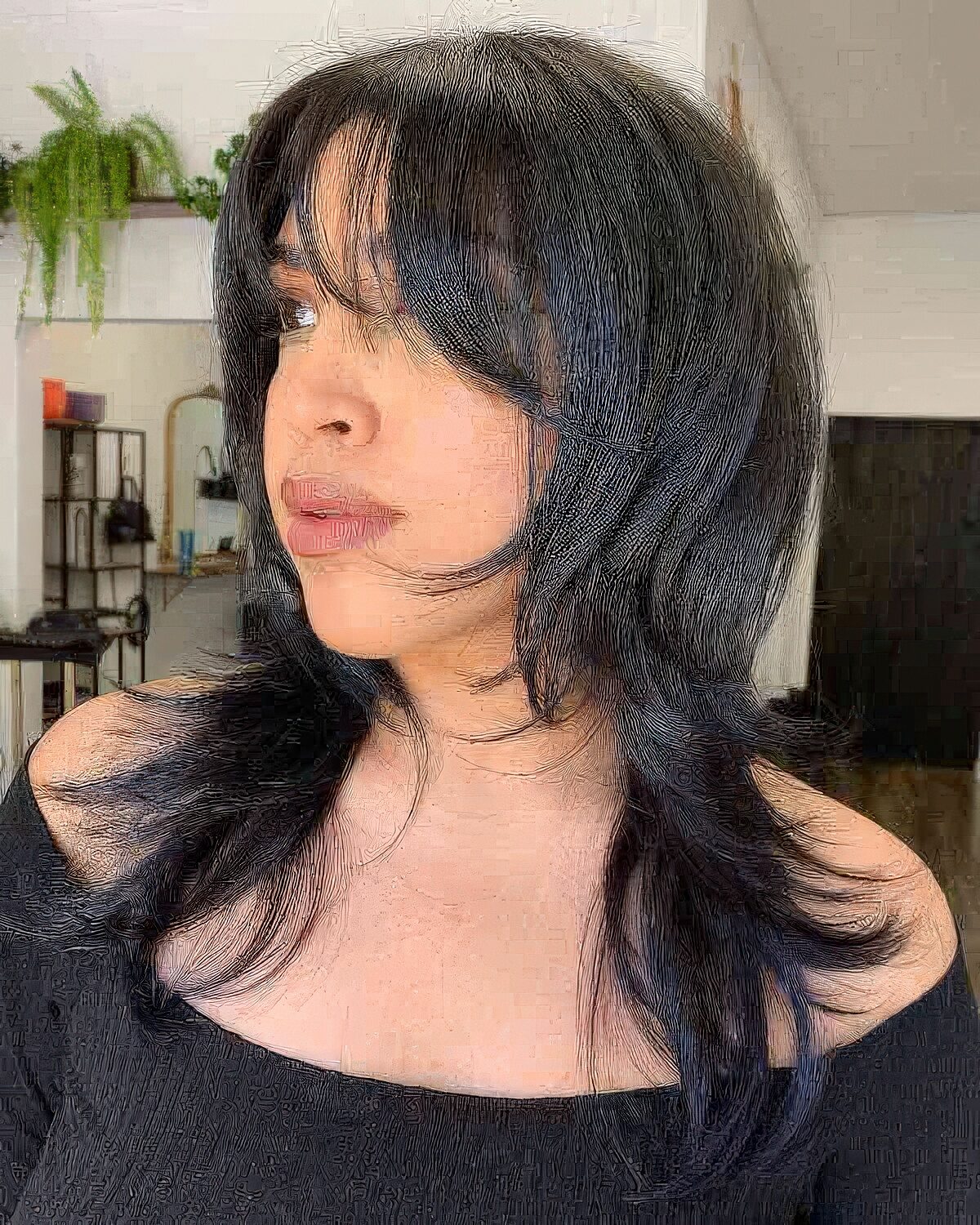
Have you ever stared at your thick, straight hair and wondered why it still lies flat by lunch? That is exactly who this layered shag volume was made for. The distinct layers are carved into the interior, not just the ends, so the hair lifts at the crown without needing a curling iron. Dark brown keeps the line clean and lets the shape do the talking.
The honest downside: if your hair is anything but thick and straight, this cut can turn into an unruly triangle. On dense hair, the collarbone length with middle part and soft waves actually holds volume for a full day. But you have to commit to those layers being visible, because once they grow past two inches, the whole silhouette dulls. A trim every eight weeks keeps the lift.
Ash Blonde Shag With Dark Contrast
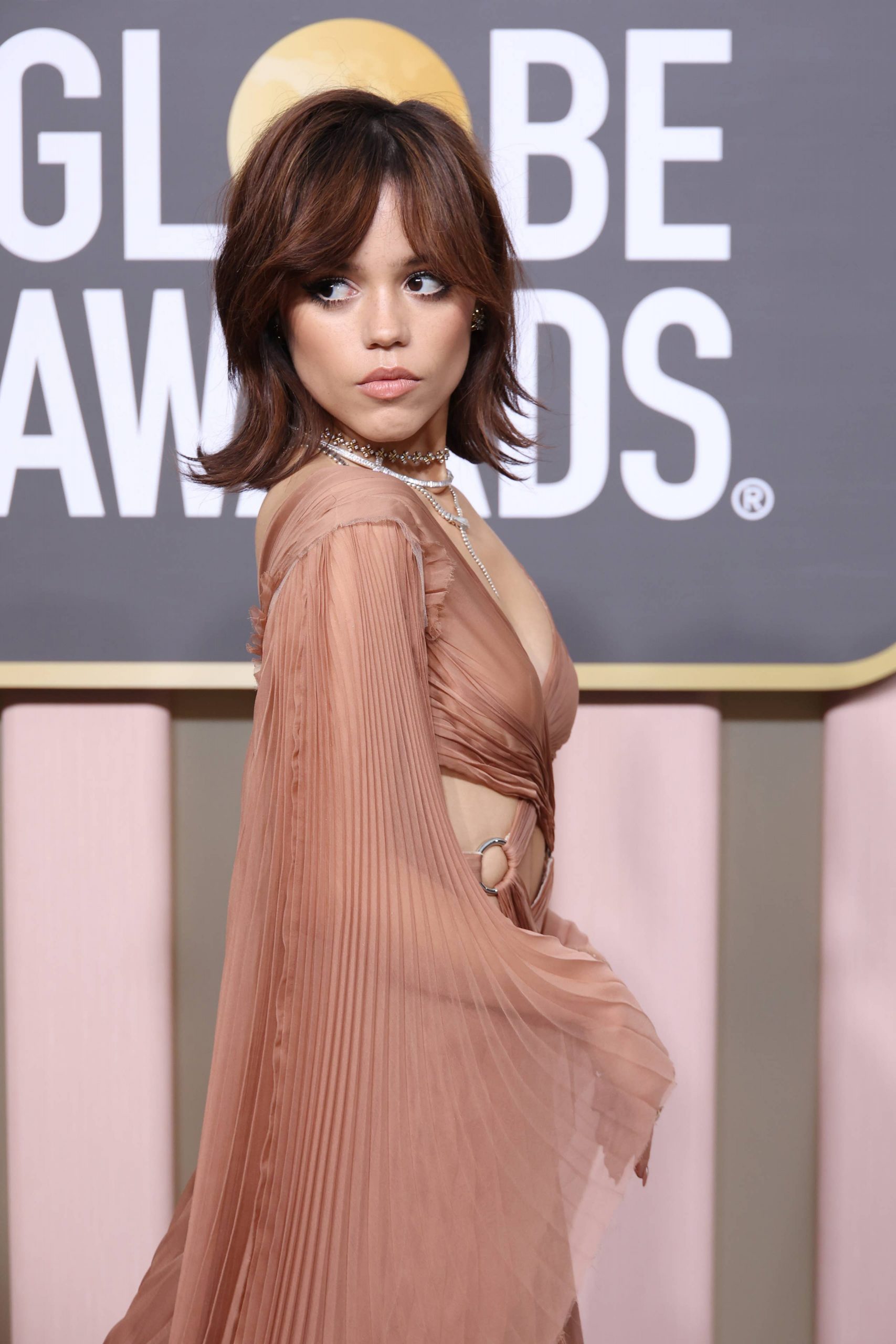
Verdict: this ash blonde shag contrast works best when you commit to the tousle. The dark undertones at the root keep the blonde from washing you out, and the choppy bangs add an edge that a soft sweep would lose. But maintaining that textured and tousled look takes effort. By day three, the wave patterns start to drop, and the ash tone can drift brassy if you skip a purple shampoo cycle. A quick refresh with a texturizing spray and a few minutes of finger-combing restores the shape, but do not expect it to hold after a humid commute. The chop is precise enough that a salon cut is non-negotiable, and the color placement needs a skilled hand to keep that shadow root seamless.
Black Shag With Blunt Choppy Bangs
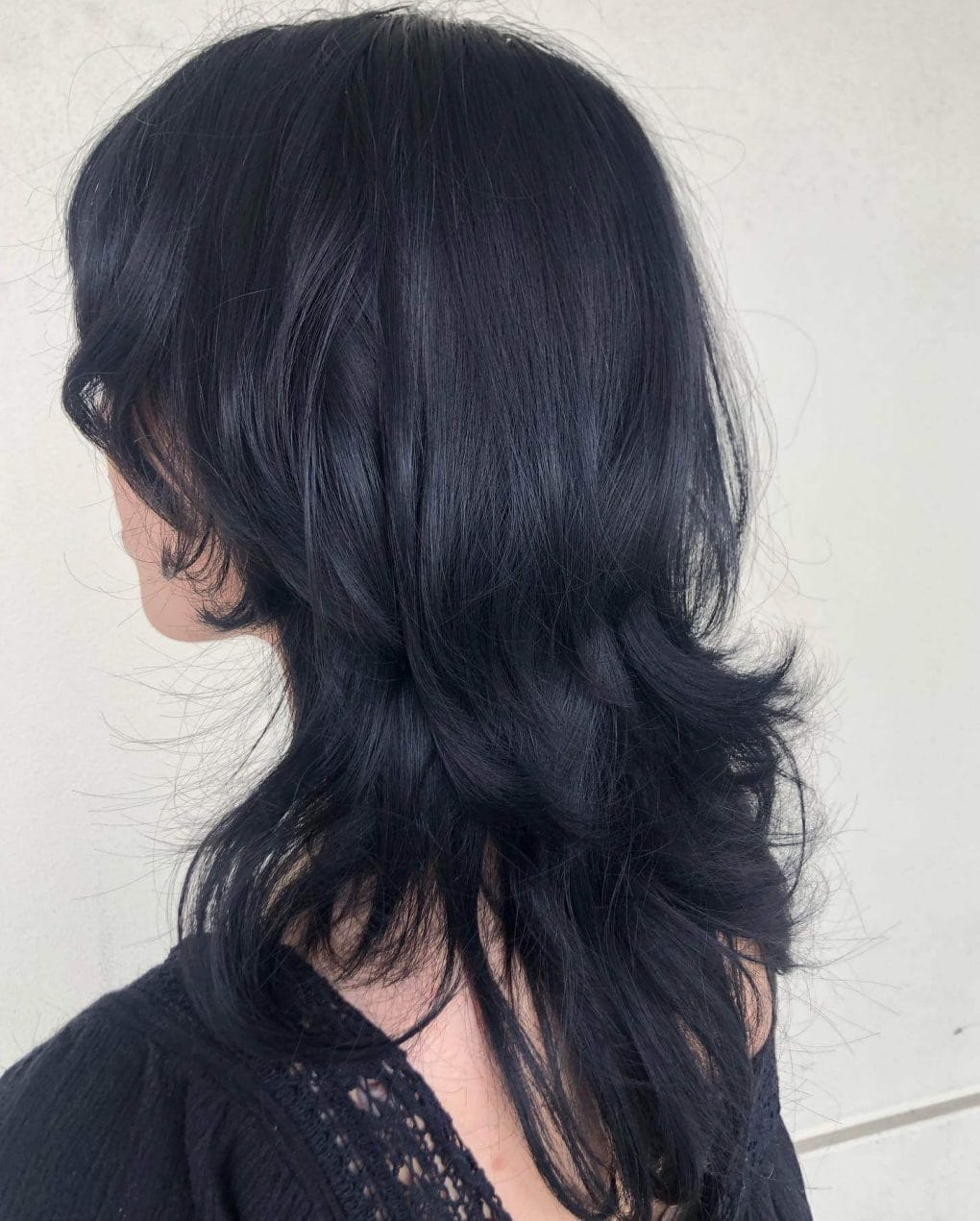
Here is the precise observation: black shag blunt choppy bangs look effortlessly undone only when the texture is right, not when the bangs are cut straight across at home. The blunt line demands a clean, level hand, and the choppy layers in the shag need to be carved, not hacked. Most people make the mistake of letting the bangs sit too flat against the forehead, which turns the whole look into a helmet. The fix is piecey styling: a dab of texturizer on the ends and a quick ruffle with your fingers breaks up that line. This is a salon-first cut, no question, because the bang angle determines whether the mullet variation reads intentional or accidental.
Dark Brown Shag With Voluminous Layers
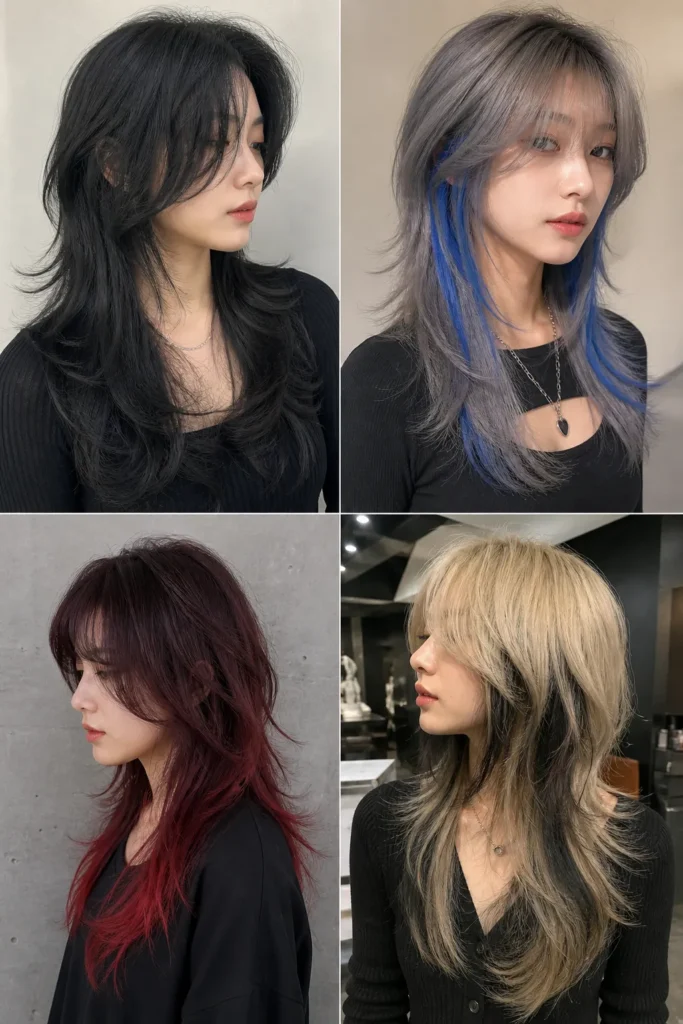
Can medium density hair really hold a voluminous layers shag without a full can of dry shampoo? I have asked this myself, staring at my 4 pm flatness. This cut, with its collarbone length and loose waves, relies on the curtain bangs and layered shape to create the illusion of thickness. The wavy texture helps, but the honest downside is the daily styling commitment. Those voluminous layers require a round brush and some patience to lift at the roots. It is not a wash-and-go situation. The payoff is a cut that moves and looks intentionally undone. Just know that the volume is a 20-minute styling job, not a haircut miracle. The trim every eight weeks keeps the layers from growing heavy and collapsing the shape.
Shaggy Lob With Octopus Elements
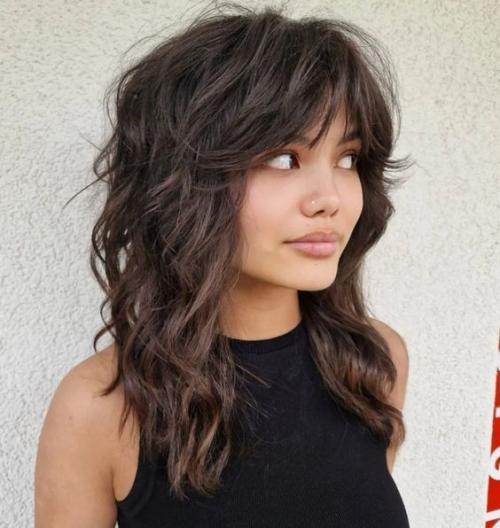
The first time I saw a shaggy lob octopus elements cut I did not get it. Then I watched how the heavy, choppy bangs sit against the textured, piecey ends. The technique is in the disconnect. The stylist keeps the lob base just above the shoulder, then carves out those octopus-like tendrils underneath. The wavy, thick texture gives the layers something to grip. The choppy bangs are cut short enough to read as deliberate, not accidental. It is a structural haircut, not a styling trick.
Dark Brown Shag With Face-Framing Bangs
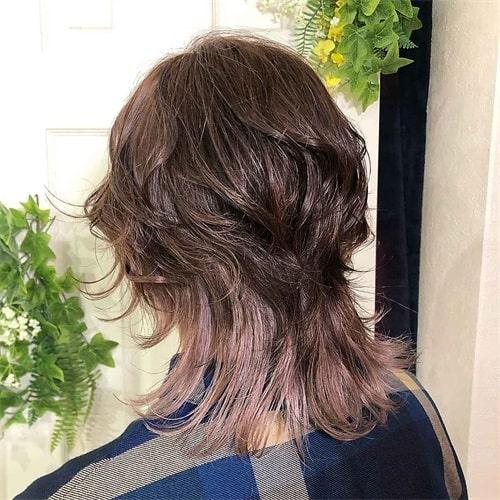
The difference between this dark brown shag face-framing cut and a standard shag is the air dried volume. The distinct layers and curtain bangs are cut to fall forward, so when you scrunch in a texturizing cream and let it dry, the shape is already there. No round brush required. The wear is where the cost shows. The face-framing bangs will hit your eyes at week three. The collarbone layers grow heavy by week six. A trim every eight weeks keeps the air dried volume from turning into a triangle. The subtle lighter brown highlights add depth, so the layers read as texture, not just bulk.
Dark Brown Octopus With Full Bangs
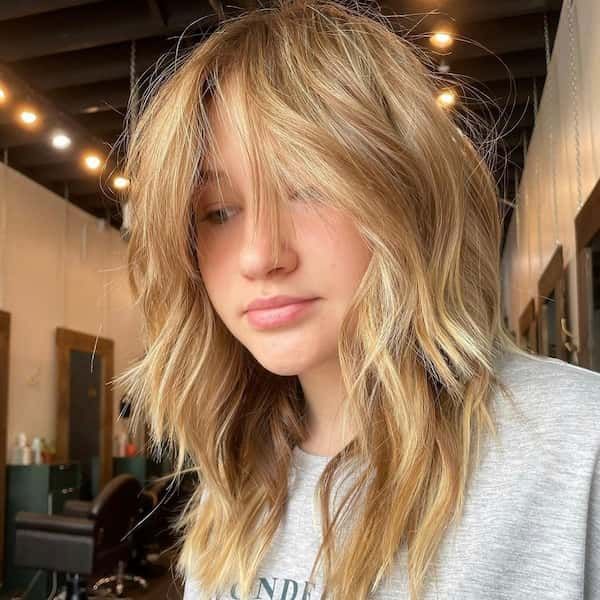
I’ll admit it: full bangs on wavy, medium-density hair are a gamble. This octopus haircut full bangs variation tries to make it work with textured layers that add movement, but the reality is that full bangs require daily styling. The shoulder length and wavy texture mean the bangs can curl in unpredictable ways, especially in humidity. I’ve tried letting them air dry, but they always end up too curly or too flat. A quick blow-dry with a round brush is the only way to get them to behave. The honest downside: you will be fighting cowlicks and waves every morning. The layers in the back give the cut its octopus shape, fanning out from the crown, but the bangs are the star that demands constant attention.
Copper Blonde Shag With Curtain Bangs
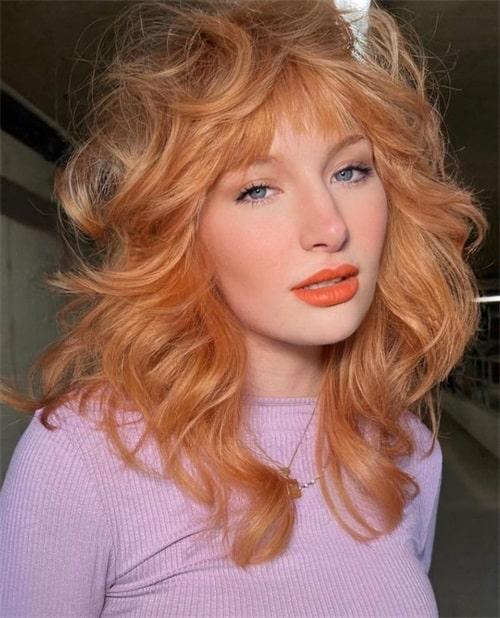
What makes a copper blonde shag feel so summery? It’s the way the wavy blowout catches the light, the curtain bangs softening the face, and the collarbone length that doesn’t cling to the neck. The technique behind this cut is all about layering to enhance the copper tones, with the curtain bangs blending into the rest of the shag. The copper blonde shade itself is a statement, and the shag layers ensure it doesn’t fall flat. I’ve seen this cut work best on wavy medium-density hair that can hold the blowout shape. This is a cut for warm weather, when you want your hair to move and shine without effort.
Ash Blonde Shag With Darker Roots
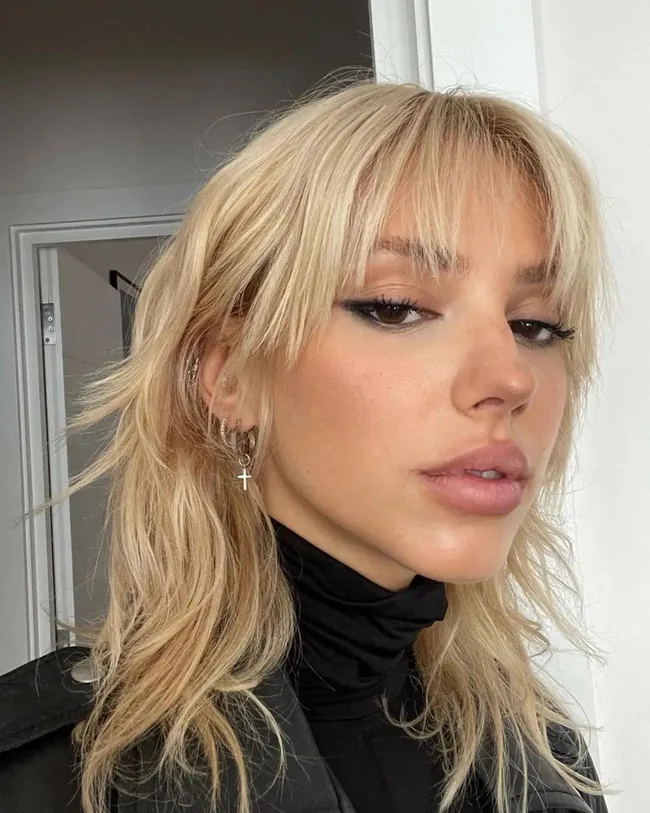
This ash blonde shag darker roots wins over a root shadow because the contrast is deliberate, not an accident. The heavy wispy bangs hit the brow and the disconnected layers land at collarbone, so the whole thing reads intentional. A root shadow fades into a blur; this keeps a hard line that actually buys you an extra week between touch-ups. The cut itself is a salon job — those blunt bangs and the layered ends need a stylist who understands disconnection, not a bathroom mirror and a prayer.
Dark Brown With Blonde Highlights Shag

I wanted to love this dark brown blonde highlights shag, but the upkeep gave me pause. The textured layers are the highlight — literally — with blonde pieces catching light through the collarbone length. But those highlights demand a toner visit every four weeks or they go brassy, and the shag layers show split ends fast because the cut relies on razor-sharp ends. The curtain bangs soften the face, sure. Just know that this look needs a standing appointment, not a one-time whim.
Dark Brown Shag With Wispy Bangs
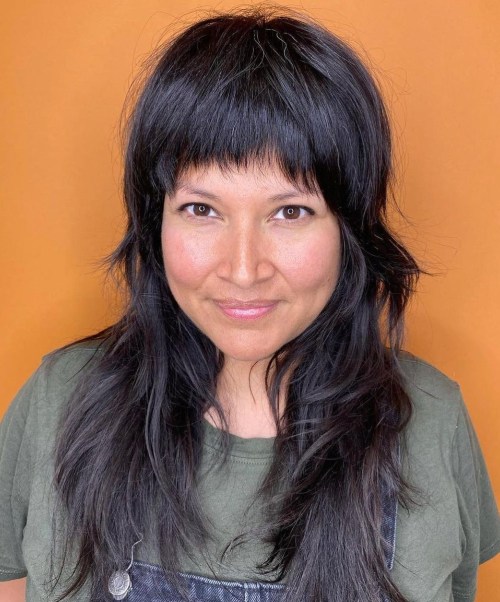
The wispy bangs here are doing the heavy lifting — they break up the dark brown shag wispy bangs into something airy. The choppy layers add movement through the shoulder-to-collarbone length, and the middle part keeps it from feeling heavy. Honest downside: fine hair struggles to hold those choppy layers without a texturizing spray, and the wispy bangs need a trim every three weeks or they turn into regular bangs.
Dark Brown Mullet Shag With Soft Bangs
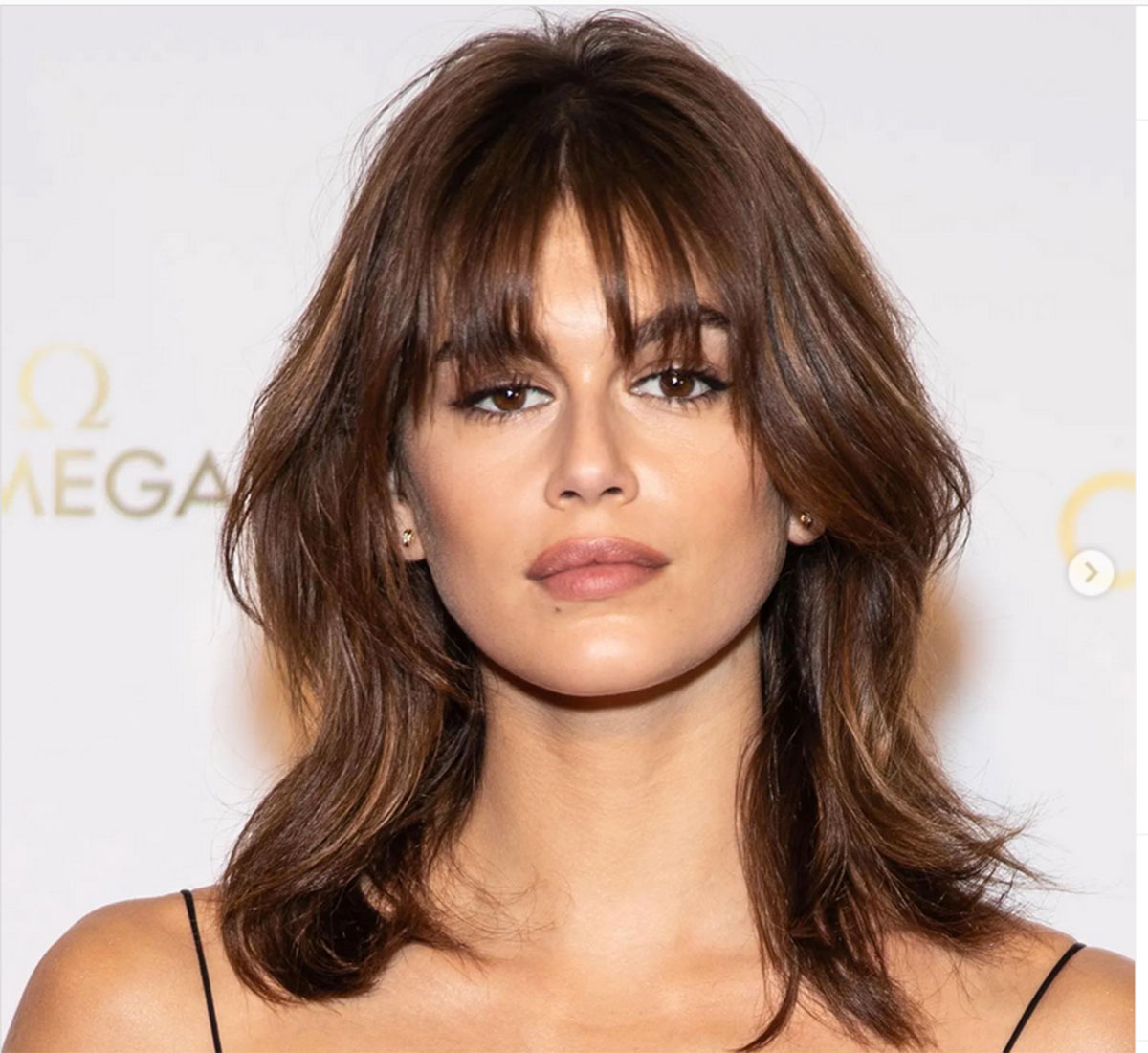
How do you get those soft waves without losing the mullet shape? The trick is a blowout that respects the layers. Start with damp hair, use a round brush to curl the ends away from your face, and focus heat on the top sections — the shorter mullet layers need lift, not curl. A texturizing spray at the roots keeps the shape from collapsing.
- Length: collarbone, with shorter mullet layers on top
- Shape: mullet shag with face-framing bangs
- Texture: soft waves from a round-brush blowout
- Styling: texturizing spray for root lift
- Ask your stylist: keep the mullet shape but soften the ends
The result is a mullet shag soft bangs that reads polished, not punk. The face-framing bangs blend into the layers so the grow-out stays graceful.
Final Thoughts
After writing all of these, I keep coming back to the same thought: the octopus cut is just a shag that learned to hold its own. I didn’t expect to recommend a middle part, but here we are. And the one I’m actually booking next is the dark brown shag with full bangs, because my fine hair needs all the help it can get. It’s the grow-out-friendly cut I didn’t know I needed.