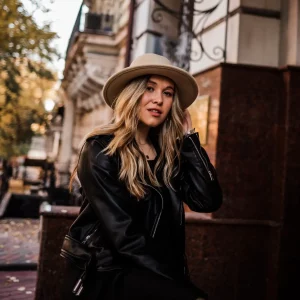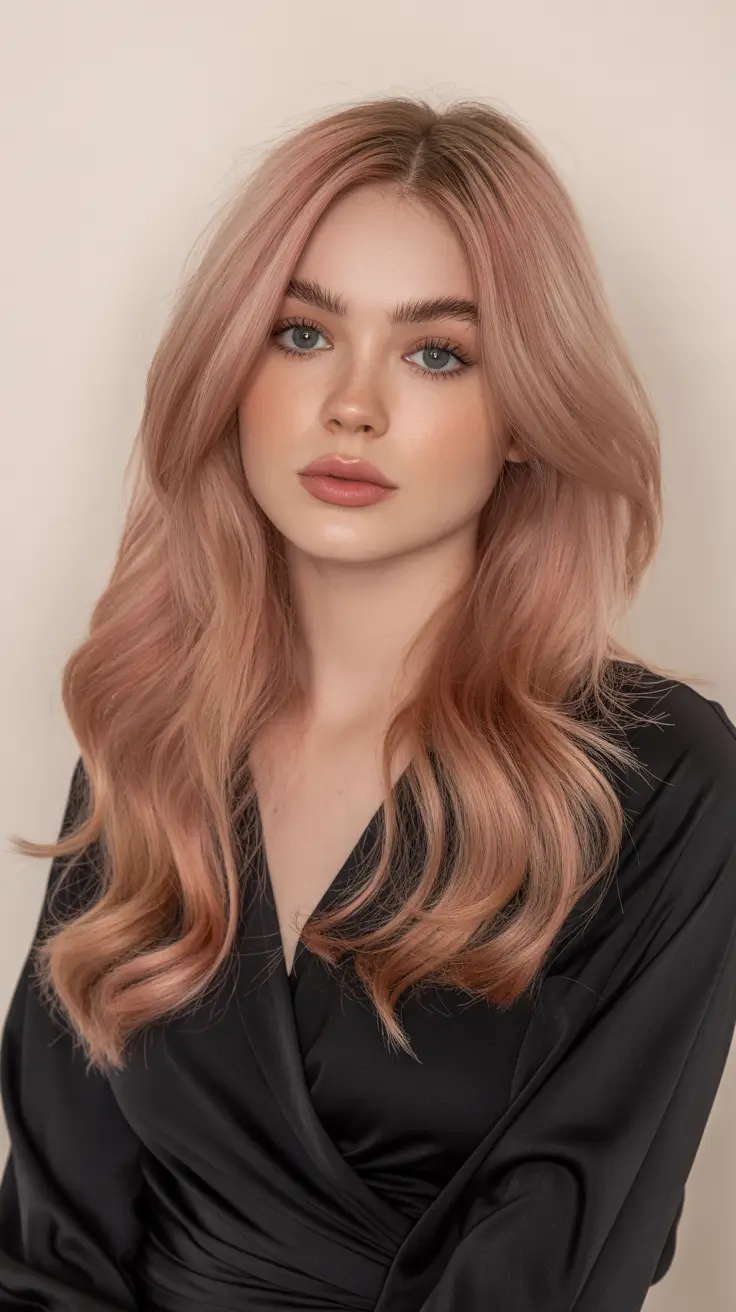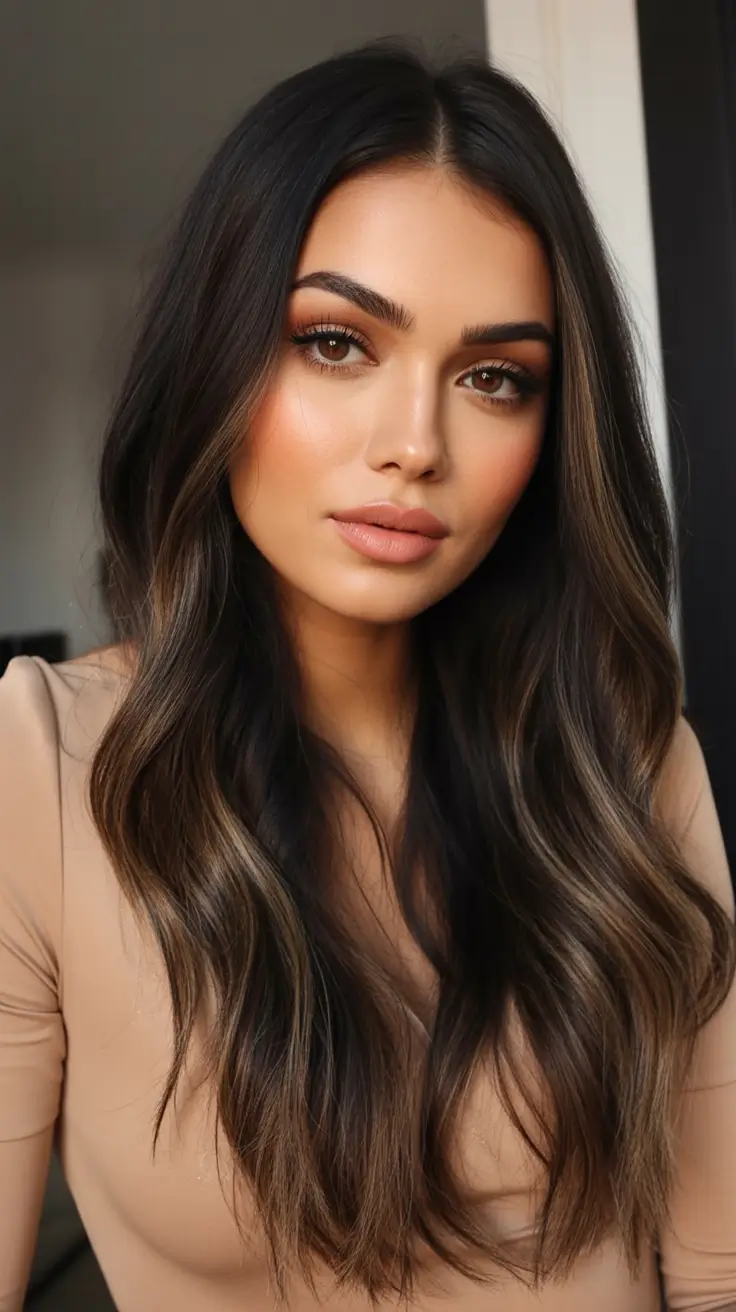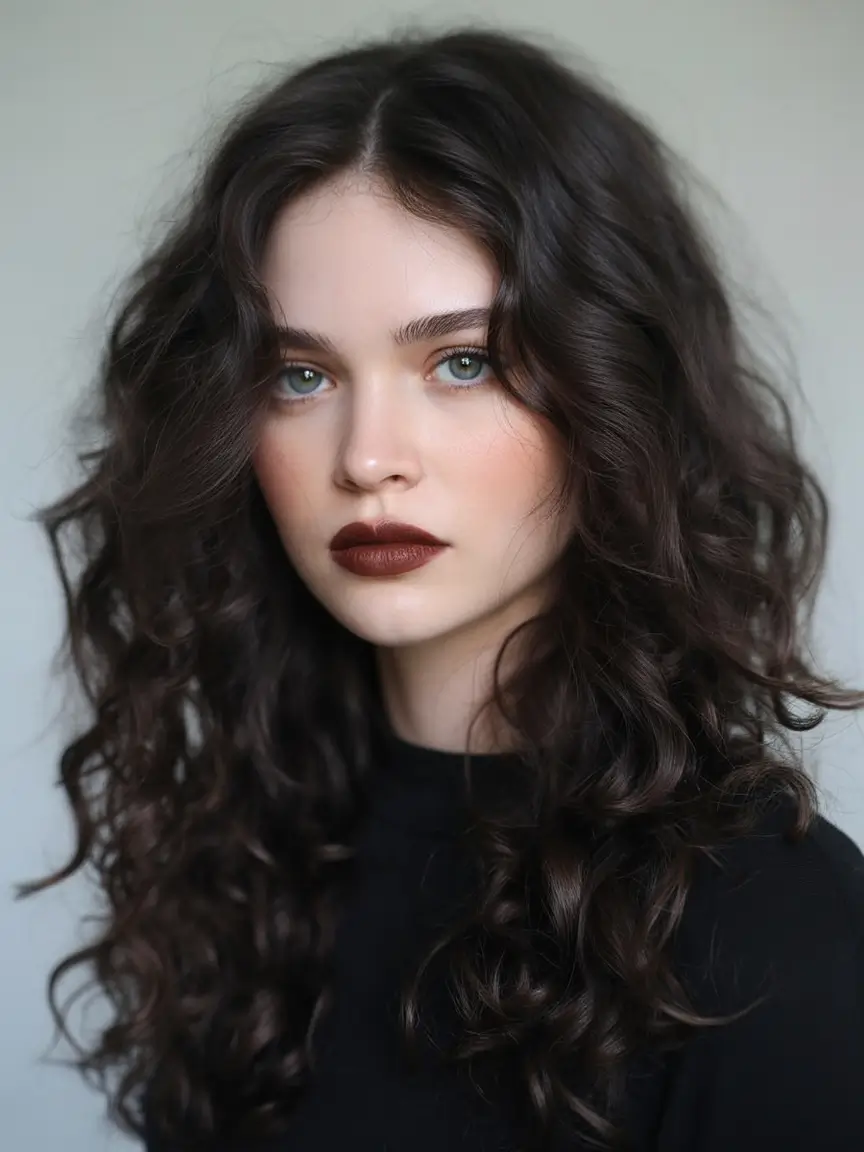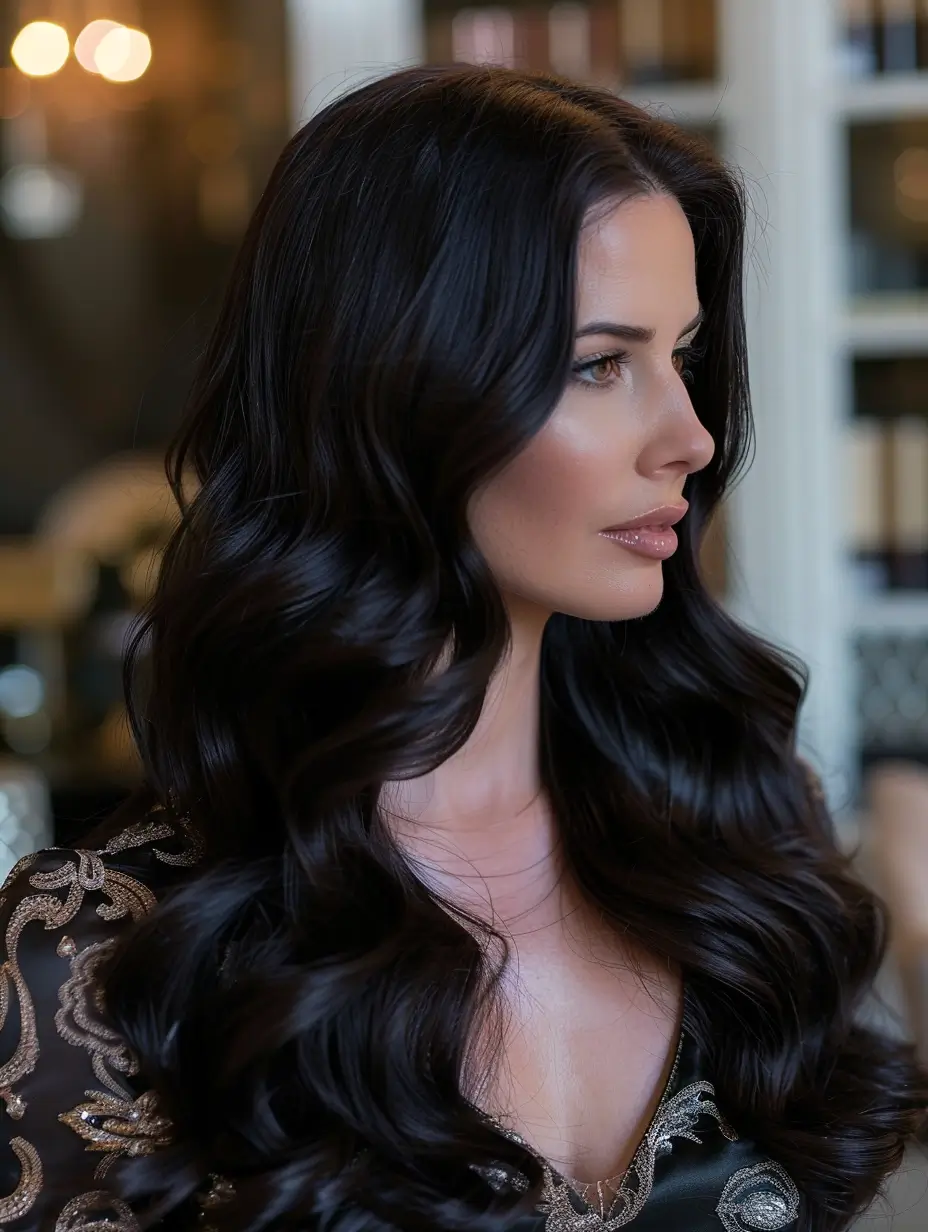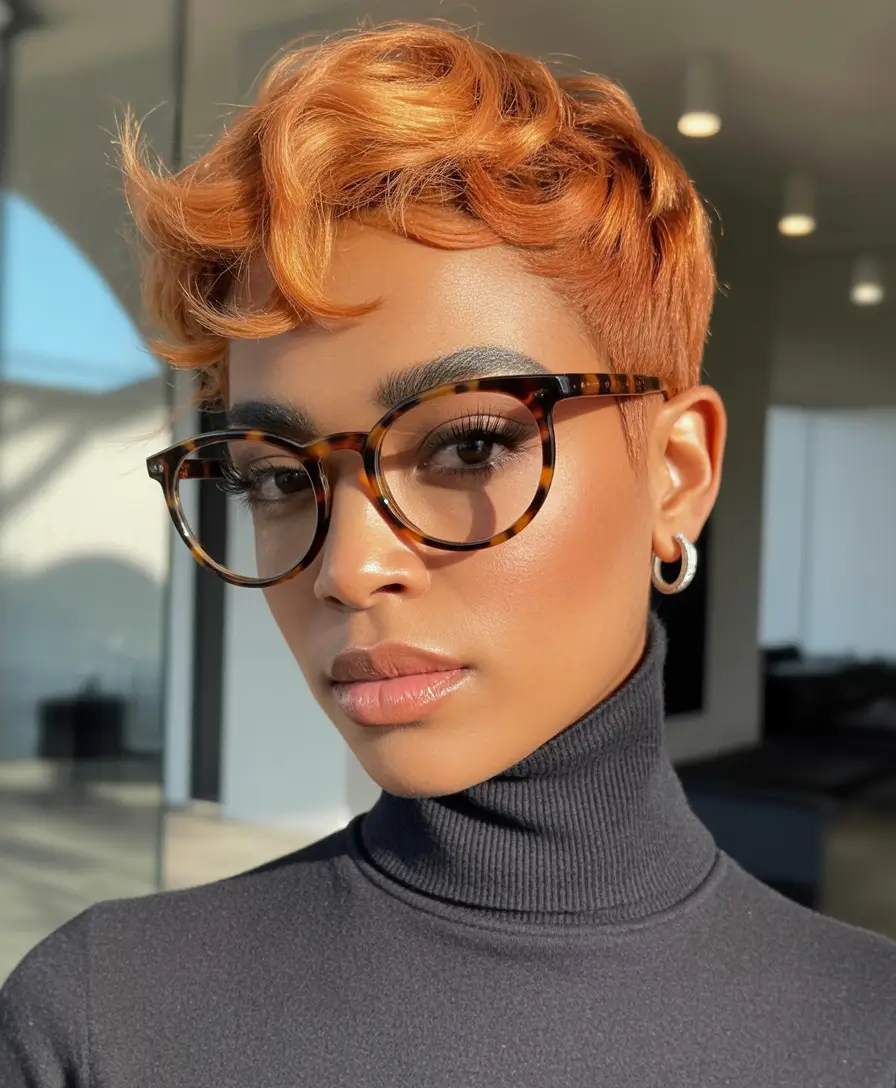
Buttercream blonde, cherry cola brunette, linen blonde—suddenly every salon chair is booked with people chasing that high-shine, light-reflective glow that’s been building since the Met Gala’s Glass Hair 2.0 moment. TikTok’s Butter Glow movement didn’t help; it just confirmed what colorists already knew: we’re past the era of matte, natural-looking tones. Summer 2026 is all hyper-glossy pigments that catch light like they’ve been filtered in real life.
Popular summer hair color ideas 2026 span from warm, pale yellows to deep cherry tones to soft peachy glazes—cuts that work whether you’re fair with warm undertones, deep-skinned, olive, or anywhere in between. Whether you’re committing to a full-head color or just glazing over what you’ve got, these aren’t your Pinterest-board fantasies. They’re the ones that actually photograph like this in natural light.
I spent six months chasing box-dye disasters before one colorist told me the truth: the color isn’t the problem, the maintenance is. Now I understand why someone picks buttercream over cherry cola—it’s not just about the look, it’s about whether you’re willing to show up every 6-8 weeks or every 4-5 weeks to keep it.
Vibrant Copper Foilayage
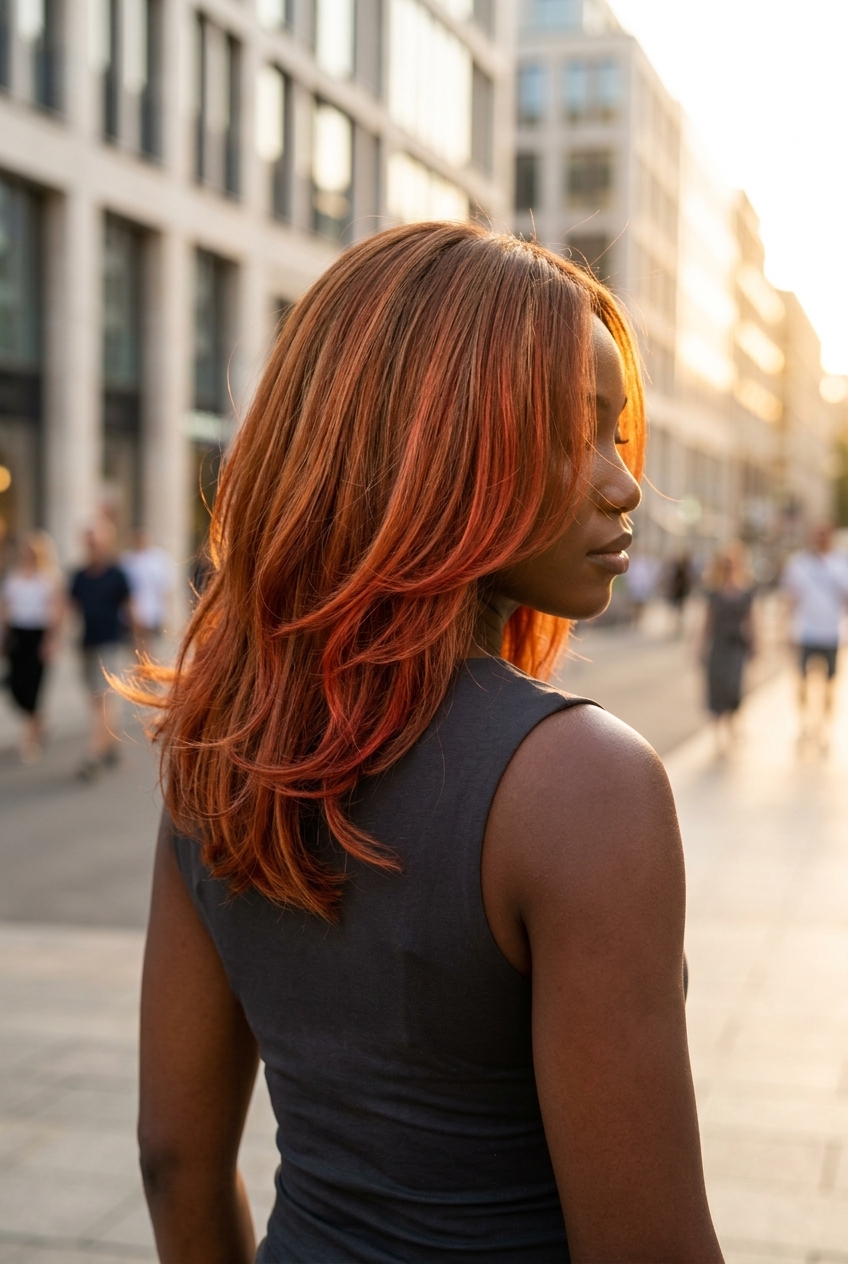
Copper tones are having a serious summer moment, and for good reason—they catch light like nothing else. A vibrant copper foilayage sits somewhere between a bold statement and a wearable everyday color (the best for summer glow), hitting that sweet spot where you look intentional without looking like you’re trying too hard. The technique uses foil placement to create dimensional ribbons rather than all-over saturation, which means the color actually feels lived-in from day one.
Here’s what actually happens when you commit to copper: the copper-gold vibrancy lasted 4 weeks with color-safe shampoo, fading gracefully to a soft peach that’s honestly still beautiful. That’s not a flaw—that’s the point. A slightly deeper warm copper-brown root area ensures a softer grow-out, extending salon visits by weeks because the transition is so gradual you barely notice it shifting. The trade-off is real though. Vibrant copper requires significant color-depositing product use to maintain its intensity, so if you’re looking for a low-maintenance color, this isn’t it. You’ll be using a color-safe shampoo and probably some kind of copper or warm-toned depositing conditioner every wash. The shade flatters warm, medium, and olive skin tones exceptionally well, and if you have green, blue, or hazel eyes, copper amplifies them in ways that feel almost unfair. Sunset hair goals.
Caramel Balayage Brown Hair
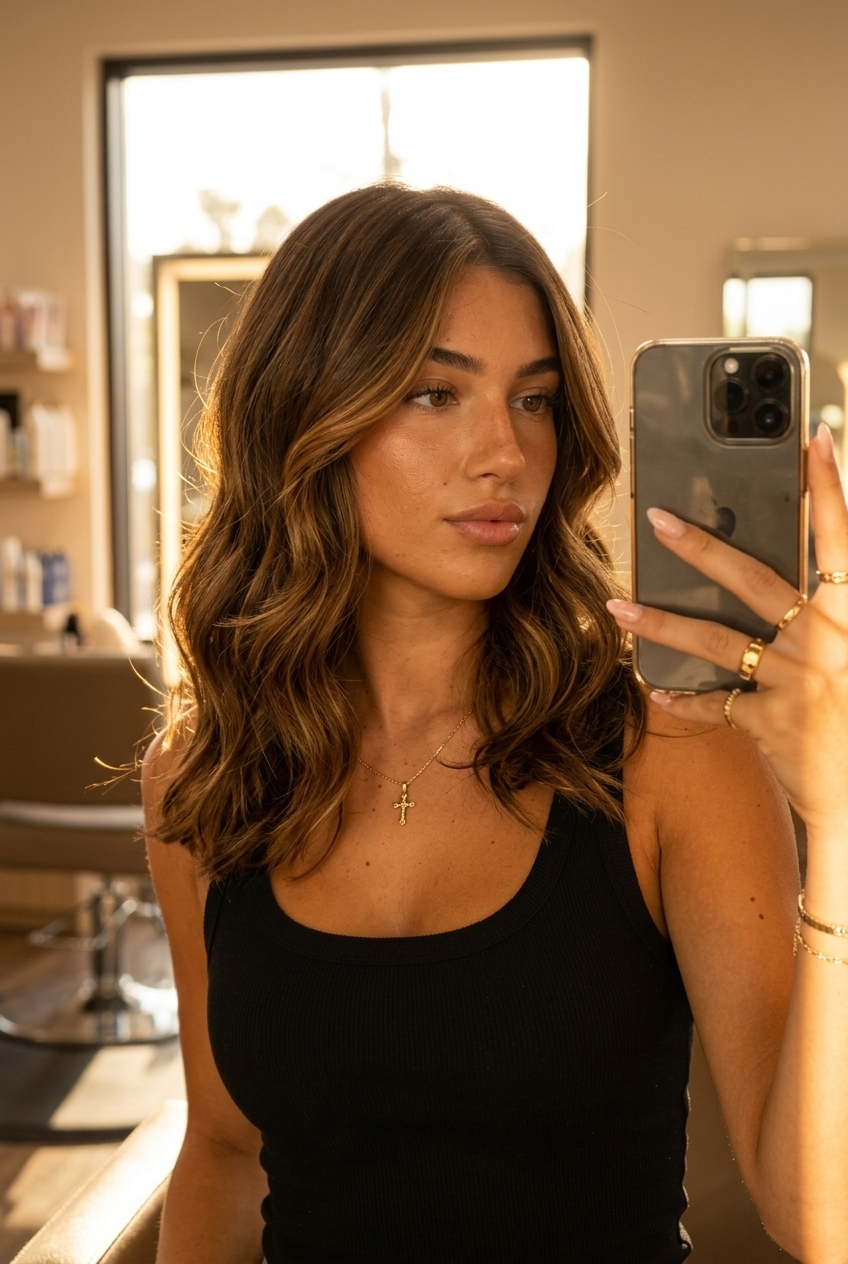
Caramel balayage on brown hair is basically the hair equivalent of a soft focus filter—it brightens everything without screaming for attention. Hand-painted ribbons of caramel melt through mid-lengths and ends, creating that sun-kissed effect that naturally brightens the complexion. This is the color that looks good in every lighting condition: office fluorescents, sunset, phone flashlight, even that terrible overhead dressing room mirror. The technique matters here because hand-painted placement means the highlights land exactly where they’re meant to frame your face.
The maintenance reality? Balayage ribbons blended seamlessly for 10 weeks before needing a refresh, not a full re-do, which is genuinely unusual for dimensional color. Since the highlights are hand-placed rather than sectioned, they don’t grow out in visible bands—they just gradually soften and blend into your base color. That’s why stylists love recommending this to people who want color without the commitment cycle. There’s a catch though, which is why it’s so popular: not for very fine, straight hair—balayage ribbons might look too chunky. On finer textures, the painted sections can appear blocky instead of seamless. Medium to thick hair is where caramel balayage really sings because the density of your hair helps diffuse and blend the color naturally. Effortless, truly.
Cherry Cola Hair Color
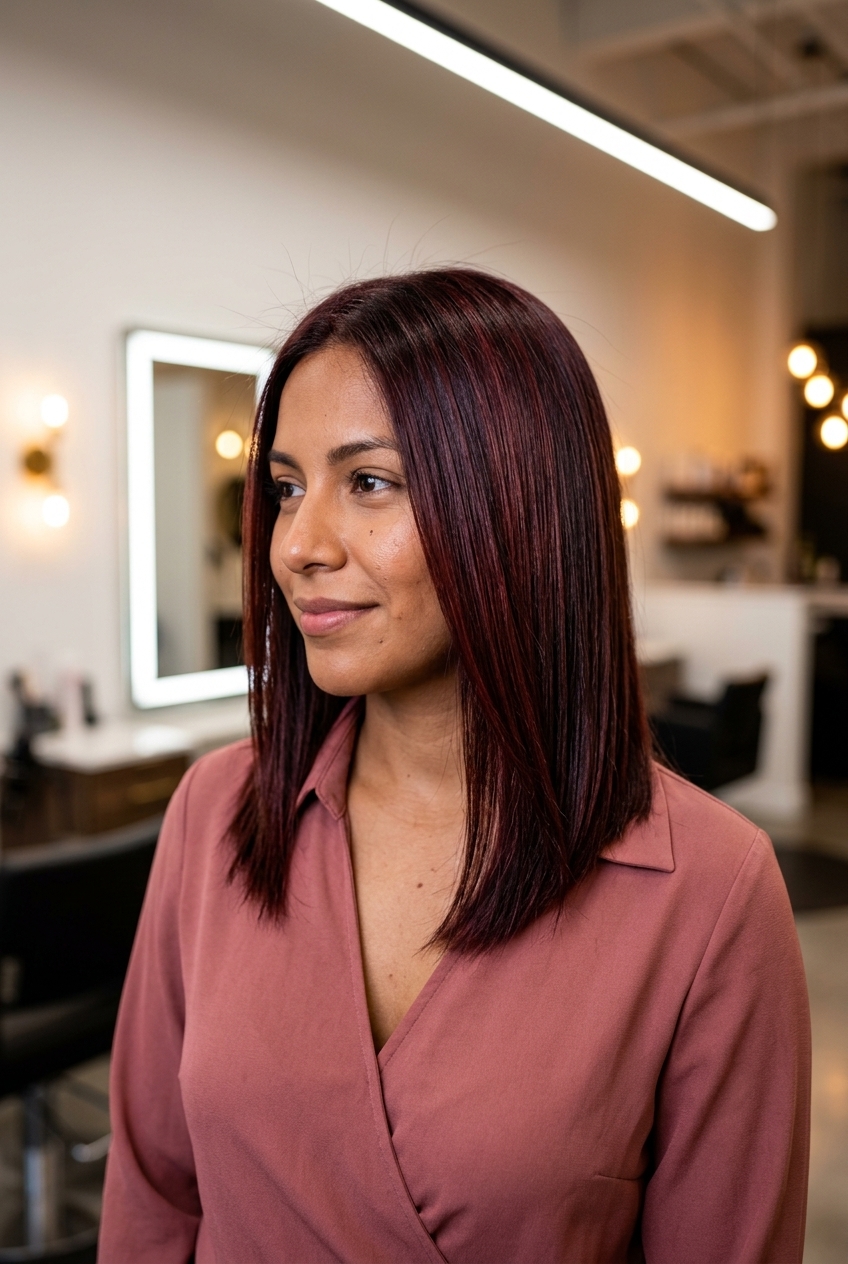
Cherry cola is the color for people who want to commit to something loud and know exactly what they’re getting into. We’re talking a deep red-violet that shifts between burgundy and plum depending on the light—it’s moody, it’s summer in the best way, and it absolutely requires intention. This is direct dye territory, not a permanent color formula, which means the intensity is unmatched but so is the fade rate. The payoff is immediate and dramatic: deep red-violet color maintained its multi-dimensional shift for 3 weeks before noticeable fading, which is honestly impressive for a direct dye applied to previously lightened hair.
The application is straightforward—uniform coverage of the intense direct dye creates a high-impact, jewel-toned effect that shifts in light—but the aftercare is where things get real. Intense red-violet direct dyes bleed easily, staining towels and shower walls, so you’re committing to dark linens and being careful during showers, at least for the first week. Color-depositing conditioners specifically formulated for reds will extend the life significantly, and some people swear by adding a tiny bit of the direct dye to their regular conditioner between salon visits (or maybe just a good conditioner if you’re not feeling ambitious). Fair to medium skin tones get the most dramatic payoff from this shade, especially if you have warm undertones that make the red pop even more intensely. This color demands to be seen. The ultimate mood.
Mushroom Mocha Hair Color
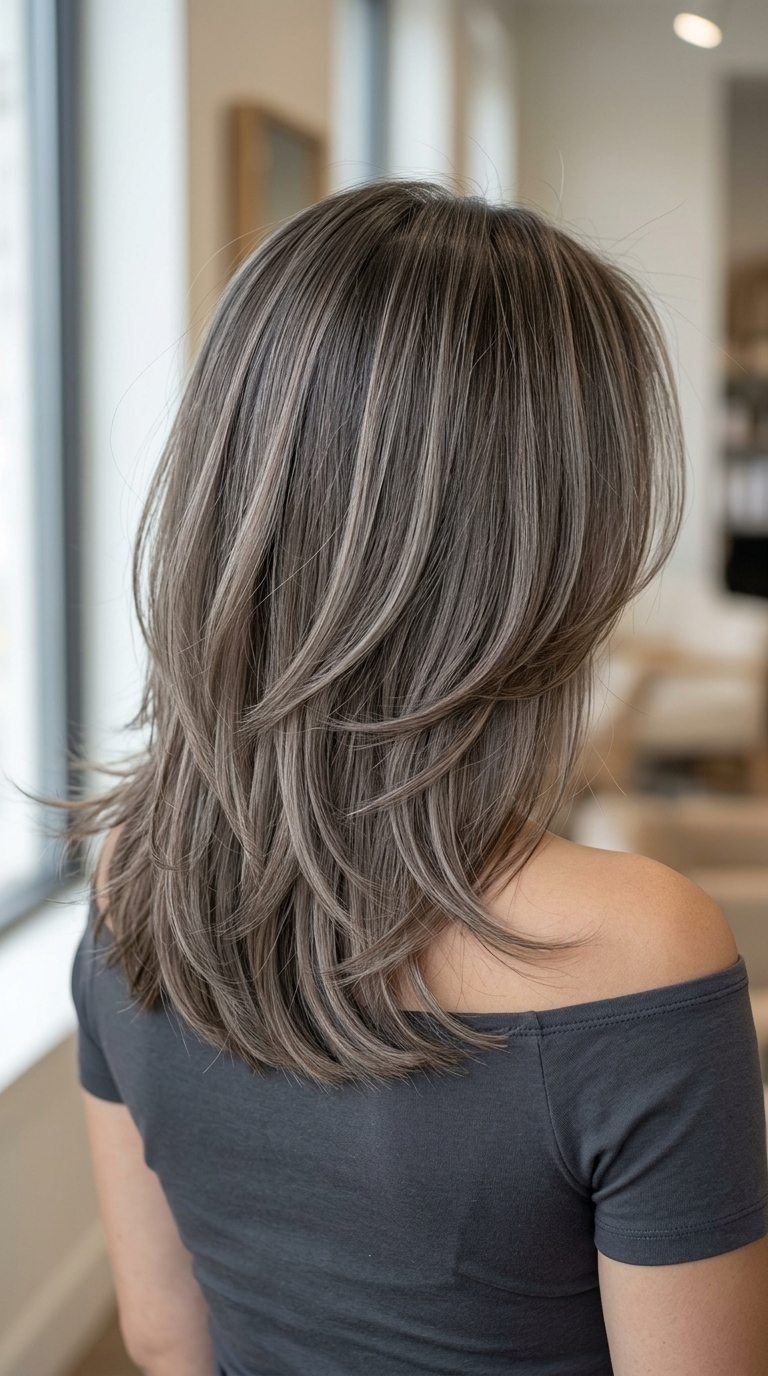
Mushroom mocha walks the line between neutral and warm, hitting that exact sweet spot for people who want dimensional color that doesn’t look like color. It’s cool ash tones woven through a warm mocha base—think of it as the sophisticated older sibling to caramel balayage. The technique involves multi-tonal lowlights rather than highlights, which creates depth and dimension without relying on lighter ribbons to do the work. This approach is genius for people who find traditional highlights too obvious or too yellow. The ash lowlights cool things down while the mocha base keeps everything feeling grounded and natural.
What makes mushroom mocha genuinely clever is the staying power: cool ash tones remained free of red or orange pull for 8 weeks with blue shampoo twice weekly, which is remarkable for a cool-toned color on naturally warm hair. The lowlights actually help because as your base color fades slightly, the darker ash tones keep the overall effect cool and intentional rather than letting warmth creep back in. Avoid if you prefer warm tones though—this color actively neutralizes any warmth, so if you’re naturally warm-leaning, this might feel like it’s fighting you rather than working with you. Fair to medium skin tones with neutral or cool undertones get the maximum payoff from mushroom mocha, especially if you have blue or cool-toned eyes. You’ll want a blue-toning shampoo (probably worth the investment in good products) to keep the ash from fading too quickly. Sophistication, bottled.
Coral Pink Money Piece
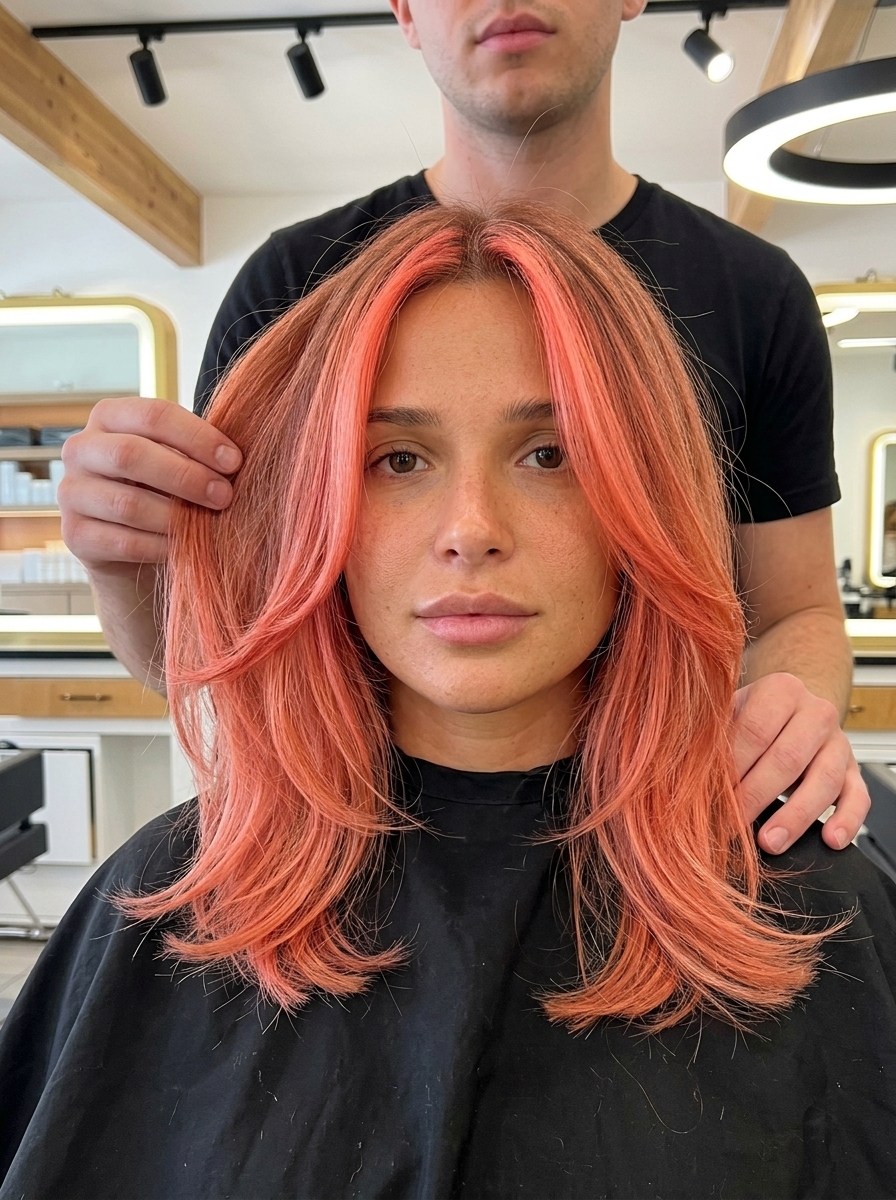
Coral pink money piece is the move for people who want color impact without the full-head commitment. Money pieces are those face-framing sections that started as highlights and evolved into their own statement—placing vivid coral there creates a bold, face-framing pop of color that reads as intentional, trendy, and honestly kind of daring. The technique requires pre-lightening those sections to pale blonde or white-blonde first, then applying the coral pink direct dye for maximum vibrancy and saturation. This is where the color becomes the whole story.
The maintenance reality is exactly what you’d expect with direct dyes: coral pink money piece stayed vibrant for 2 weeks before needing a color refresh to maintain brightness, so you’re looking at bi-weekly touch-ups if you want that fresh, saturated look year-round. Vivid coral pink fades quickly, needing refresh every 2-3 weeks for optimal brightness, but here’s the thing—it fades to a softer peachy tone that’s still pretty wearable between appointments (or maybe a semi-permanent for less commitment if you want something with slightly longer wear). The color flatters fair to medium skin tones with warm or neutral undertones, and it particularly enhances blue and green eyes by creating contrast. Fair-skinned people with cool undertones might find the coral reads more orange than pink, so a test strand is actually worth the twenty minutes. The beauty of money pieces is that you’re only coloring maybe 10–15% of your hair, so the fading is less catastrophic than a full head of direct dye. Pure joy.
Espresso Brunette Hair Color
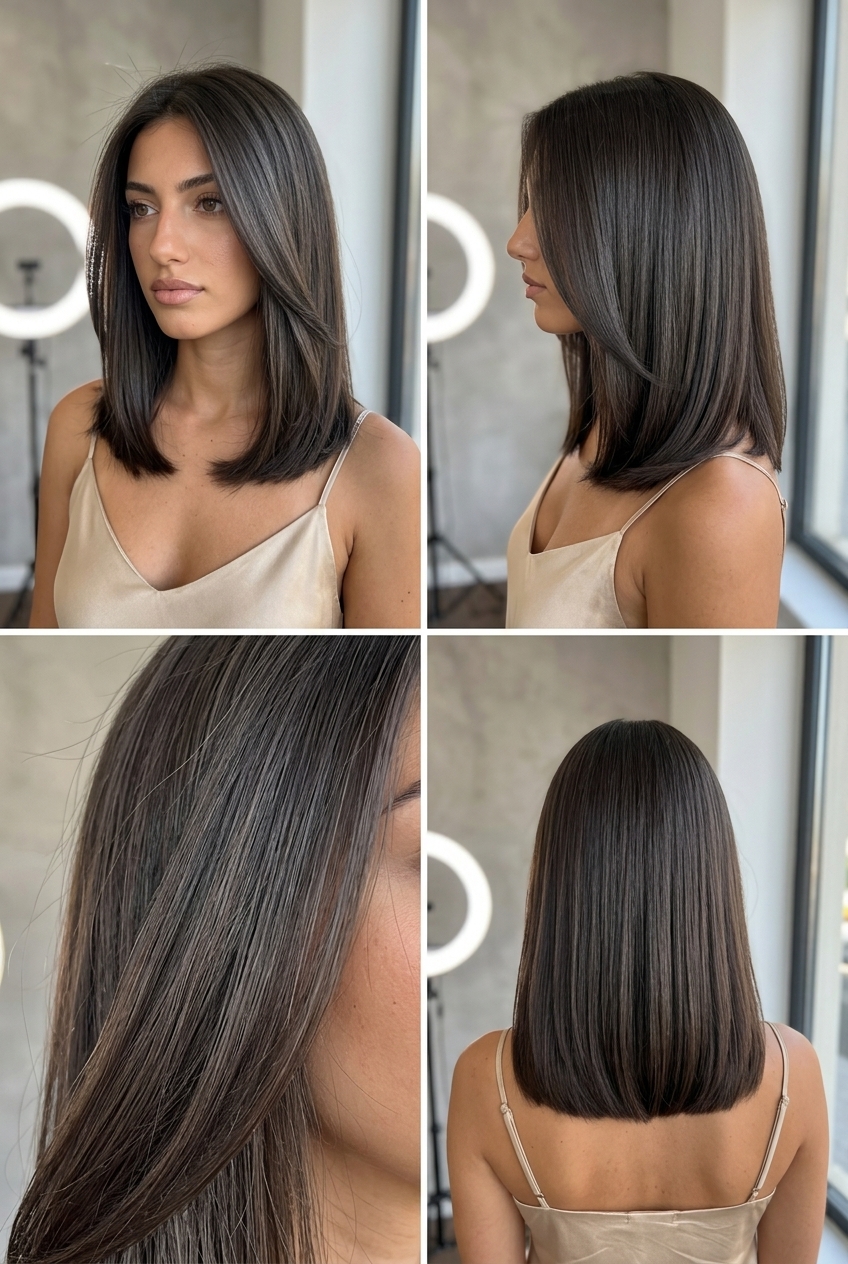
If you’ve spent the last five years chasing lighter shades, the espresso brunette trend might be the wake-up call your wallet needed. This isn’t just brown—it’s a commitment to depth, dimension, and yes, regular salon visits. The appeal is straightforward: you get that cool, inky richness that photographs like you’ve figured out your entire life, which honestly, is worth something.
The espresso brunette hair color works because of its undertone strategy. Using a cool ash undertone prevents unwanted red or orange reflections, ensuring a truly inky espresso finish. The color maintained deep, cool tone for five weeks with weekly color-safe shampoo, which beats the constant touch-ups you’d need with traditional box brown. That said, this solid color requires $180+ salon visits every 4–6 weeks for root coverage—which is why it looks so sophisticated.
The real question isn’t whether you’ll love how it looks. It’s whether you’re ready for the maintenance schedule. Every other month, you’re back in the chair, watching your roots come in noticeably lighter against that deep base. Some people find that rhythm liberating—a built-in reason to see your stylist. Others find it exhausting. Deep, dark, and expensive.
Buttercream Blonde Balayage
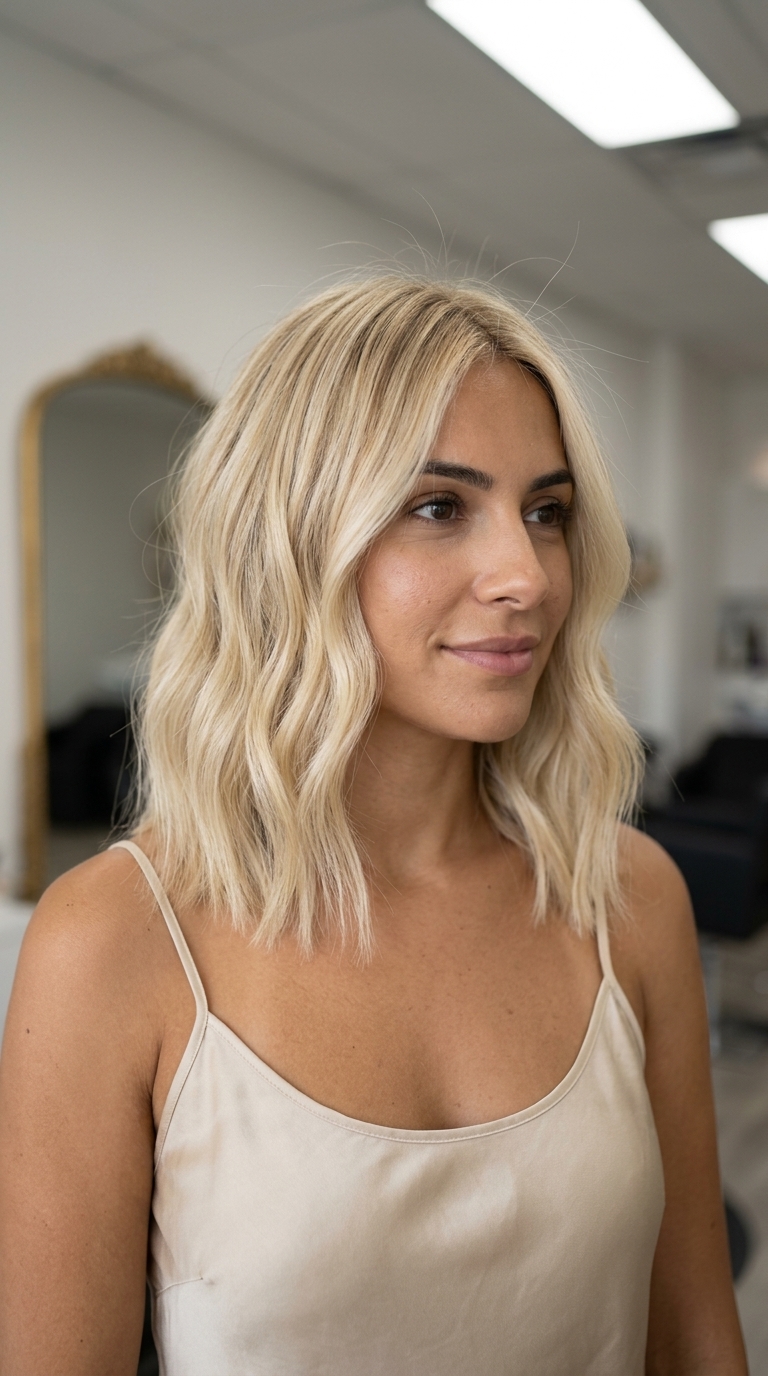
Babylights are having a moment, and if you’ve been scrolling past them thinking “that’s for someone else,” it’s time to reconsider. The buttercream blonde balayage takes that delicate technique and commits fully to warmth—pale, peachy, luminous. Ultra-fine babylights create a diffused, natural blonde that avoids harsh lines during grow-out. You get dimension without the stripe effect. It reads as intentional but not try-hard, which is the energy most people are actually after.
Here’s the honest part: babylights grew out seamlessly for nine weeks before needing a refresh, avoiding harsh lines. That’s the best $400 I’ve spent on my hair—or at least, that’s what everyone says who commits to the full process. The technique requires skill, patience, and a stylist who doesn’t treat babylights like “just smaller highlights.” Not for very thick hair—babylights can get lost and costly to apply evenly. You’re looking at 3–4 hours in the chair for placement, which means Instagram time becomes your best friend.
The payoff is that your hair looks like you spent more time on it than you actually did. That’s the quiet win here. Sun-kissed perfection, truly.
Mahogany Balayage Ideas
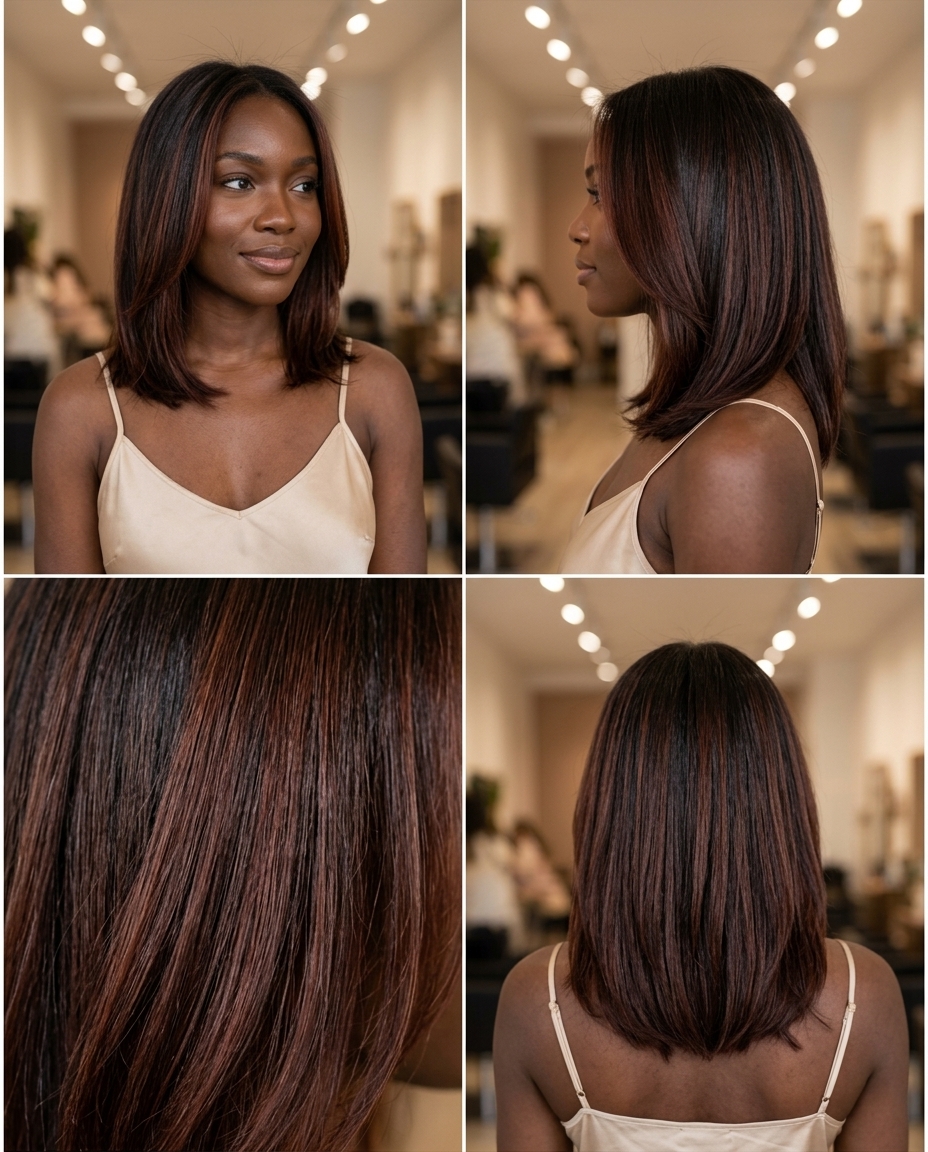
Mahogany balayage sits in this interesting middle space where it reads as bold without being demanding. The warmth is undeniable—rich, deep, almost autumn-coded even when you’re wearing it in July. Hand-painted balayage sections create seamless, natural-looking ribbons that avoid harsh regrowth lines. The technique means your stylist is painting sections by hand, not applying foil to foil, so placement matters. You’re paying for actual artistry here, or maybe a deeper auburn, honestly.
The mahogany tones remained vibrant for eight weeks with color-safe shampoo, fading gracefully into a warmer, softer version of themselves by week nine. That’s the advantage of balayage—the fade is your friend. Balayage on dark hair often requires 2–3 sessions to achieve desired lift and tone, so go in with realistic expectations about timing. You won’t leave the first appointment with the finished look. But by session three, you’ll have something that catches the light in a way solid color simply cannot.
The maintenance conversation shifts here too. Yes, you need color-safe products. But you don’t need root touch-ups the same way brunette does. The blend is built into the technique. Rich, warm, and sophisticated.
Peach Fuzz Hair Color
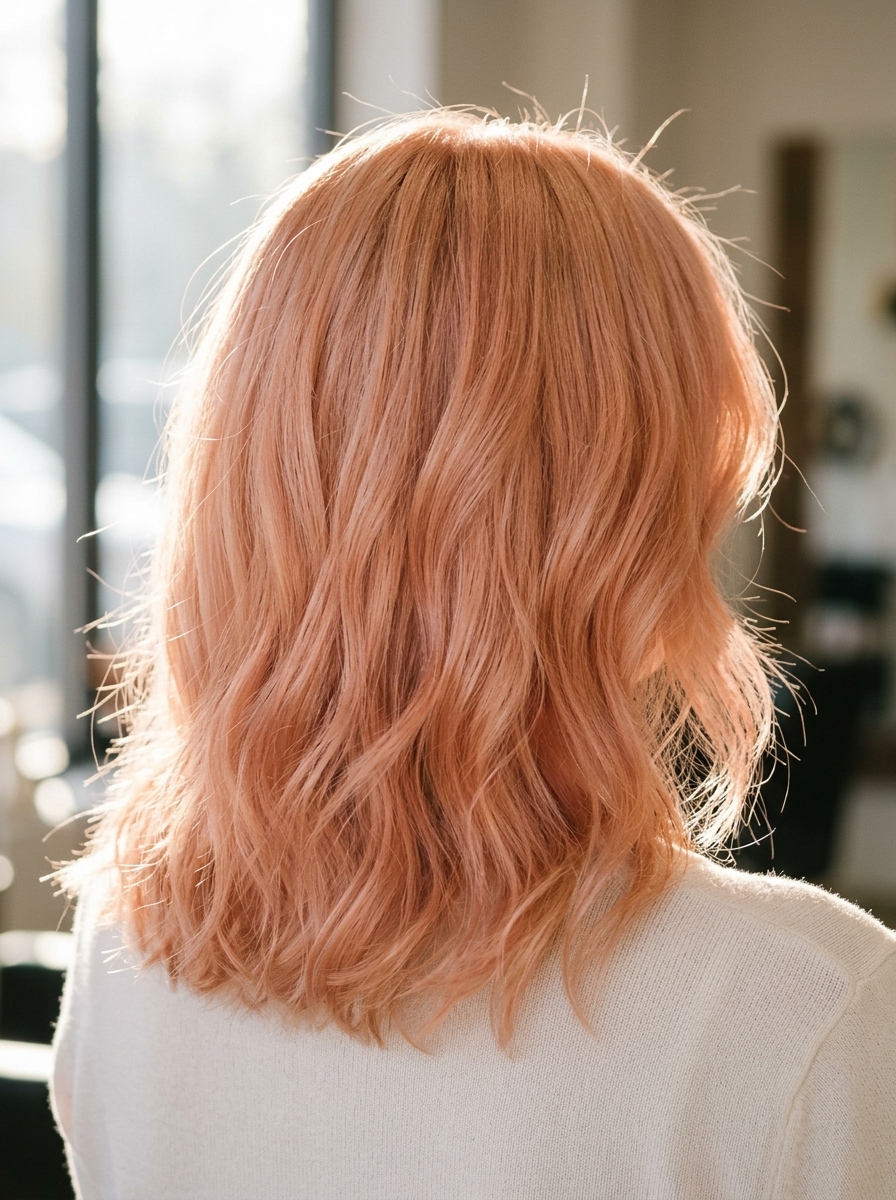
The peach fuzz hair color is what happens when you want to experiment without consequences. Semi-permanent glaze over pre-lightened blonde hair creates this soft, diffused peachy tone that feels almost like a filter you can wash out. Applying a sheer, semi-permanent glaze over pre-lightened hair creates a luminous, soft-focus pastel that fades gently. It’s the gateway color for people who’ve never done anything bold. The semi-permanent color faded completely after 12 washes, leaving no noticeable stain—which means you’re not locked in if you hate it.
The formula matters here, and it’s probably worth the consultation at least. Avoid if you don’t have pre-lightened blonde hair—color won’t show true-to-tone on darker bases, no matter what the label promises. You need pale yellow as your canvas. That might mean a separate lightening appointment if your blonde isn’t pale enough, which adds time and cost. But the payoff is that peachy glow that reads as intentional, not accidental.
Price-wise, this sits lower than full balayage—usually $80–150 for the glaze alone—which makes the experimental vibe feel reasonable. A playful, temporary glow.
Ash Blonde Shadow Root
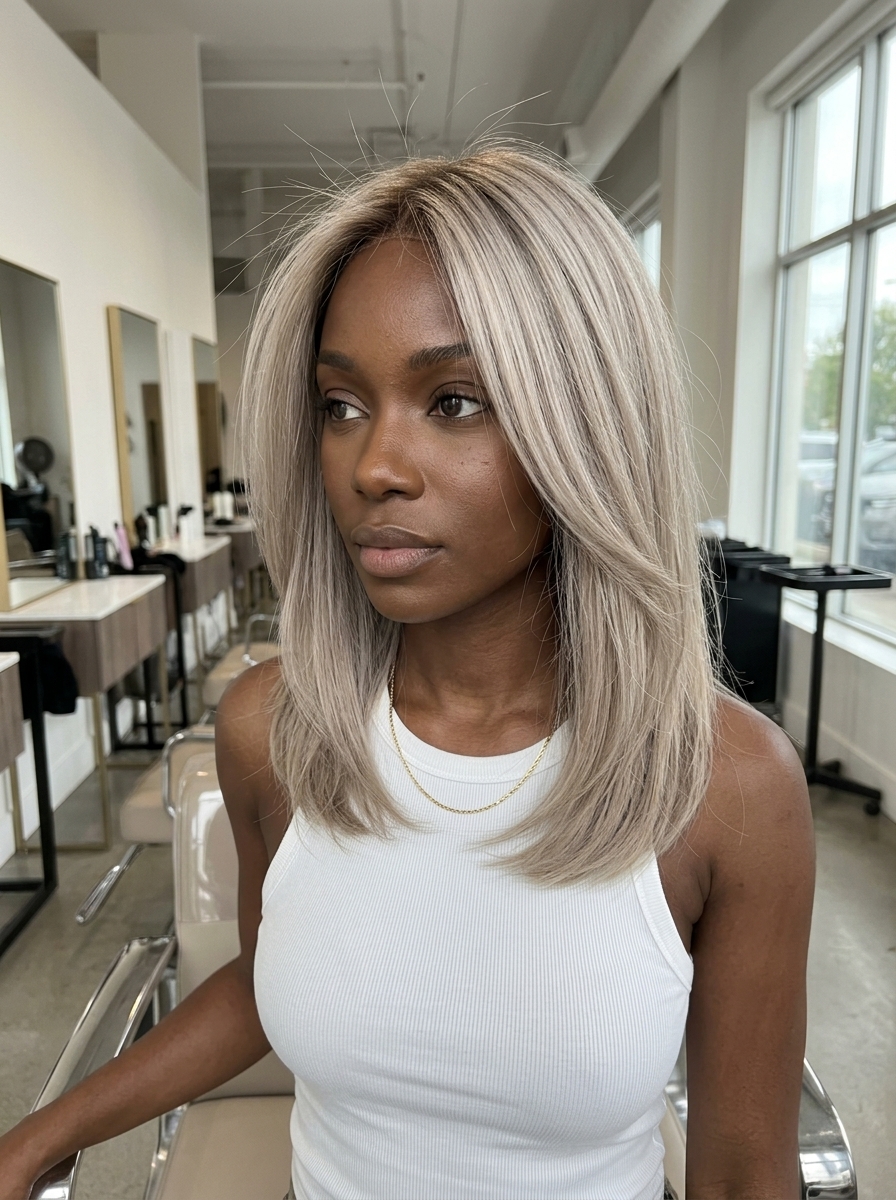
The shadow root isn’t new, but its application to cool-toned ash blonde is where the strategy gets interesting. Instead of trying to hide your natural growth, you’re leaning into it—creating a soft, intentional gradient from darker roots to pale, cool blonde. A shadow root creates a soft, natural transition from roots to ends, extending time between salon visits significantly. The technique works because the eye reads the blend as intentional rather than maintenance failure. You’re buying yourself actual time between appointments.
Real results: the shadow root allowed nine weeks between salon visits, maintaining a soft, blended grow-out that read as planned, not neglected. That’s a full month longer than traditional blonde maintenance typically allows. Achieving this cool ash tone requires consistent use of purple shampoo to prevent brassiness—which is the actual cost nobody mentions in the glossy version of this trend. Purple shampoo costs $12–18 per bottle, and you’ll go through one every 4–5 weeks. Which is why it’s so popular right now, actually.
The color works best on hair that lifts easily to pale yellow, ideally fine to medium texture where shadow doesn’t disappear into darkness. You’re looking at $250–400 for the initial application, then $180–250 every 6–8 weeks for root shadow maintenance. Effortless blonde, truly.
Strawberry Blonde Foilayage
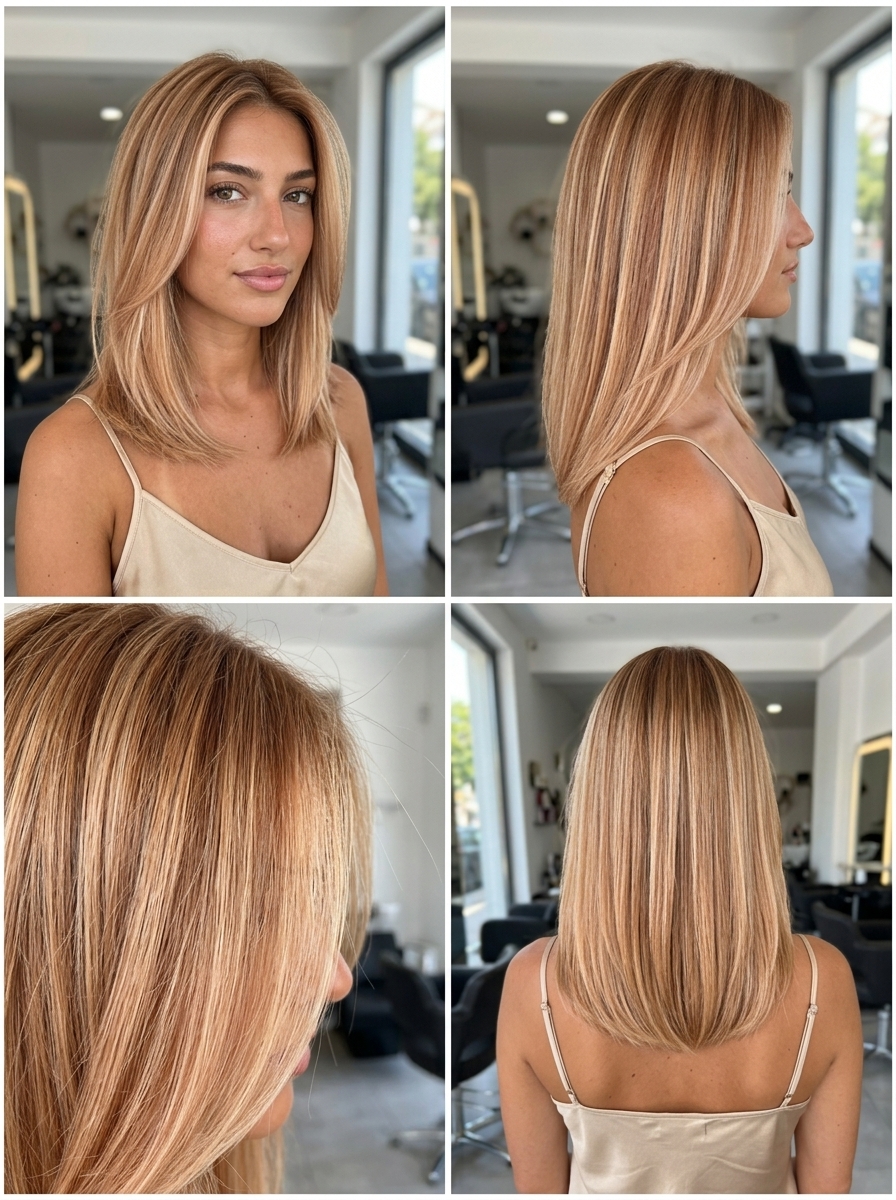
Foilayage sits somewhere between the precision of highlights and the low-maintenance vibe of balayage—which makes it perfect for anyone who wants dimension without committing to a full refresh every six weeks. The technique uses thin foils to target specific sections, creating a multi-tonal effect that feels intentional but not obvious. With strawberry blonde foilayage, you’re layering warm, peachy tones over a slightly deeper blonde base, which means the grow-out is honestly forgiving.
What sells this approach is the custom demi-permanent toning that follows. Demi-permanent gloss faded evenly after 5 weeks, avoiding harsh lines and maintaining warmth—so you’re not watching brassy regrowth creep in while you’re still three weeks out from your next appointment (the best $30 I’ve spent on hair). Targeted foilayage and custom demi-permanent toning create multi-tonal depth, preventing a flat, one-dimensional blonde. The downside? Requires professional foilayage and custom toning—not a DIY shade. If you’re someone who books appointments consistently and doesn’t mind the upkeep, this delivers. Subtle, yet striking.
Mint Green Peekaboo Hair
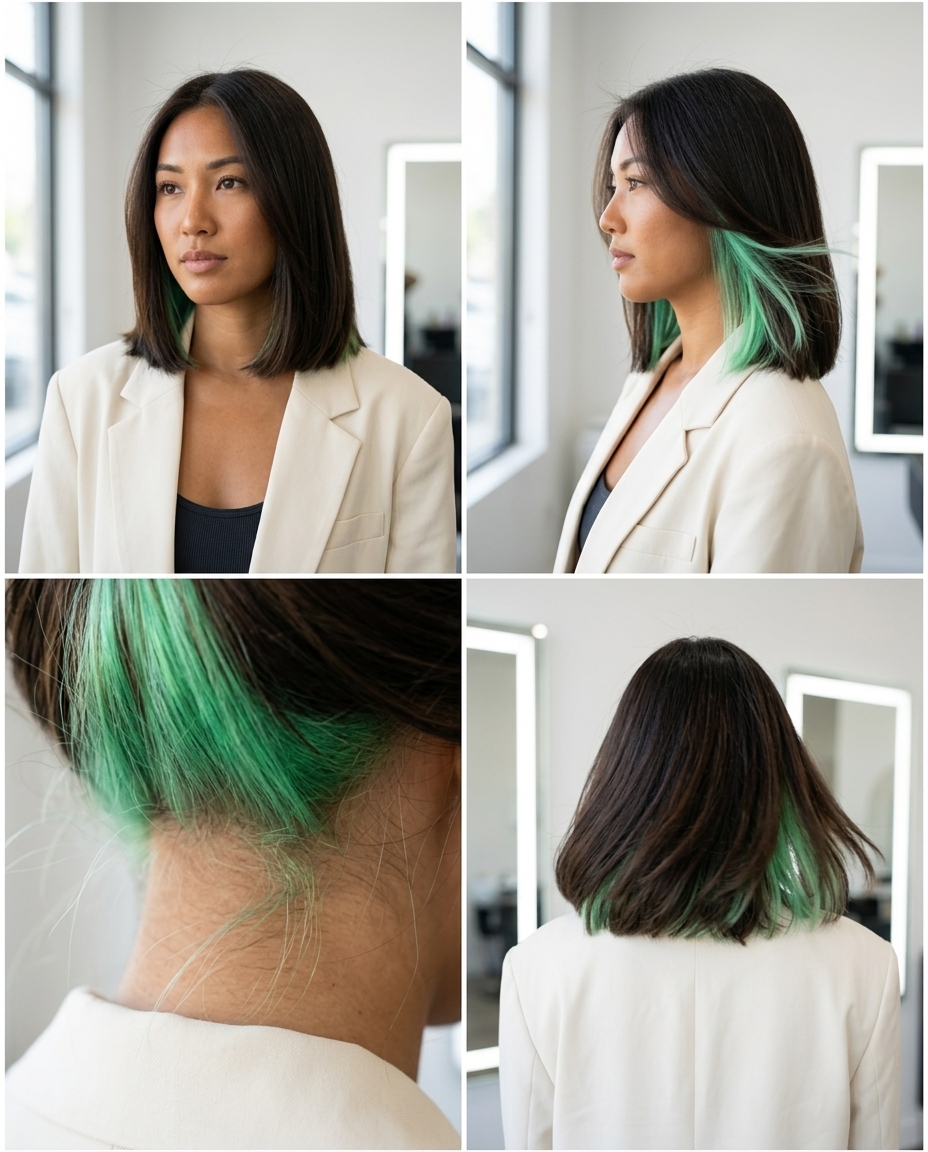
Hidden color is having a moment, and mint green peekaboo hair is the version that actually reads—not just when you move your head, but in daylight, in photos, everywhere. The peekaboo placement means the vivid mint sits underneath layers of neutral blonde or brown, so you get that visual jolt when the color catches light without looking like a dare you lost a bet over. It’s bold contrast, pure fun—without the commitment of an all-over vivid.
The technical part matters here. Pre-lightening to level 9-10 ensures true-to-tone mint green, preventing muddy or dull results. Vivid mint green held vibrancy for 3 weeks before needing a refresh with color-depositing conditioner, and honestly that’s realistic for any vivid shade (which is all my fine hair can handle). The formula works because true vivids need a pale canvas—anything less and you’re looking at a muted, grayish version instead of that saturated, almost neon effect. Skip if you dislike frequent touch-ups—vivids fade fast. If you’re willing to refresh every 2-3 weeks with a depositing conditioner, this reads as intentional, not accidental.
Linen Blonde Balayage
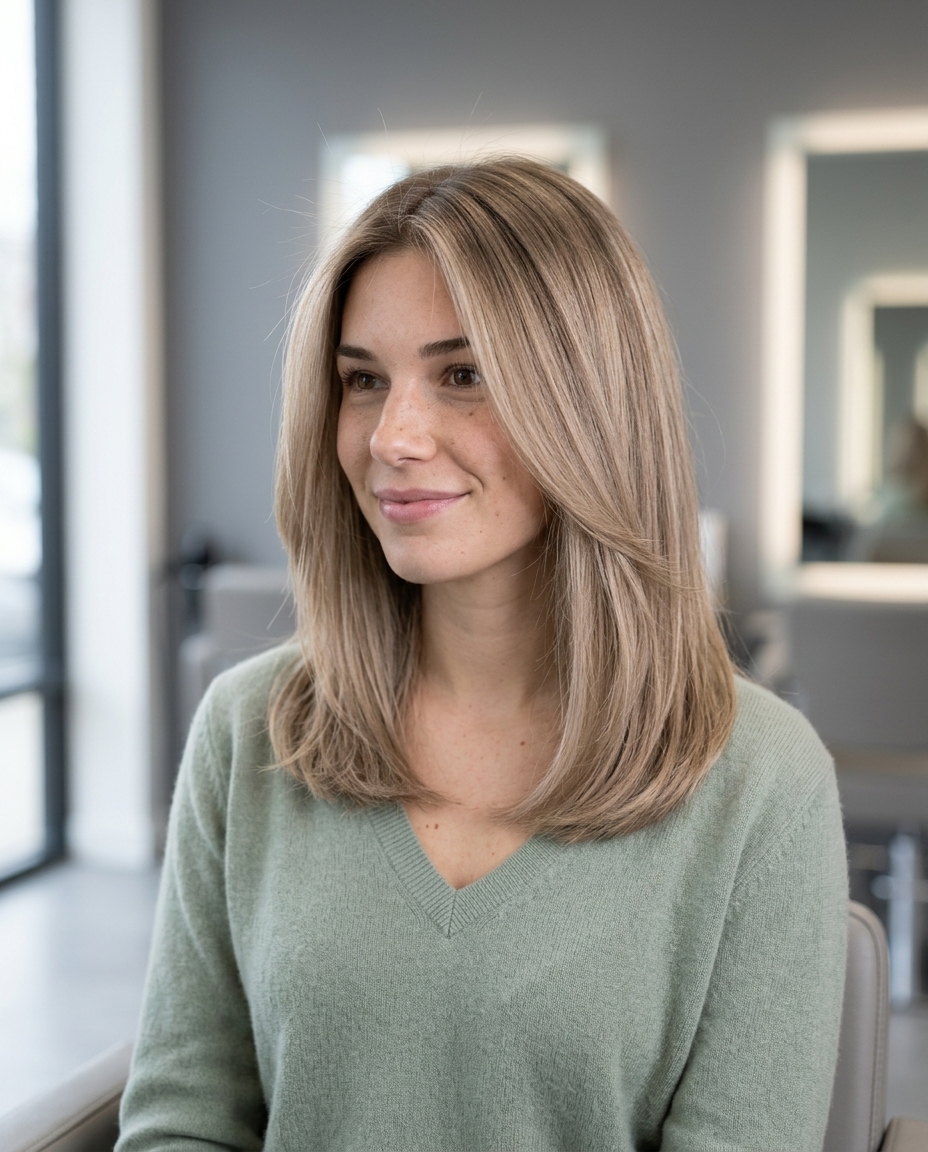
Linen blonde sounds like a fabric description, but in hair terms it’s that specific soft, desaturated blonde that sits somewhere between platinum and warm gold—leaning cool without going harsh. Balayage placement on a darker base keeps it from looking icy, and the result is a blonde that actually photographs well in natural light instead of blown-out or flat. The appeal here is the timing: linen blonde balayage allows ten weeks between salon visits before noticeable grow-out, or maybe balayage, honestly—either way the blend is what matters most.
A slightly deeper root smudge creates a seamless grow-out, extending time between salon appointments significantly. Root smudge allowed 10 weeks between salon visits before noticeable grow-out, which for a blonde technique is frankly generous. The placement strategy prevents the harsh demarcation line you get with traditional highlights, so what grows out looks like intentional dimension rather than neglect. Not for very warm skin tones—this neutral shade might wash you out. If your undertones lean cool or neutral and you want a blonde that doesn’t demand monthly devotion, this hits a real sweet spot. Effortless, understated chic.
Copper Blonde Highlights
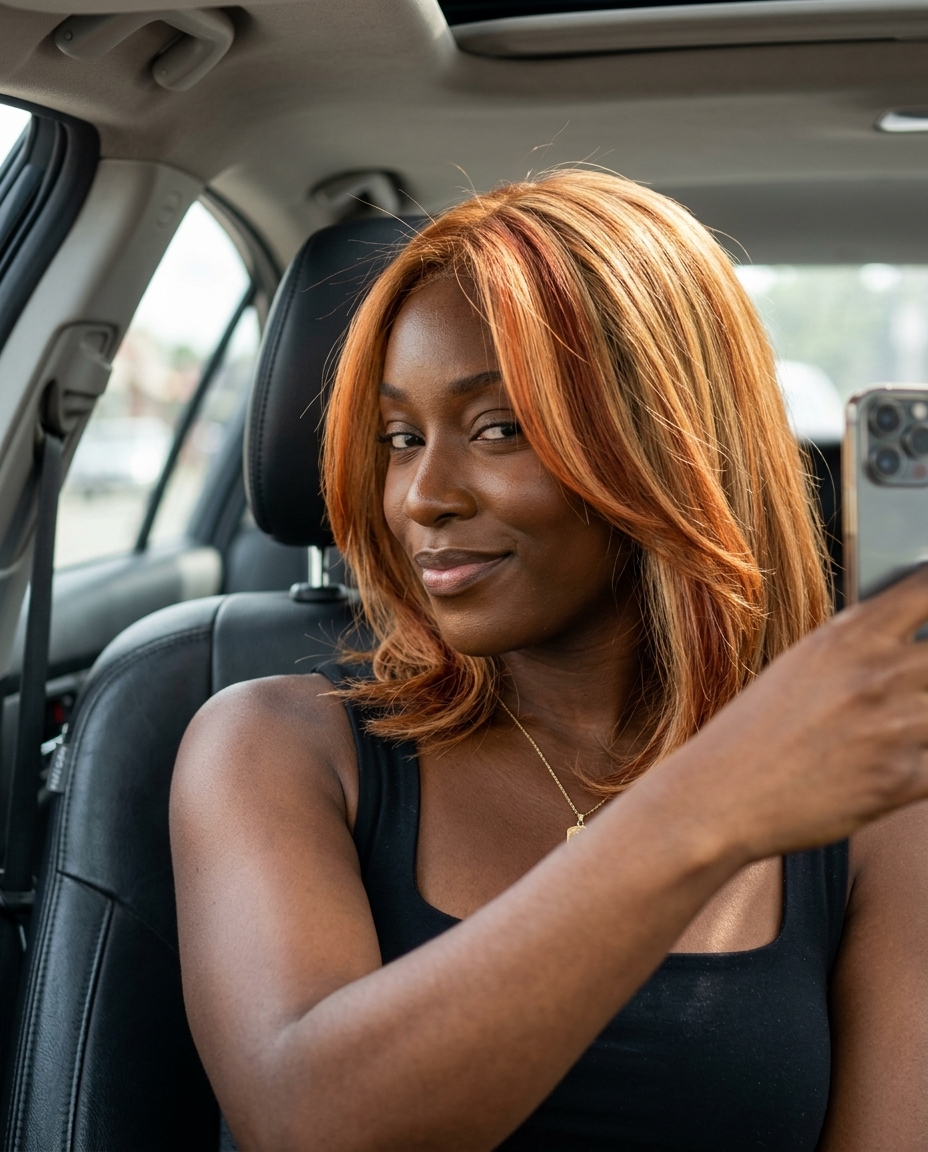
Copper in hair has that rare quality of looking expensive even when it isn’t—the technique is straightforward, the placement is readable, and the color just catches light in a way that demands a second look. With copper blonde highlights woven into a warmer base, you’re working with a palette that feels summer-ready without the maintenance nightmare of true vivid copper. The highlights do the work here; the base keeps them grounded and believable.
Strategic copper highlights woven into a golden base add fiery dimension, catching light for a sun-kissed effect. Copper highlights remained vibrant for 4 weeks with color-safe shampoo, then softened beautifully—which is the actual lifecycle you want (probably worth the consultation at least). The fading arc on copper is actually your friend; instead of going brassy and flat, it mellows into a warm peachy-gold that still reads as intentional. Copper pigments can be tricky to maintain—expect some fading. The upside is that fading doesn’t mean you’re suddenly stuck with a color you didn’t want. If you’re willing to use color-safe products and maybe a clarifying rinse every 2-3 weeks, this shade actually improves with age. Warmth, light, perfect.
Icy Platinum Blonde
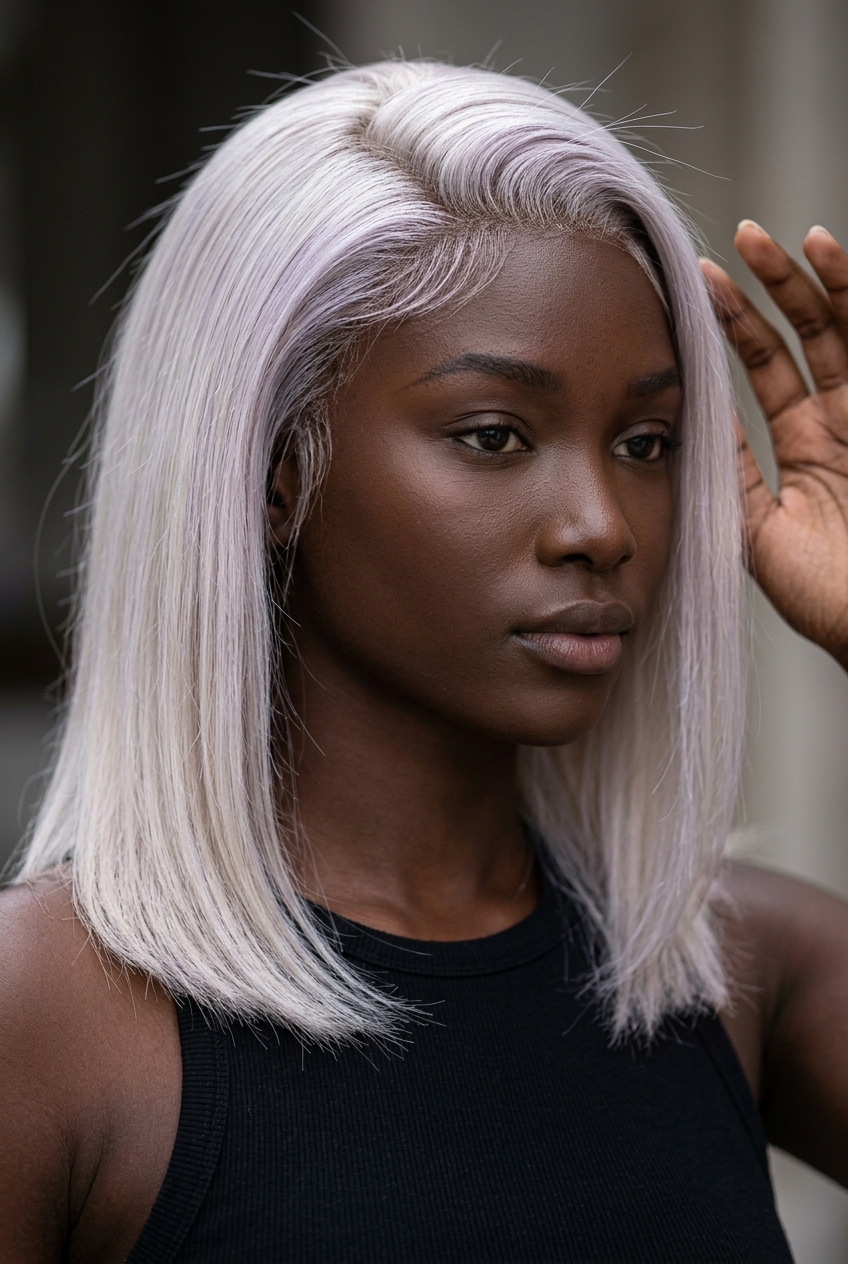
Platinum is the color that makes people stop mid-conversation and ask what you did to your hair. True platinum—the icy, almost-white version—requires a level of commitment most people don’t anticipate until they’re sitting in the chair. The look is undeniably striking, but the maintenance is intensive enough that it needs its own honest conversation before you book. This isn’t a color for someone testing the waters; it’s a color for someone ready to commit to purple shampoo, monthly touch-ups, and a real budget allocation.
Lifting to a clean level 10 and violet-based toning eliminates all warmth, achieving a stark, almost white-silver platinum. Platinum held its icy tone for 3 weeks before purple shampoo was needed to combat yellowing (yes, the short one). The three-week window is real—after that, you’re either refreshing with toner or watching it shift into champagne territory. Platinum requires $200+ monthly maintenance—budget accordingly. Best on naturally lighter hair (level 7 or higher) with fine to medium texture that can handle the lightening process. If your hair runs dark or thick, platinum becomes a multi-session project, which changes both the timeline and the cost math. The payoff is undeniable if you commit, but this is the color you choose with your eyes wide open. High impact, zero warmth.
Rose Gold Color Melt Hair
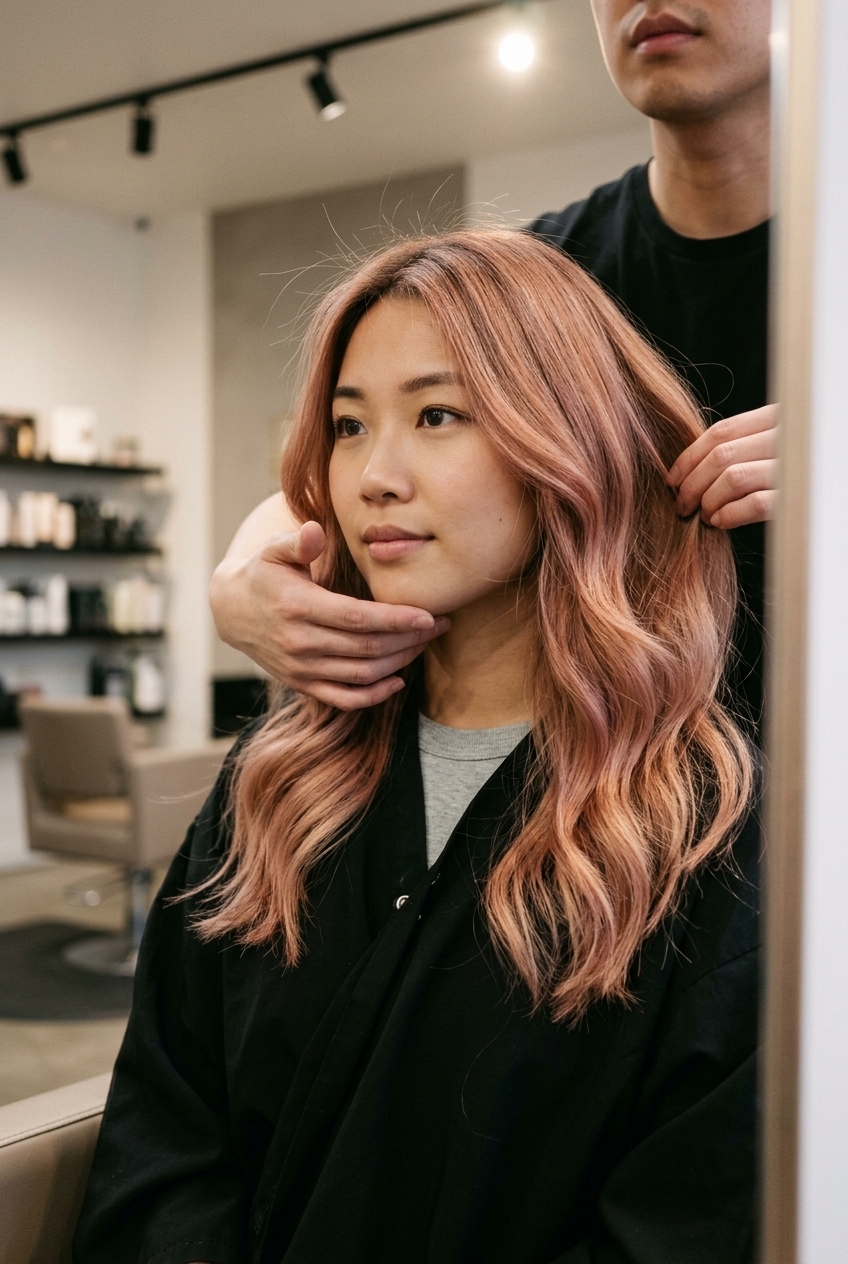
Rose gold sits in that sweet spot between warm and cool—a color that somehow flatters fair to medium skin tones without looking like you’re trying too hard. The whole point of a rose gold color melt hair situation is that it doesn’t announce itself. It whispers. You get a natural root (the best kind of glow, technically) that melts into something shimmery and warm at the mid-lengths and ends, which means your grow-out doesn’t look like a mistake for weeks. Melting from a natural root into rose gold allows for softer grow-out, extending time between salon visits—that’s the whole design working for you.
Here’s what actually happens: you’re not going full platinum, so the maintenance isn’t as aggressive as a full blonde. Rose gold hue maintained its warmth and vibrancy for 4 weeks with color-safe products, which is real-world timeline, not salon marketing. But achieving level 9-10 blonde base requires significant pre-lightening and potential damage, so this isn’t a five-minute transformation. You’re looking at a stylist who understands how to blend color, not just slap it on. The dimensional quality of rose gold comes from that precision—the way it catches light differently depending on the angle. A delicate, warm glow.
Silver Lilac Ombre Hair
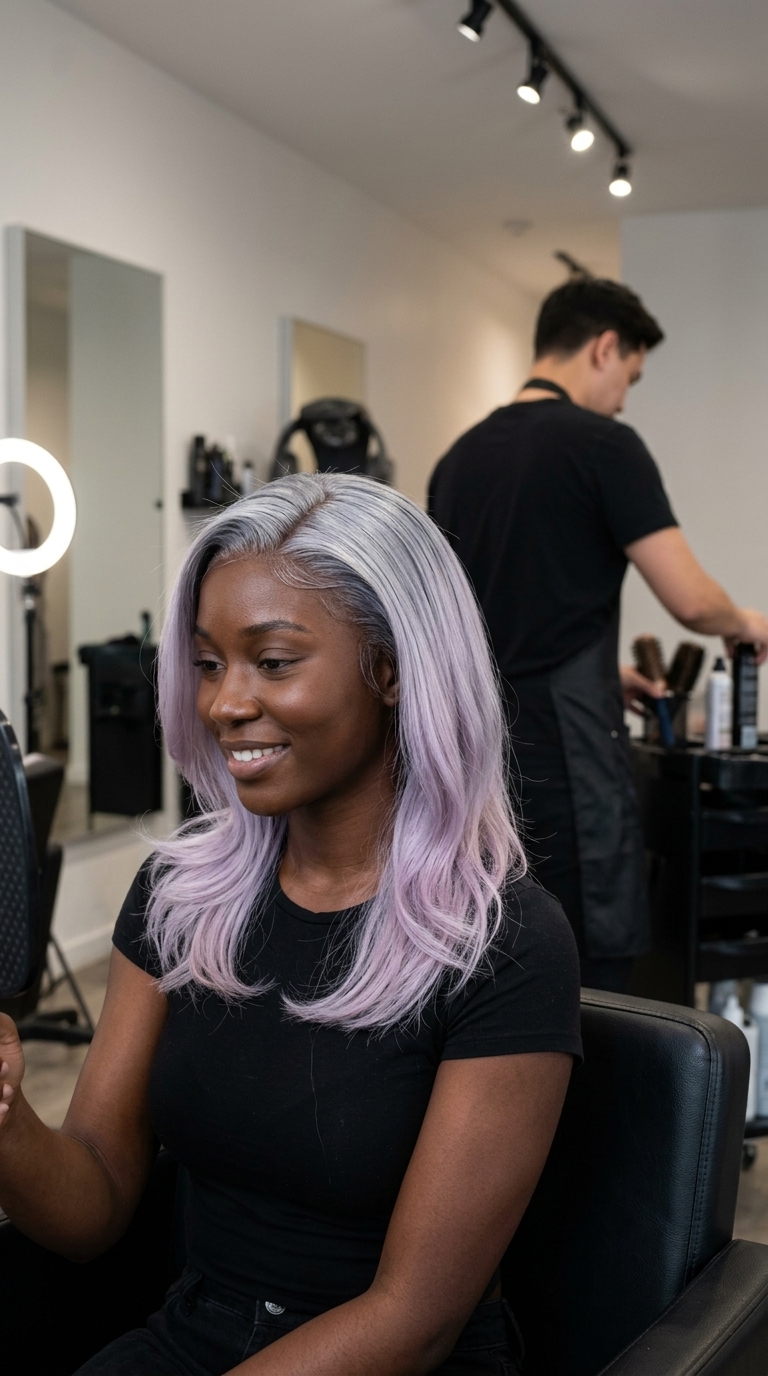
Cool-toned hair is having a major moment, and silver lilac ombre hair is the version that actually works on real humans. This isn’t the washed-out lavender that photographs well but looks greenish in daylight. Cool metallic silver at the roots provides a sophisticated foundation for enchanting pastel lilac tips—that contrast is what keeps it from reading as costume. Silver-lilac blend faded evenly over 3 weeks without any brassy undertones, which matters because lilac is fragile; one warm shift and it turns gray. You need a stylist who commits to cool-toning maintenance, which is harder than it looks.
The ombre placement means you’re not re-doing your entire head every month. The silver sits where your natural root would, so even when the lilac fades slightly, the gradient stays intentional. Skip if you have naturally warm undertones; this cool shade fights brassiness and can read ashy on golden skin. You’re also committing to color-depositing products—purple shampoo isn’t optional here, it’s infrastructure. The pastel lilac tips give you that editorial quality without requiring a full head of bleached blonde, which is the real appeal. Ethereal and edgy.
Ethereal Rose Gold Ombre Hair
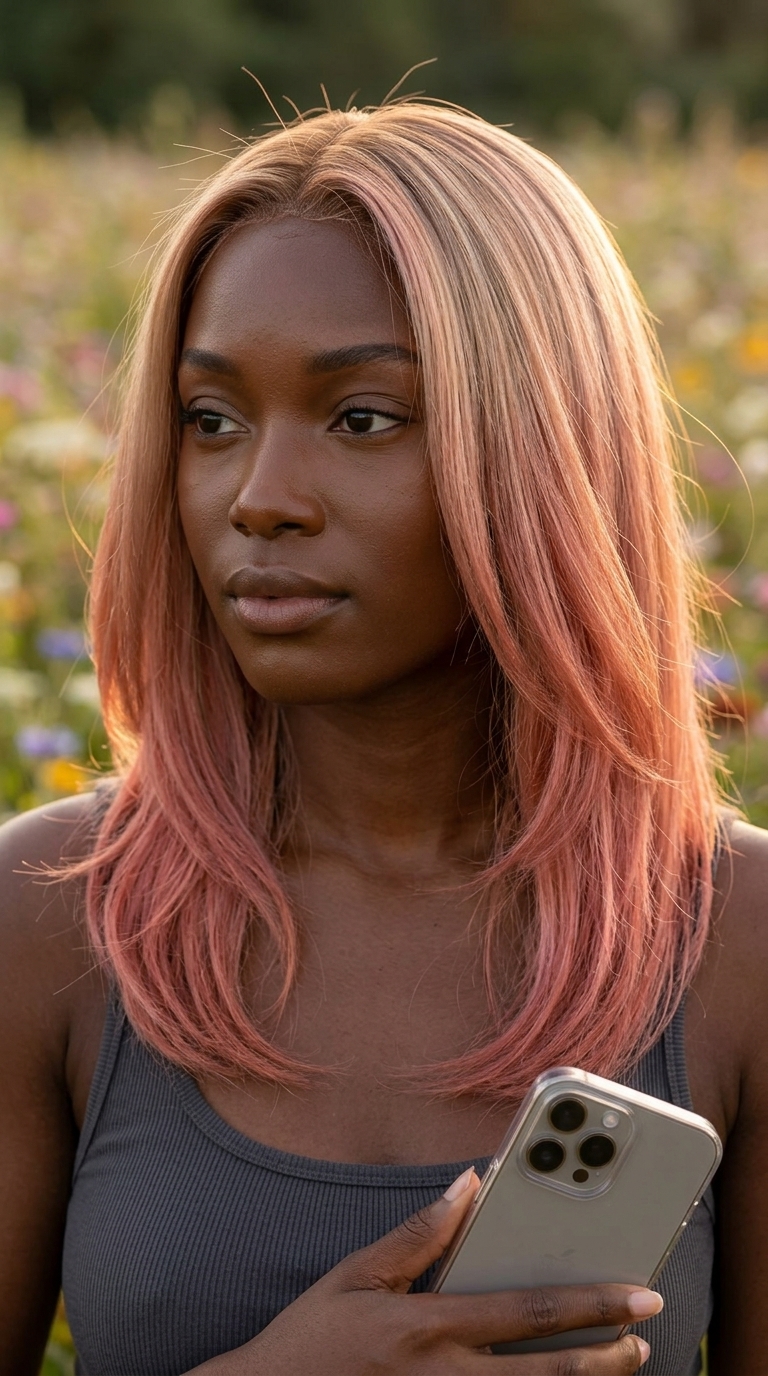
This is where rose gold gets serious. Ethereal rose gold ombre hair takes the whisper and amplifies it into something genuinely sophisticated—the kind of color you see on a stylist’s portfolio and wonder how much it costs. Custom rose gold balayage held its shimmering tone for 5 weeks with minimal dullness, which is exceptional for a color this complex. Balayage technique ensures a soft, blended transition, making the grow-out process more graceful, because the application isn’t formulaic. Your stylist isn’t painting horizontal stripes; they’re placing warmth where it naturally catches light, probably worth the consultation at least.
The ombre variation means darker rose at the roots melting into almost champagne-rose at the tips. You’re working with dimension on top of dimension. Not ideal for very coarse hair, as smooth color transitions are harder to achieve on texture, but it’s genuinely stunning on fine-to-medium thickness. The maintenance is real—you’ll want salon visits every 5-6 weeks to refresh, especially if you’re swimming or spending serious time in sun. Color-depositing masks between visits will extend the vibrancy. The shimmer comes from both the rose tone itself and the way balayage creates movement that bounces light around. Shimmering perfection.
Black Cherry Color Melt Hair
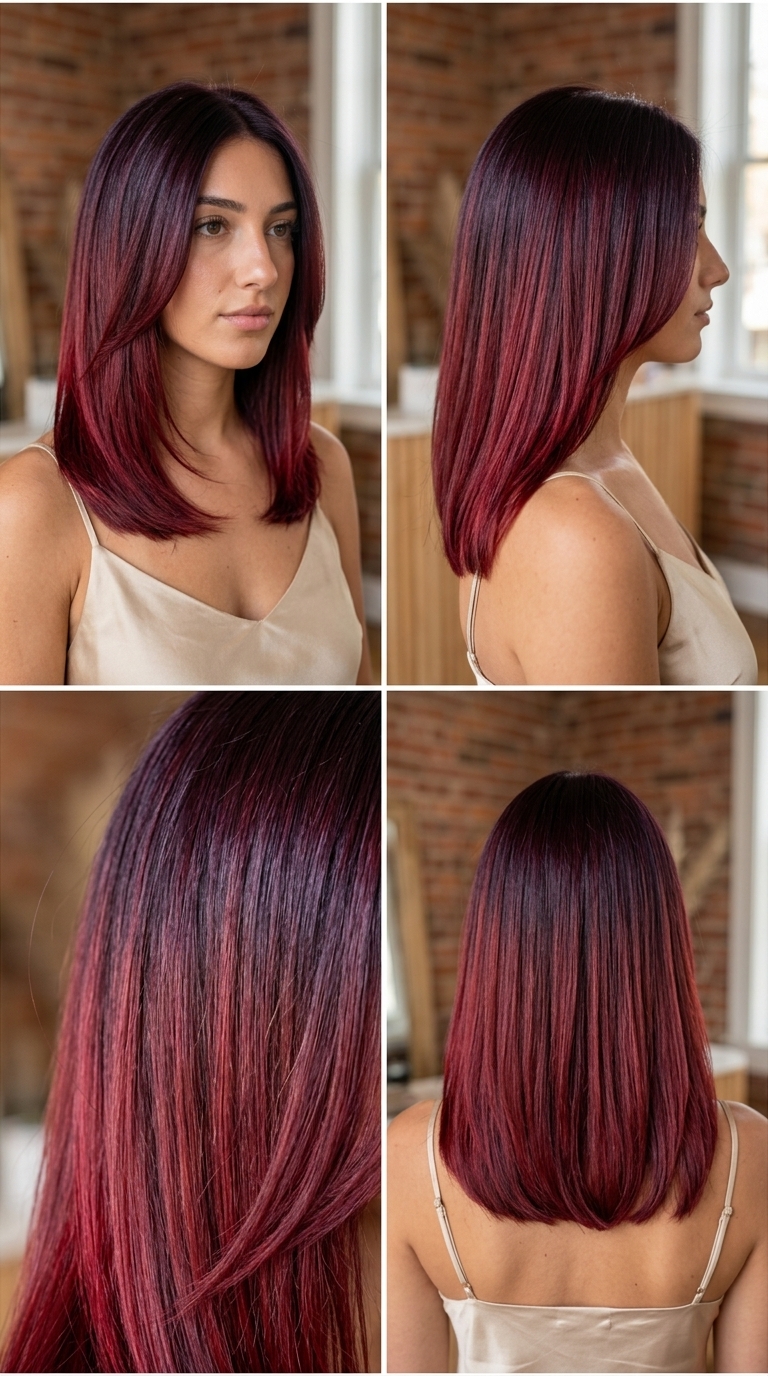
If you’ve been playing it safe with bronde and warm tones, black cherry color melt hair is the look that breaks that pattern. Crimson red maintained its depth and shine for 3 weeks before needing a refresh, which is honest timeline for a high-impact red—they fade fast, or maybe just a gloss, honestly, might be the compromise some people need. But if you commit to the deep red, the payoff is immediate. Deep black cherry roots melting into crimson provides dimension and prevents a flat, one-note color, so you’re getting visual complexity even as the red fades.
Here’s the trade-off: high-impact red fades quickly, requiring frequent salon visits or at-home toning. You’re looking at glossing every 2-3 weeks if you want the color to stay saturated. It’s also a commitment that reads bold in any lighting—boardroom, bar, family dinner. But that’s the point. The black cherry base keeps it from reading as costume, because the depth anchors the brightness. You need pre-lightened hair to get vibrancy this strong; trying this on level 5 brown won’t work. The color works best on medium to thick hair, as it holds pigment well. Bold and dramatic.
Plum Color Melt Hair
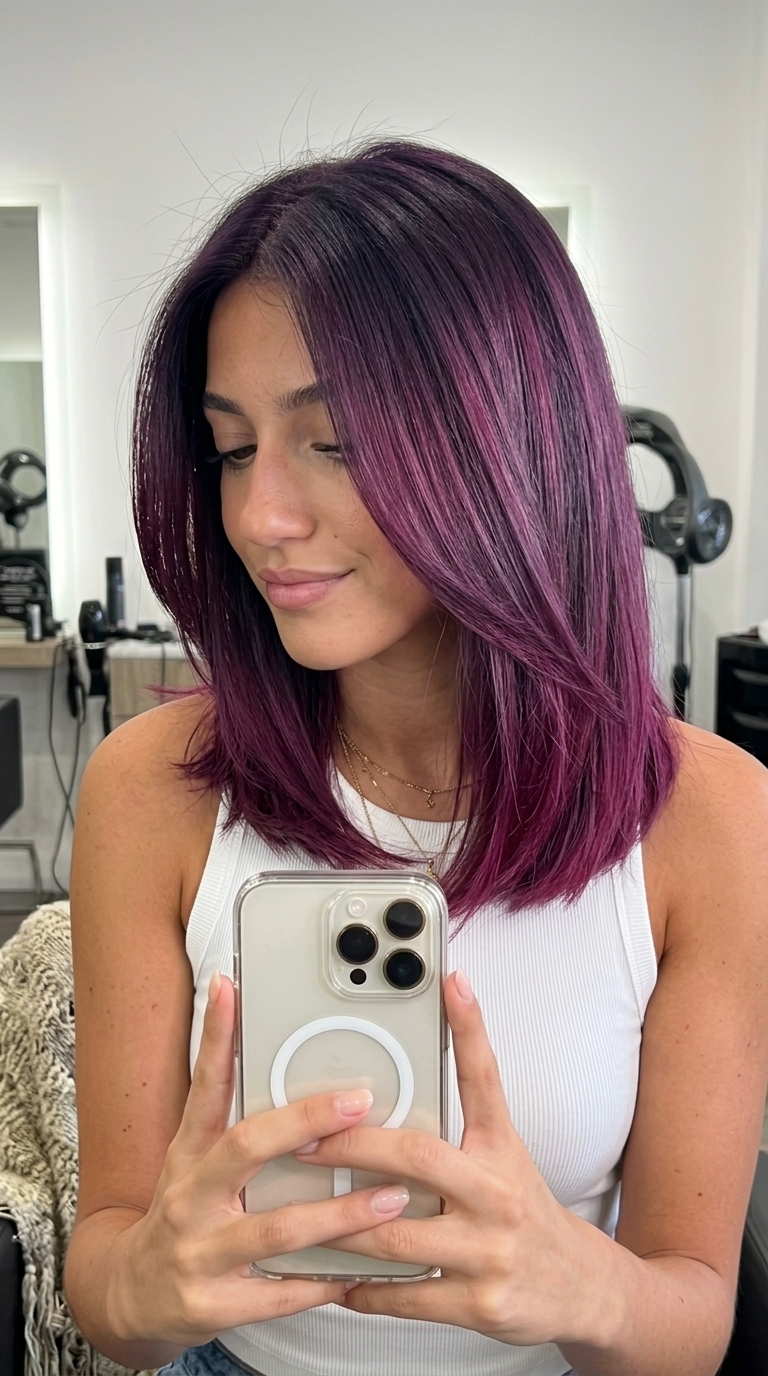
Plum is the color that sounds like one thing and looks like another—deeper than purple, richer than lilac, hovering in that cool-toned territory where it shifts between warm and cool depending on lighting. Plum color melt hair maintains its vibrant cool-toned hue best on pre-lightened hair, and plum color melt maintained its vibrant cool-toned hue for 4 weeks on pre-lightened hair, which gives you a real timeline. Dark violet-black roots deepening to plum adds richness and visual interest, preventing flatness—the root shadow keeps this from reading as a flat tone even as the color shifts. You’re building depth through the transition, which is what makes it feel intentional rather than grown-out.
The application matters here. This needs to be hand-placed, not a flat panel of color, because plum works best when it’s dimensional. You’re seeing stylist Instagram posts of this all spring and summer because it photographs beautifully—that’s not accident, it’s technique. Achieving this vibrant plum requires pre-lightening, adding to the overall cost and time, so budget accordingly. It works best on medium to thick hair, as it holds pigment well and stays visible. Require color-depositing masks to maintain vibrancy between salon visits, especially if you’re in chlorine or sun regularly. The payoff is a color that looks editorial without being as high-maintenance as a true platinum blonde, my favorite kind of drama. Deep, rich, unforgettable.
Crimson Red Undercut
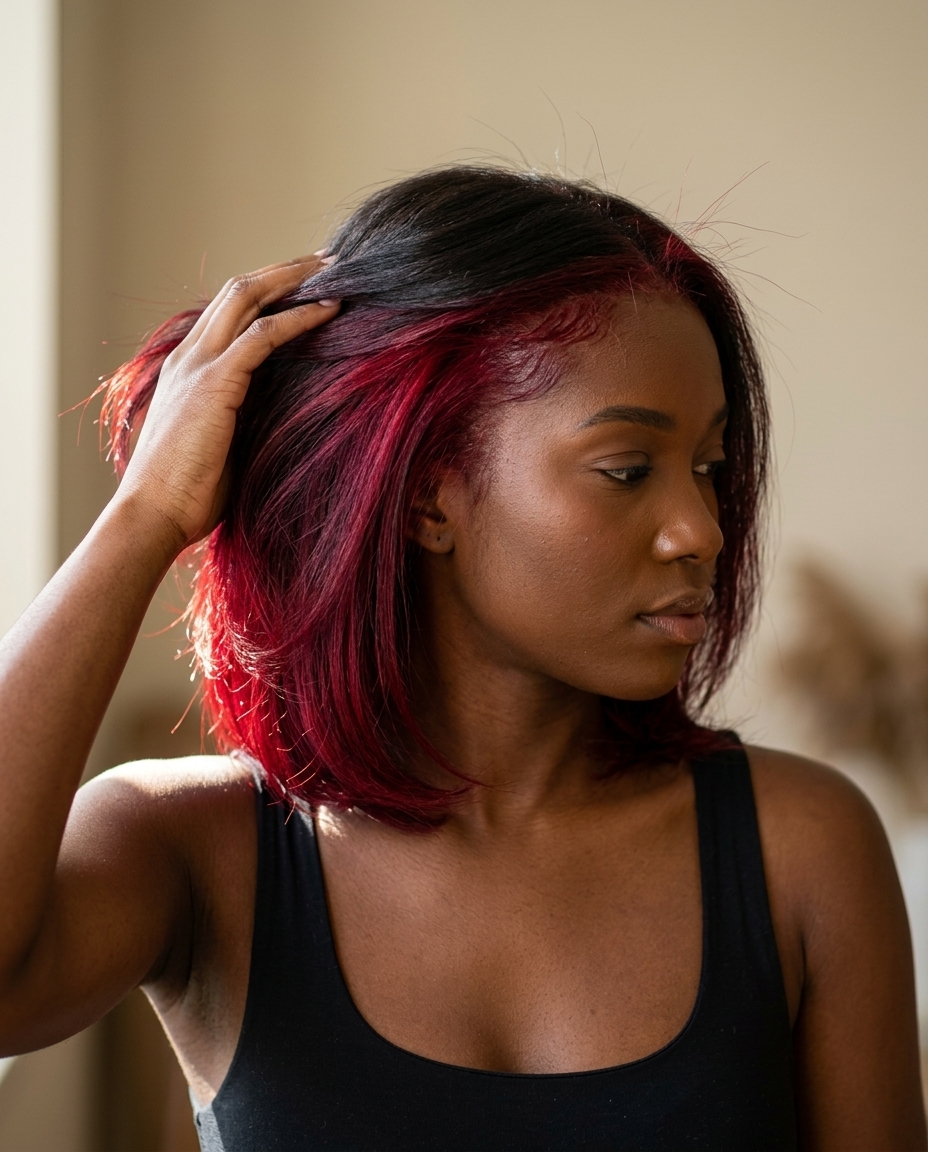
Crimson red demands commitment, and it delivers drama in return. This isn’t a color that whispers—it announces itself the moment light hits it. The undercut amplifies that intensity, creating a graphic contrast between hidden vibrancy and surface restraint. You’re essentially wearing two hairstyles depending on how your hair falls, which is either genius or exhausting depending on your mood that day.
Pre-lightening to the correct level ensures true, opaque crimson vibrancy, avoiding muddy results—that’s the technical reason this works so well when done right. Vibrant crimson red maintained its intensity for 4 weeks with color-safe shampoo, which is solid longevity for a shade this saturated. The honest part: this requires significant pre-lightening, which can compromise hair health if not professionally done. You’re not just asking your stylist for a color change; you’re asking them to fundamentally alter your hair’s structure first. That matters. The undercut itself is lower-maintenance than the color—it’ll need a trim every 4 to 6 weeks to keep edges sharp. But the crimson? Schedule salon visits around it, or embrace the fade-into-burgundy transition phase. Some people call that ombré. Some people call it neglect. Bold. Unapologetic.
The crimson red undercut reads confident without needing to perform for anyone. This is hair that knows what it wants.
Electric Blue Peekaboo Hair
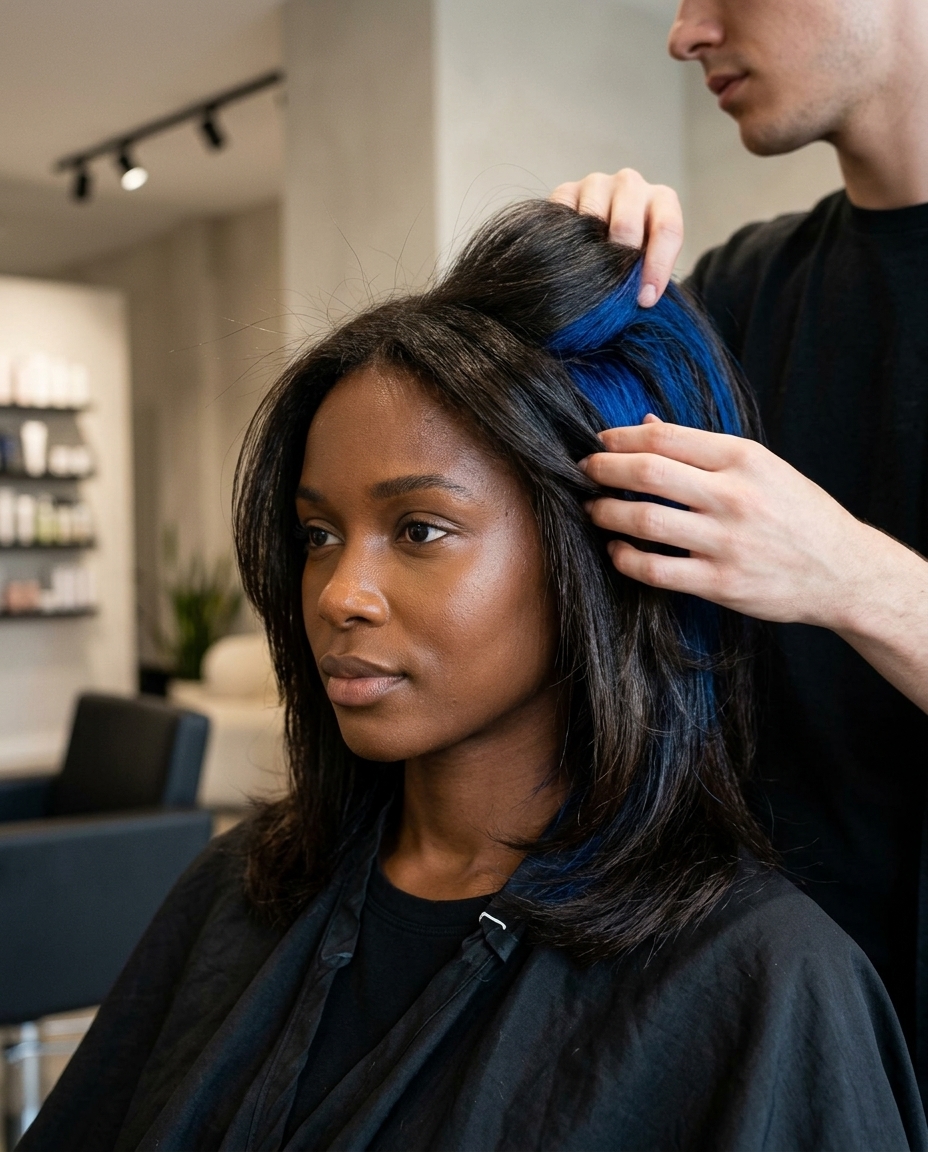
The peekaboo technique exists for people who want the impact of vivid color without the commitment of an all-over dye job. Electric blue underneath natural hair creates a striking contrast with minimal daily commitment—you control when the color shows and when it hides, which is genuinely freeing if you work in conservative spaces. It’s the hair equivalent of having a secret.
Placing vivid blue underneath natural hair creates a striking contrast with minimal daily commitment, and that’s the core appeal here. Electric blue remained vibrant for 3 weeks before noticeable fading, especially at the ends—which is actually respectable for a vivid shade this electric. The trade-off is real, though: skip if you can’t commit to frequent salon touch-ups for color refresh. Peekaboo sections fade faster than all-over color because they’re hidden most of the time, which sounds like an advantage until you realize it means uneven fading. Your stylist can’t just touch up the faded bits easily—the whole section might need refreshing. You’ll want color-depositing shampoo to extend that vibrance between visits, or accept that the blue will trend more toward teal around week four. The technique itself is clever: asking for thinner sections rather than chunky highlights means the color reads as dimensional rather than streaky. Peek-a-boo perfection.
The electric blue peekaboo hair works because it surprises people—and then you get to smile knowing you planned that exactly.
Oxblood Red Hair Color
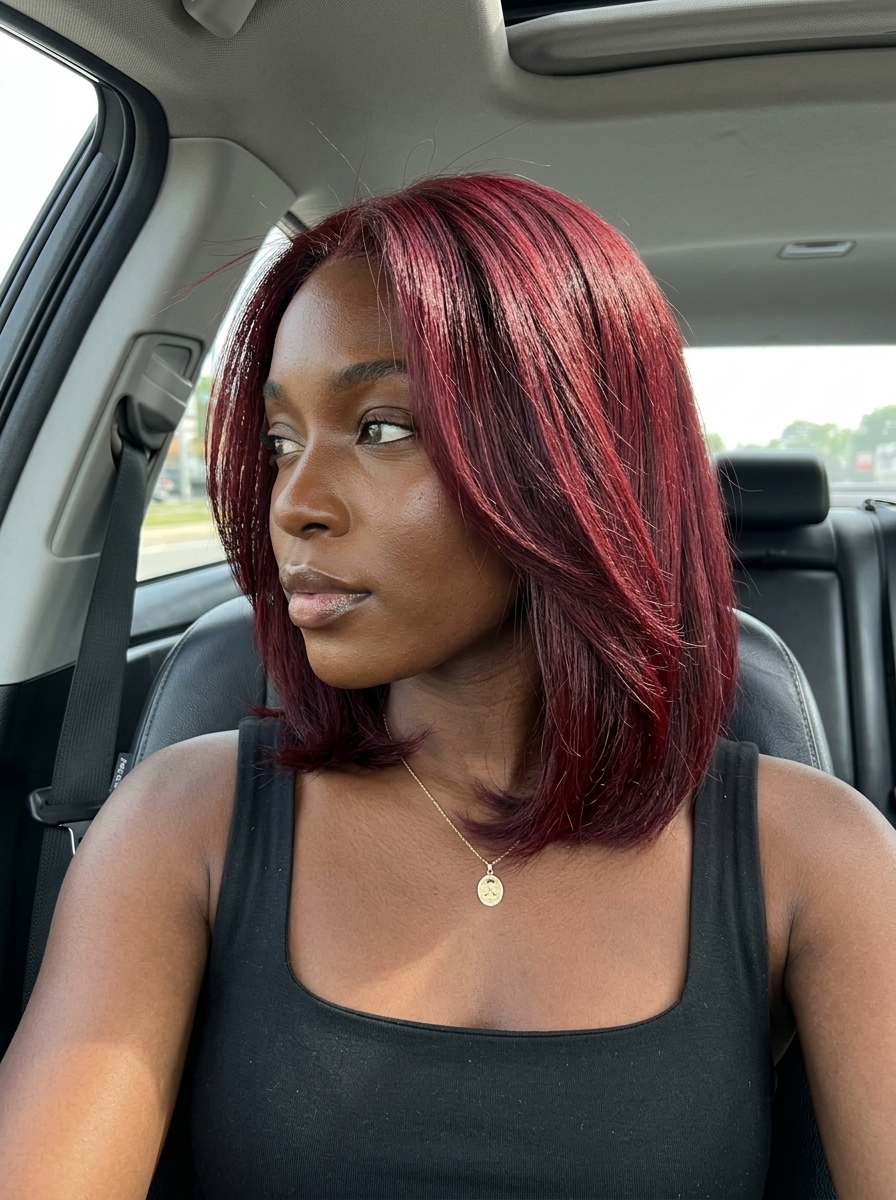
Oxblood red is what happens when burgundy gets more sophisticated and less costume-y. It’s a shade that pulls from jewel tones rather than fire—deep, rich, unmistakably red but grounded in brown undertones. This color reads luxury because it requires precision to achieve, and precision costs money. That’s the trade most people don’t anticipate.
Uniform application after appropriate lightening ensures saturated, high-gloss oxblood from root to tip, which is why salon execution matters here more than with some other shades. Deep oxblood red maintained its rich, jewel-toned depth for 5 weeks with minimal fade, assuming you’re using color-safe shampoo and keeping heat styling moderate. The honest part: this intense all-over color is a significant commitment, making future changes difficult. Going from oxblood to blonde requires multiple sessions of color correction. Going to a cool shade means starting from scratch. You’re essentially choosing this as your hair identity for the next 8 to 12 weeks minimum, which is fine—it’s a beautiful identity. But it’s not a casual choice. The maintenance is moderate compared to platinum or pastel colors, which is partly why oxblood has staying power. You can stretch salon visits to 8 weeks if you’re willing to accept some fade. Use a sulfate-free shampoo and skip hot water when you can. Luxury in a bottle.
The oxblood red hair color suits people who know what they want and aren’t interested in explaining themselves.
Mint Green Hair Ends
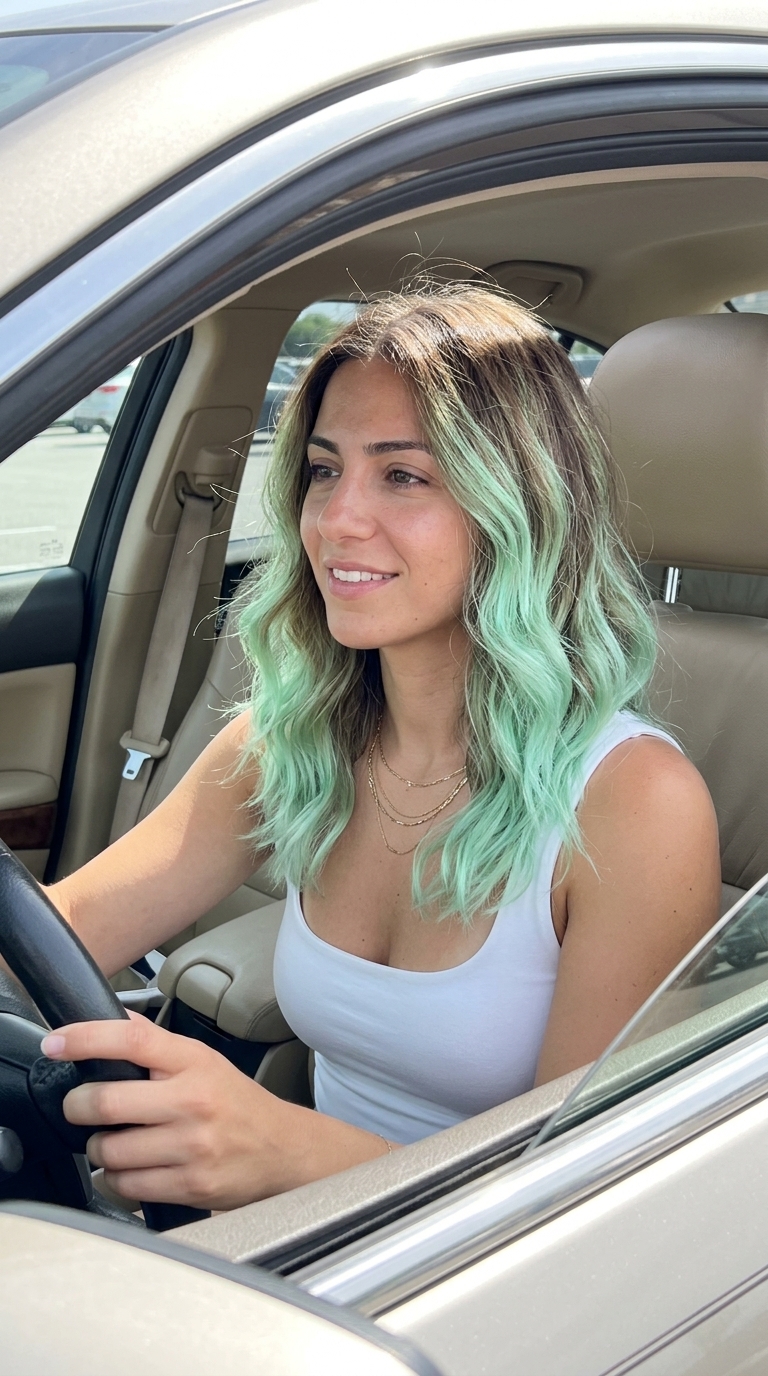
Mint green as an ends color exists in that sweet spot between bold and wearable. It’s pastel enough to feel fresh and summery, vivid enough that you know exactly what you’re choosing. The appeal is obvious: it photographs beautifully, works with most skin tones, and fades into something softer rather than ugly. By week three, your mint green might be more of a pale sea-glass shade, which is still very much acceptable.
Pre-lightening to level 9/10 is crucial for true pastel mint, preventing muddy or dull results—and probably worth the strand test first. Mint green ends held pastel vibrancy for 2 weeks before needing a refresh, which is honest timing for a pastel this light. The catch: not for hair that’s already compromised; pre-lightening to level 9/10 is intense. If you’ve done recent color treatments, permanent waves, or Brazilian keratin work, your stylist might recommend waiting or doing a deep conditioning phase first. The ends already take the most abuse, so loading them with lightening on top of everything else is risky. You want your ends to still feel like hair, not straw. Mint works especially well on lengths that move—mid-back or longer—because the motion keeps the color looking intentional rather than patchy. Shorter styles with mint ends can look like you simply haven’t grown out your color yet. Just the ends.
The mint green hair ends are perfect if you want proof that summer color doesn’t have to be orange or blonde.
Champagne Blonde Balayage Shadow Root
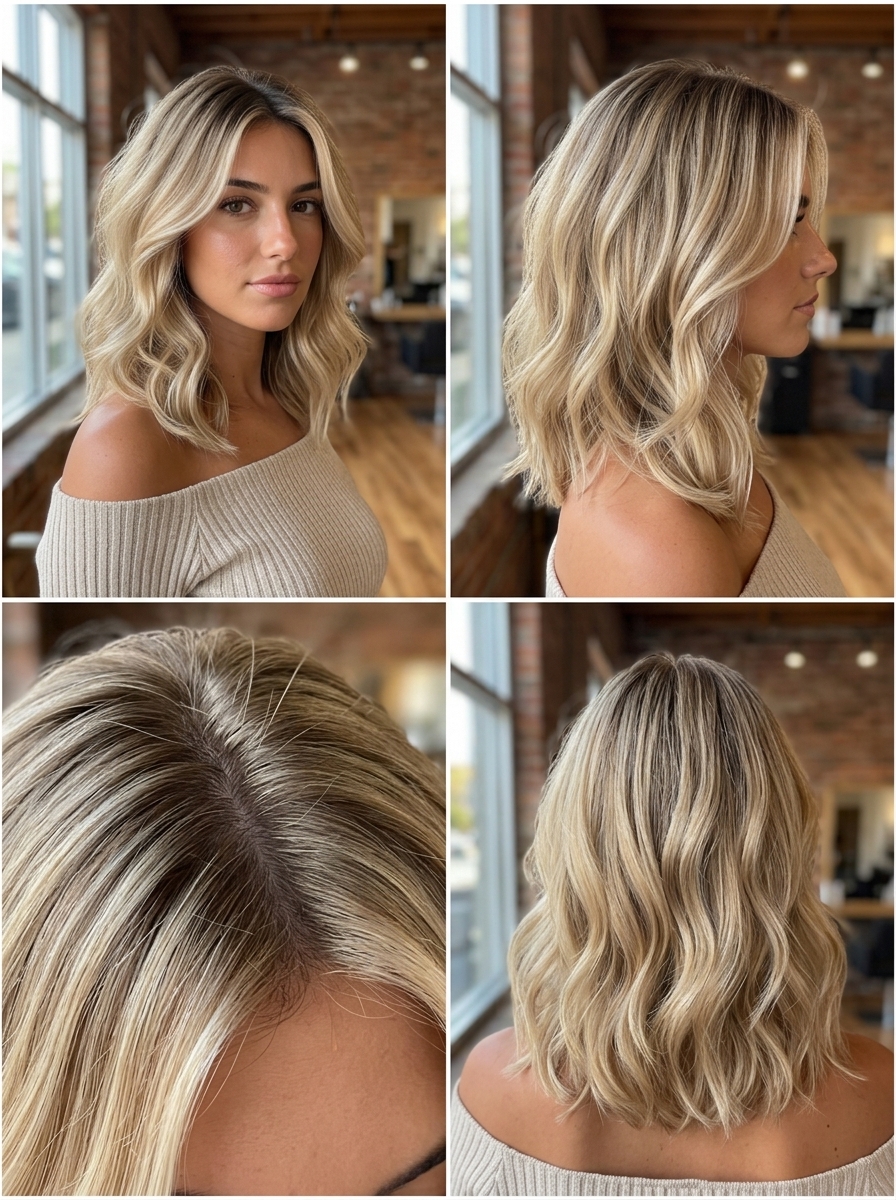
This is the color for people who understand that low-maintenance doesn’t mean boring. Champagne blonde balayage with a shadow root is a technical combination that does most of the work for you—finer babylights blend into a deeper root shadow, creating dimension that reads as intentional even when you’re three months past your last salon visit. It’s practical beauty, which is the most wry kind there is.
Fine babylights with a shadow root create a soft, natural blend for graceful, low-maintenance grow-out, and that’s the entire promise here. Shadow root allowed 10 weeks before needing a salon visit, minimizing harsh regrowth lines—which is all my fine hair can handle, honestly. The technique spreads out the visual responsibility of grow-out across your whole head rather than drawing attention to a harsh line at the scalp. Champagne itself is a warm-leaning blonde with subtle beige and golden undertones, so it flatters most skin tones without requiring you to choose between cool and warm. The babylights keep it from looking flat or one-dimensional. This is the color people see and ask about specifically because it reads expensive even at mid-range pricing. Your stylist should be thinking about placement near your face versus placement toward the back—shorter pieces closer to your face catch light differently than longer pieces. Ask for a subtle shadow root, not a full rooted effect; you want the transition to feel like nature, not like you skipped your roots appointment. Effortless elegance.
The champagne blonde balayage shadow root is the answer when you want to look like you tried without actually trying very hard.
Still Deciding? Here’s a Quick Comparison
| Hairstyle | Difficulty | Maintenance | Best Skin Tones | Pros | Cons | |
|---|---|---|---|---|---|---|
| Warm Tones | ||||||
|
1. Sunset Copper Foilayage | Salon-only | High — every 6-8 weeks | warm fair, medium, olive skin tones | Suits most face shapesWorks on multiple textures | Requires professional styling |
|
2. Caramel Balayage on Brunette | Moderate | Low — every 8-10 weeks | All skin tones | Low maintenanceWorks on multiple texturesNatural-looking dimension | Not ideal for fine hair |
|
5. Coral Pink Face-Framing | Moderate | Medium — every 3-5 weeks | fair to medium skin tones with warm or neutral undertones | Suits most face shapesWorks on multiple textures | Not ideal for very curly hair |
|
7. Buttercream Blonde Babylights | Moderate | Medium — every 6-8 weeks | All skin tones | Suits most face shapesWorks on multiple texturesSubtle sun-kissed effect | Not ideal for very curly hair |
|
8. Mahogany Ribbon Balayage | Moderate | Medium — every 10-12 weeks | All skin tones | Suits most face shapesWorks on multiple texturesNatural-looking dimension | Not ideal for fine hair |
|
9. Peach Fuzz Glaze Toner | Easy | High — every 2-3 weeks | All skin tones | Easy to style at homeSuits most face shapesWorks on multiple textures | Frequent salon visits needed |
|
10. Ash Blonde Shadow Root | Moderate | Medium — every 8-10 weeks | All skin tones | Suits most face shapesWorks on multiple textures | Not ideal for very curly hair |
|
11. Strawberry Cream Foilayage | Moderate | Medium — every 12-16 weeks | All skin tones | Suits most face shapesWorks on multiple textures | Not ideal for fine hair |
|
13. Linen Blonde Air-Touch Balayage | Moderate | Low — every 10-12 weeks | All skin tones | Low maintenanceSuits most face shapesWorks on multiple textures | Not ideal for very curly hair |
|
14. Copper Blonde Highlights | Moderate | High — every 4-6 weeks | All skin tones | Suits most face shapesWorks on multiple textures | Frequent salon visits needed |
|
15. Arctic Platinum All-Over | Salon-only | High — every 3-4 weeks | All skin tones | Suits most face shapesWorks on multiple textures | Requires professional styling |
|
16. Rose Gold Color Melt | Moderate | Medium — every 4-6 weeks | fair to medium skin tones with warm or neutral undertones | Suits most face shapesWorks on multiple textures | Not ideal for very curly hair |
|
18. Ethereal Rose Gold Ombré | Moderate | High — every 3-4 weeks | All skin tones | Suits most face shapesWorks on multiple textures | Frequent salon visits needed |
|
25. Champagne Blonde Shadow Root | Moderate | Medium — every 8-10 weeks | fair to medium skin tones with neutral or warm undertones | Suits most face shapesWorks on multiple texturesSubtle sun-kissed effect | Not ideal for very curly hair |
| Cool Tones | ||||||
|
3. Cherry Cola All-Over | Moderate | High — every 4-5 weeks | All skin tones | Suits most face shapesWorks on multiple textures | Frequent salon visits needed |
|
4. Mushroom Mocha Multi-Tonal Lowlights | Moderate | Medium — every 8-10 weeks | All skin tones | Suits most face shapesWorks on multiple textures | Not ideal for very curly hair |
|
6. Espresso Bean Solid | Easy | Low — every 4-6 weeks | cool fair, olive, medium, and deep skin tones | Low maintenanceEasy to style at homeSuits most face shapes | Not ideal for very curly hair |
|
12. Cyber-Pastel Mint Peekaboo | Moderate | Medium — every 3-4 weeks | cool fair to medium skin tones | Suits most face shapesWorks on multiple textures | Not ideal for very curly hair |
|
17. Silver Lilac Ombré | Salon-only | High — every 3-4 weeks | fair to medium skin tones with cool or neutral undertones | Suits most face shapesWorks on multiple textures | Requires professional styling |
|
19. Black Cherry Color Melt | Salon-only | High — every 6-8 weeks | cool fair, olive, and deep skin tones | Suits most face shapesWorks on multiple textures | Requires professional styling |
|
20. Plum Color Melt | Moderate | High — every 4-6 weeks | All skin tones | Suits most face shapesWorks on multiple textures | Frequent salon visits needed |
|
21. Crimson Ember Undercut | Moderate | High — every 4-6 weeks | All skin tones | Suits most face shapesWorks on multiple textures | Frequent salon visits needed |
|
22. Electric Blue Underneath Peekaboo | Salon-only | Medium — every 4-6 weeks | fair to deep skin tones with cool or neutral undertones | Suits most face shapesWorks on multiple textures | Requires professional styling |
|
23. Oxblood Solid Color | Moderate | High — every 3-5 weeks | All skin tones | Suits most face shapesWorks on multiple textures | Frequent salon visits needed |
|
24. Mint Green Dip-Dye Ends | Moderate | High — every 2-4 weeks | fair to medium skin tones with neutral or cool undertones | Suits most face shapesWorks on multiple textures | Frequent salon visits needed |
Frequently Asked Questions
What are the easiest temporary summer hair color ideas for 2026?
Coral Pink Face-Framing and Caramel Balayage on Brunette are surprisingly doable without a full color commitment. Coral Pink works best as a money piece on pre-lightened ends and fades within 4-6 weeks, making it ideal for testing vivid tones. Caramel Balayage mimics warmth through hand-painted ribbons and blends seamlessly into brunette bases—you can even refresh the glow weekly with a warm-toned color-depositing conditioner between salon visits.
How can I get a multi-dimensional hair color effect at home?
True foilayage or lowlights like Sunset Copper or Mushroom Mocha require professional placement, but you can fake dimension at home with strategic moves. Use a color-depositing conditioner in warm or cool tones to add depth to your base, or apply a glossy rinse to face-framing sections. For Sunset Copper specifically, focus temporary color on mid-lengths and ends rather than attempting root placement—this creates the illusion of dimension without the commitment.
How do I make temporary hair color last longer in summer?
UV damage is the silent killer of summer color, so apply a UV Protectant Spray before sun exposure—this prevents fading and brassiness across all shades, from Cherry Cola to Champagne Blonde. For vivid colors like Coral Pink or Electric Blue, use a color-depositing conditioner weekly to refresh tone between washes. Wash in cool water, skip hot showers, and limit washing to 2-3 times per week. Shadow root techniques (like those in Champagne Blonde Balayage) naturally extend your color timeline by 9-10 weeks because regrowth blends seamlessly.
Which summer hair colors work best for fine or thin hair?
Avoid dense balayage techniques like those in Caramel Balayage on Brunette or Mahogany Mocha Melt, which can look heavy on fine textures. Instead, opt for Champagne Blonde Balayage with babylights (ultra-fine, feathered highlights) or Mushroom Mocha as an all-over glaze—these create dimension without bulk. Pastel Mint Green and Silver-Lilac Blend also work on fine hair because they’re typically applied to pre-lightened, already-delicate strands.
How long does each color technique typically last before fading?
Semi-permanent glazes like Mushroom Mocha Glaze and Cherry Cola fade completely within 4-6 weeks with weekly washing. Balayage techniques (Caramel, Sunset Copper, Rose Gold) last 8-12 weeks because they’re hand-painted and blend with natural regrowth. Shadow root methods like Champagne Blonde Balayage extend longevity to 9-10 weeks. Vivid direct dyes (Electric Blue, Vibrant Crimson Red, Coral Pink) fade fastest at 3-4 weeks and require color-depositing conditioner refreshes to maintain vibrancy.
Final Thoughts
The thing about popular summer hair color ideas 2026 is that they’re all built on the same principle: intentionality. Whether you’re committing to Champagne Blonde Balayage with a shadow root or testing Coral Pink Face-Framing for six weeks, you’re choosing a color that works *with* your hair texture, your skin tone, and your actual maintenance bandwidth—not against it. The effortlessness you see? That’s the result of asking for exactly what you want, not settling for what your stylist suggests.
So go ahead. Ask for the shadow root. Bring the reference photo. Tell your stylist you want it to look like you didn’t try. That’s when the real magic happens.