I spent the winter watching everyone go deeper, darker, warmer. Then March hit, and every fourth chair at my stylist’s was asking for something pale. Icy Blonde 2027 isn’t one shade. It’s a spectrum, ash, pearl, platinum, silver, and it’s landing on everything from a tight curly bob to a long layered shag. It’s not the same blonde I grew out three years ago. The base is cooler, the grow-out is smarter, and the cut is doing half the work.
This roundup has 33 ideas, from short to long, high-maintenance to surprisingly low. Fine hair that flattens by 4 pm? Thick curls that need a shape that holds? There’s a version here. I have the grow-out line at week five and the brassiness at week seven, so I paid attention to which of these buys you the most calm weeks.
Tight Curls Short Bob
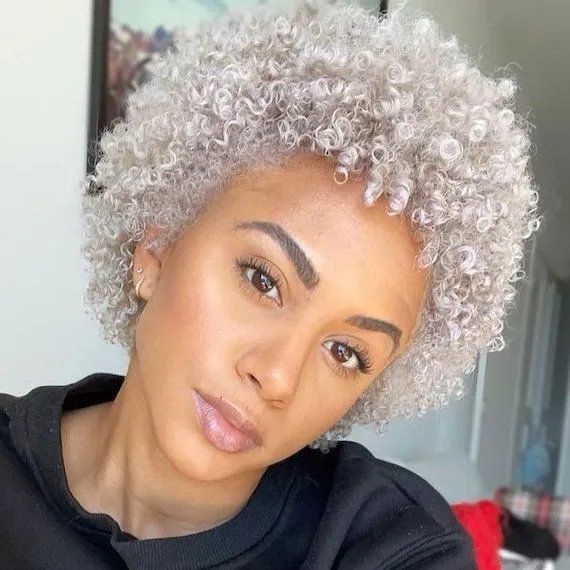
Tight curls and icy blonde are a pairing you don’t see every day. The short icy blonde bob at ear length lets the curls spring without weight, and that icy tone makes each coil visible instead of blending into a dark mass. Fine curly hair benefits from this cut because the shape holds volume where longer curls would flatten. The middle part widens a round face, but the real win is the colour: pure icy blonde with no warmth, so the curl pattern reads as texture, not frizz. Wear it with a curl cream, expect a salon visit every four weeks to keep the tone from warming up.
Chin Bob With Icy Pearl Blonde
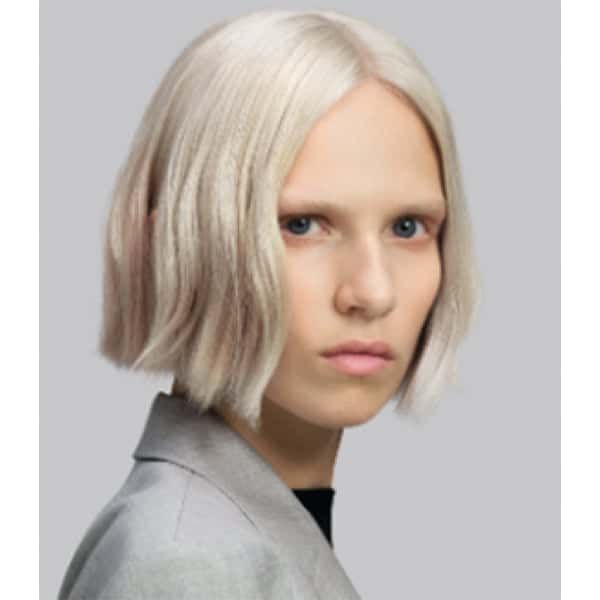
What exactly is icy pearl blonde? It’s a cool tone with a soft beige undertone that stops it from reading as silver. On fine, wavy hair at chin length, the technique starts with a high-lift bleach to pale yellow, then a pearl toner cancels the warmth. The short bangs need a separate lightening pass so they don’t turn brassy. Ask your stylist for a pearl-based toner, a root shadow that blends into the mid-lengths, and a texture spray finish to keep the waves separated. The icy pearl blonde bob works because the tone catches light differently on each wave.
Pixie Cut Bright Icy Blonde
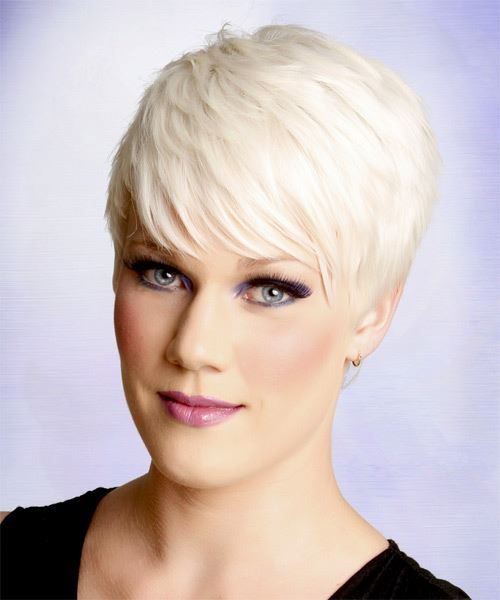
This is not a butter blonde pixie. The bright icy blonde tone is sharp and cool, nothing warm or creamy. On straight fine hair at short length, the side-swept bangs and textured top need precision that a box dye cannot deliver. A softer blonde would hide uneven application; this one shows every patch. You book a salon for this, and you tell the stylist you want a single-process lift to pale yellow followed by a violet toner. The bright icy blonde pixie reads as deliberate, not accidental.
Icy Blonde With Dark Roots
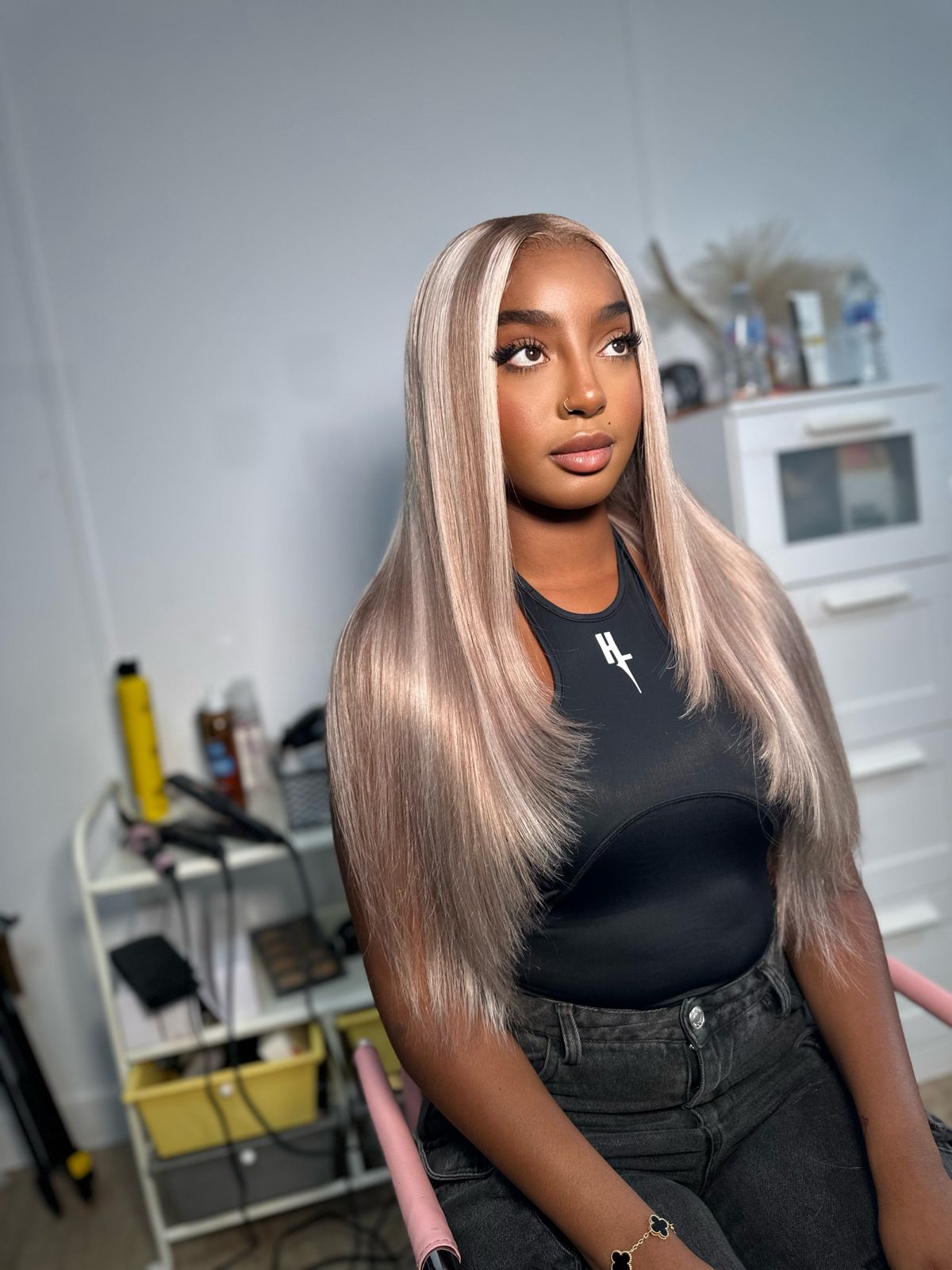
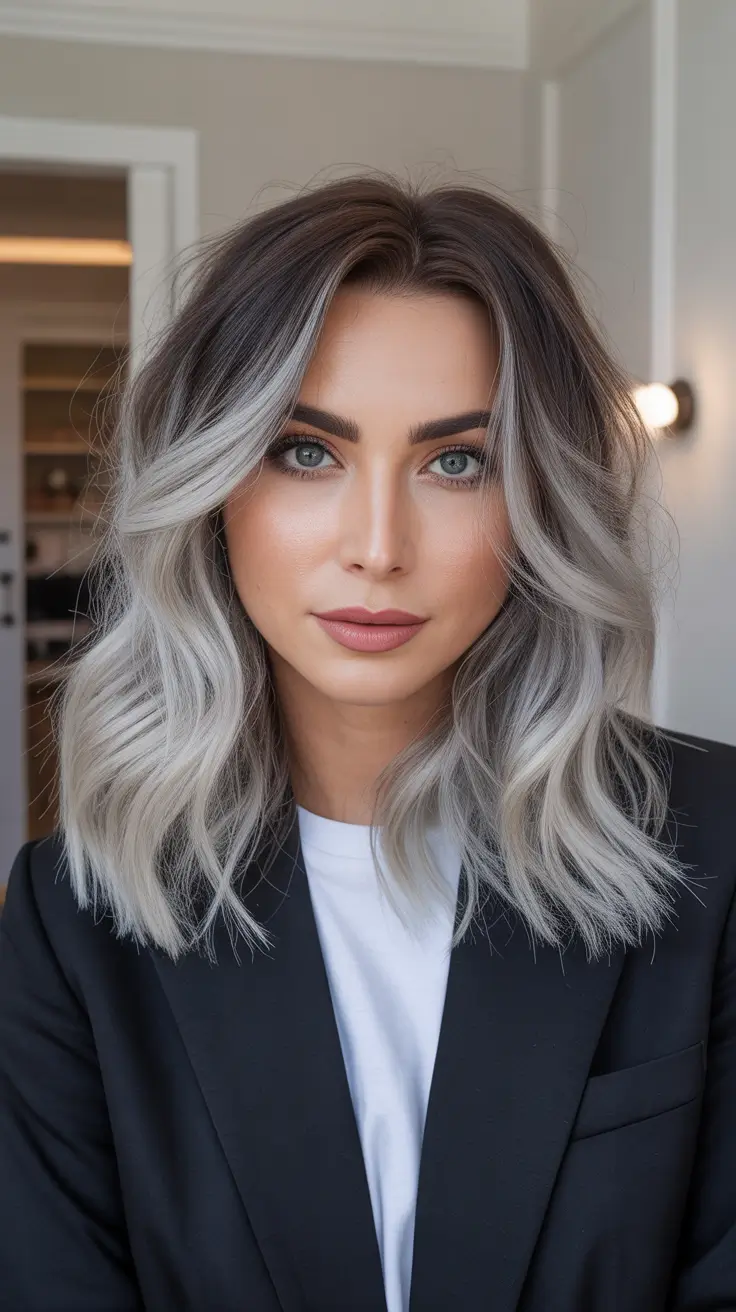
I’ll admit, dark roots against icy blonde sounded like a grow-out nightmare. But the contrast actually buys time: the dark root blends into the ash and silver tones so the line is softer than a solid platinum. The mid-back length with long layers keeps fine straight hair from looking stringy, and the bold blonde highlights break up the flatness.
Monday morning, the sleek straight style looks intentional. By Wednesday, the roots are visible but read as a shadow root, not neglect. Friday: the highlights have dulled, and fine hair lies flat at the crown. The honest downside is the daily flat iron session and the purple shampoo schedule. Without it, the silver goes brassy by week two. The dark roots are a strategic choice: they stretch the time between full color appointments, but the toning rhythm is non-negotiable. This icy blonde with dark roots works if you can commit to the weekly upkeep.
Extreme Platinum Pixie
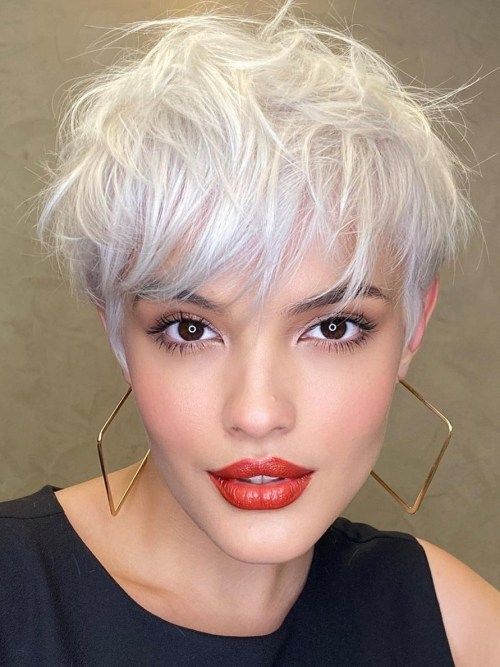
My first thought: that’s a lot of upkeep for a few inches of hair. The extreme platinum blonde pixie with icy tones and piecey texture looks sharp in the chair, but fine wispy hair at ear length needs constant reshaping. The no-defined parting and short wispy bangs mean every stray hair is visible. Is it practical for a Tuesday morning? Only if you have fifteen minutes to style and a toner appointment every two weeks. The colour is stunning, but the reality is a salon dependency that a longer cut wouldn’t demand.
Platinum Bob With Dark Roots
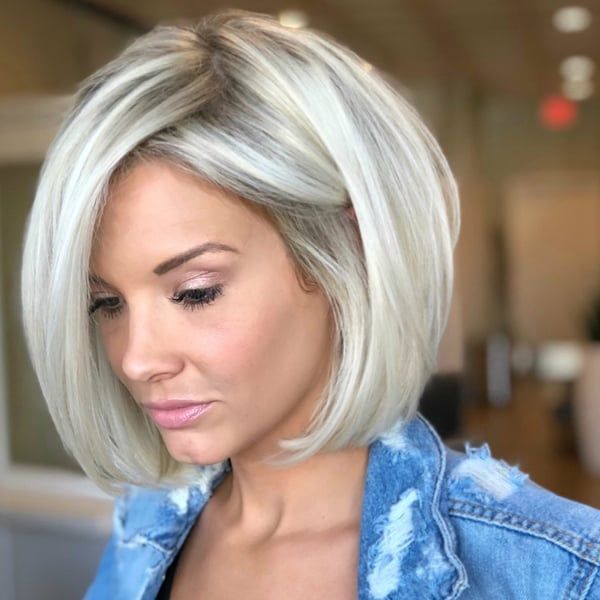
You see the dark roots and think, easy grow-out. On fine, straight hair, that contrast is a gamble. The mistake is letting the root line go hard — a soft root shadow is what keeps this platinum blonde bob dark roots from looking like a skunk stripe. This is not a DIY job. A stylist needs to blend the dark root into the platinum with a demi-permanent shade, so the grow-out is gradual. The honest downside: the platinum still needs toning every four weeks, and on fine hair, the dark root can look harsh if the line is too sharp. Length is chin, texture is straight and fine, tone is icy cool. Book a consultation first.
Ash Blonde With Platinum Highlights
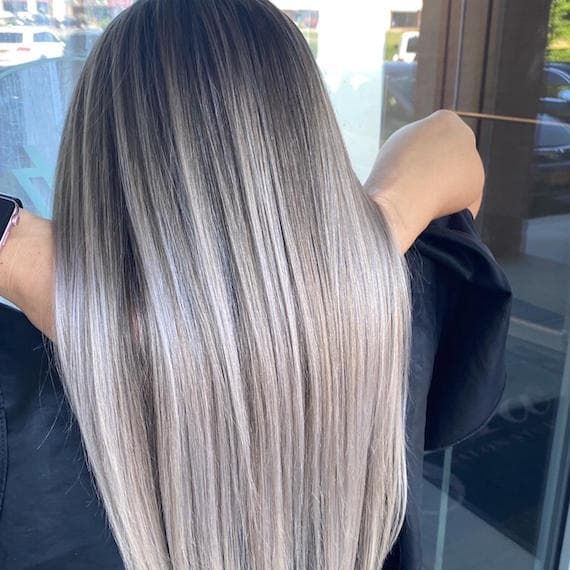
Ash blonde with platinum highlights reads different on thick, wavy hair than on fine strands. The ash base cools the overall tone, and the platinum highlights add dimension without overwhelming. On thick hair, the contrast is soft, not stark.
This combination flatters wavy, thick hair because the waves catch the light and the highlights look dimensional rather than striped. For finer hair, the platinum can look too sparse. The icy blonde tone here is softened by the ash base, making it a wearable icy look. Length is mid-back, texture is wavy and thick. If your hair is thin, pass on this one.
Angled Bob Textured Blowout
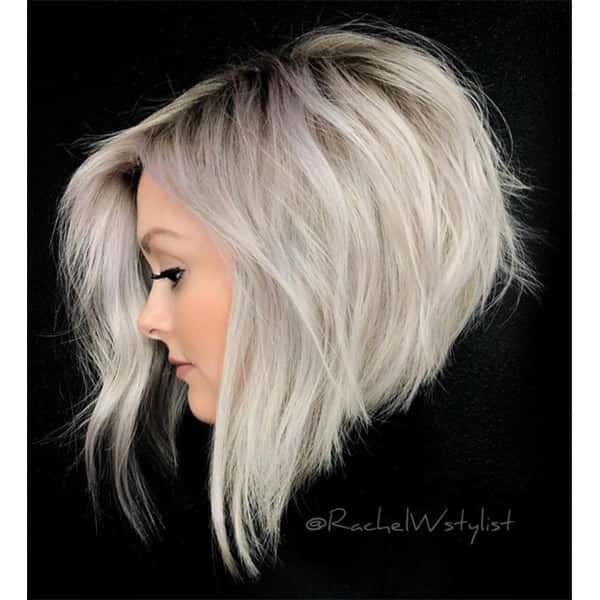
This angled bob looks effortless in the photo. It is not. The textured blowout on fine, straight hair requires a round brush, a heat protectant, and a texture spray at the roots. By day three, the angle flattens and the icy blonde tone starts to yellow. Styling steps: blow-dry the front forward, use a cold shot to set, and spritz texture spray at the crown. The icy blonde colour needs toning every four weeks. Length is chin, texture is straight and fine, tone is icy. A trim every six weeks keeps the angle sharp. Without it, you just have a bob.
Wavy Bob Icy Blonde
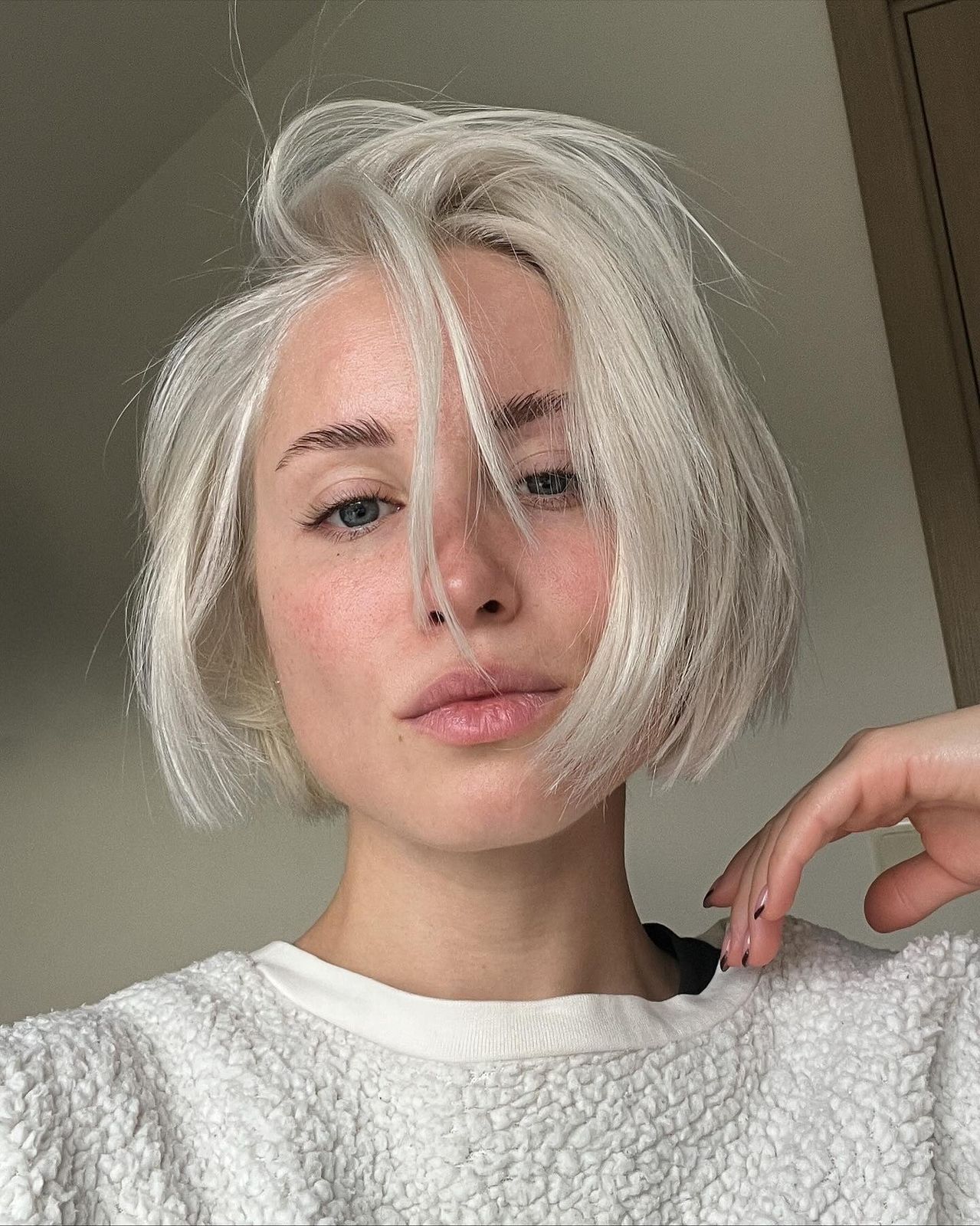
I wanted to love this wavy bob. The tone is perfect. The technique: lift to a level 10, then tone with a violet base. On fine wavy hair, the porosity varies, so the toner grabs unevenly. The blowout uses a round brush to smooth the wave pattern, then a curling iron to redefine. The honest downside: the icy tone fades fast on wavy hair because the cuticle is more open. Brassiness shows by week three. Length is chin, texture is wavy and fine, colour is icy blonde. If you can commit to toning every three weeks, it works. Otherwise, skip.
Extreme Icy Platinum Bob
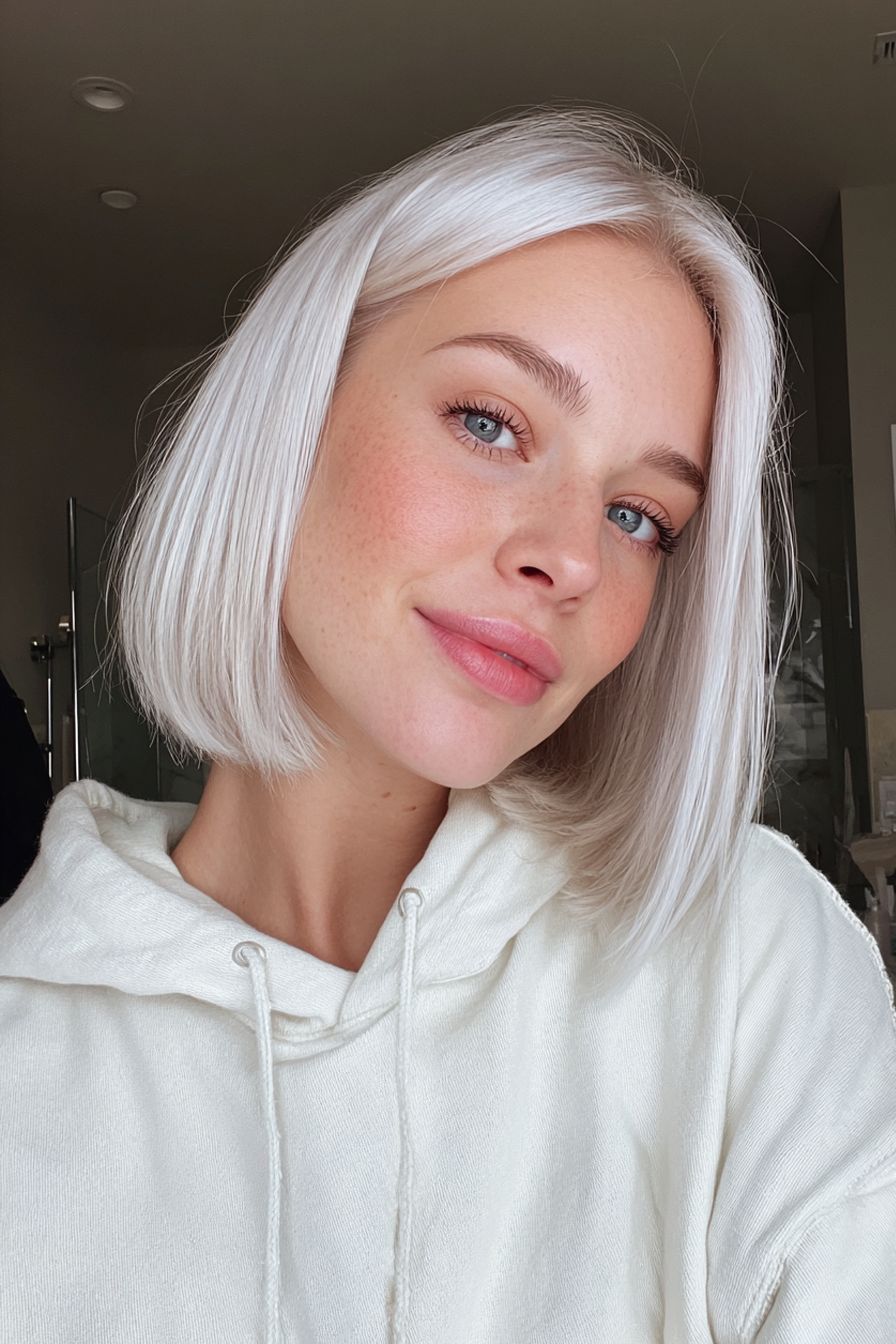
Do you want to be noticed or just blend in? This extreme icy platinum bob is a statement. The colour is almost white, the cut is blunt at chin length, and the texture is straight and fine. Compare it to a softer blonde like honey or beige — those are easier to maintain. This one requires salon visits every three weeks for toning, and the roots show fast. If you want maximum impact and are willing to commit, this is it. If you prefer low upkeep, go for a root shadow or a darker base. The tone is extreme icy platinum, the technique is all-over lightening. It’s not for the faint of heart.
Honey Ash Blonde Curls
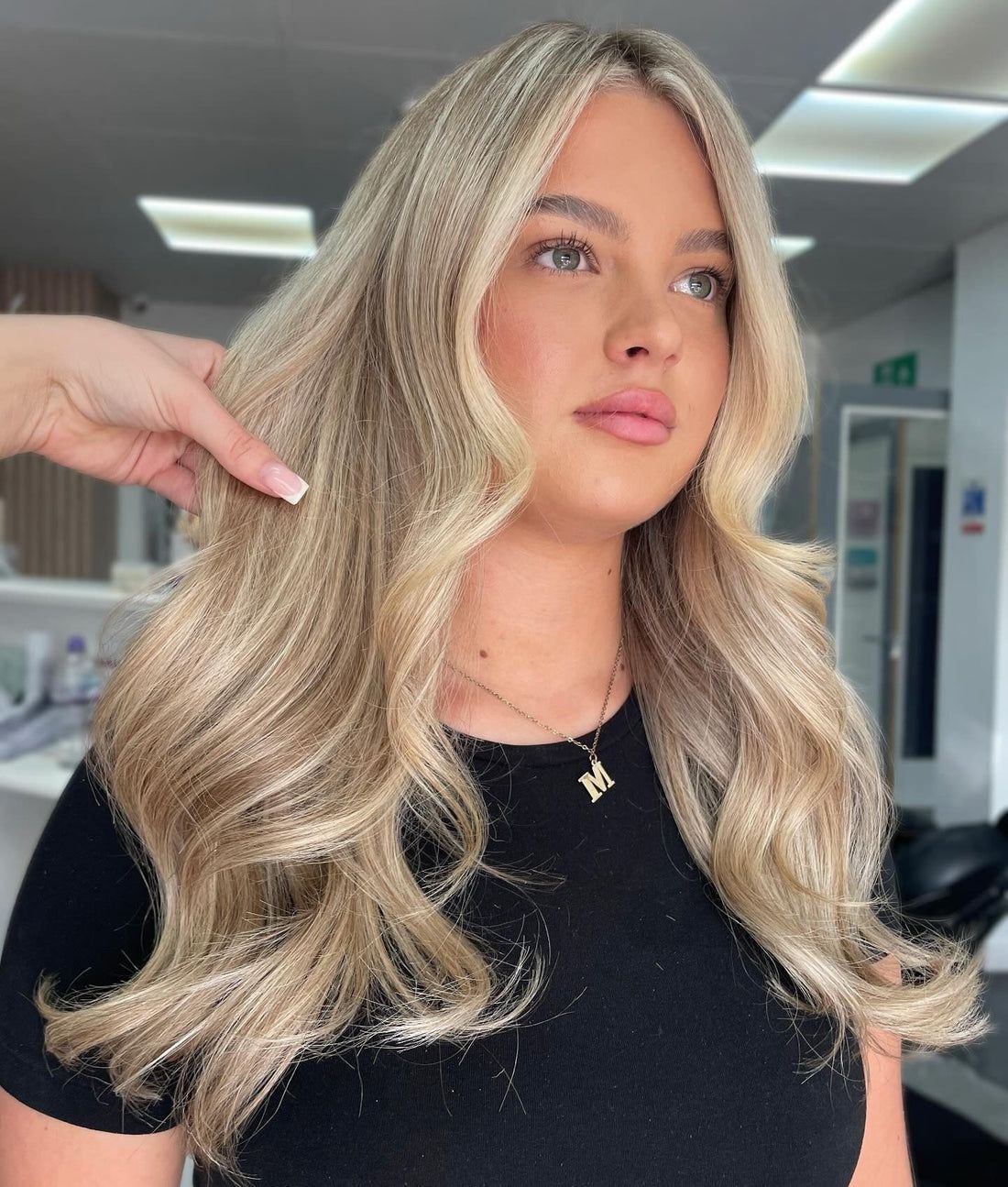
This shade gets more right than most. The honey blonde base brings warmth, then the ash blonde highlights pull it back from looking brassy. On thick, wavy texture with mid-back length and loose curls, the dimension does the work for you. No flat spots. The middle part and curtain bangs widen a round face gently, and the front layers keep the volume from turning into a triangle. A diffuser and some curl cream are all you need, no wrestling with a round brush. The honey ash blonde highlights read cooler than you expect, which is exactly the trick: warmth without the yellow.
Curtain bangs need a trim every four to six weeks to hold their shape. Voluminous curls on thick hair hold all day, but they do need product to stay defined past hour six. This is a colour for someone who wants their hair to look rich and dimensional, not flat platinum. It works for square and heart-shaped faces especially well. The middle part does the softening, the shade does the rest.
Visual Idea
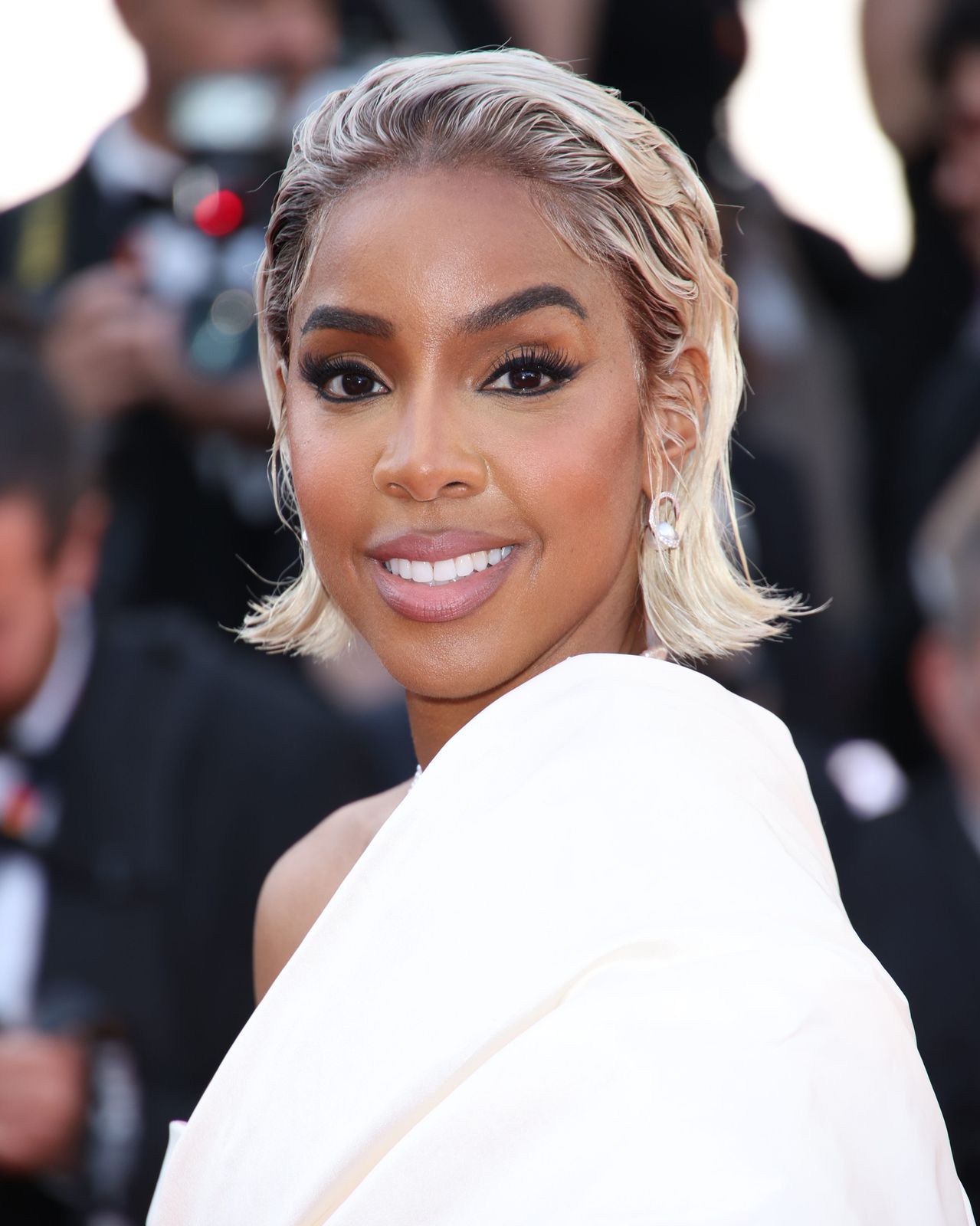
Best grow-out in this roundup. A blunt cut bob at chin length with platinum blonde and ash undertones, all straight and sleek, on fine hair. Sounds simple, but the commitment is real. The ash undertones fight brassiness for about three weeks before you notice a shift. A toning shampoo every fourth wash keeps it from going yellow. Fine, straight hair holds a sleek finish better than coarse hair does, because there is less volume fighting the direction. The downside is root regrowth shows fast, around week three. This is a salon-only colour unless you enjoy patchy bleach and regret. Saves you time on styling if you already have straight hair, costs you time on toning.
Shoulder-Length Visual Idea

When did a ponytail start looking this intentional? The technique matters here: the icy blonde colour and layered cut at shoulder length, wavy and medium texture, pulled into a ponytail from a side part with blunt bangs. First, rough-dry the layers for volume at the crown. Second, gather the ponytail low at the nape, not high, so the layers do not fight each other. Third, pull out a few face-framing pieces for softness. The blunt bangs stay flat, which helps balance the wavy texture behind them. A texture spray on the ponytail keeps flyaways quiet. The icy blonde shade reads brighter when the hair is smooth, so a quick flat iron on the ponytail pieces matters more than you think.
Shoulder Visual Idea

Finally, a root shadow I do not roll my eyes at. The icy blonde with a root shadow at shoulder length, wavy and medium texture, middle part, no bangs. A root shadow is not grown-out roots, it is a deliberate soft shadow at the part that blurs the line and buys you six weeks between salon visits. The wavy bob shape works on oval and heart-shaped faces because the volume stays around the jaw. For low density, skip the middle part and go with a deep side part for more lift. The texture needs a wave spray and a scrunch, no heat tools required unless your natural texture is pin-straight. The icy blonde reads brighter against the root shadow, which is the whole point. This shade and technique suit someone who wants the drama of platinum without the every-three-weeks root touch-up.
Ice Blonde Visual Idea
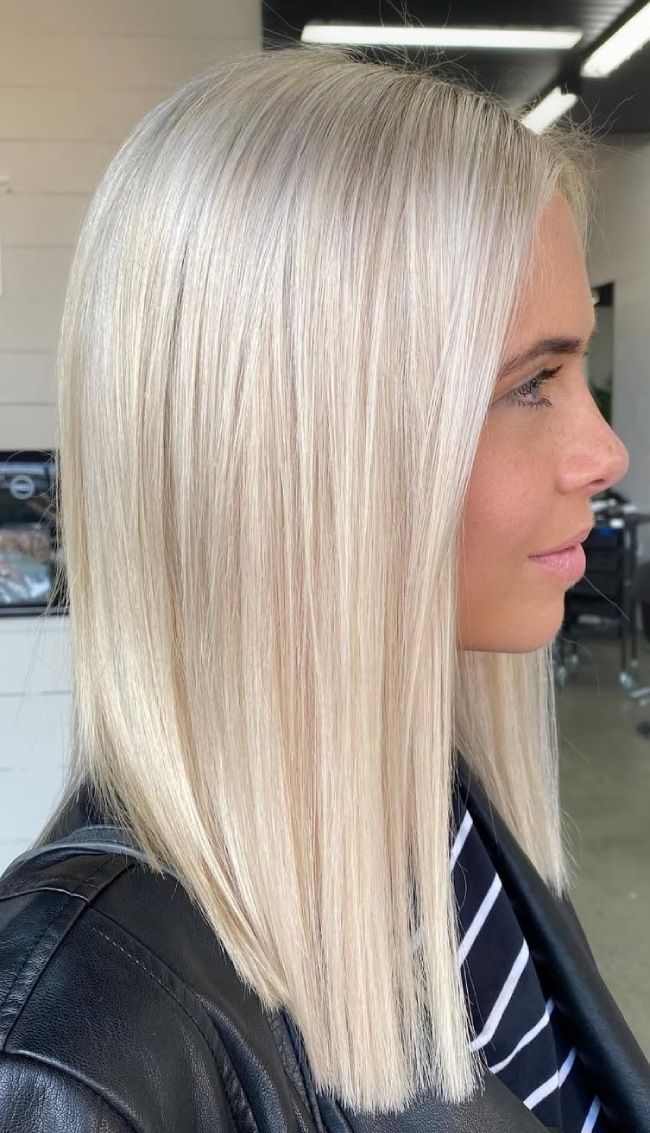
I want to love this more than I do. A lob at shoulder length in ice blonde, straight and sleek, middle part, on thick, straight hair. Looks sharp in the first two weeks, no question. But blunt ice blonde on thick hair shows every new-growth shadow by week two and a half, and the ice tone drifts toward grey if the toner is not refreshed every three weeks. The blunt cut helps the straight texture read dense and heavy, which is good if your hair already lies flat. But if you have any wave or bend, the blunt line will flip. This is a salon-only colour because ice blonde requires a lifted base and a cool toner that is easy to mess up at home. Great for one event, high maintenance for real life.
Collarbone Visual Idea
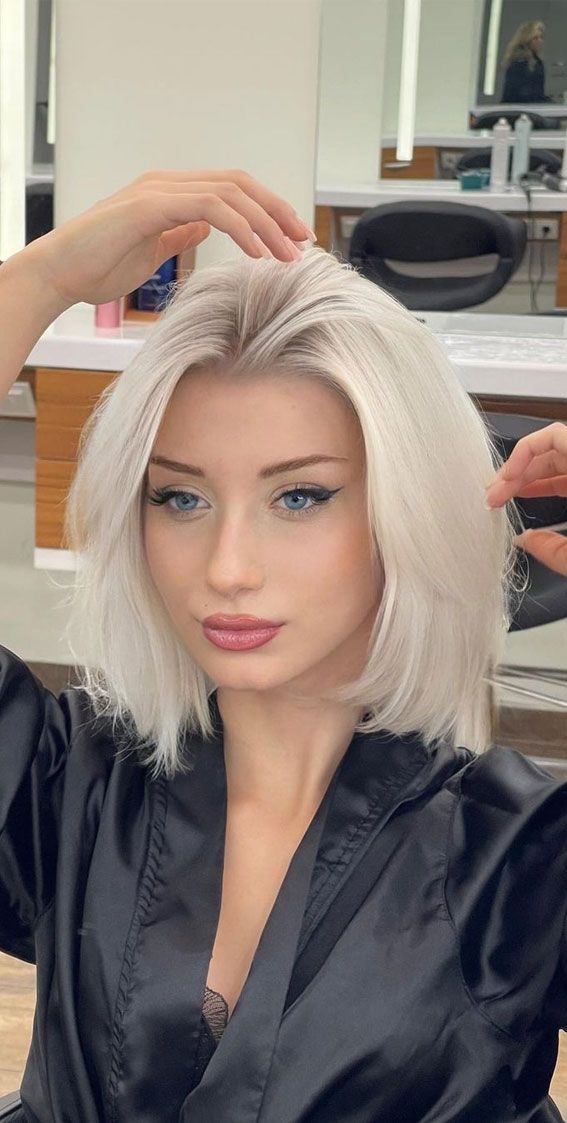
You leave the salon with a collarbone-length platinum bob, sleek and glassy. The blowout on my thick, straight hair actually lasted two full days, which is a win. But the real story is the upkeep: platinum at this length means a root shadow every five weeks and a purple shampoo that lives in my shower. The tone stays cool if you stay on it. The technique is a full bleach and tone, no shortcuts. It’s not a low-maintenance colour, but the shine makes up for the schedule.
Mid-Back Visual Idea

Platinum with ash undertones reads colder than a honey blonde, and that’s exactly the point. On my straight, fine hair at mid-back length, the ash tone keeps the colour from looking brassy or yellow. The technique involves a high-lift bleach followed by a cool ash toner applied in sections.
Is this a DIY job? Absolutely not. The length means multiple bowls of lightener and precise timing to avoid banding. A salon will also know how to place the blunt bangs so the ash tone doesn’t wash out your face. Compared to a warmer blonde, this shade demands more upkeep but delivers a sharper, more editorial look.
Platinum Blonde With A Root Shadow Visual Idea
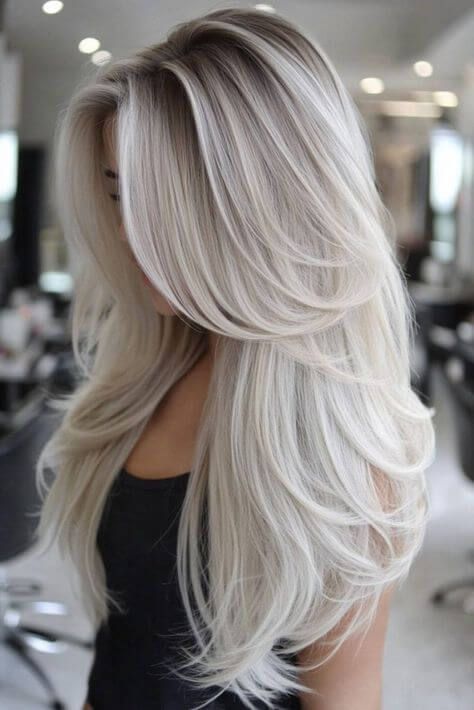
Wondering if platinum with a root shadow works for you? The technique blends a darker root into the platinum lengths, which makes grow-out nearly invisible. On my wavy, thick hair at mid-back length, the shadow adds dimension and keeps the tone from feeling flat. It flatters most complexions because the root provides contrast. But if your hair is very fine, the shadow can read as an accident rather than a choice. Upkeep is manageable: a toner every six weeks for the ends, and the root can grow for two months before it needs refreshing.
Ash Blonde With Silver Tones Visual Idea
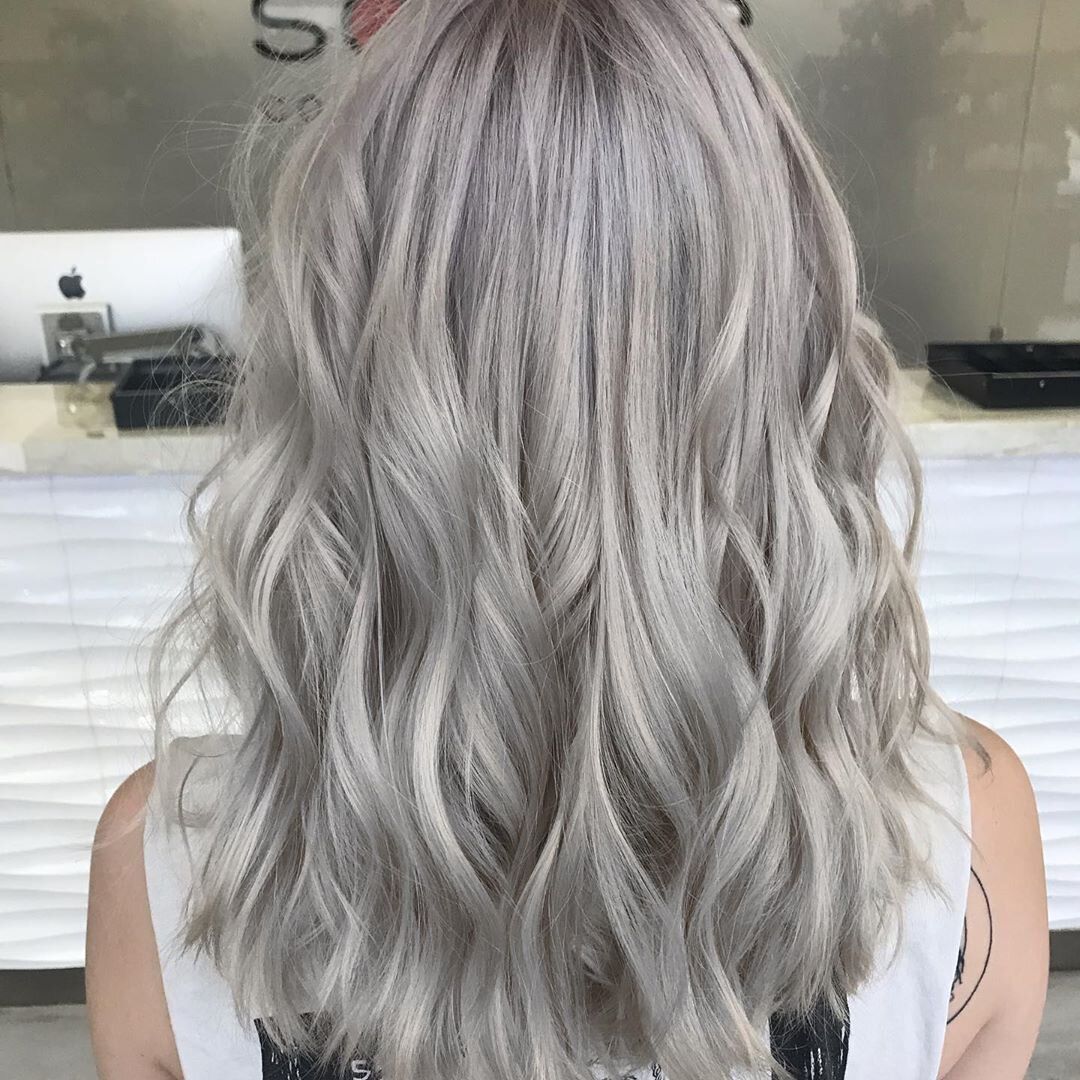
Ash blonde with silver tones is a commitment, not a fling. On my wavy, medium-density hair at mid-back length, the silver reads beautifully for the first week, then starts to fade. The technique involves a high-lift base toned with a mix of ash and violet, but the silver particles are the first to wash out.
The honest downside? Wavy hair’s natural porosity means the silver can grab unevenly, leaving patches that look muddy. You’ll need a dedicated silver shampoo and a toning gloss every three weeks to keep it cool. It’s a beautiful colour, but it demands attention.
Long Layers Visual Idea
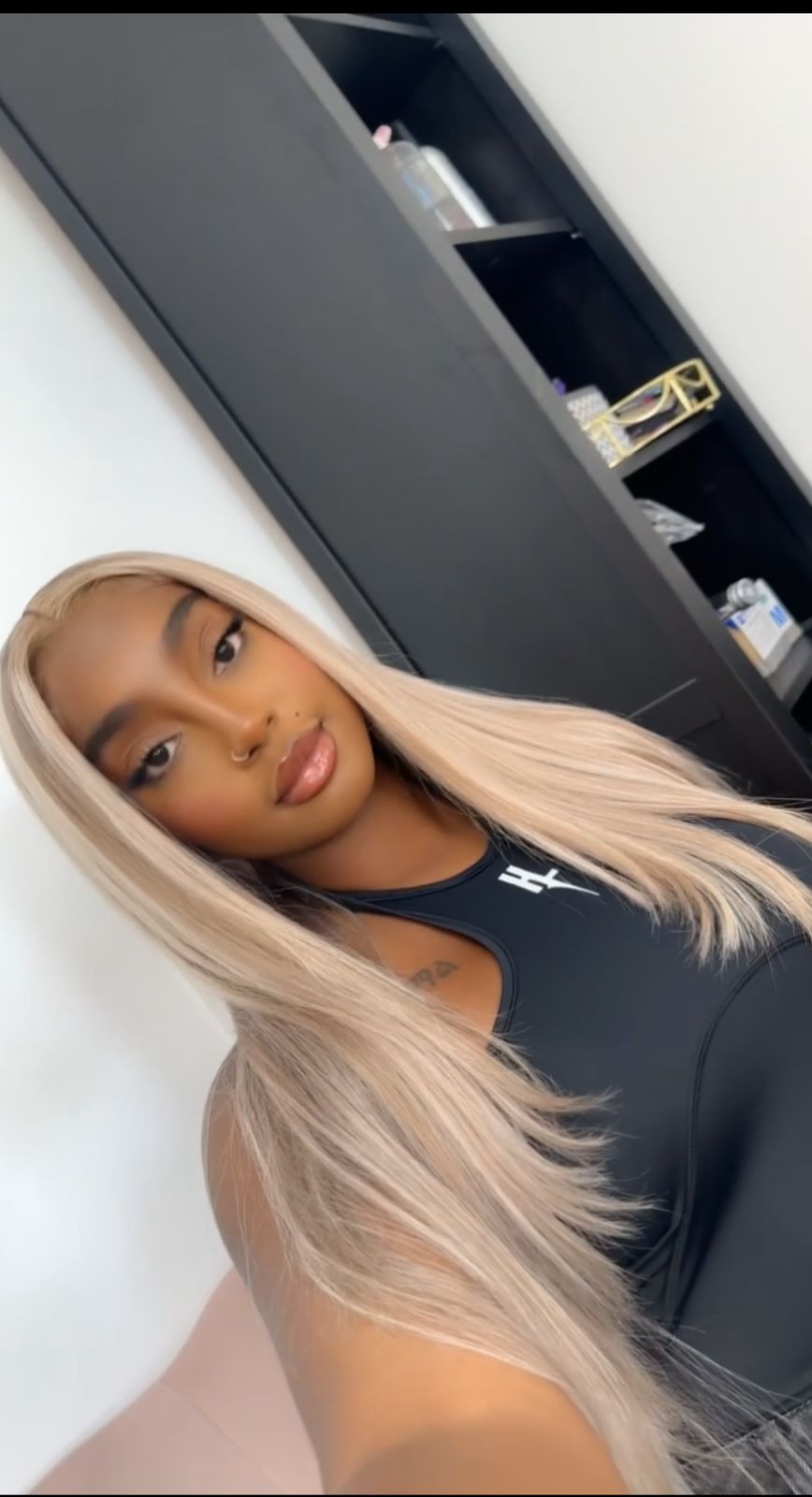
Upkeep is a short list of non-negotiables. A purple shampoo every second wash to hold the ash tone. A trim every eight weeks because fine ends fray fast. A salon gloss every six weeks to keep the highlights from flattening into a single beige. And a root touch-up every ten weeks if you want to keep that seamless root-to-midlength blend. Skip any of these and the colour goes brassy or the ends go see-through.
Curtain Bangs Visual Idea
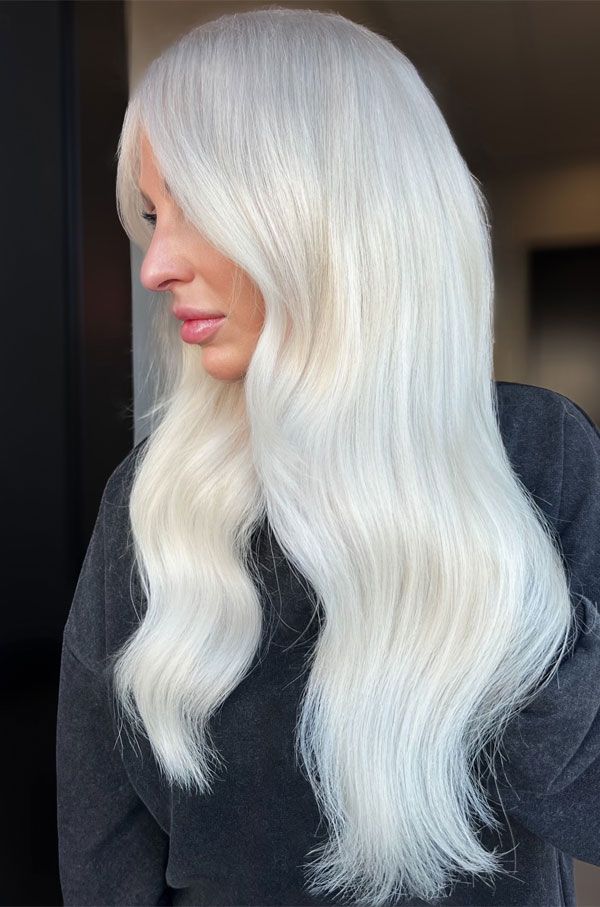
My first thought looking at this: those curtain bangs are going to need a round brush and a prayer every morning. The Icy Blonde 2027 shade is extreme platinum, which on thick, wavy hair means the bangs will show every bit of oil and every day of grow-out. The long layers help the waves fall without a helmet look, but the bangs are the real commitment. This is a salon job, no question. The cut needs precision so the bangs don’t flop apart, and the colour needs a stylist who can lift thick hair to that icy tone without brassiness. Those bangs will need a trim every three weeks to stay out of your eyes, and the platinum will show regrowth at week four. If you’re not ready to style damp bangs every morning, this isn’t the look for you.
Icy Blonde With Subtle Highlights Visual Idea
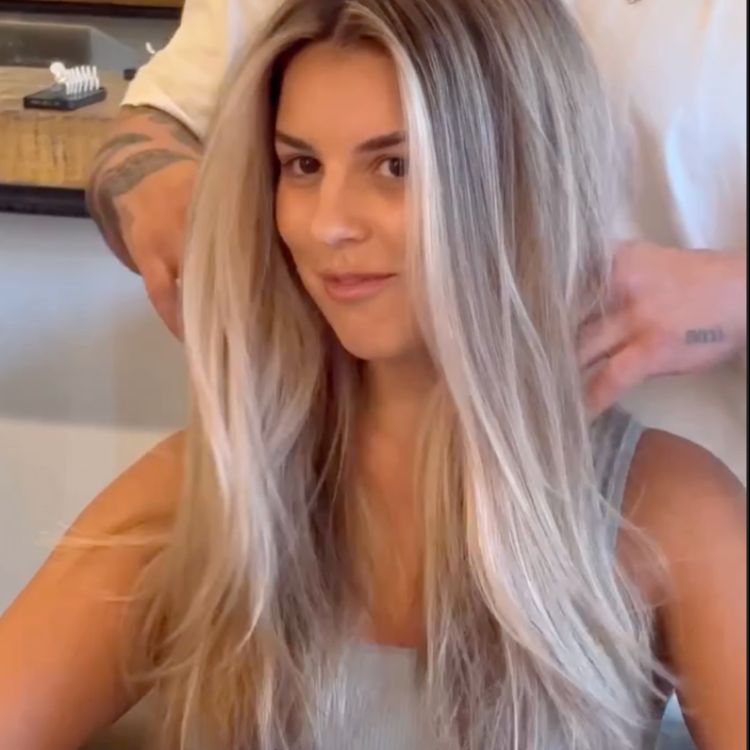
Verdict: this is the icy blonde that doesn’t wash you out. The Icy Blonde 2027 shade here is softened by subtle highlights that break up the solid platinum, so it reads cool without being harsh. On thick, wavy hair, those highlights catch the light and add dimension that a flat icy tone would miss. The middle parting and no bangs make it a strong match for oval and heart-shaped faces.
The blowout styling helps the waves fall in a controlled way, which is key for thick hair that can go fluffy. The subtle highlights are placed throughout the layers, not just at the ends, so the colour moves with the hair. The highlights are painted using a balayage technique, which keeps the root area darker and the ends lighter. The blowout adds volume at the roots, which balances the weight of thick hair. This works on medium to cool skin undertones because the icy base is balanced by the warmer highlight tones. If your hair is fine or straight, the highlights might not read as subtle. They could look stripey. But on this texture, they blend into a soft, dimensional icy blonde that feels more wearable than a solid platinum.
Chin Visual Idea

Can you keep a chin-length bob looking sleek every day? The Icy Blonde 2027 version here is ash blonde with subtle silver tones, which on fine, straight hair means every flyaway shows. The honest downside: you’ll be reaching for a flat iron most mornings, and the ash tone fights brassiness every two weeks. You’ll need a salon toner every four weeks to keep the silver from turning muddy. A purple shampoo is your best friend, but even then, the silver can pull green if the base isn’t lifted enough.
Ash Blonde Visual Idea
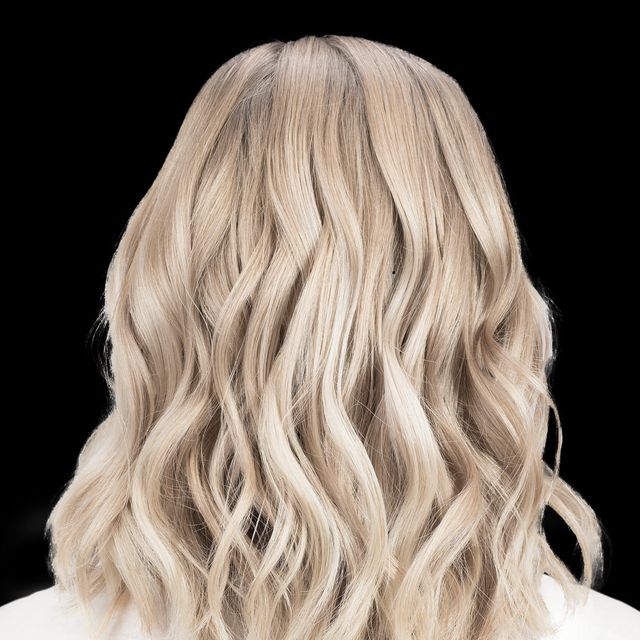
My gut says this is harder than it looks. A uniform ash blonde on thick, straight hair is a technical feat because thick hair holds pigment stubbornly. The Icy Blonde 2027 approach here is a single-process colour lifted to a pale beige and toned with a cool ash formula. No highlights, no dimension. Just one flat, cool tone. That means the stylist has to lift every strand to the same level, which on thick hair takes careful sectioning and timing. The stylist uses a low-volume developer to control the lift and avoid hot roots. The key is a precise toner application that neutralises any warmth without turning the hair grey. This is not a DIY job. The payoff is a sleek, collarbone-length cut that reads as deliberately minimal, but the upkeep is a strict toning schedule to keep the ash from warming up.
Lob Visual Idea
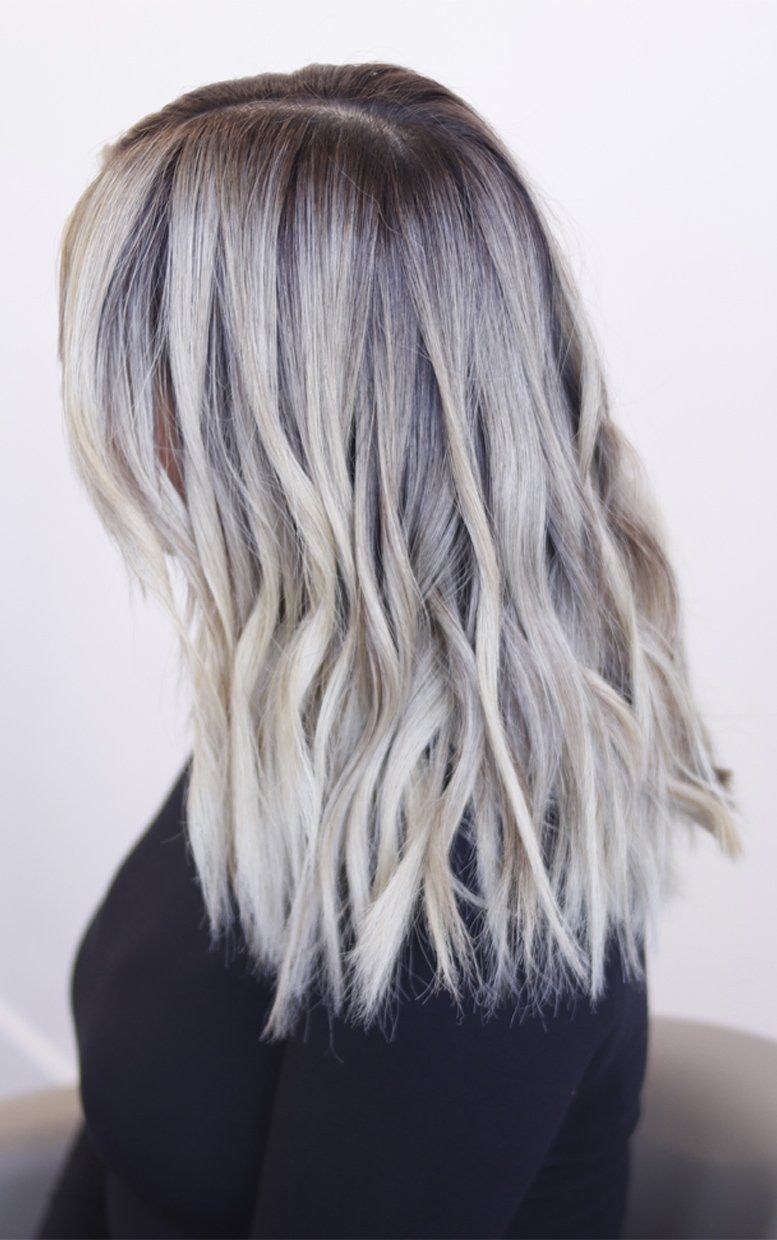
I will take this platinum blonde with dark roots and ash undertones over a warm platinum any day. The collarbone lob stays wavy, medium density hair that doesn’t flatten by noon. A warm platinum goes golden by week three. This one stays cool, the ash undertones holding the brass at bay. The dark roots are not a grow-out compromise, they are the point. A middle part and side view show the dimension. It is a lob that reads modern because it refuses to be all-over anything.
Wavy Bob Visual Idea
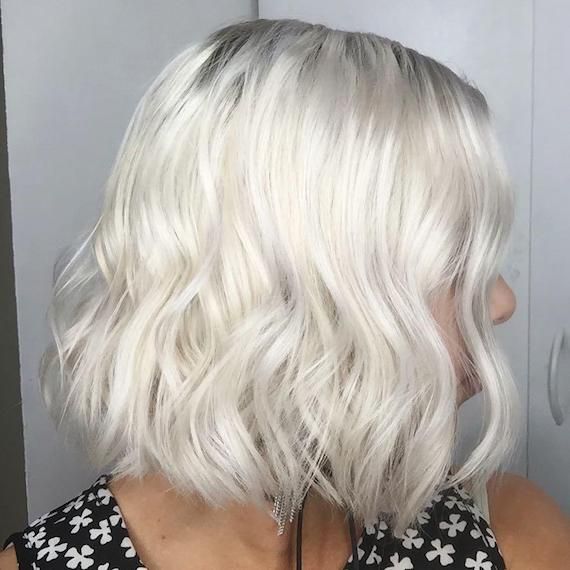
This ash blonde works best on hair that already has wave and thickness. The collarbone bob sits with a natural bend, no round brush required. Thick, wavy hair holds the shape without product. Fine or straight hair would need a curling iron every morning. The back view shows the weight: it is not a feathery cut. It is a solid bob that swings. If your hair is thin, skip it. If it is thick and wavy, this is your shade.
Layered Bob Visual Idea
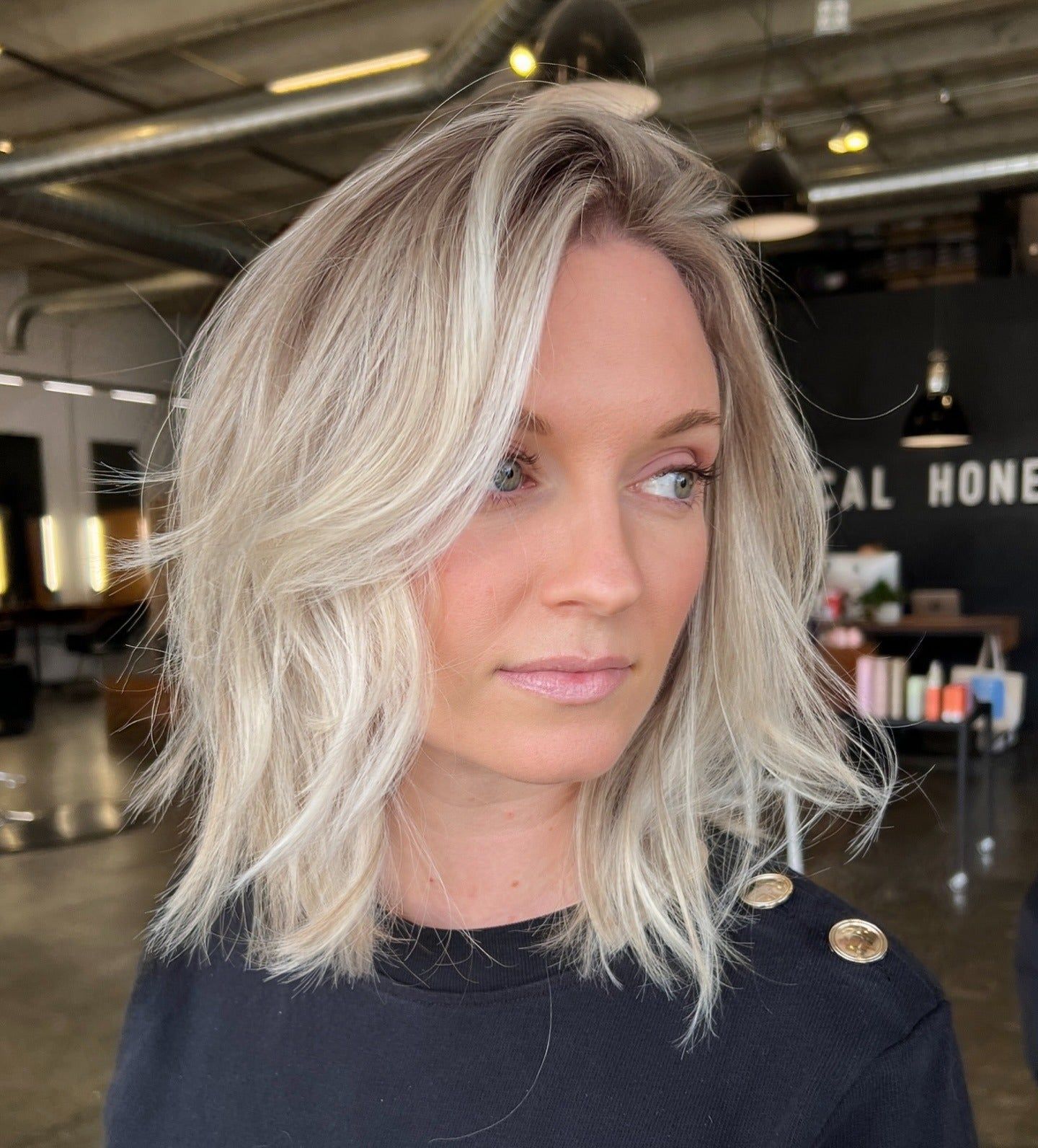
Monday morning, the side-swept bangs already separated. That is the reality of ash blonde with platinum highlights on a layered bob. The collarbone length works with medium density, wavy texture, but the loose waves need a re-curl by day two. The platinum highlights demand a purple shampoo every wash, or they turn yellow. Honest downside: the upkeep is real. A trim every six weeks keeps the layers from looking shaggy. The icy blonde tone is worth it if you have the time.
Platinum Blonde With Neutral Undertones Visual Idea
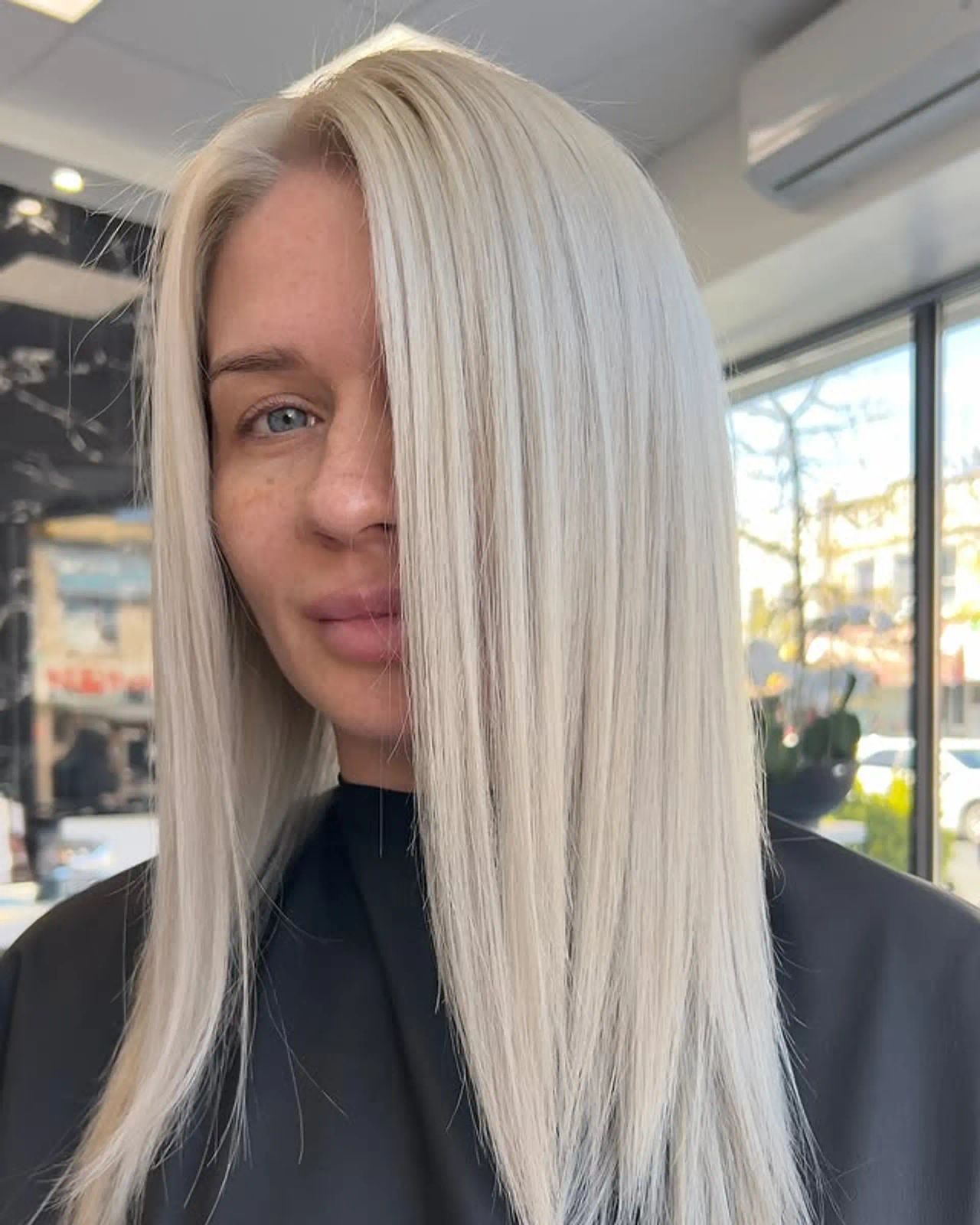
I confess: I thought uniform platinum blonde on fine, straight hair would be easy. It is not. The collarbone long bob looks clean, middle part, no bangs. But achieving neutral undertones without brassiness on fine hair takes a skilled colourist. One wrong toner and it pulls yellow or violet. The straight styling shows every imperfection. If your hair is fine, this shade is a commitment. The payoff is a true platinum that reflects light, not warmth.
Layers Visual Idea
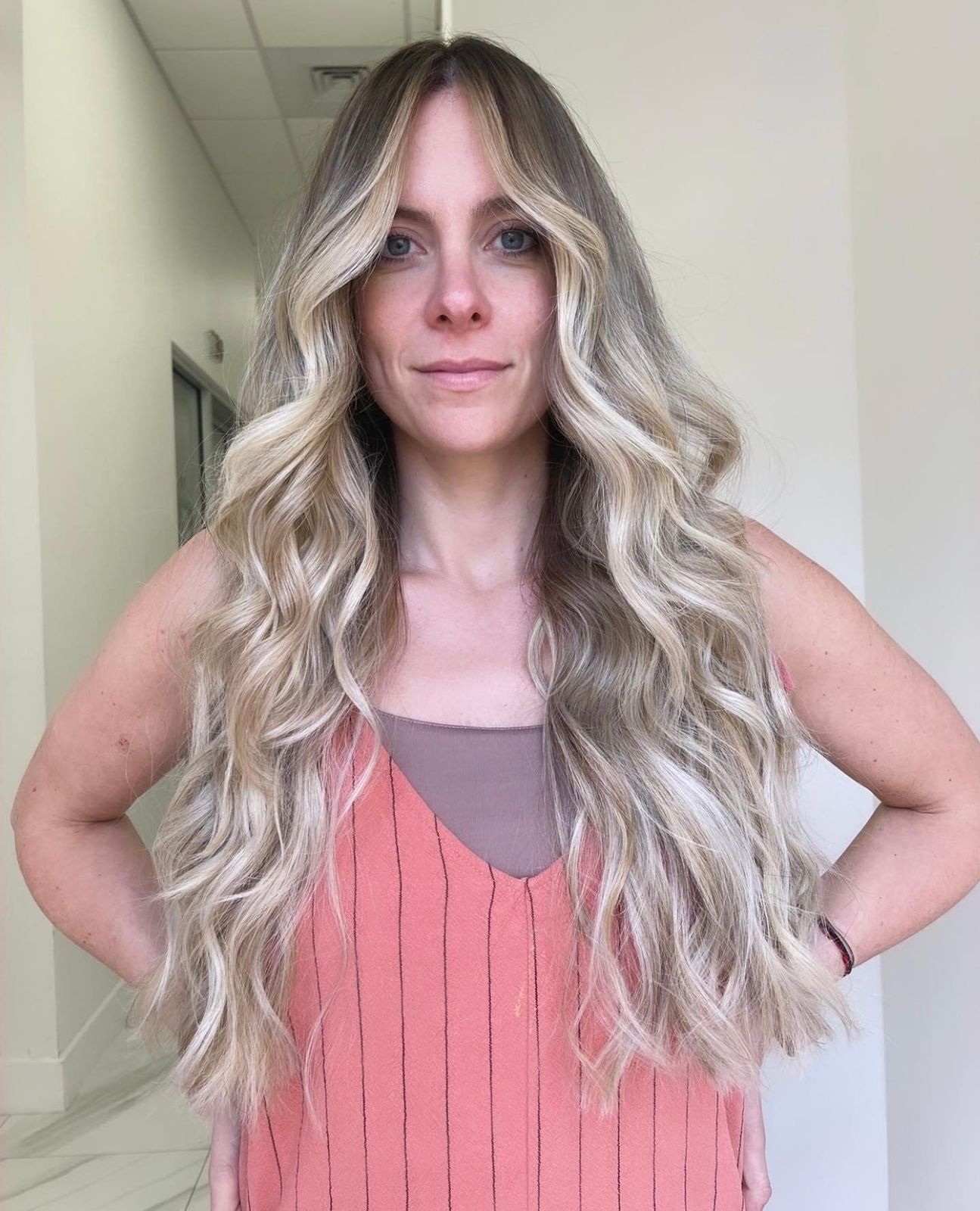
My gut reaction: this is what blonde should look like in 2027. Ash blonde with darker roots and lighter blonde highlights, mid-back length, thick wavy hair styled in a wavy blowout. The contrast between the root shadow and the bright highlights is sharp, modern. An all-over blonde looks dated next to this. The darker roots are not a grow-out trick, they are the design. The lighter highlights catch light in the waves.
This is a salon job. The root shadow needs a skilled hand to blend into the ash base. The highlights are painted, not foiled, for that soft transition. DIY would end in a muddy mess. The payoff is a blonde that looks expensive because it is dimensional.
No Bangs Visual Idea
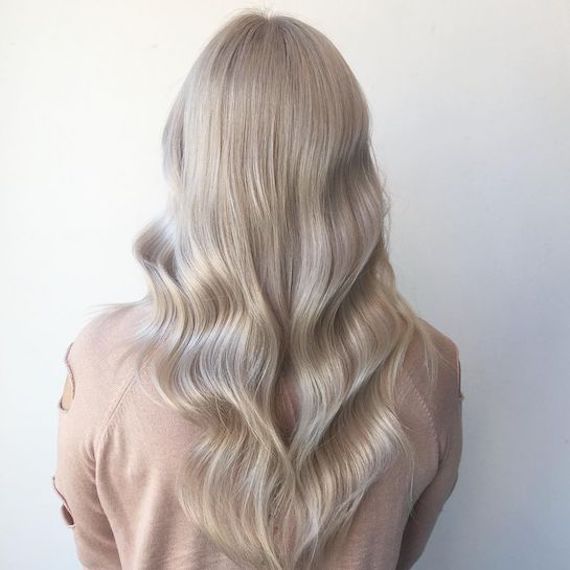
Best colour for cool skin tones. This platinum blonde with ash undertones reads silver rather than yellow, which is exactly what fair, pink-toned skin needs. Straight, thick hair holds the icy platinum shade well because the density reflects light evenly. The mid-back length gives enough weight to keep the waves from turning into a frizz halo.
To get close at home, start with damp hair and a large-barrel wand. Wrap sections away from the face, hold for ten seconds, then let the wave cool before releasing. The honest downside: ash undertones fade fast. Without a purple shampoo every third wash, that cool platinum turns brassy within two weeks.
Icy Blonde With Darker Roots Visual Idea
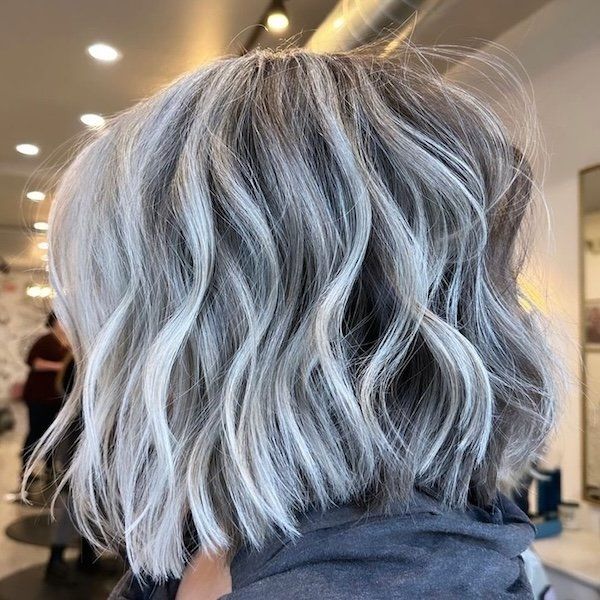
How long does that icy blonde with darker roots really last before the roots take over? About six weeks before the contrast starts looking intentional rather than grown out. The collarbone lob with a wavy blowout softens the line between dark roots and icy highlights, so the grow-out reads as a deliberate shadow root. Maintenance means a toner gloss every four weeks to keep the icy tone from warming up, and a trim every eight to keep the waves from tangling at the ends.
Back View Visual Idea
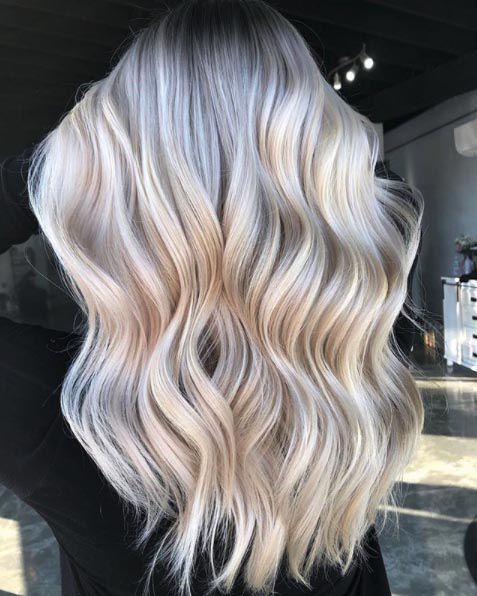
Back view, middle part, loose waves falling past the shoulders. This platinum blonde with root shadow starts dark at the scalp and fades into icy white by the mid-lengths. The root shadow technique means less frequent touch-ups, and on thick, wavy hair the gradient looks natural rather than stripey.
To get these loose waves on thick hair: start with damp strands, apply a heat protectant, then wrap two-inch sections around a 1.5-inch barrel. Alternate directions — some waves forward, some back — to avoid a uniform curl. Let each wave cool completely before touching, then break apart with fingers. A texture spray adds grip without weight.
Side View Visual Idea
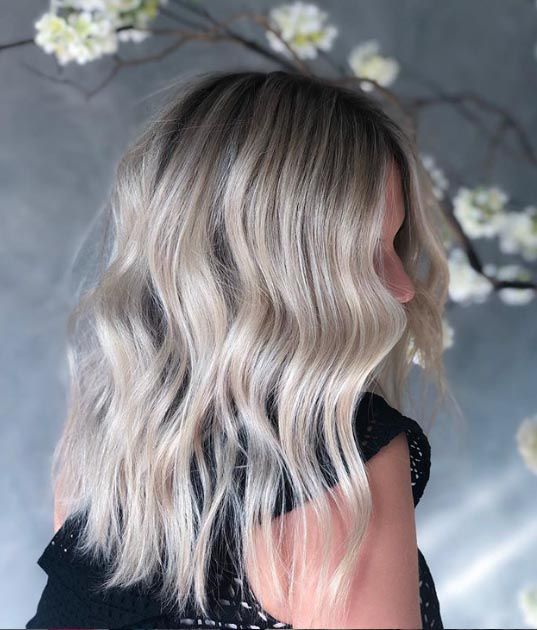
I’ll admit, I was nervous about lowlights in an icy blonde. Done right, subtle lowlights add depth at the collarbone without muddying the icy tone. But this is a salon job — precise placement is everything. One wrong section and the icy blonde reads grey instead of silver. On medium wavy texture, loose waves help the lowlights peek through, but the waves need a firm-hold mousse or they fall flat by lunch.
Final Thoughts
I walked into this roundup expecting to favor the shortest, lowest-commitment options. What surprised me is how many of the longer ideas earned their place. A root shadow makes a mid-back icy blonde feel as easy as a bob.
- Tone at week six, not week ten.
- A purple shampoo keeps the yellow out.
- Dry shampoo between washes, icy blonde shows oil fast.
- Trim the baseline every eight weeks.
- Root shadow every second appointment.
I’m booking the chin bob with the dark roots. It’s the one I kept coming back to.