I started noticing it in the salon chair next to mine: women asking for something between brown and blonde, not quite either. A root shadow here, a beige highlight there. Bronde used to feel like a compromise. Now it looks like the point.
This roundup has 33 ideas for Bronde Hair 2027, from a chin-length lob with a root shadow to a caramel shag with beige face-framing, plus collarbone balayage in ash tones. Some take a round brush and patience, others air-dry by lunch. I wrote them for anyone whose fine hair goes flat by 4 pm and whose grow-out line shows at week five. Because the best bronde doesn’t fight your texture, it works with it.
Chin Length Bronde Lob With Root Shadow
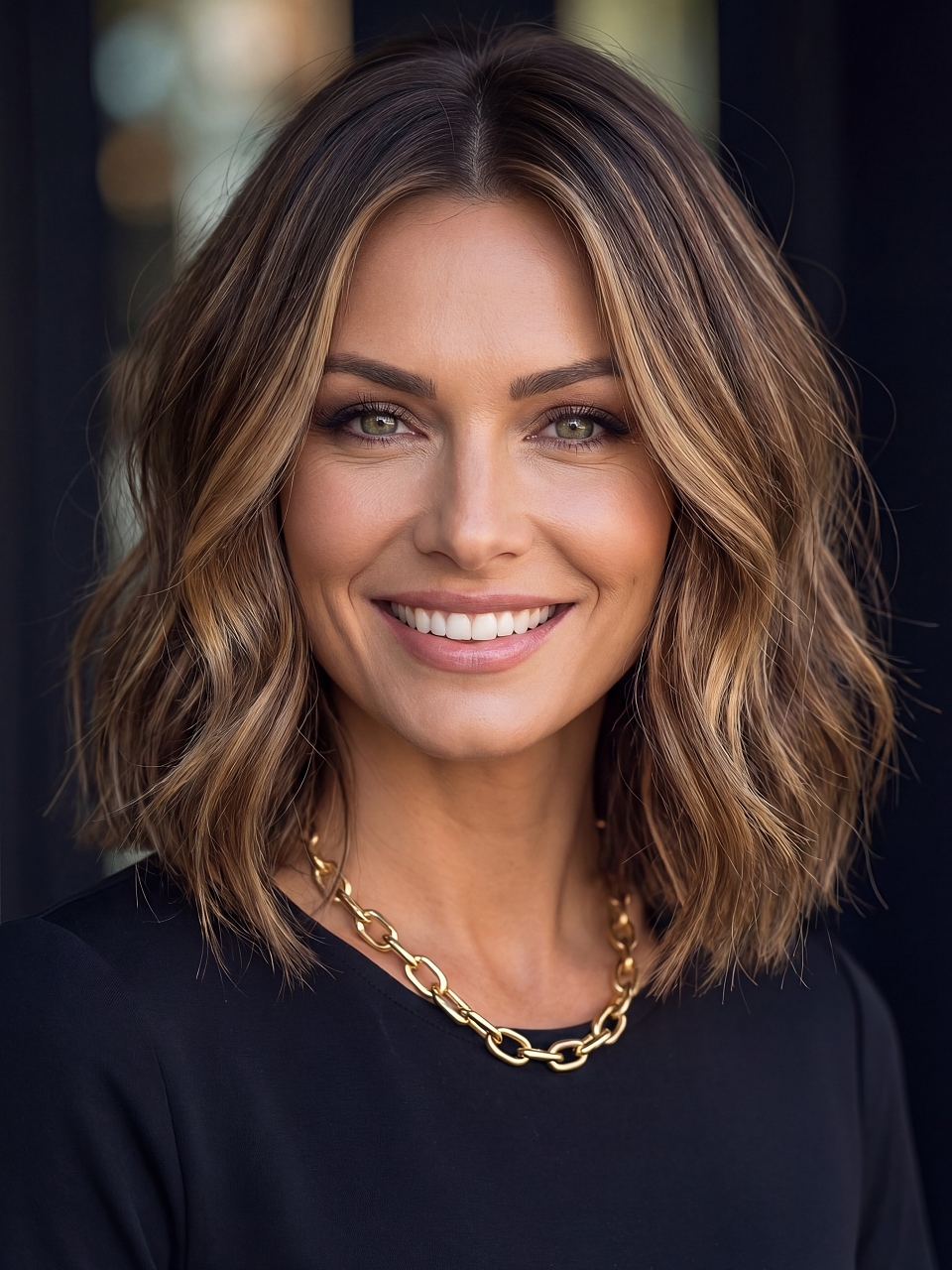
A chin-length lob with a root shadow is the rare cut that actually looks better on thick hair. The bronde lob with root shadow uses a soft root shadow to blur the grow-out line, while the sun-kissed balayage adds dimension without harsh lines. The tone stays neutral-warm, the length hits at the chin, and the wavy texture gives it movement. The blunt shape holds its line because there’s enough density to keep it from collapsing. A side part adds a little asymmetry, which keeps the lob from reading too severe.
Caramel Bronde Shag With Beige Face-Framing
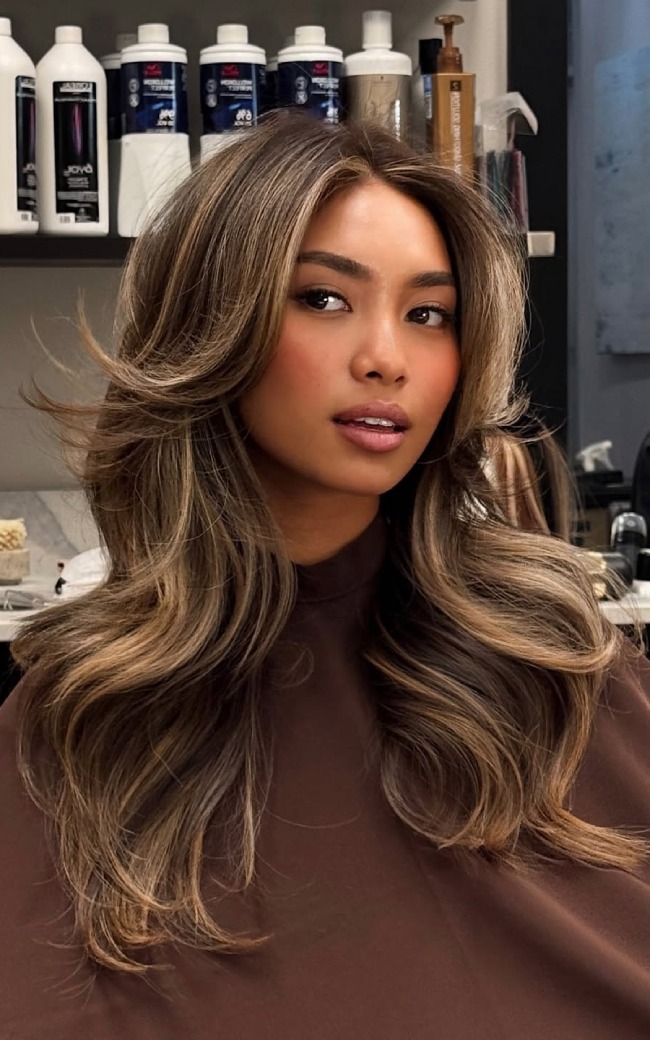
Ever wonder how a shag gets that lived-in texture without looking messy? The caramel bronde shag starts with a smoky caramel base, then adds beige face-framing highlights painted on with balayage. The tone is warm but muted, the length hits the shoulder, and the wavy thick texture gives the shag its bounce. Ask your stylist for a smoky caramel base, beige face-framing highlights, and a shag cut with curtain bangs. The layers are cut short around the face to create that soft frame, while the rest stays longer for movement. The beige tone keeps the highlights from going too golden, which is what makes this read modern rather than 2018. This is a salon job; the face-framing placement is too precise to do at home.
Collarbone Bronde With Ash Blonde Balayage
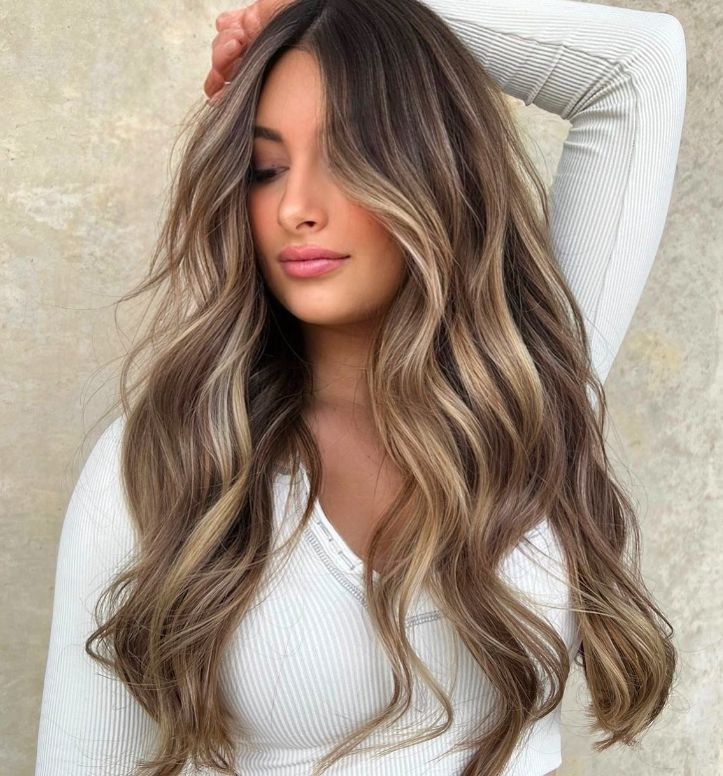
Ash blonde highlights are more work, but they keep the bronde from going muddy. The ash blonde bronde balayage layers cool-toned dimension over a neutral bronde base, so the highlights read silver-gold rather than brassy. The contrast between the ash highlights and the warm base is what gives this its depth. The length sits at the collarbone, the texture is wavy and thick, and the balayage technique means the transition is soft rather than striped.
Upkeep is the trade-off. Ash tones fade faster than warm ones, so you’ll need a purple shampoo once a week and a toning gloss every six to eight weeks. The bronde base grows out gently, which buys you a few extra weeks between appointments. If you want cool dimension without the constant maintenance, ask your stylist to mix a little beige into the ash; it extends the life of the tone. This is a salon colour; the ash placement needs a pro to keep it from turning green.
Visual Idea
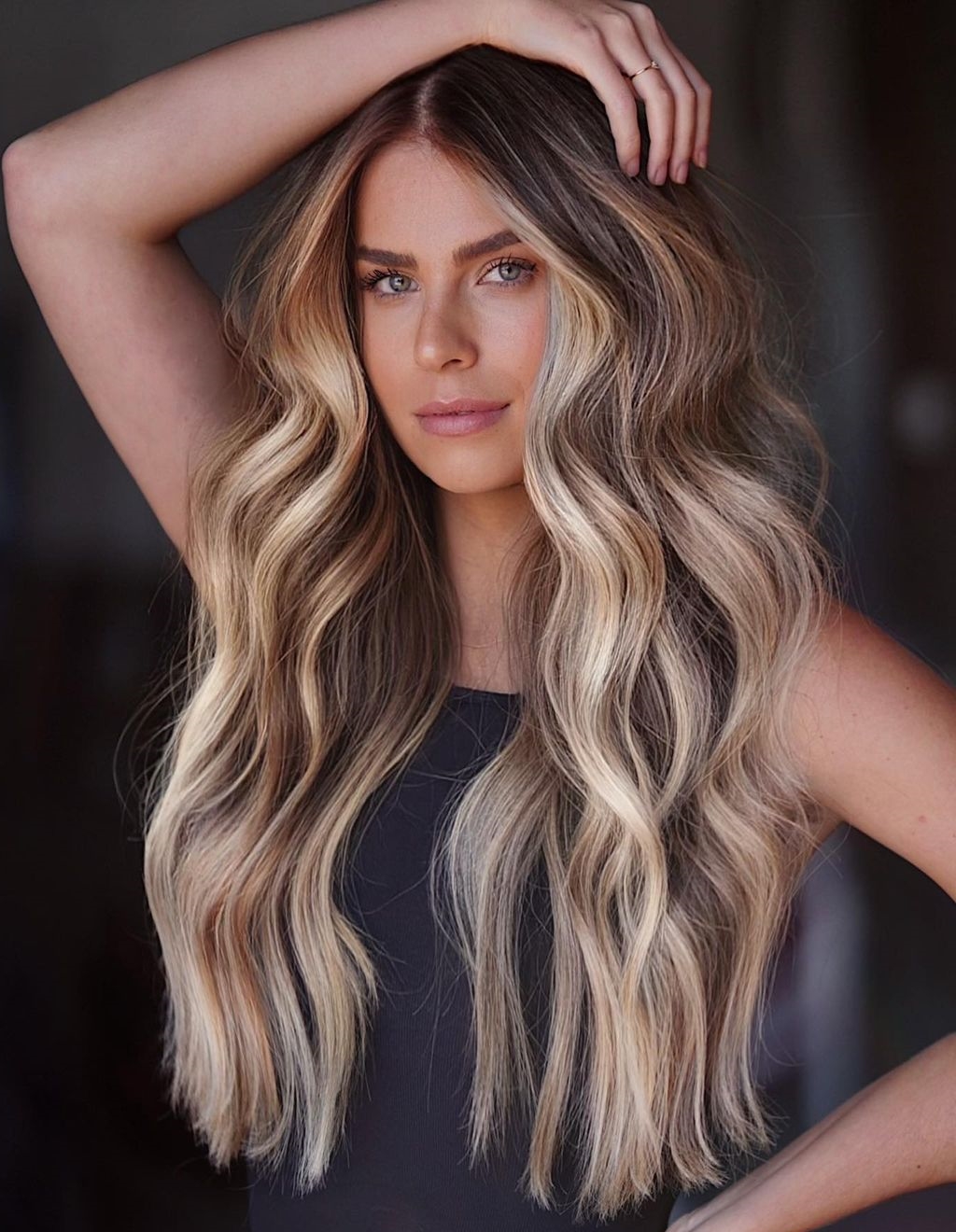
Monday morning, no wash, still looks intentional. This mid-back bronde with balayage is the definition of low-effort versatility. The neutral tone means it doesn’t clash with warm or cool outfits, and the balayage technique creates soft dimension that survives a few days between washes. The length is long enough to pull back, the texture is wavy and thick, so it holds a curl without product. The layers are cut to blend into the length, so the shape holds even when the waves drop.
This is what Bronde Hair 2027 looks like in practice: neutral enough to wear anywhere, dimensional enough to never look flat. It works for a work meeting, a weekend brunch, or a last-minute dinner. The key is the tone; not too golden, not too ashy, just right in the middle. That’s why it’s the most versatile colour in this roundup. A middle part keeps it symmetrical, but a deep side part works just as well. The grow-out is soft: no harsh line, just a gradual blend. This is a salon colour, but the maintenance is minimal: a trim every ten weeks and a gloss when the tone starts to drift.
Shoulder Visual Idea
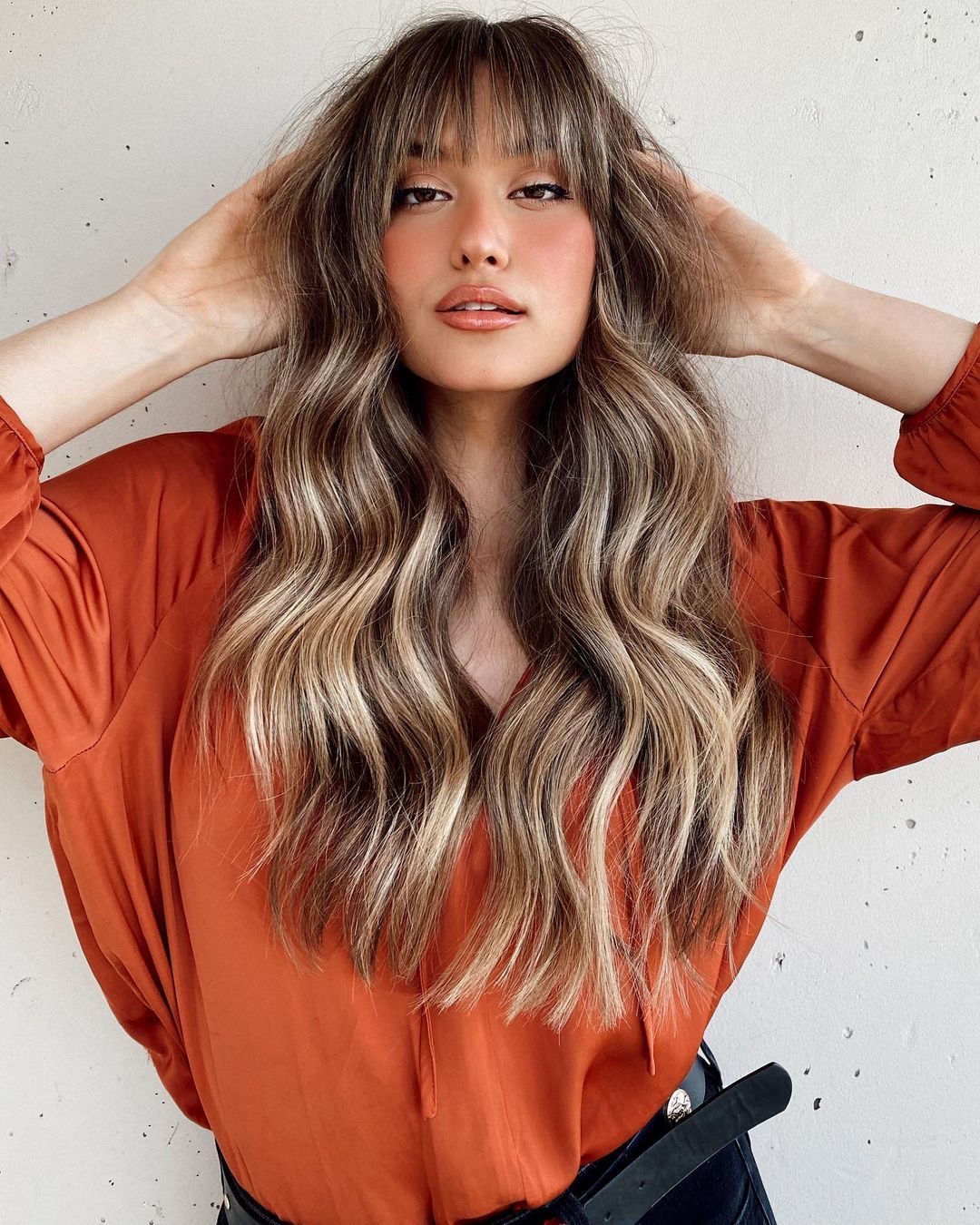
Can you pull off full bangs without looking like you’re in a band? This shoulder-length cut with full bangs works best if you have thick hair and an oval or heart-shaped face. The sand bronde colour with blonde highlights adds warmth, and the wavy texture gives the bangs some movement so they don’t sit like a helmet. The length hits the shoulder, which balances the heaviness of the bangs. The layers throughout keep the shape from feeling too blunt. A middle part with full bangs frames the face evenly, but a slight side sweep can soften the look. If your hair is fine, the bangs will separate by noon. Skip this and go for curtain bangs instead. This is a salon cut; bangs this dense need a pro to get the weight right.
Mid-Back Visual Idea
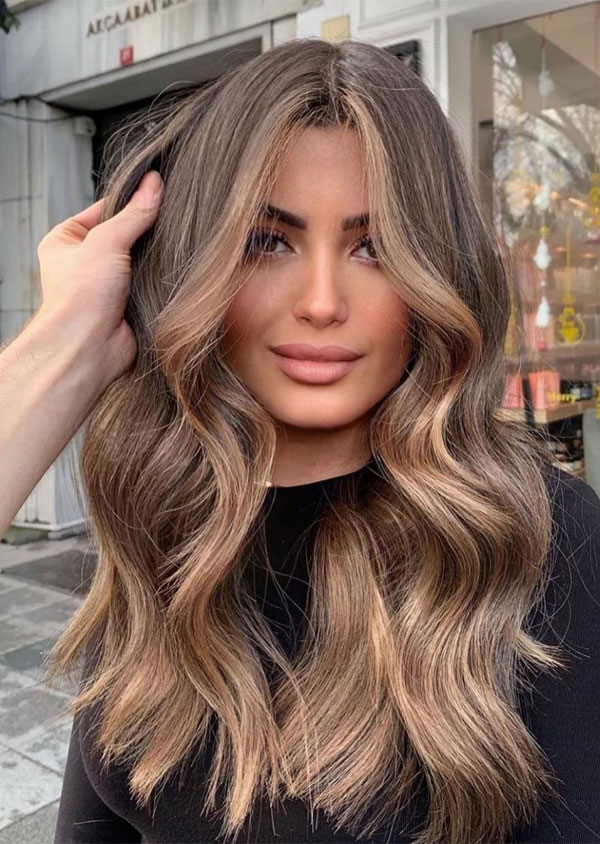
I’ll admit it: ash bronde balayage looked incredible in the chair. The colour is a cool-toned bronde, painted freehand from mid-lengths to mid-back. My hair is wavy and thick, so the ash tone reads soft, not muddy. But here’s the honest downside: ash tones turn brassy faster than warm ones. By week three, a purple shampoo becomes non-negotiable. The balayage technique means the grow-out line is soft, but the tone shifts. Worth it for the first two weeks.
Collarbone Visual Idea
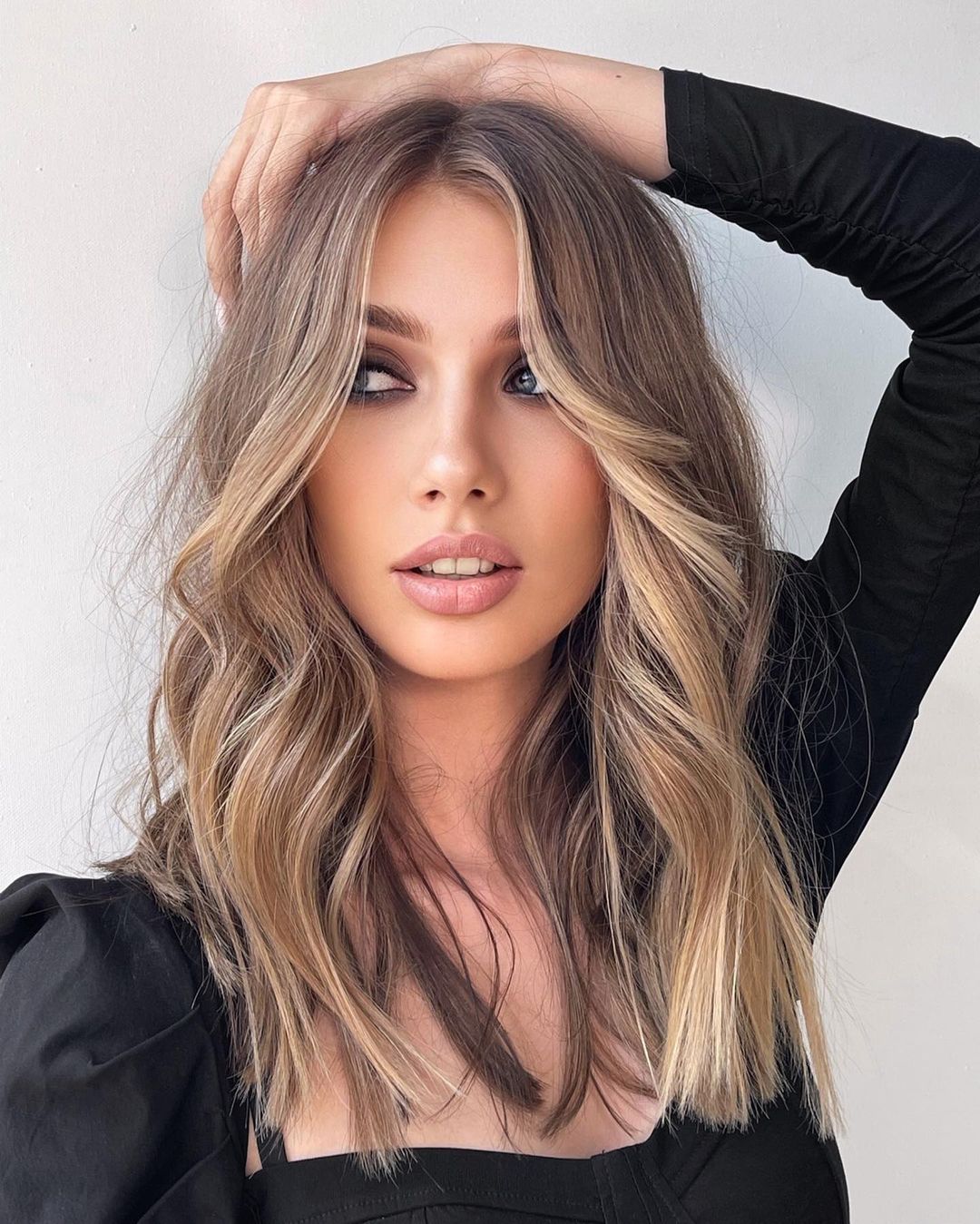
Notice how the lighter blonde highlights sit just off the root, not at the scalp. That’s the technique: a dark blonde base with hand-painted lighter pieces, starting an inch from the part. The collarbone length keeps the layers visible, and the wavy texture softens the contrast between dark and light.
Upkeep is forgiving. The dark base means roots grow out for six weeks before they’re obvious. The highlights fade gently into the base, so no harsh line. I use a texture spray to refresh the waves, and the blend stays dimensional. A trim every eight weeks keeps the collarbone shape clean.
Bronde Balayage Cool-Toned Visual Idea
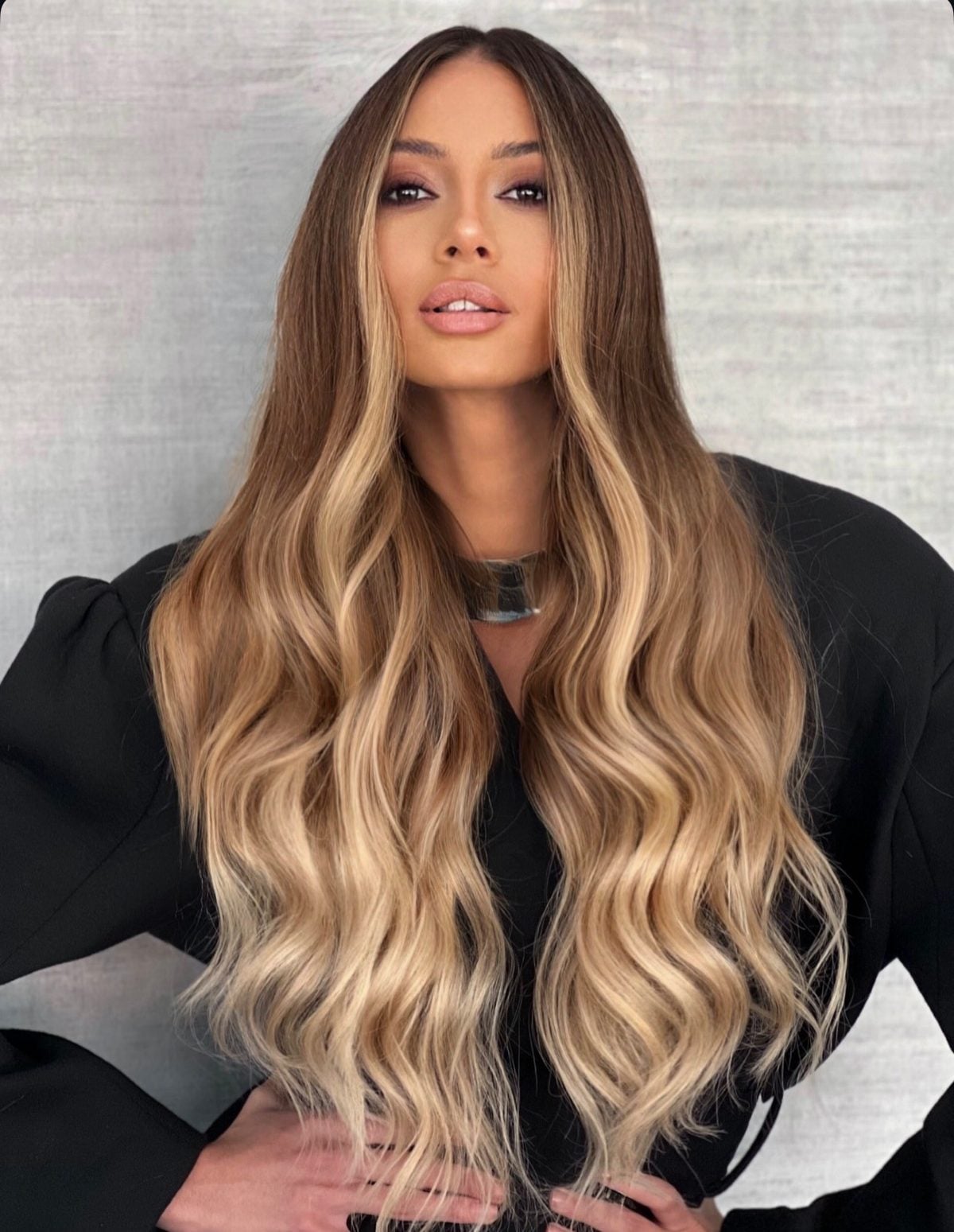
Cool-toned bronde balayage is not a bathroom-mirror job. The colour requires a precise lift to a specific ash tone without turning brassy, and the balayage technique needs a steady hand to place the lighter pieces where they catch the light. At home, you’d likely get uneven patches or a warm cast. The lift alone is tricky: too high and the base goes orange, too low and the highlights disappear.
A professional starts with a dark base, lightens sections freehand, then tones with a cool gloss. The result is dimensional: the base stays deep, the mid-lengths shift to a soft ash, and the ends catch a silvery note. My hair is wavy and thick, which helps the colour read evenly. The layers in the cut let the balayage show through. This is not a DIY project. You pay for the precision, and it shows.
Bronde Balayage Visual Idea
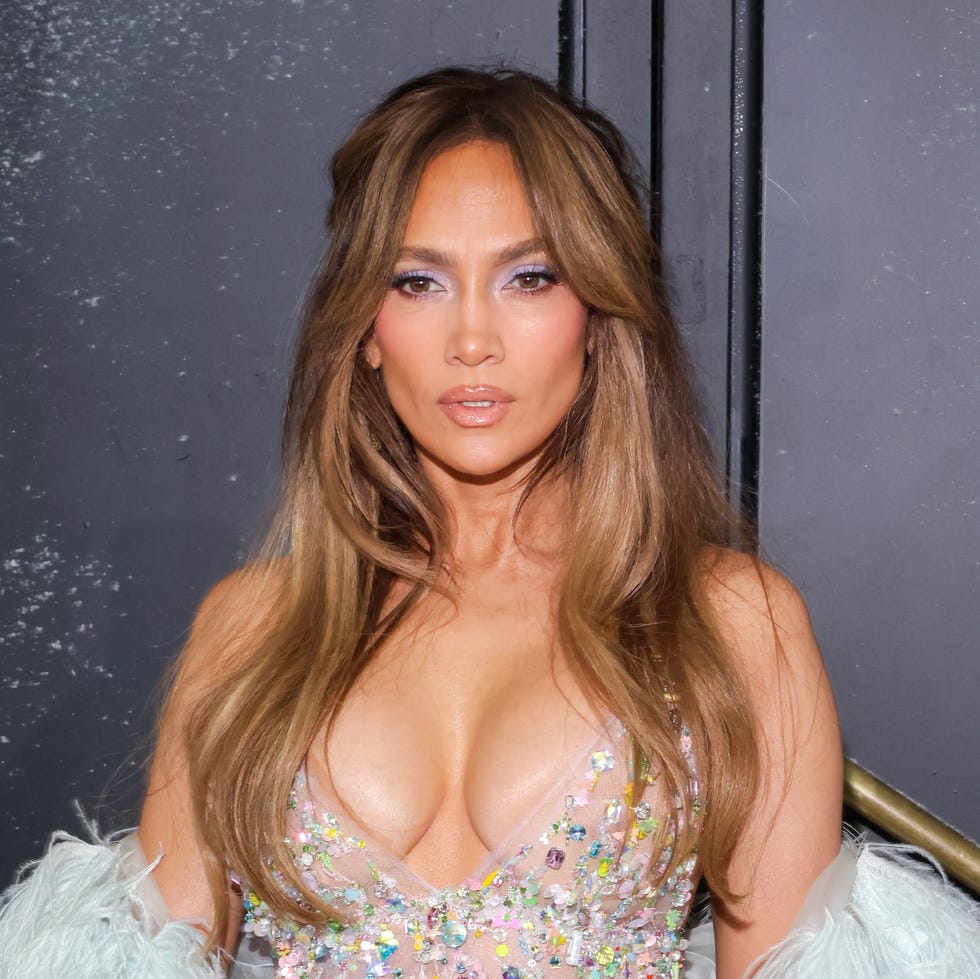
I’d attempt this bronde balayage myself, and I usually regret that. Curtain bangs at collarbone, with face-framing layers catching the first May sun, and a neutral bronde base that keeps it from washing out pale skin. At home, I’d lighten just the front pieces with a lightening spray, leave the back untouched, then brush the colour down so it melts into the base. You cannot recreate full balayage in a bathroom mirror; the angle is wrong and your arms ache by the second section. But a partial face-frame is honest work, and the texture spray fluffs the waves so the dimension fades into the base naturally. Spring’s humidity will frizz the ends, so keep the gloss light. That’s the compromise, lighter at the face, darker everywhere else.
Layers Visual Idea
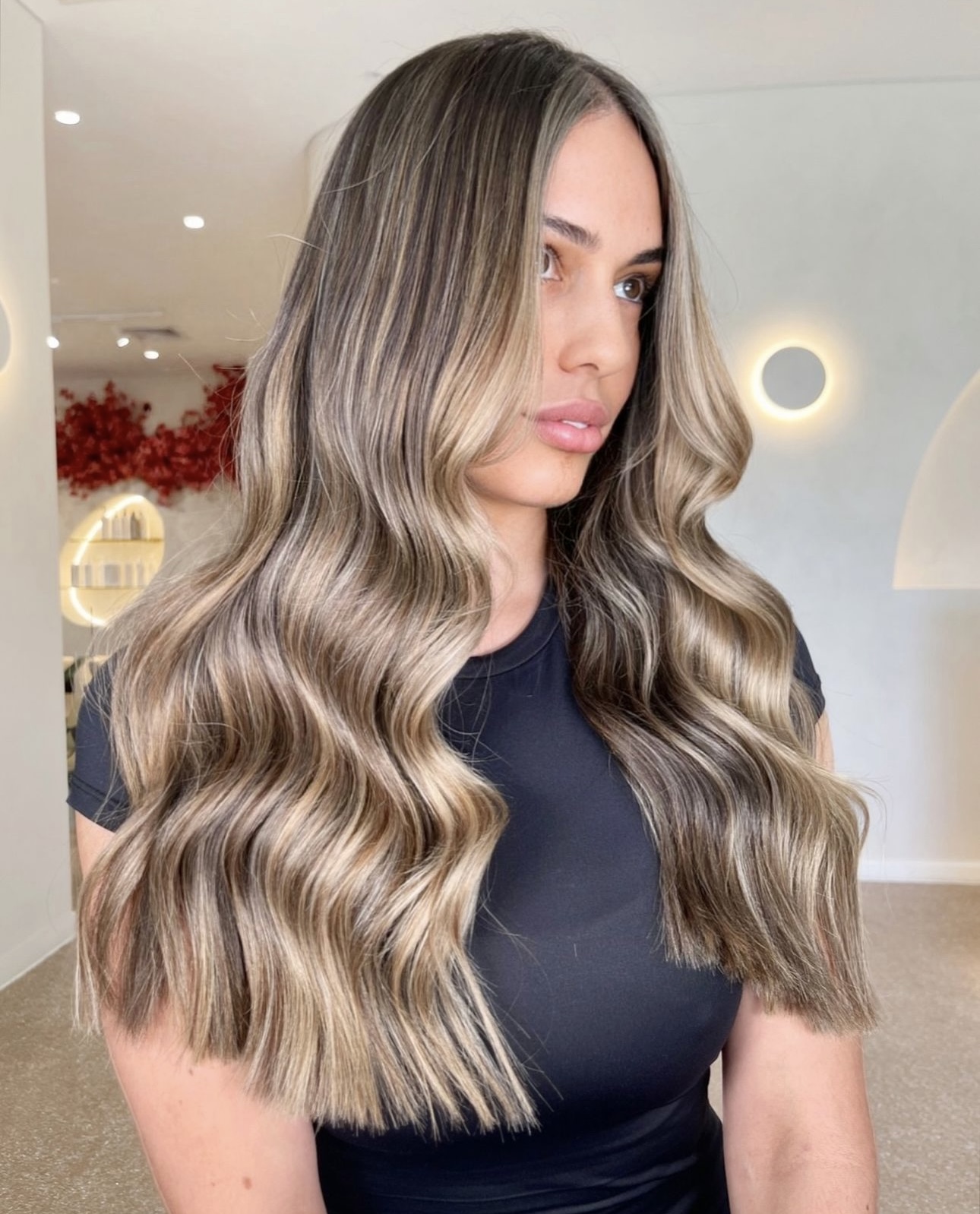
Dimension is a morning decision, make peace with that. This layered bronde balayage with a dimensional tone at collarbone looks good only when the waves are lifted, so the layers separate and the light catches the lighter strands. The layers are the trick, they give the waves somewhere to fall. Left flat, the colour merges into a single bronde wash, pretty but not distinct.
The daily reality is a ten-minute fix: re-curl the face-framing pieces, brush the roots out, and add a texture spray to keep the layers apart. The rest of the week follows the same script. A blowout holds for one night, then the wave drops, and you decide whether to re-curl or let the dimension blur. The wand is the non-negotiable, a wave without a wand is a flat patch. When the layers clump together, the light disappears, and the balayage reads as a single colour. I’d rather spend the ten minutes than stare at a flat wash. It’s not a low-maintenance colour, but it’s a predictable one, and predictability is worth the ten minutes.
No Bangs Visual Idea
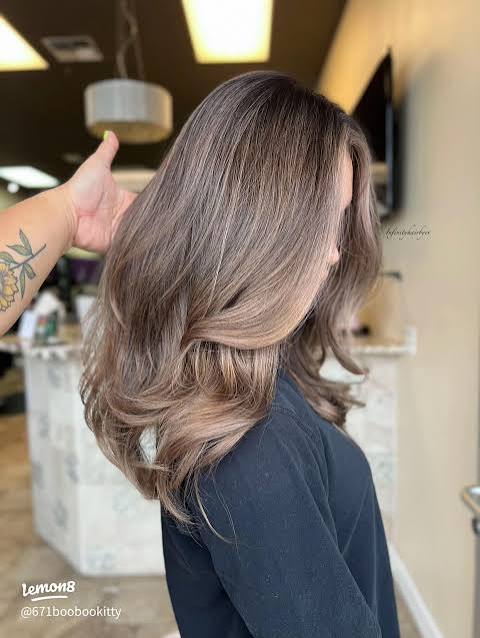
A side part and face-framing layers change the whole silhouette. The bronde balayage runs through collarbone-length waves, thick and wavy, no bangs in sight. Those face-framing pieces do the heavy lifting: they elongate a round face and soften a square jaw. It’s the side view that sells it.
Bronde With Blonde Highlights Visual Idea
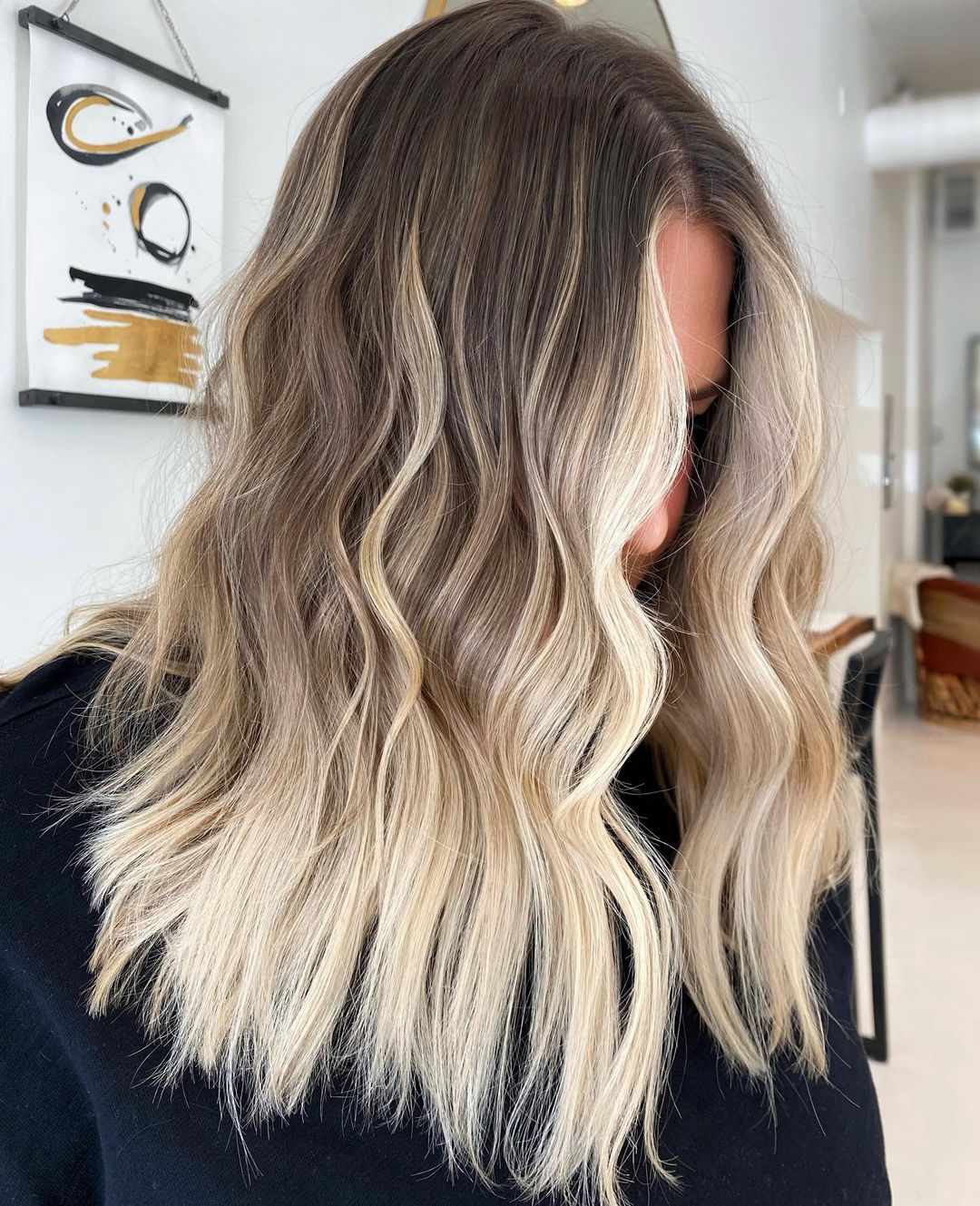
What happens when you want brown and blonde to live together? This bronde with blonde highlights, mid-back length, wavy and thick, loose waves that show the contrast. The blonde pops against the brown, but here’s the honest downside: those blonde highlights turn brassy fast. A purple shampoo buys you a week, maybe two. The contrast is the point, but maintaining it is the work.
Front View Visual Idea
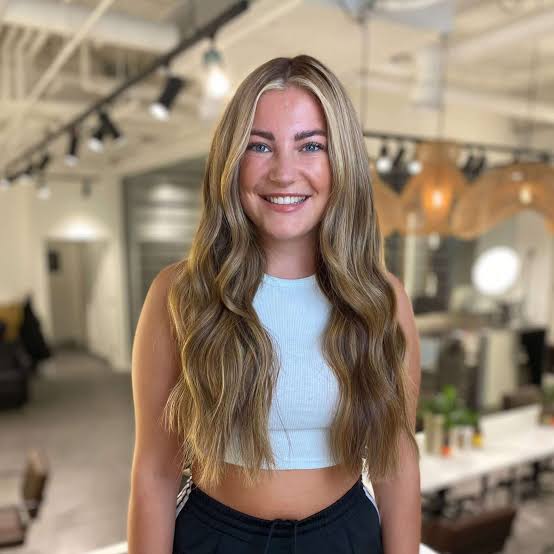
This is what happens when beige highlights meet a middle part. The technique: beige highlights painted onto face-framing sections of a bronde base, mid-back length, wavy thick texture, styled with a wavy blowout. The beige tone reads cool and soft next to the warm bronde.
Upkeep is the catch. Beige shifts toward yellow by week four, so a toning shampoo every few washes keeps it cool. A trim every eight weeks holds the shape. The highlights brighten the face, but they demand attention.
Back View Visual Idea
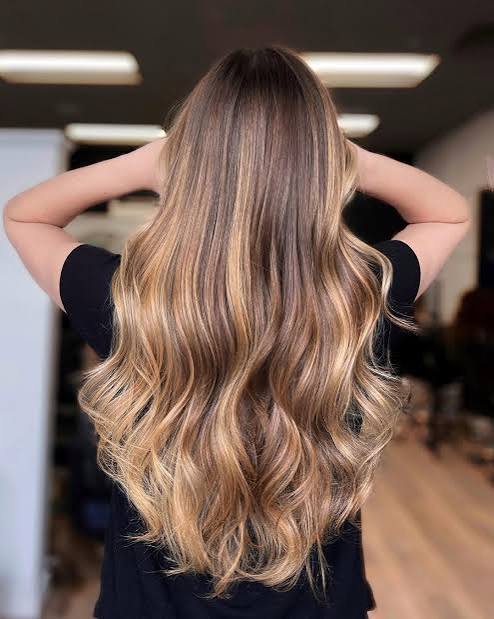
I tried to do this at home. Do not. The seamless bronde balayage from the back view looks effortless, but that’s the mistake: thinking you can paint it yourself. The balayage technique requires a stylist to place the lightener so it melts from brown into blonde. Mid-back length, wavy thick texture, loose waves. This is a salon job, no shortcuts.
Brown Base With Blonde Highlights Visual Idea
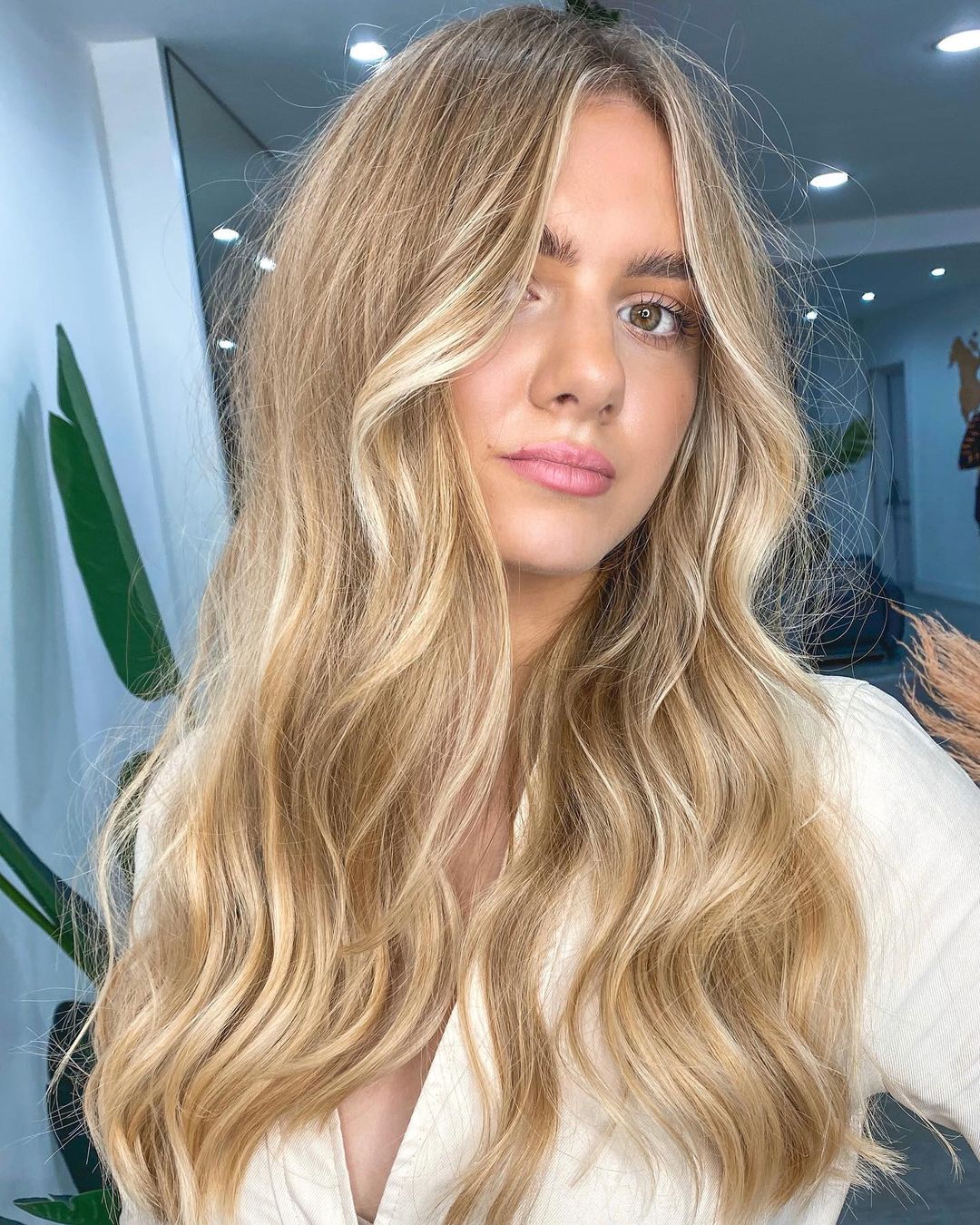
Need a shade that moves from summer into fall? Brown base with blonde highlights, shoulder length, wavy medium density, styled with loose waves and a blowout. The natural blend of brown and blonde works for autumn/winter transitioning: the warm brown base grounds the blonde, making it less summery. It’s the seasonal shift you didn’t know you needed.
Middle Visual Idea
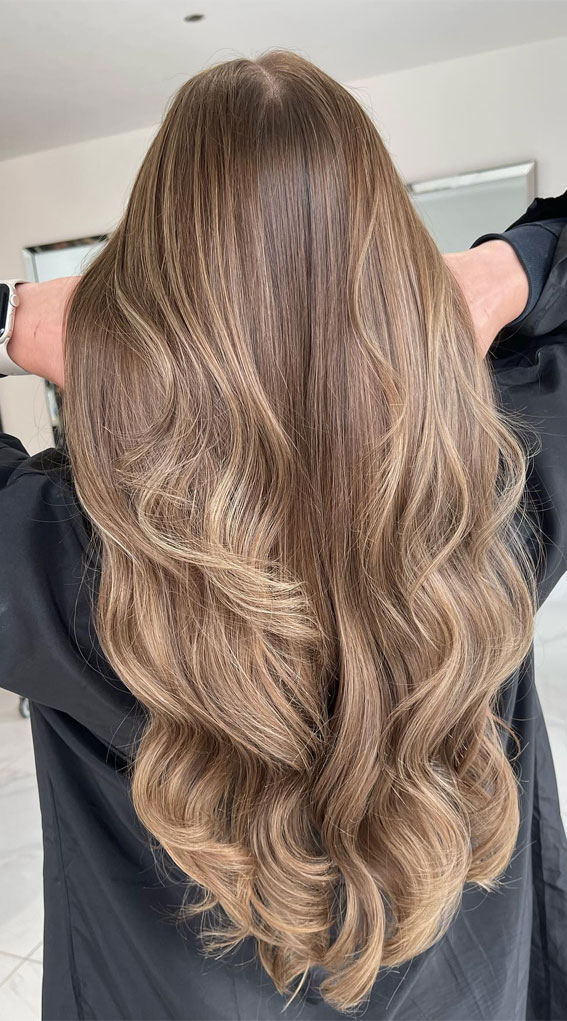
A middle part and loose waves. That is the whole plan. The bronde colour here uses a balayage technique that starts darker at the roots and softens into a lighter tone through the mid-back length. The wavy, thick texture gives it volume that lasts.
The soft colour transition is what makes this low-maintenance. Roots grow in without a harsh line, and the balayage blends into the base. This is the Bronde Hair 2027 that actually holds up through a real week. The waves stay, the colour fades gracefully. You get extra weeks between salon visits without the telltale line.
Wavy Blowout Visual Idea
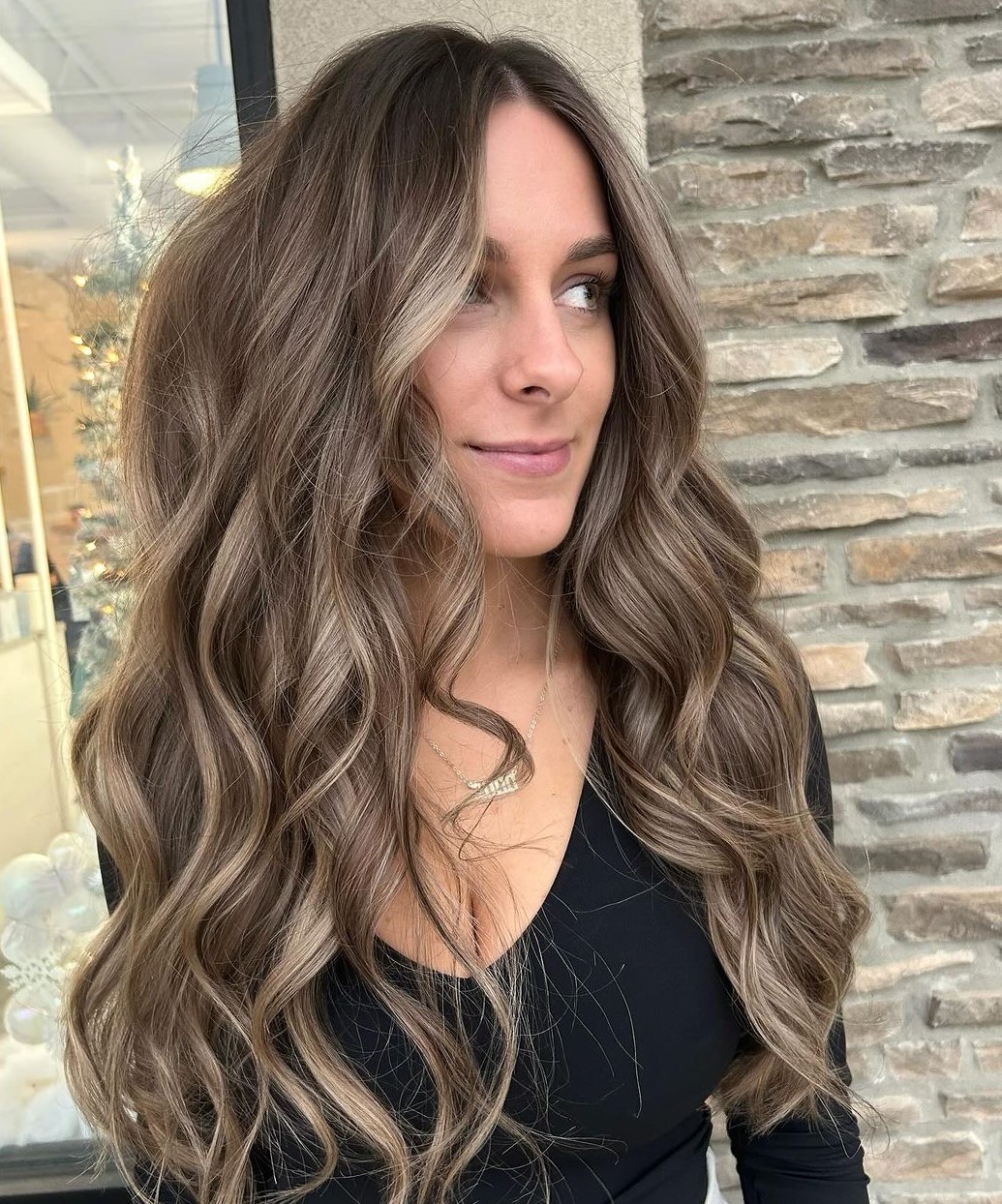
This is for the person whose hair already has wave and density. The bronde base with blonde highlights creates a dimensional tone that the natural texture amplifies. The mid-back length and wavy blowout styling show off the colour technique, which uses a balayage-like placement to keep the highlights soft and blended. If your hair is fine or straight, the waves may not hold and the highlights can look sparse. This look works with what you have, not against it. It is a genuine match for thick, wavy hair that needs a colour to keep up with its volume.
Long Layers Visual Idea
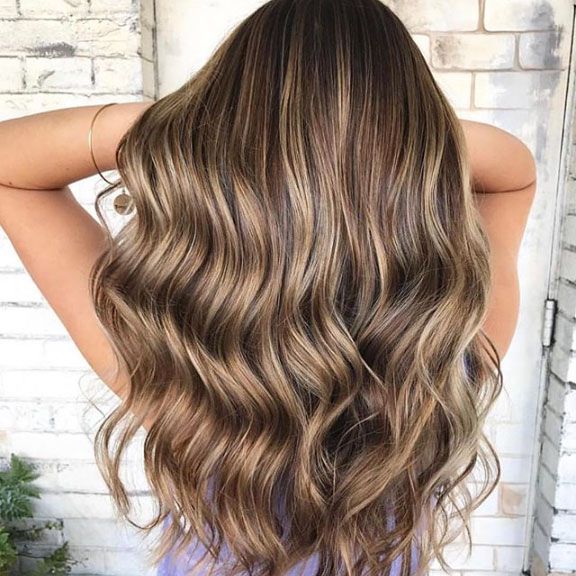
I will admit I booked this twice in one season. The bronde balayage on long layers at mid-back length creates a dimensional colour that shifts with the light. The wavy, thick texture makes the colour look layered and rich, but that depth comes with a price.
The cost is real. Maintaining dimensional colour on long layers means regular trims every eight weeks to keep the ends healthy and the colour fresh. The balayage technique itself takes a full afternoon in the chair, and the toning appointments add another hour every six weeks. The honest downside is that skipping a trim makes the colour look dull fast. The ends fray, the dimension flattens. It is a commitment that demands time.
Chin Visual Idea
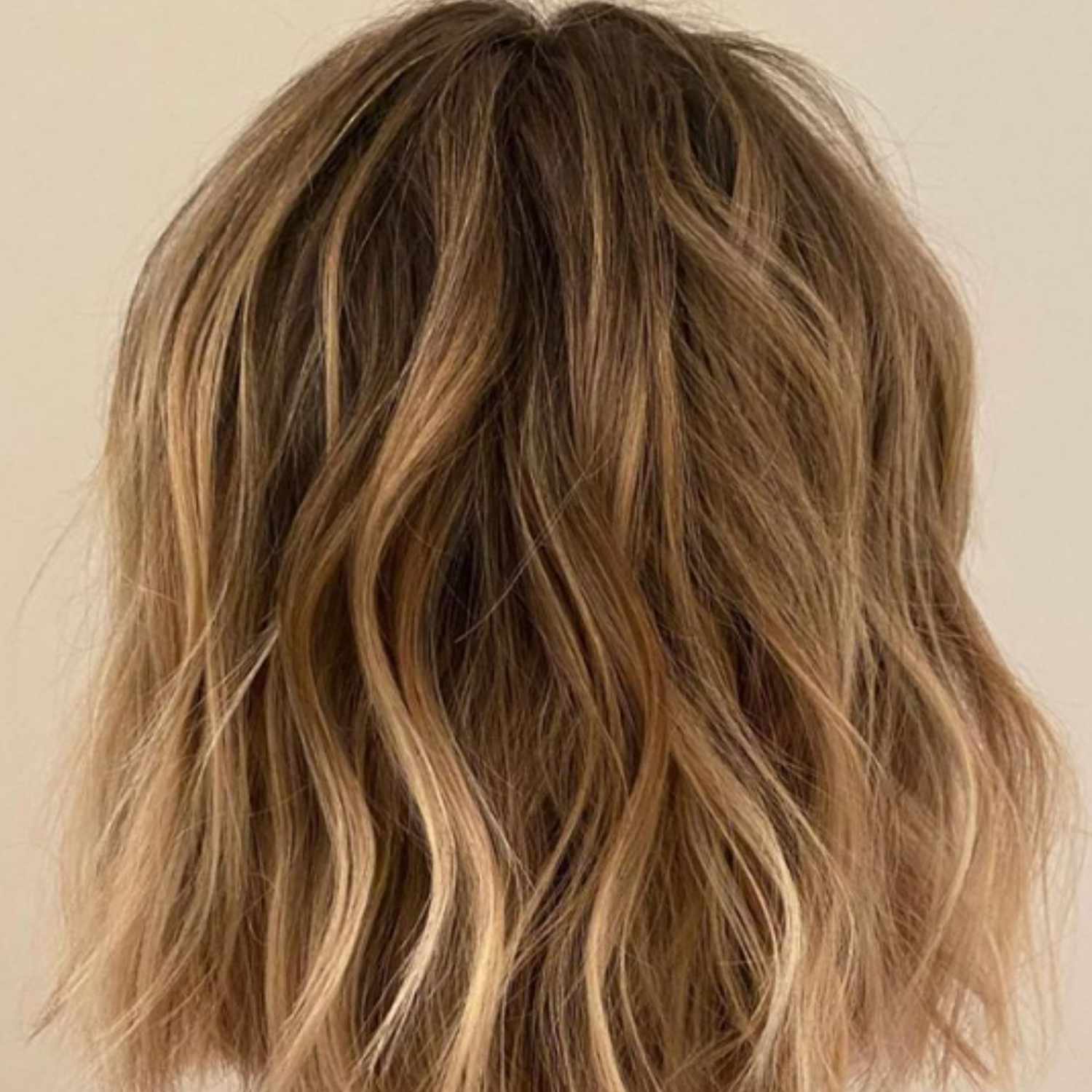
Why would anyone try this at home? The bronde balayage on a chin-length bob with layers is a salon job. The short length means the colour needs precise placement to avoid a line. The wavy, medium density texture can look muddy if the highlights are not spaced correctly. A DIY balayage on this cut is a risk. Leave it to someone who knows where to put the light.
Front View Close Crop Visual Idea
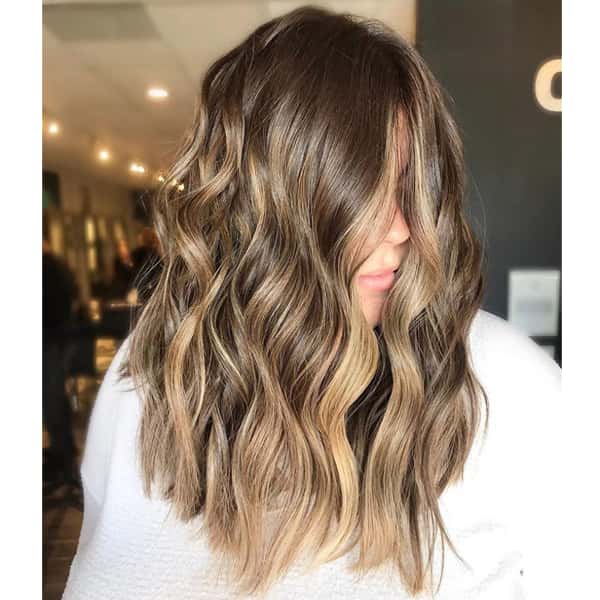
The colour is built in layers, not sections. The bronde base with blonde highlights uses a balayage technique that paints the lighter pieces onto the surface of the hair, leaving the underneath darker. On collarbone-length wavy, thick hair, this creates a dimensional bronde colour that catches the light from every angle.
For wear and upkeep, the technique means roots grow out softly. The blonde highlights fade warmer, but the wavy texture disguises the grow-out. A purple shampoo every other wash keeps the tone cool, making this a low-maintenance option for dimension without constant salon visits.
Wavy Visual Idea
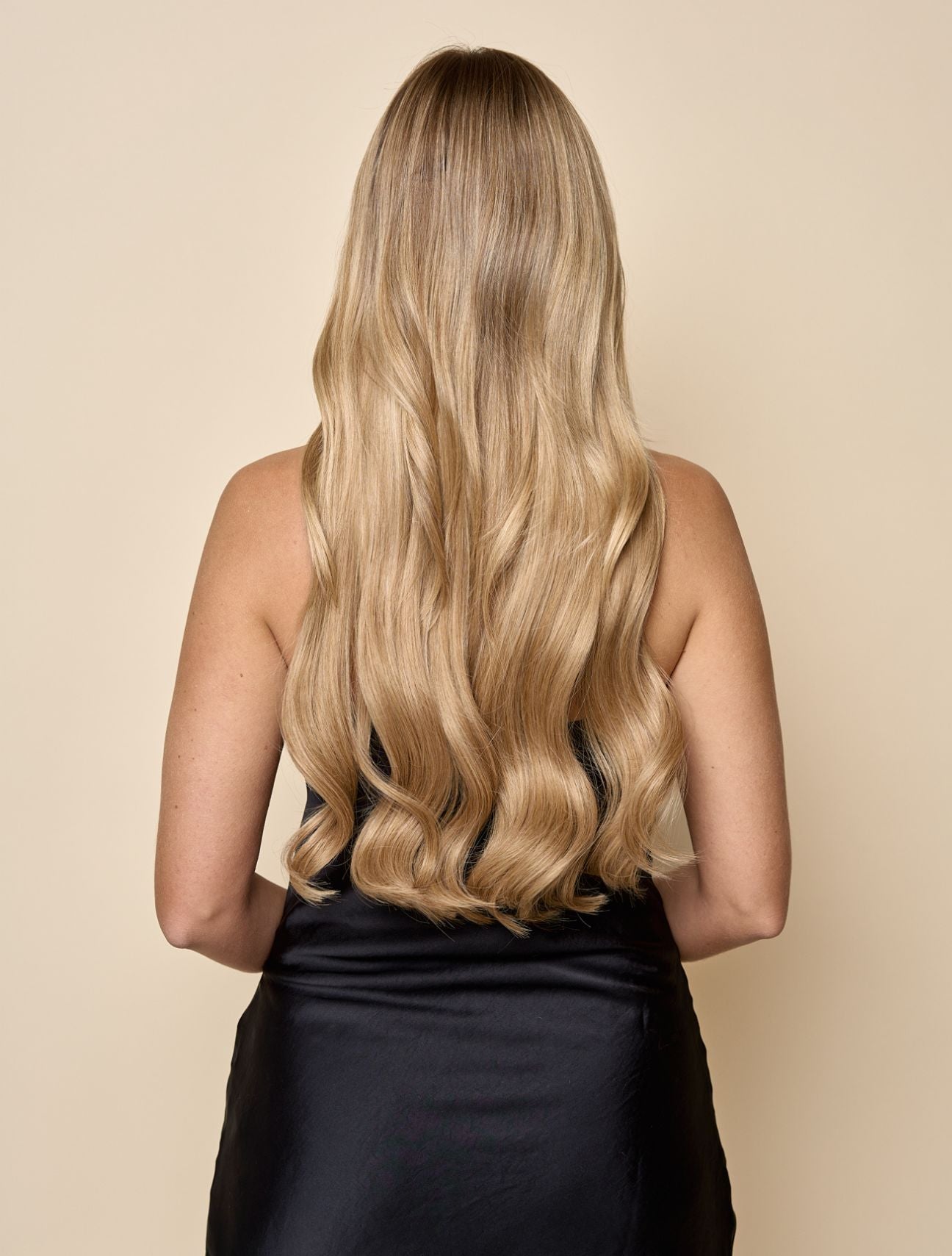
Monday morning, I rolled out of bed and this is what I got. The bronde balayage at mid-back length on wavy thick hair doesn’t fight me. The colour is blended from root to end, so the grow-out is soft. No harsh line, no panic at week six. The waves fall in loose S-shapes because the thickness gives them weight. The balayage technique paints the colour freehand, so the transition is seamless. The tone is a neutral bronde, not too warm, not too cool.
The waves hold because the colour adds dimension. I scrunch with a leave-in, air dry, and go. Day three still looks intentional. That’s the wear reality of a colour that works with your texture, not against it. Minimal styling effort is the point. The bronde tone stays neutral, not too gold, not too ash. It just sits there looking like I tried when I didn’t. The mid-back length means I can pull it back on day four and still see the colour move. For thick wavy hair, this is the lowest maintenance bronde I’ve found. The tone leans warm but not orange, which is rare for a home-grown balayage. I don’t need a purple shampoo every wash, just every third. The waves get better on day two, which is the real test.
Loose Waves Visual Idea
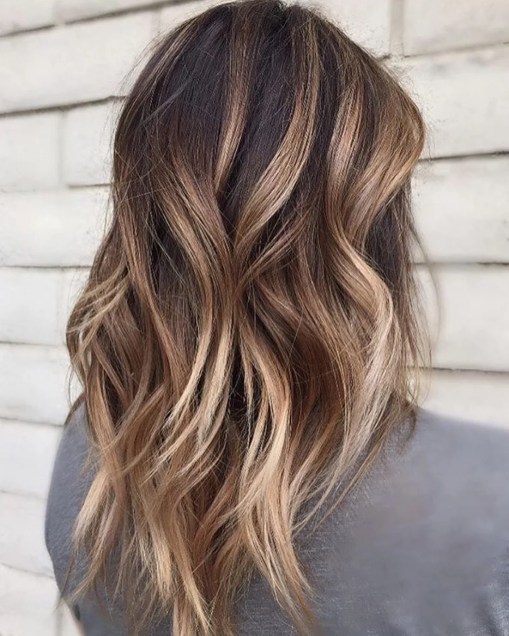
This is for medium density hair and no one else. The dark brown base with blonde balayage highlights at shoulder length creates a bronde effect that needs enough hair to hold the loose waves but not so much that the blend gets lost. Medium density gives the waves body without weighing them down. The tone is neutral, so it reads as natural. Fine hair would fall flat; thick hair would overpower the subtle colour shift. The shoulder length keeps the waves from dragging.
Blowout Visual Idea
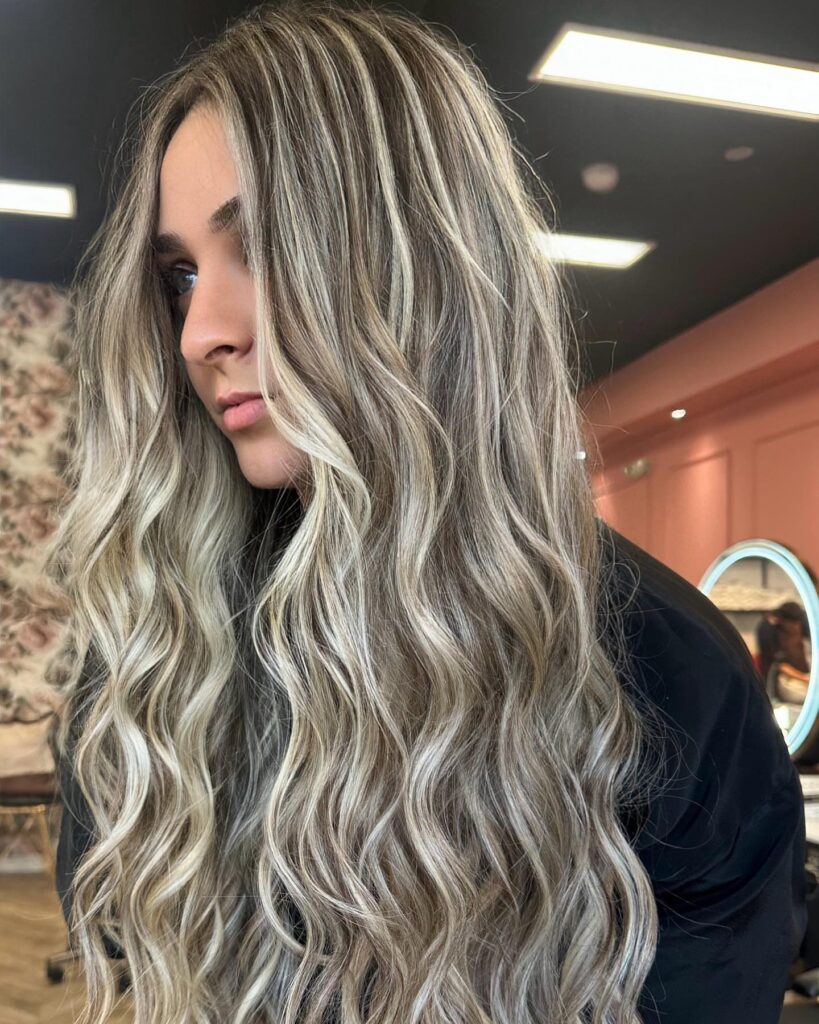
What says summer more than a blowout with bronde highlights? The shoulder-length cut with long layers, straight fine texture, and a middle part. The bronde colour with highlights catches the sun and reads as a refresh. This is a seasonal move: lighter, brighter, less weight. The fine texture takes a blowout well, holding the bend without frizz. The highlights are placed around the face to frame it, so the colour moves when you do. The tone stays neutral with a purple shampoo in the rotation. For summer, this is the colour that makes you look like you just came from the beach, even if you spent the day in an office.
Wavy And Thick Visual Idea
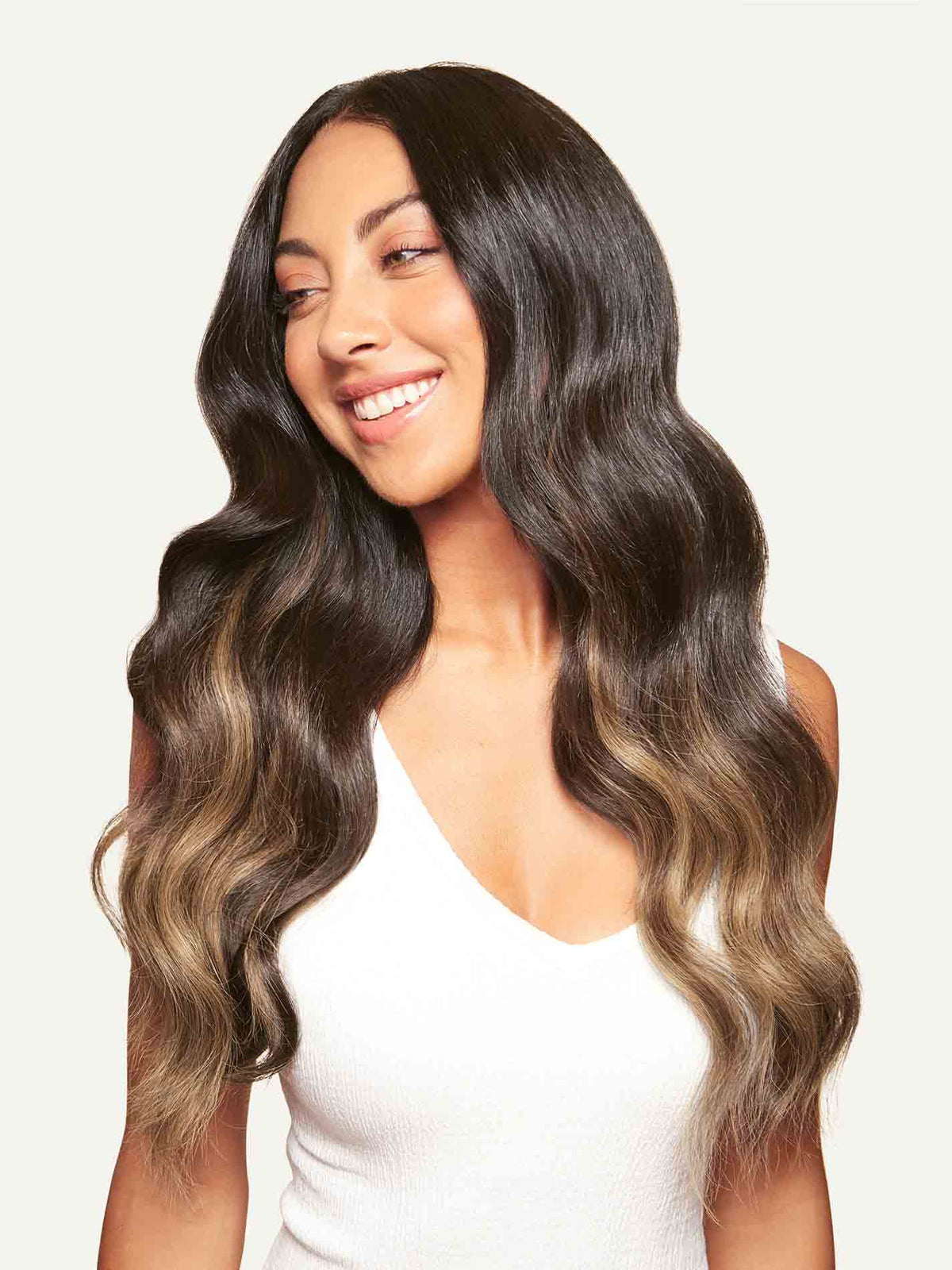
I admit, I booked this for the contrast. The mocha bronde balayage on mid-back wavy thick hair with dark roots against bronde ends is striking. The technique uses a deep root shadow that fades into the lighter mid-lengths and ends. The tone is warm mocha, not too dark, not too light. The waves catch the light differently at each level, so the colour shifts as you move. The mid-back length gives the colour room to breathe.
But the honest downside: the contrast needs upkeep. The ends can turn brassy without a toning shampoo every two weeks. The roots grow out fast, so you’ll be back in the chair by week ten. The thickness means more product to keep the waves defined, and the length means more time drying. It’s a look that demands attention, and it will get it. If you’re not ready for a regular toning routine, this isn’t the one. But if you are, the payoff is real. The waves hold the colour well, and the dark roots add depth that a single-process colour can’t match.
Beach Waves Visual Idea
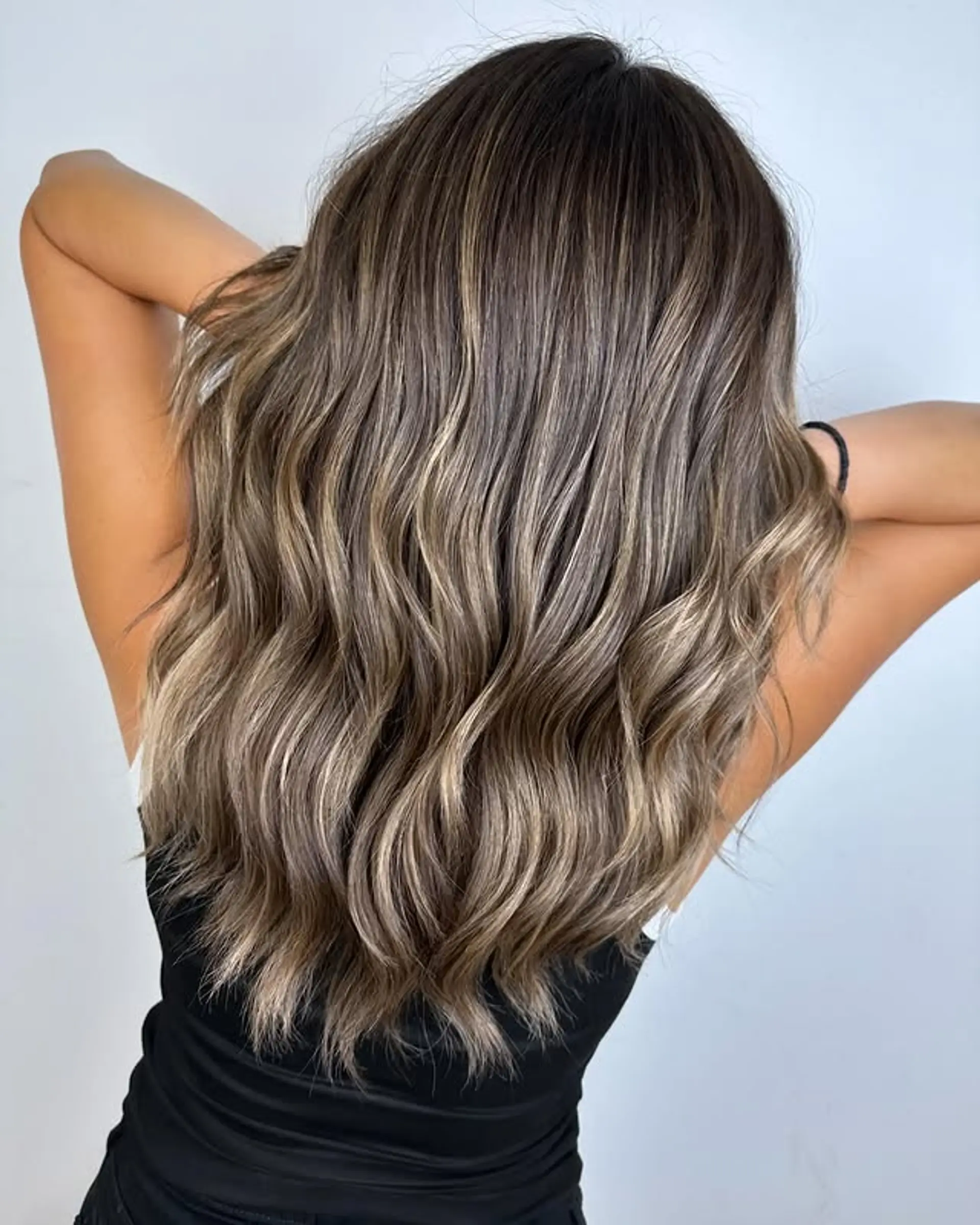
The biggest mistake is thinking you can do this at home. Multi-tonal bronde balayage on mid-back wavy thick hair requires a professional hand. The beach waves look effortless but the colour placement is precise. DIY highlights end up patchy or too warm. The technique uses freehand painting to create soft transitions between shades. The tone is a mix of warm and cool bronde, which is hard to achieve with a box dye. The mid-back length means the colour has to be distributed evenly, which takes skill. The thick texture needs more lightener to lift, and a pro knows how to avoid banding. Book the salon for this one, and bring a photo of the exact multi-tonal look you want.
Dimensional Bronde Tones Visual Idea
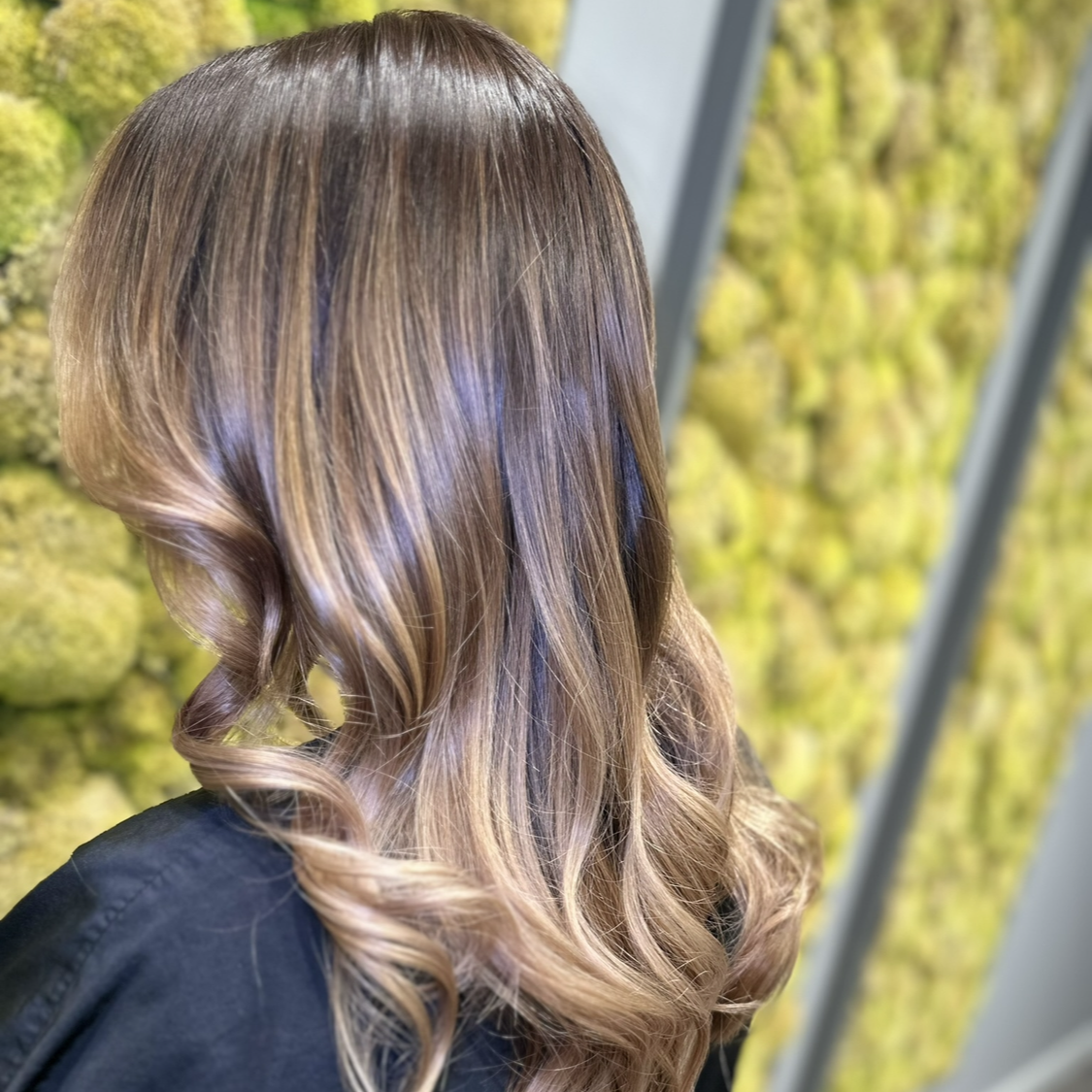
The trick with dimensional bronde colour is that ash blonde highlights do the heavy lifting. They sit between the warm brown base and the light ends, creating that shift without a hard line. The balayage technique sweeps the ash tone through the mid-lengths and leaves the root deeper, so the colour has room to breathe. At mid-back length, the layers catch the highlights differently with every movement. The wavy, thick texture helps the transitions look soft rather than striped.
This colour wears well because the root is darker, so grow-out is forgiving. But ash tones fade faster than warm ones, so a purple shampoo every other wash keeps the cool from turning brassy. A gloss treatment every six weeks maintains the dimension and stops the highlights from going flat. I also find that using a heat protectant before styling helps the toner last longer. The loose waves in the photo are not required, but they show off the depth better than straight hair would.
Side Visual Idea
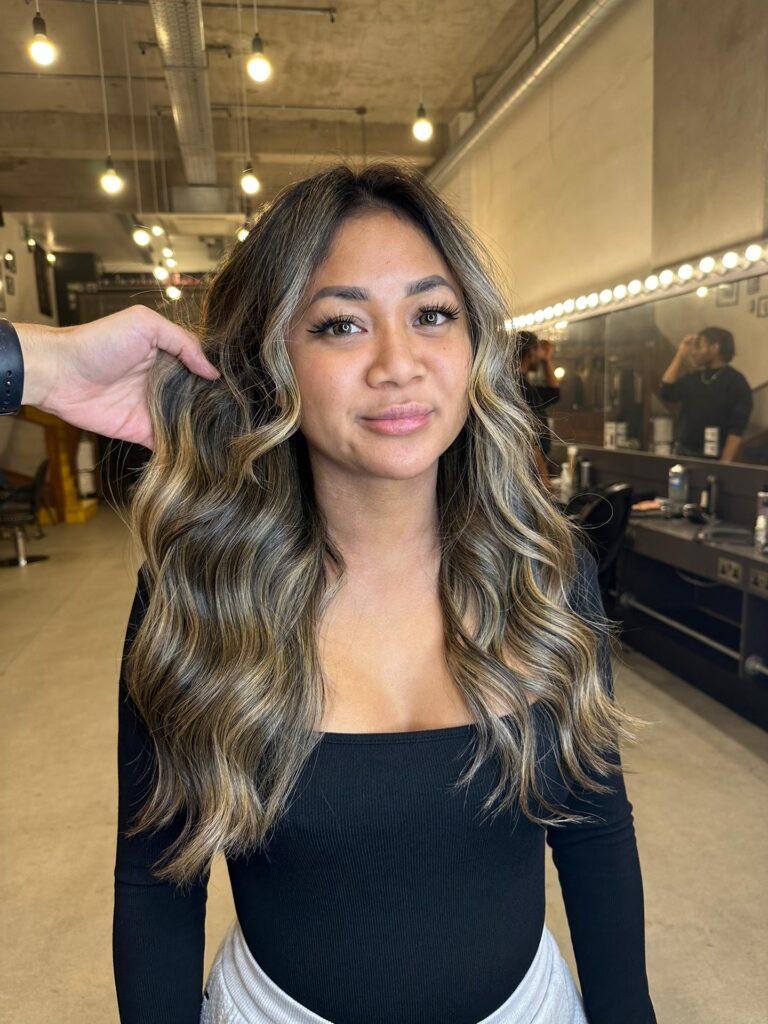
Monday morning, and the dimensional highlights are still catching light. That is the promise of a side part with loose waves: the highlights fall where they can be seen, not hidden in the underlayer. The colour is a dimensional bronde balayage, with the technique placing lighter pieces around the face and through the mid-lengths. The overall tone is warm but not brassy. At mid-back length, the wavy, thick texture gives the highlights room to move.
To keep them looking that way, the waves need to be set with a texture spray and a quick diffuse. Without that, the dimensional effect flattens into a single tone by afternoon. A quick refresh with a curling wand on day two brings the dimension back without a full wash.
Air Dried Visual Idea
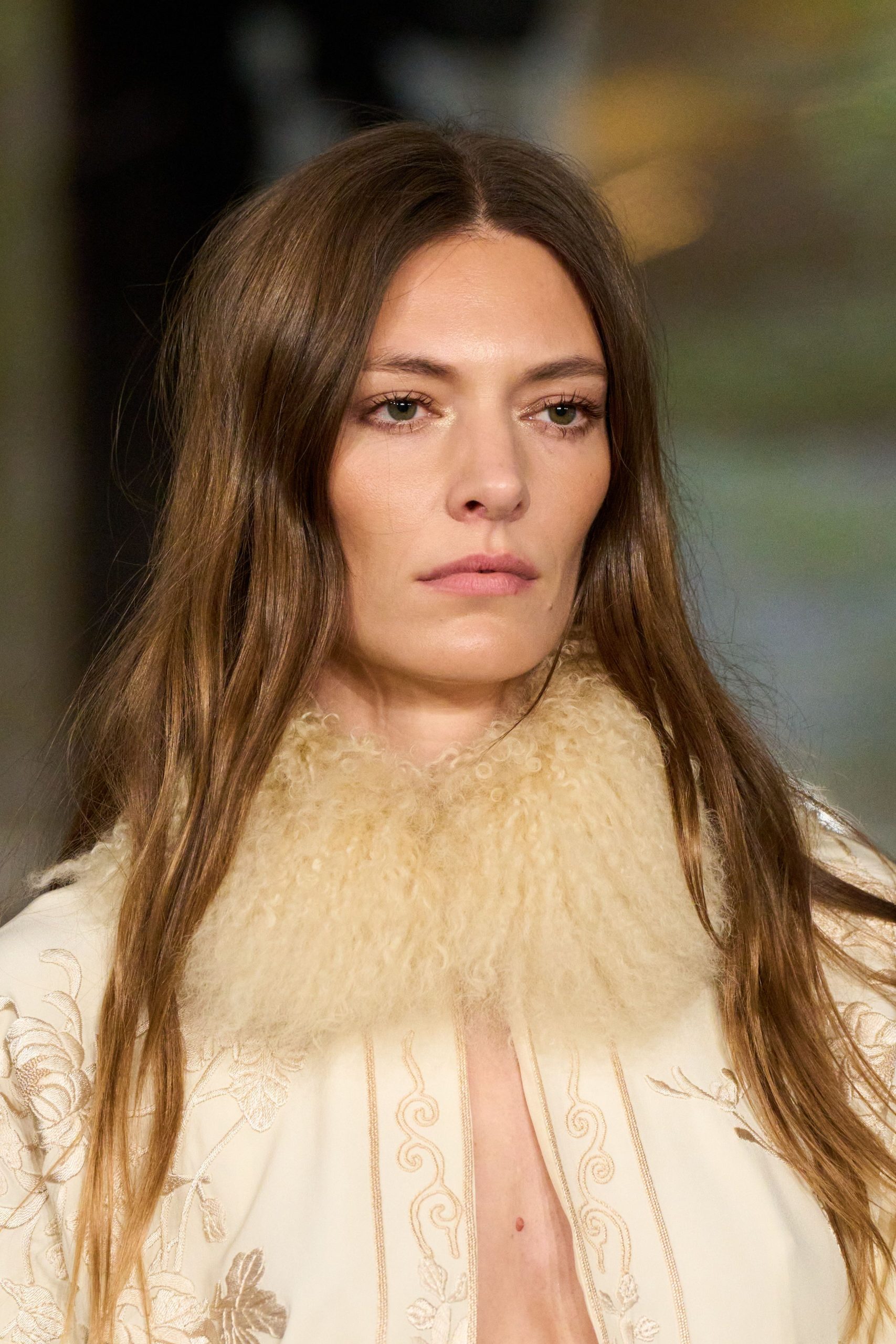
Do you have thick, wavy hair that air-dries into shape rather than a frizzy mess? This bronde colour with balayage technique is built for you. The mid-back length lets the waves stretch without losing volume, and the tone stays soft because the balayage highlights land where the light hits naturally. The layers are cut to encourage the wave pattern, so you can skip the diffuser and still get dimension. This is the air-dry win you have been waiting for.
Side View Visual Idea
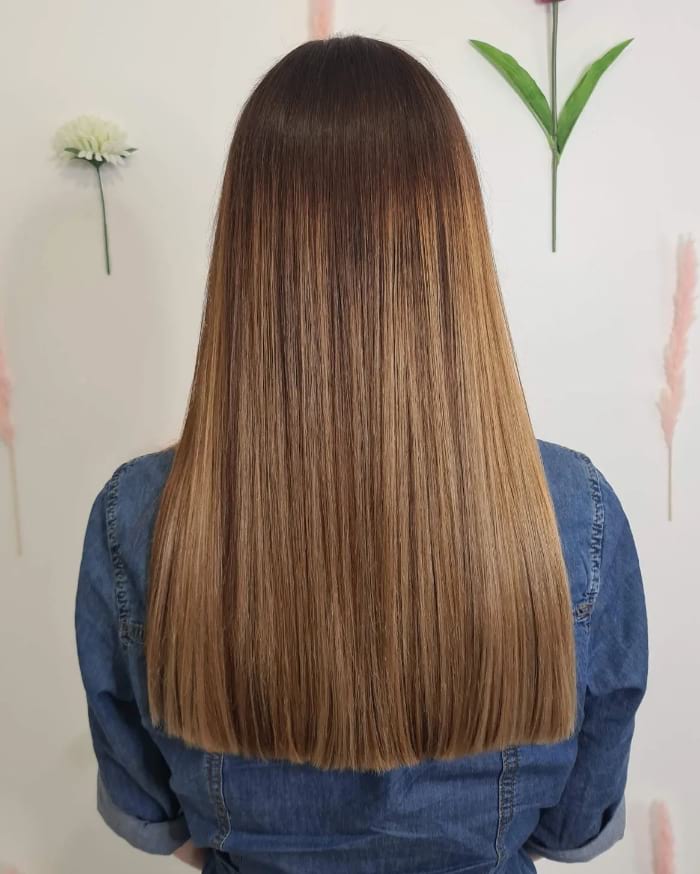
I will confess: this bronde colour with balayage technique took three hours in the chair. The stylist painted the balayage highlights freehand, then toned the whole thing to keep the tone warm but not brassy. The side view shows the curls, which require a curling iron and a good half hour to set each time. The mid-back length means more surface area to curl, so plan accordingly.
At mid-back length, the wavy, thick texture holds the curl well, but the downside is that the balayage highlights can look flat if you skip the styling. The cost in time is real, but the result lasts. If you are not willing to commit to the curling routine, this look will not reach its potential. I have found that the curls hold better on day two with a quick refresh, but that is still ten minutes with a wand.
Salon Visual Idea
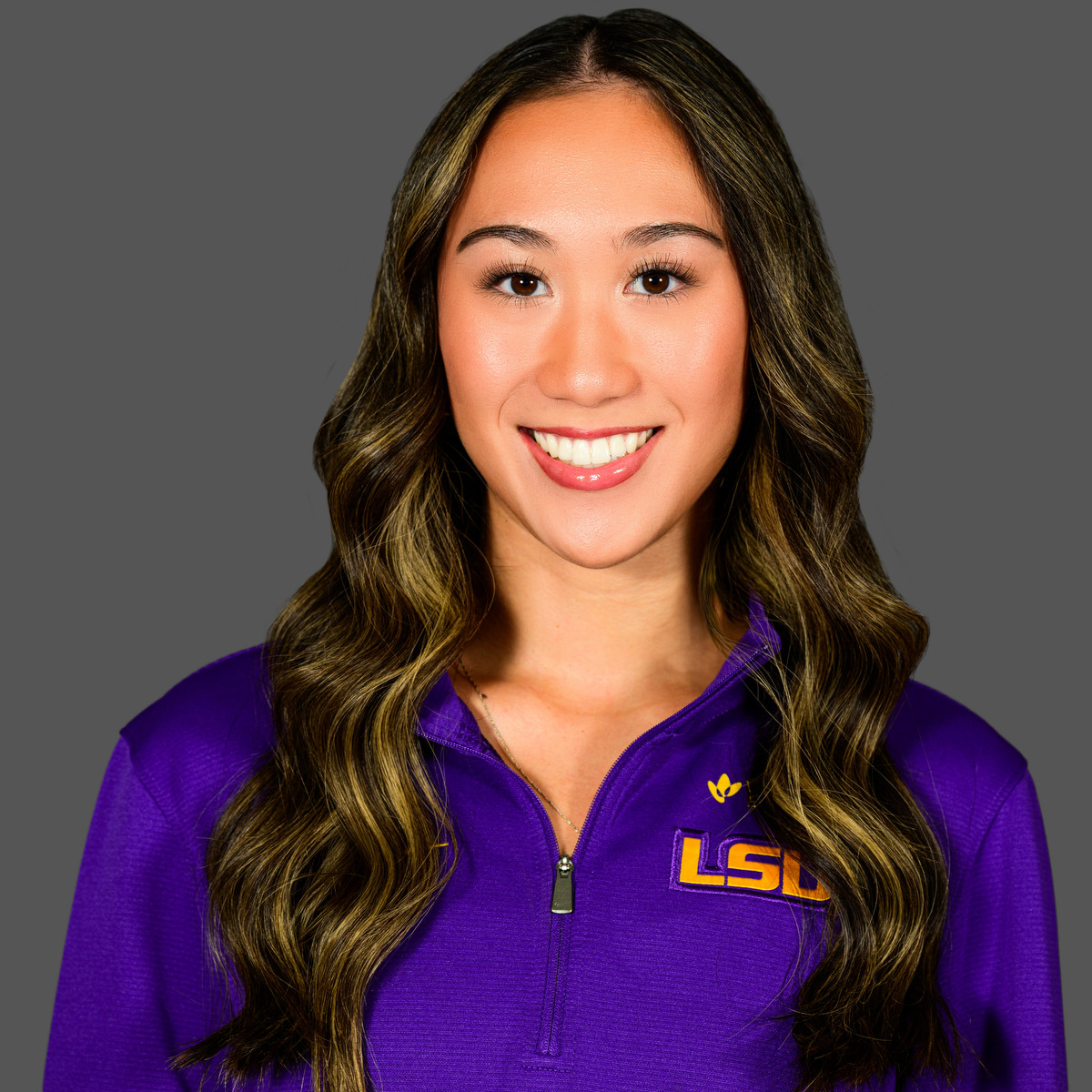
Verdict: this dimensional bronde colour is not a DIY job. The technique requires precise placement of highlights to create the depth, and the tone needs a professional eye to balance warm and cool. At mid-back length, the wavy, thick texture can hide uneven colour, but that is not a risk worth taking. A salon will use foils or balayage to get the highlights right, and the result is a colour that looks natural rather than streaky. The seasonal appeal is that bronde works year-round, but it especially shines in fall when the warm tones complement the changing light.
Wavy And Fine Visual Idea
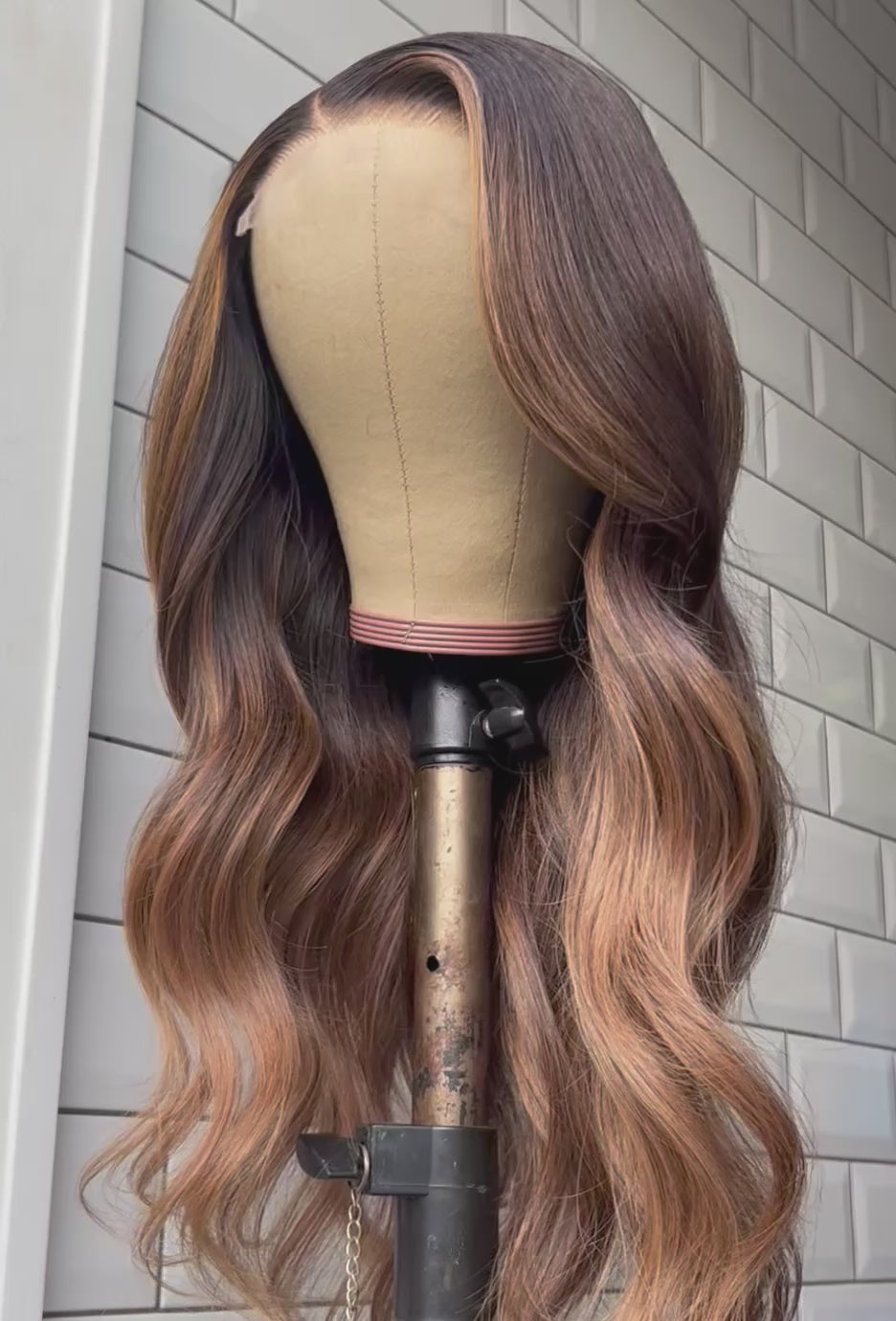
Fine waves don’t hold a highlight the way thick curls do. The balayage technique here keeps the light bronde tone subtle, painted on fine strands with a soft hand so the colour lands mostly on the mid-lengths. Collarbone length lets the waves stack without losing shape. Upkeep is simple: a lightweight volumizing spray at the roots, a purple shampoo every third wash, and a trim every ten weeks to keep the ends from splitting.
Back View Side Crop Visual Idea
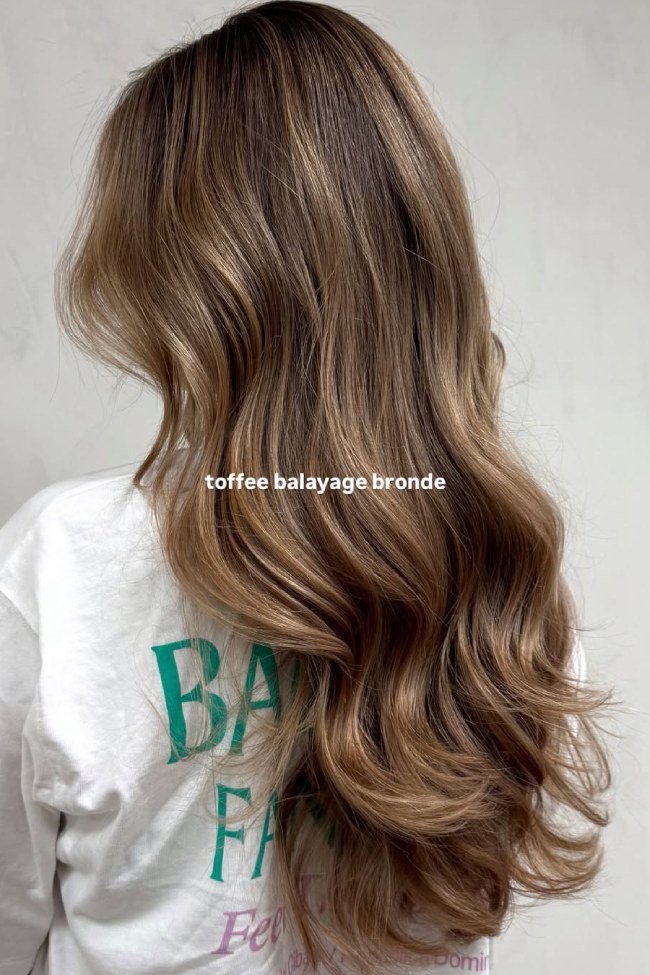
You wake up, brush your hair, and it already looks good. The toffee balayage on this mid-back length blends so naturally with the darker roots that you barely notice the grow-out by Friday. Monday morning, the waves still have shape from Sunday’s wash.
That is the point of a warm bronde tone with a soft balayage technique. The colour fades gently, never leaving a harsh line, and the thick wavy texture absorbs the warmth without looking brassy. By day seven, it still reads intentional. The side crop view catches the toffee highlights wrapping around the layers, and the middle part keeps everything symmetrical. Even after a week of air-drying and sleeping on it, the toffee tone stays warm, not orange. No touch-up needed until week six, and even then, the root shadow is more of a suggestion than a demand. It works with a ponytail, a braid, or just down. The balayage placement means the lighter pieces frame the face even when pulled back.
Visual Idea — The Hair Is A Bronde Shade
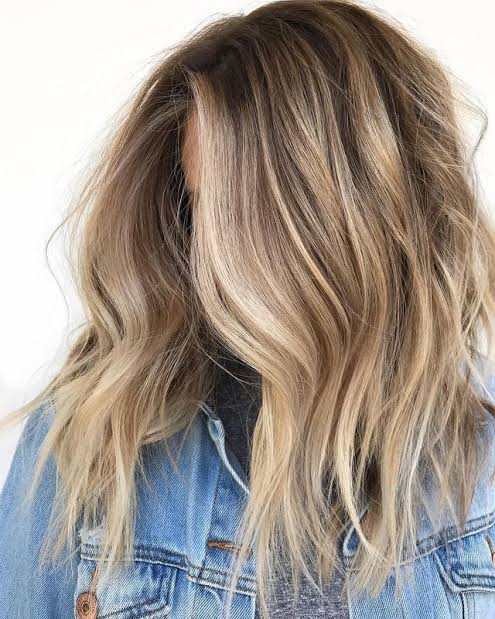
Why go full blonde when bronde does the work? This natural bronde balayage keeps the base deep enough to look grown-in from day one, unlike a heavy highlight that demands a root touch-up at week three. The collarbone length and thick wavy texture hold the soft tone without needing constant toning. The balayage technique here is subtle, painting the light pieces only where the sun would hit, so the grow-out is invisible for months. The front view shows the dimension without the drama. That is the difference between a dramatic colour and a natural one: one fights time, the other rides it. No harsh lines, no brassy ends, just a shade that moves with you.
Final Thoughts
After writing all 33 of these, I keep coming back to the caramel shag. It’s the one that surprised me most: structured enough to hold shape, soft enough to let the colour breathe. And honestly? I’m booking the collarbone ash balayage next week. That’s the one that stayed in my head.