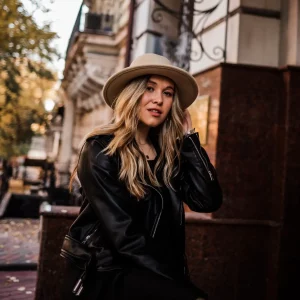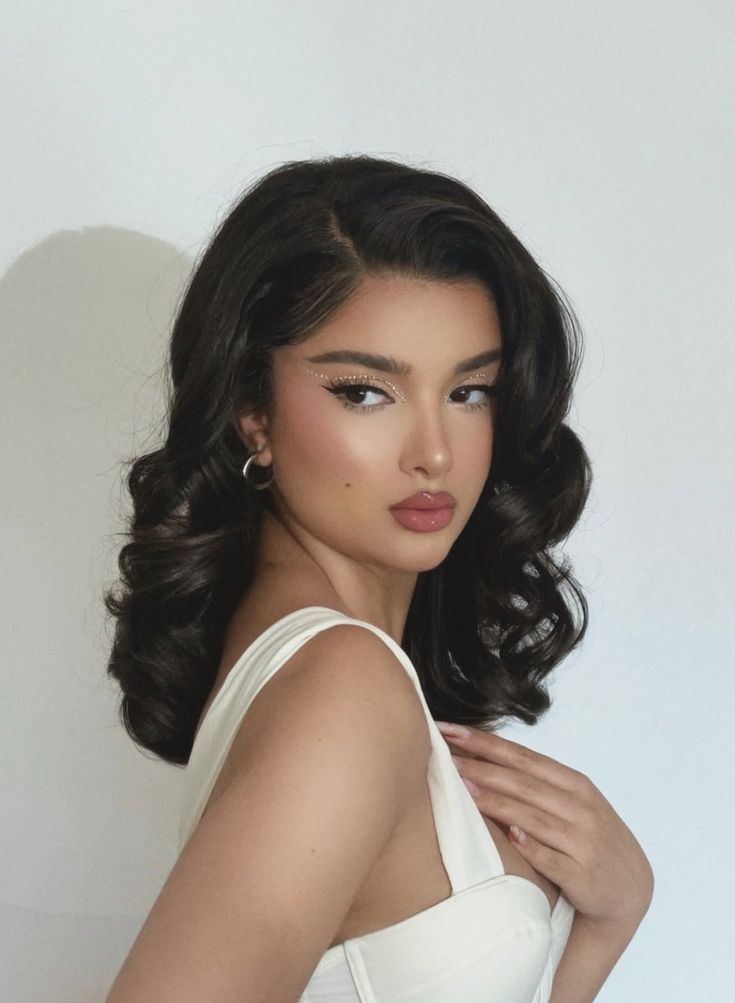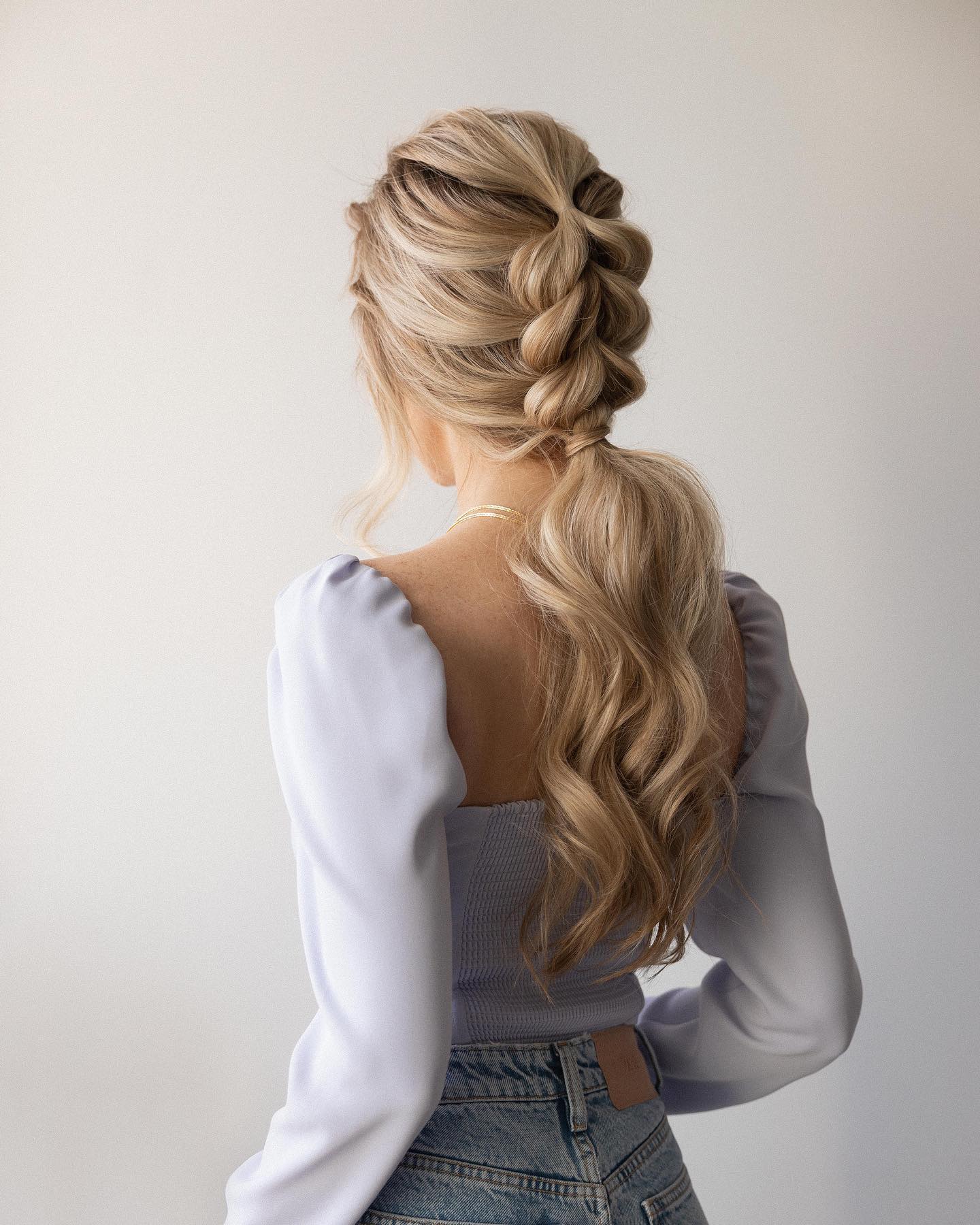
I keep seeing the wolf cut in the chair next to mine, but it’s not the choppy, short version from a few years ago. The 2027 version is longer, softer, and somehow more wearable. It’s the same attitude, just with more room for colour and texture.
This roundup has 32 takes on the Long Wolf Cut 2027, from collarbone to mid-back, grey highlights to bold color blocking. Some need a round brush and patience, others air-dry and go. I’ve tested a few on my fine, flat-by-4-pm hair, and the ones that hold volume surprised me. Whether you have curls, waves, or stick-straight strands, there’s a version here that won’t collapse by lunch.
Collarbone Wolf Cut With Grey Highlights

The choppy layers here do something specific for finer hair: they create the illusion of density without needing actual thickness. This collarbone wolf cut grey keeps the texture wavy and loose, never heavy. The choppy bangs land above the brow, which means they catch light and move instead of sitting flat. Fine hair that goes limp by noon holds its shape here because the cut does the work, not the product. A side part widens a round face slightly, so if that is your shape, ask your stylist to keep the fringe softer on the heavy side.
Mid-Back Curly Wolf Cut
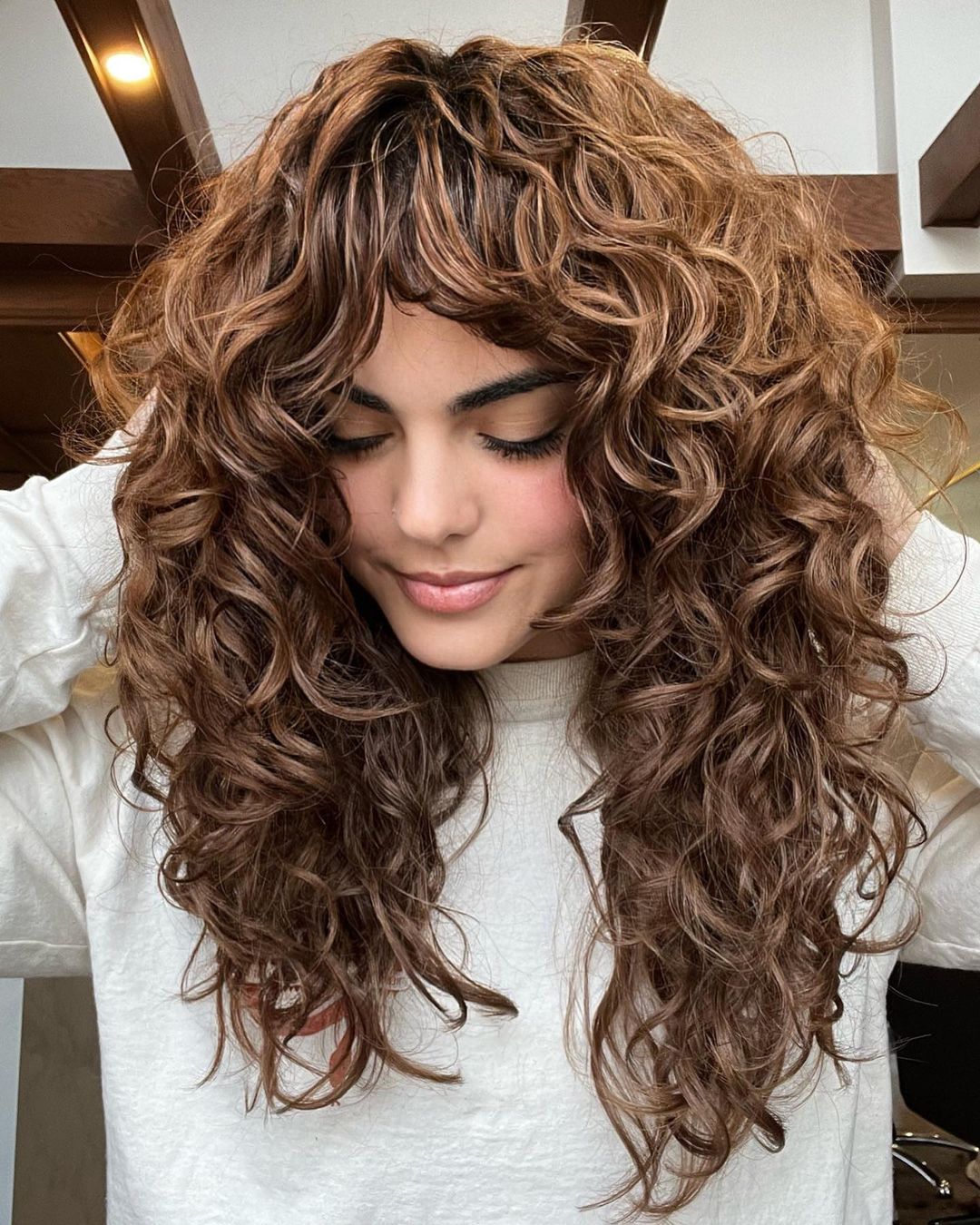
Does a wolf cut work on curls that want to do their own thing? Yes, but the relationship takes negotiation. This curly wolf cut mid-back keeps the length while carving out layers that let each curl sit separately. The voluminous bangs are not cut straight across; they follow the curl pattern, which means they land shorter when dry and longer when stretched. Day one looks defined and bouncy. Day three, the layers start blending into each other, and that is when you reach for a wide-tooth comb and nothing else. A middle part here softens a square jaw because the curls fall forward, not out. By day five, the shape still holds because the cut was built for texture that expands, not collapses.
Thick Wavy Wolf Cut With Face-Framing
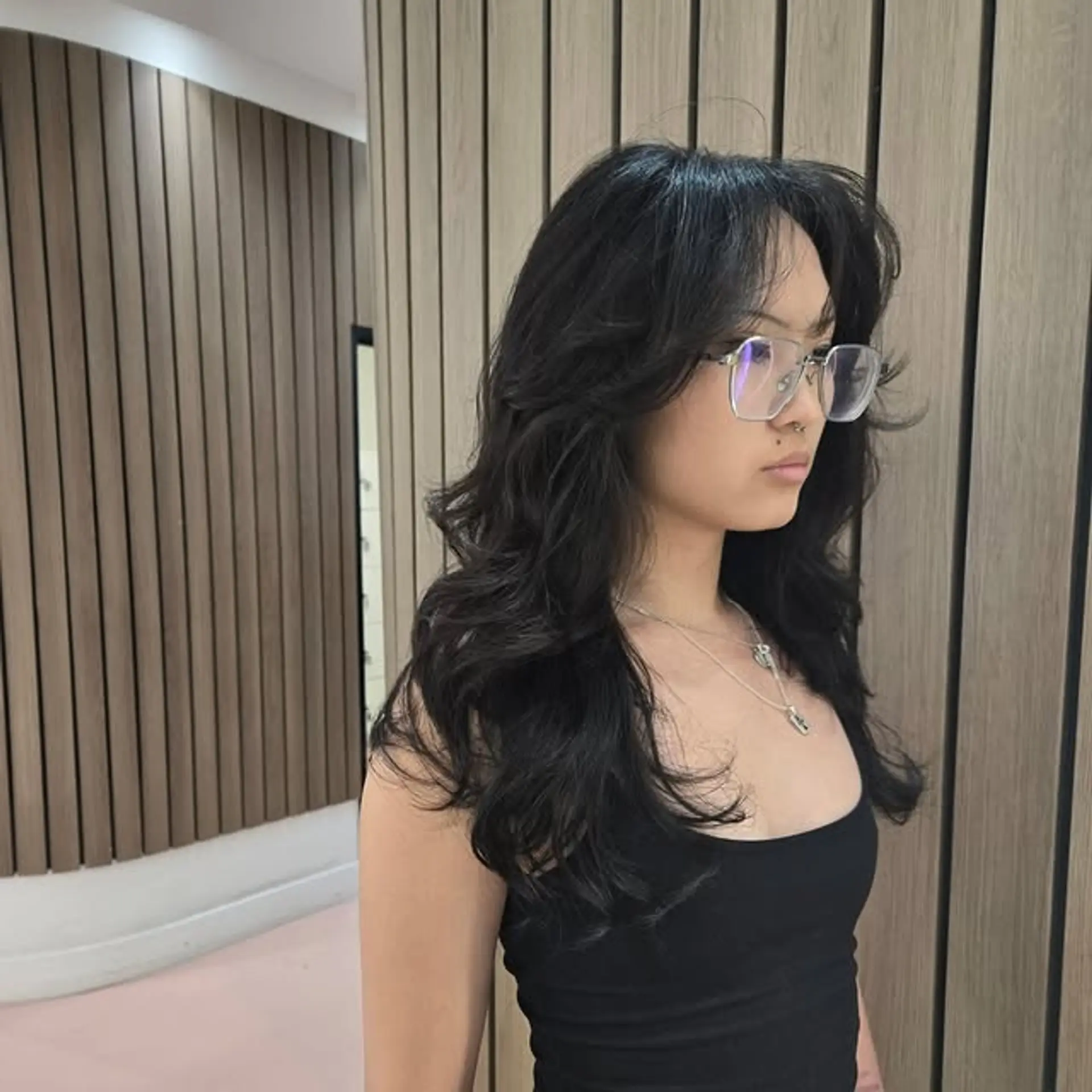
This is the version that actually earns the word wolf. The wavy wolf cut face framing relies on internal layering: your stylist carves weight out from the underside so the top layers sit lighter. For thick hair, this is the difference between a triangle shape and something that moves. The face-framing pieces start at the cheekbone and graduate down, which means they shorten the appearance of a long face without cutting actual length. Tell your stylist: keep the perimeter heavy, remove bulk from the interior, and let the shortest face-framing layer hit just below the cheekbone. That is the whole conversation.
Shoulder Length Wolf Cut Blowout
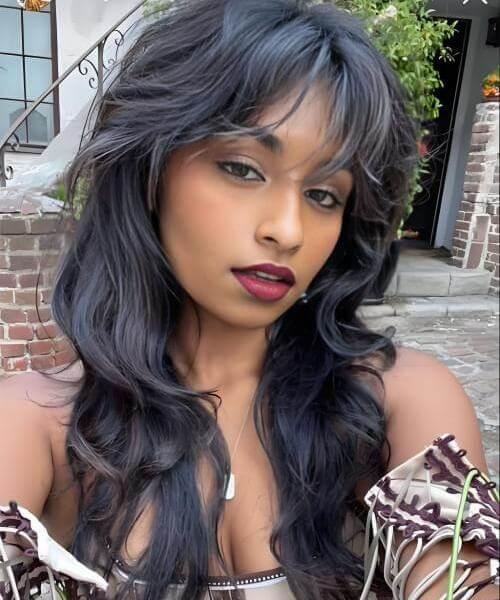
I will confess: I booked this cut thinking it would air-dry into the photo. It does not. The shoulder length wolf cut with a blowout requires a round brush and twenty minutes of your morning, minimum. The face-framing layers are cut to flip outward when blown downward, which means you are committed to the technique or you get a shape that falls flat by noon. The honest downside: if you skip the blow-dry, the layers sit too close together and the whole thing reads as one blunt chunk. The payoff is that when you do the work, the movement is real, not sprayed in.
Collarbone Wolf Cut With Full Bangs
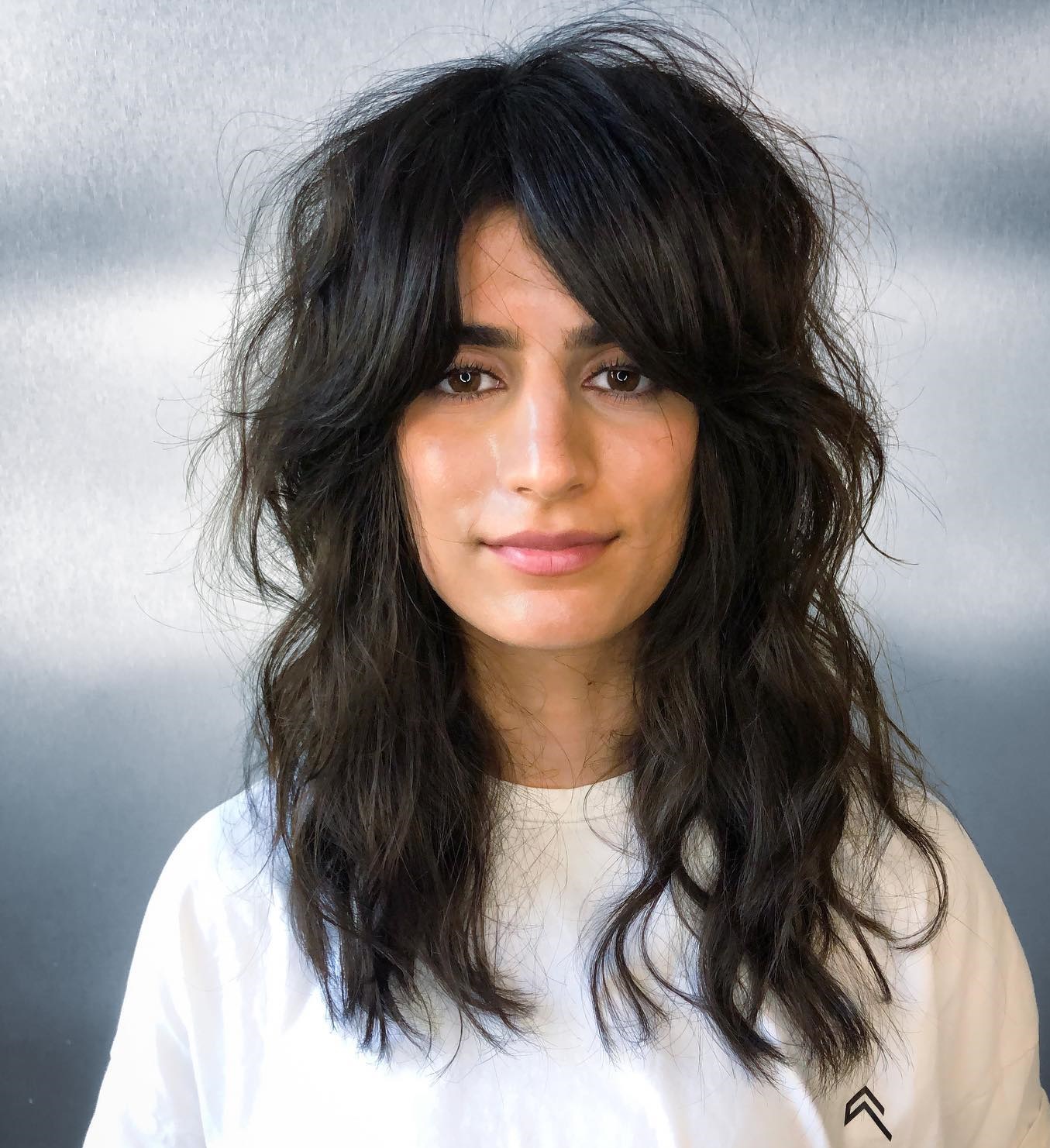
A full bangs wolf cut at collarbone length works best when your hair has enough weight to hold the fringe forward. Thick hair, specifically. The heavy layers in the back keep the silhouette from going mushroom, while the full bangs land right at the brow and demand a trim every four weeks. The texture here is slightly wavy, which means the bangs will separate into pieces by midday unless you train them with a quick blast of warm air. If your hair is fine, skip the full fringe and ask for curtain bangs instead. The weight will pull them open by noon anyway.
Mid-Back Wolf Cut With Curtain Bangs
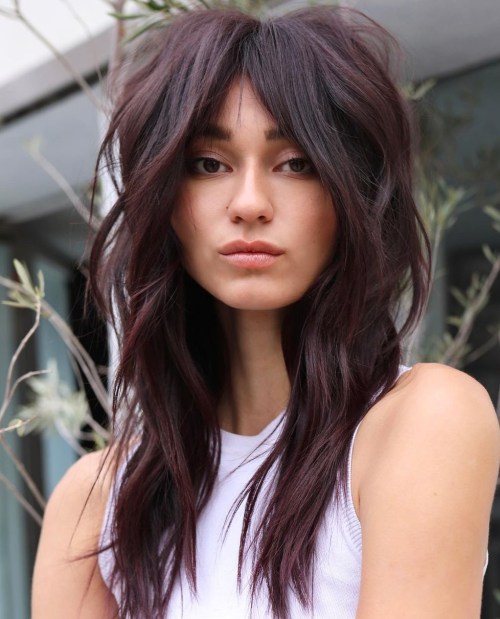
Most wolf cuts read as one sharp blur of chopped layers. This one reads as actual texture. The mid-back length makes the difference: it gives the curtain bangs wolf cut room to move, and on thick wavy hair the textured layers fall in separate stacked pieces instead of melting together. A short wolf shows you the cut. This one shows you the hair first and the cut second, which is exactly why it beats the shorter versions for anyone with waves to work with.
Wear it easy: air dry with a little mousse or a texture spray, then give those bangs two minutes with a blow-dryer so they sit where they should. The middle part and a dark brown base with subtle highlights carry the rest. Upkeep is where this cut lives or dies. The layers need a trim every six to eight weeks, and that refresh is the whole difference between intentional waves and hair that just happened to grow long.
Ash Blonde Wolf Cut With Wispy Bangs
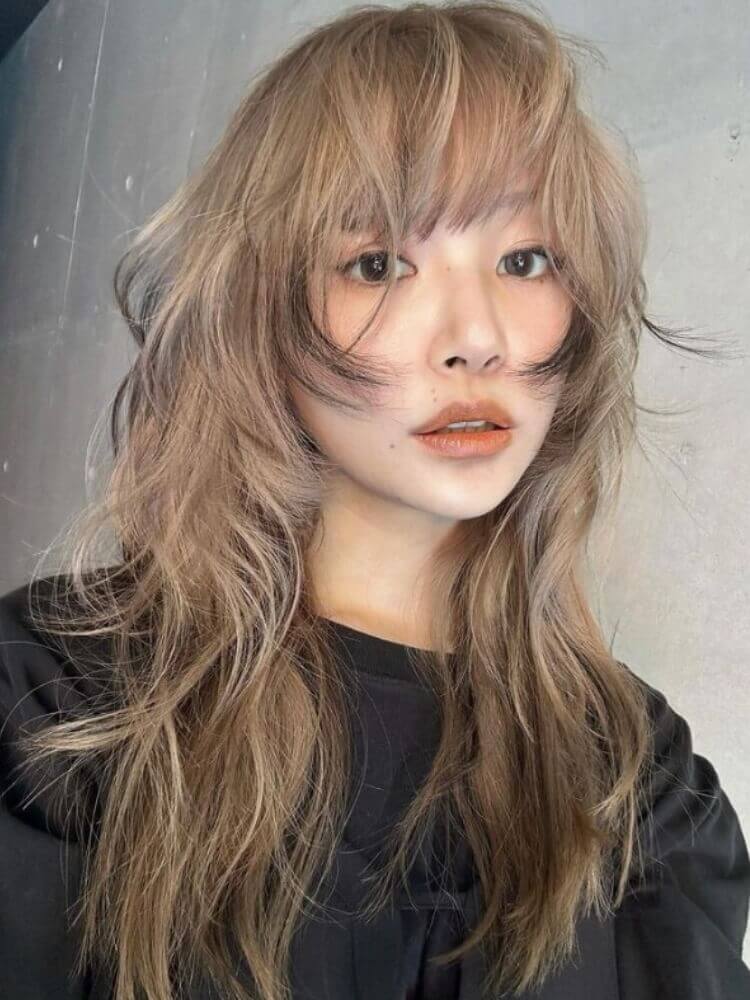
When did ash blonde start looking this airy? The ash blonde wolf cut with wispy bangs lands at collarbone length, fine wavy layers that catch light instead of weight, helped by subtle highlights. Middle part, air-dried texture. This is the cut for summer when you want movement without heat. Wispy bangs soften the forehead without commitment. It is the kind of cut that looks like you woke up with perfect waves.
Copper Wolf Cut With Curtain Bangs

The copper wolf cut with curtain bangs demands a stylist who understands weight distribution. This collarbone-length cut uses choppy layers to create volume at the crown and taper toward the ends, with curtain bangs that sweep the cheekbones. The copper colour with lighter highlights adds dimension, but the real work is in the layering. Medium-density wavy texture benefits from the internal cutting that removes bulk without losing shape. This is not a DIY situation. A professional knows how to keep the layers connected so the cut does not fall apart by week three. The curtain bangs alone require precise angle work to swing correctly when air-dried or styled with a round brush.
Ash Blonde With Subtle Highlights Ash Blonde Wolf Cut With Full Bangs
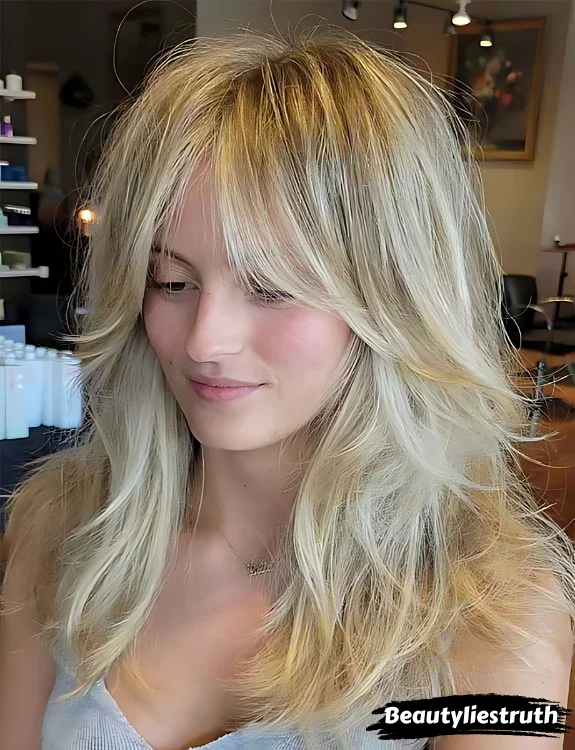
The ash blonde wolf cut full bangs is a blowout-dependent shape, and that is not a complaint. With straight to wavy thick hair, the heavy layers need heat to lift at the crown, otherwise the full bangs sit flat. The technique: a round brush at the root, pulling each section forward and up, then a quick blast of cool air to set the volume. The shoulder length allows the layers to stack without hitting the shoulder and flipping. The full bangs require a separate pass with a smaller brush to curve them away from the forehead. This cut does not air-dry well, so factor in fifteen minutes with a dryer if you want the shape to land.
Long Wavy Wolf Cut With Curtain Bangs

There’s a reason the long wavy wolf cut with curtain bangs feels right for cooler weather. The heavy shaggy layers add warmth and volume, while the long length keeps the neck covered. The layers start below the chin, so the weight stays low, which is ideal for cooler weather when you don’t want hair flipping up under a coat. This cut works with thick, wavy texture, air-dried for a natural finish. The middle parting helps the curtain bangs fall symmetrically, framing the face without requiring daily styling. The dark brown colour adds depth, and the textured ends prevent the cut from looking too severe. The curtain bangs require a quick dry with a round brush every few days, but otherwise it’s low maintenance.
Front View Mid-Back Black Wolf Cut With Full Bangs

Do you have naturally thick hair that feels heavy in a one-length cut? This black wolf cut mid-back with full bangs is the answer. The choppy layers remove weight while keeping the length, and the full bangs add a bold frame. The middle parting and front view show off the texture. This cut is made for thick hair; the layers prevent the dreaded triangle shape, and the bangs stay put without constant adjustment. The black colour adds intensity, making the layers more visible, and the mid-back length allows for movement. It’s a confident cut for those who want volume without the weight.
Wolf Cut With Bold Color Blocking
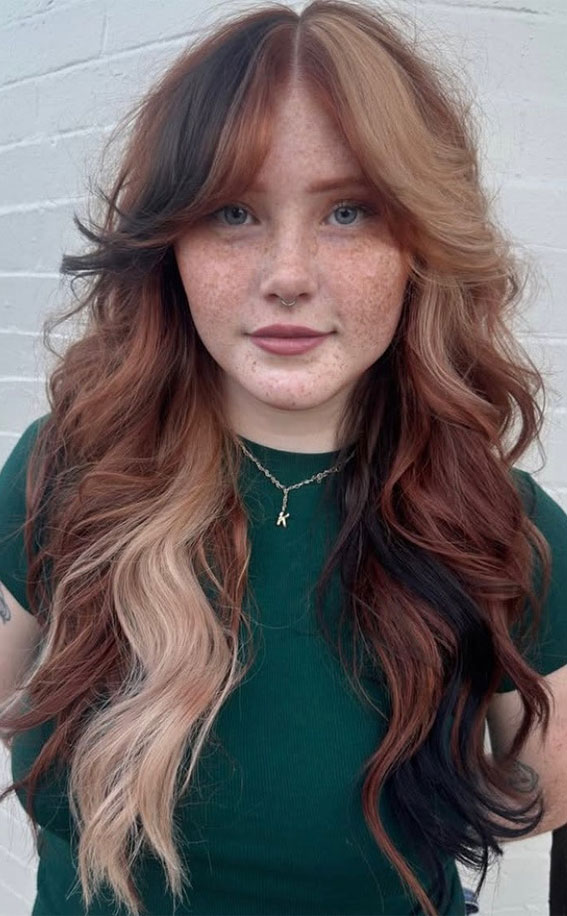
Not subtle. Not low-maintenance. But definitely a statement. This wolf cut color blocking pairs a black base, blonde mids, and red ends in a striking tri-color design that is precise, not blended. The mid-back length, curtain bangs, and loose waves keep each block readable.
Compare that to a set of subtle highlights, which drift and soften. Here, root regrowth is visible fast — black versus blonde shows in two weeks — and red fades quicker than you expect. Color touch-ups every five weeks are standard. Thick, wavy texture holds the definition; fine hair may let the boundaries blur. The cut itself — choppy wolf layers with sweeping bangs — supports the structure. Without precise sectioning, the effect falls apart. If subtle highlights are a whisper, this is a shout. It demands the right attitude and a tighter schedule.
Collarbone Black Wolf Cut

This cut is not for everyone, and that is its strength. The collarbone black wolf cut lands best on straight hair that can show off the precision of heavy layers. Curly or wavy textures will lose the sharpness fast, and that is a real thing. Air drying works fine, but you need a stylist who understands where each layer lands. This is not a bathroom-mirror job. A middle part widens a round face, so consider that before you book. The curtain bangs soften the whole thing, but only if they are cut with intent.
Shaggy Wolf Cut With Blue-Purple Tones
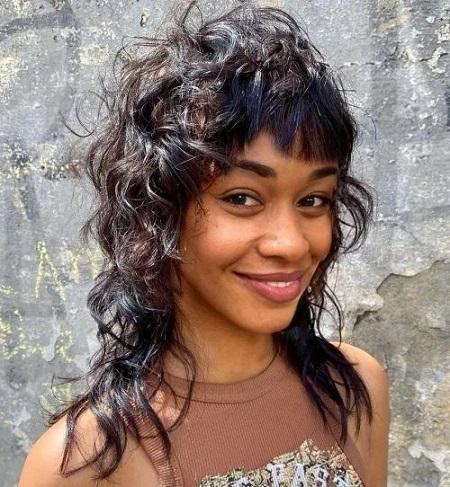
The short choppy bangs are the first thing to go if you skip a trim. The shaggy wolf cut blue purple color is what draws you in, but the real story is how the bangs behave. They curl, they separate, they need a strong hold texturizing paste to stay piecey. By day three, the blue-purple tones start to fade, especially if you wash warm. This cut works best on thick curly hair that can hold the shape without heat. Plan for a touch-up every four weeks on the bangs alone. The color will last longer if you use cool water, but who does that.
Mid-Back Honey Blonde Wolf Cut
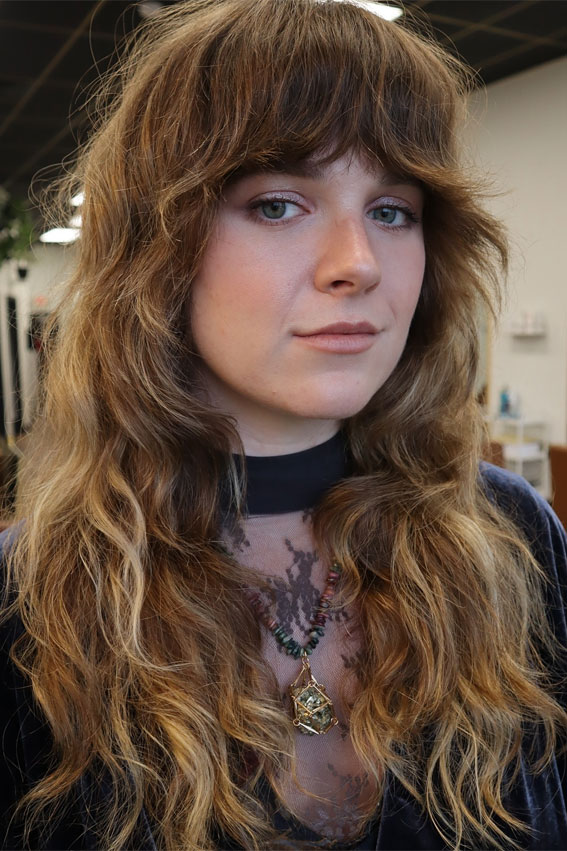
When does a wolf cut feel like a vacation? When it lands at mid-back with honey blonde balayage highlights and a full fringe that does not need daily styling. This is the summer look that actually works. The honey blonde wolf cut catches light in a way that flat brown never does, and the balayage means your roots stay invisible for weeks. The full bangs are the risk: they need a trim every three weeks or they hit your eyes. But on thick wavy hair, the whole thing holds volume past noon. A round brush blowout gives it that voluminous shape, but air drying with a texture spray works too. This is a salon cut, no question.
Wolf Cut With Vibrant Red Streaks
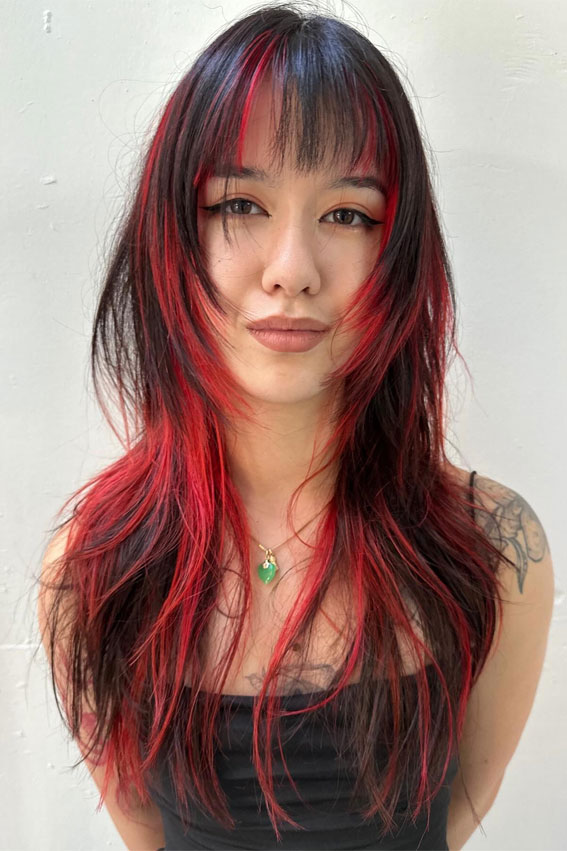
Red streaks on straight hair are a statement that does not whisper. The wolf cut red streaks work best when the base is dark brown and the vibrant red streaks are placed through the choppy layers. Straight hair shows the color cleanly, no curl to muddy the line. The full bangs frame the face, but they also mean the red fades fastest there. This cut suits anyone who wants the color to do the talking. If your hair is fine, the choppy layers can look sparse, so ask your stylist to keep some density in the lower section. Air drying is fine, but a heat protectant helps the red last longer.
Wolf Cut With Choppy Layers Shoulder Length Black Wolf Cut

The choppy layers are what make this cut, and the wispy bangs are what break it if you skip the salon. The black wolf cut shoulder length relies on those jagged ends to create movement on straight medium density hair. The technique is simple: the stylist cuts each layer at a steep angle, then softens the ends with point cutting. The honest downside is that the wispy bangs grow out fast and look heavy by week four. A middle part works best here because it lets the layers fall symmetrically. Air drying with a texturizing spray gives that slightly tousled finish. This is not a cut you can replicate at home without regret.
Curly Dark Brown Wolf Cut

The curly dark brown wolf cut dries exactly as it looks in the chair, no surprises. I air-dried mine after washing, and the layers fell into place around my curls, no diffuser required. The full curly bangs dried slightly shorter than the rest, which is exactly what you want: they frame without covering. By day three, the texture had relaxed a bit, but a quick spritz of water revived the shape. The mid-back length keeps the weight from pulling the curls flat, and the layers add volume where fine curly hair usually falls limp.
Upkeep is straightforward. I trim the bangs myself every three weeks, a straight snip while dry, no salon needed. The rest of the cut needs a pro every eight weeks to maintain the layered shape. The air-drying process takes about an hour, but that’s time I’d spend anyway. This is a cut that works with your texture, not against it.
Front View Close Crop Ash Blonde Wolf Cut With Curtain Bangs

I’ll admit: I booked this cut because I wanted to look like I spent more time on my hair than I actually do. The ash blonde wolf cut collarbone length with curtain bangs requires a solid ten minutes with a round brush to get the face-framing layers to flip just so. The subtle highlights add dimension but mean a toner appointment every six weeks. The honest downside: if you skip the blow-dry, the layers blend into the length and the cut loses its shape.
Wolf Cut With Reddish Undertones
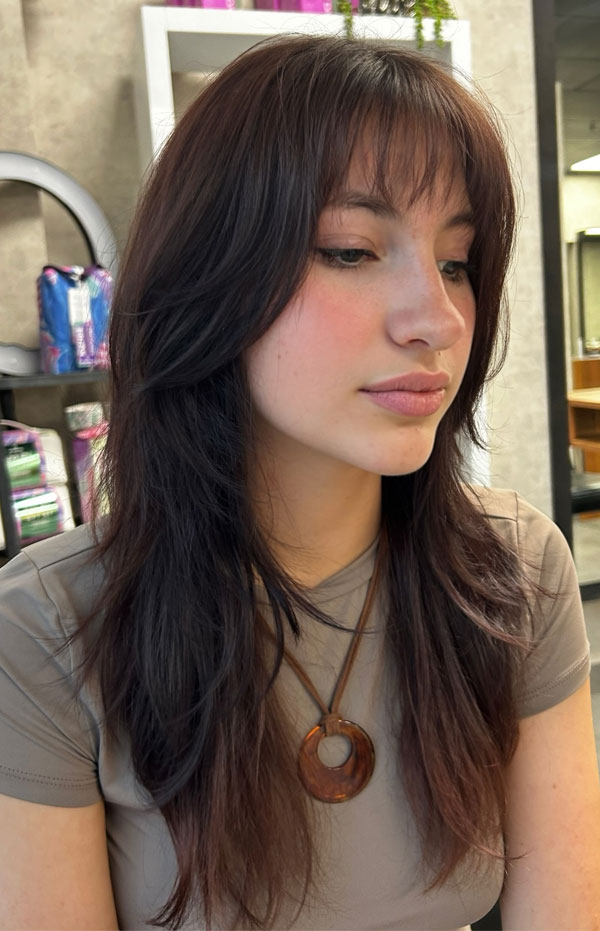
This is a salon-only cut, no question. The wolf cut reddish undertones works because the face-framing layers are cut precisely to catch the light and show off the subtle colour. On straight, fine to medium density hair, achieving that feathered blowout at home is tricky, the layers collapse without a professional round brush technique. The curtain bangs need the same precision: too heavy and they weigh down fine texture, too light and they disappear. A stylist knows where to point-cut the ends so the shape holds without product. The collarbone length keeps the cut from feeling too heavy, and the reddish undertones add warmth without a full colour commitment.
Mid-Back Dark Brown Wolf Cut

Do you have thick, wavy hair that never holds a style? The dark brown wolf cut mid-back is built for you. The full textured bangs remove weight from the front, so your waves spring up instead of lying flat. The mid-back length keeps enough heft to prevent the cut from looking too choppy, and the layers are cut to follow your natural wave pattern. This is a cut that works with your texture, not against it.
If your hair is fine or straight, this cut may not give you the volume you want, the weight of the length can pull the layers flat. But for thick wavy hair, it’s a relief: the cut removes bulk where you don’t need it and adds shape where you do. The middle part widens a round face, so consider a side part if that’s your shape.
Wolf Cut With Micro Bangs
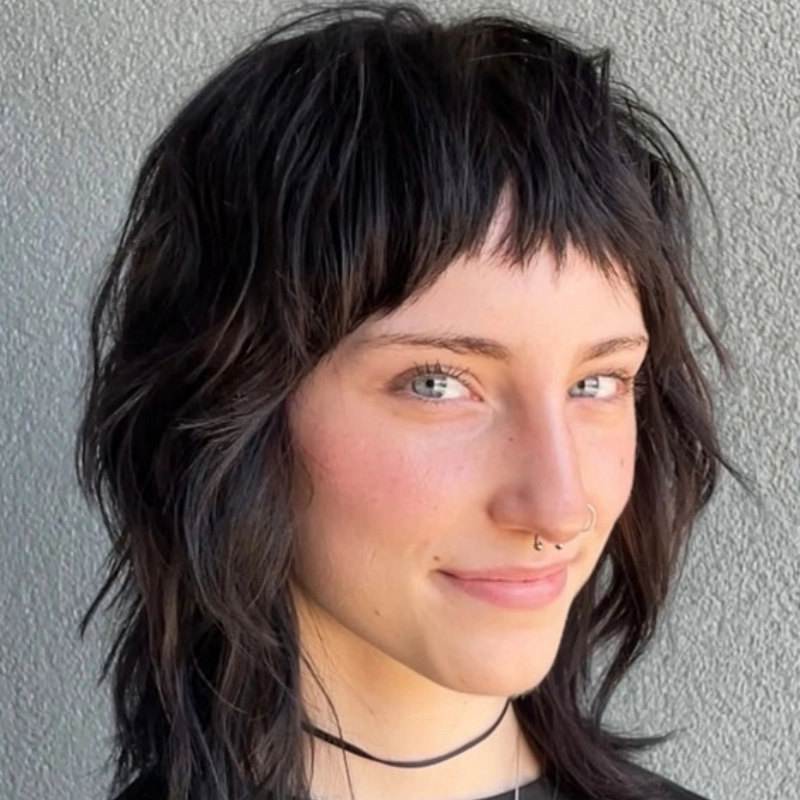
Micro bangs are not a weekend experiment. The micro bangs wolf cut requires a trim every two weeks, any longer and they hit your eyebrows and lose the deliberate crop. The choppy layers on collarbone-length hair hold their shape for about a week before they start blending into the length. By day five, the wavy texture softens the edges, which looks intentional if you’re okay with a lived-in finish. The upkeep is real, but the payoff is a cut that reads as deliberate every day.
Reddish-Brown Wolf Cut With Pink Undertones

This one stops me every time I scroll past it. The reddish brown wolf cut has a pink undertone that catches the low October light and turns warm, which is the reason it belongs to autumn the way pumpkins do. Mid-back with thick, wavy texture, the shaggy layers fall in that broken rhythm that makes a wolf cut read as deliberate instead of accidental. Wispy bangs frame the forehead without committing to full fringe duty. It is a statement look for a dinner reservation, a gallery opening, a wedding you are bored at already. The rose in the brown is what sells it; a plain auburn would be forgettable by February.
Shaggy Wolf Cut With Face-Framing Bangs

Verdict: this is the one I would actually book. The shaggy wolf cut face framing starts with a solid base and the stylist then removes weight from the interior, so the top layers shear off short while the back keeps dropping toward mid-back. That contrast is the whole trick. The face-framing bangs are cut on a diagonal that lets them fall into the longest layers, so no hard line appears where fringe turns into length.
The technique is staggered: point cutting near the face, slide cutting further down, so the texture stays broken instead of uniform. On thick wavy dark brown hair, this is the version that holds its shape because the density gives each layer something to land on. Medium density would go flat by 3 pm; thick hair keeps the architecture. Ask the stylist to keep the crown pieces short enough to lift, because that is what separates a wolf cut from a long shag that just looks like bedhead.
Platinum Blonde Wolf Cut With Full Bangs

I confess I looked at this one and winced before I could stop myself. The platinum blonde wolf cut is gorgeous, sure, but that blonde is a commitment with a capital C. Full bangs that heavy need a trim every six weeks, and the collarbone length with wavy medium texture demands that the heavy choppy layers get reshaped on the same timeline. Then the toner. Every four weeks you are back in the chair because the platinum pulls yellow the moment it gets ignored.
Curtain Bangs Dark Brown Wolf Cut With Blonde Highlights
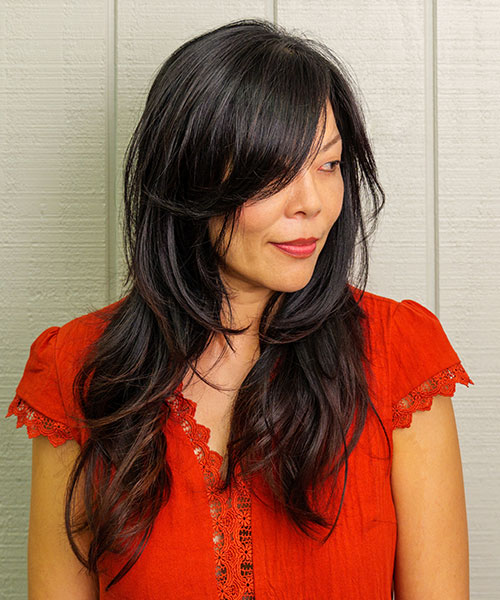
Here is the precise difference between this dark brown wolf cut blonde highlights at collarbone length and a solid color version: one grows out looking like a decision, the other grows out looking like a mistake. The blonde pieces sit close enough to the face that the face-framing layers catch the light first, and the curtain bangs echo that brightness near the brows. Upkeep on highlights versus a single tone comes down to three things: a gloss every eight weeks to keep the blonde from turning brassy, a trim every six to eight weeks to keep the choppy ends honest, and a texturizing spray so the wavy thickness does not collapse into a triangle by afternoon.
Mid-Back Wolf Cut With Full Fringe
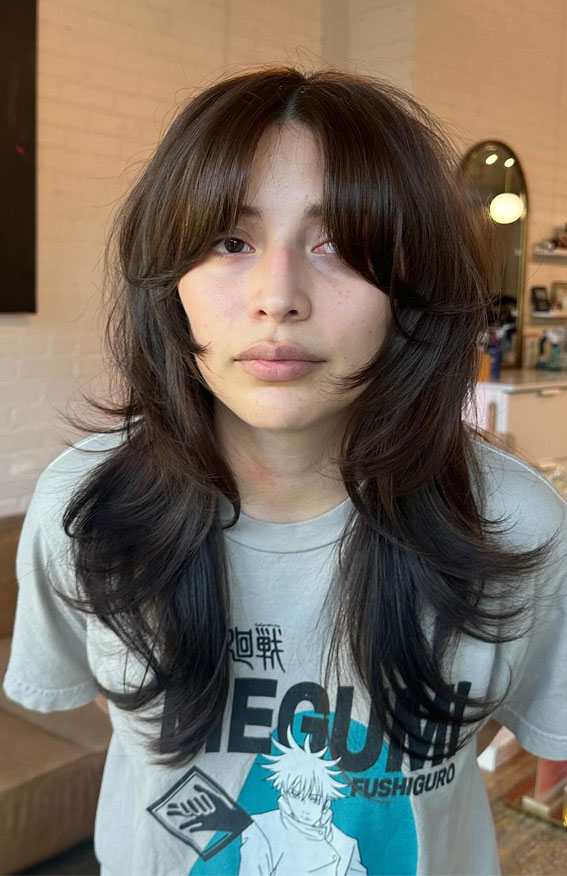
Have you noticed that some wolf cuts only work on hair so thick it could file a lawsuit? This full fringe wolf cut is not that cut. It is built for medium density, where the mid-back length and the long flowing layers carry just enough weight to stay visible without turning into a heavy curtain. I once had a stylist describe it as a support system: the fringe is the load-bearing wall and the layers are the open floor plan.
The technique keeps the interior light: the stylist cuts layers that start at the jaw and keep moving down, with the full fringe across the forehead doing the structural work that density would usually do. Medium hair benefits because the fringe gives the face a defined frame while the layers release volume slowly. It stays wavy, mid-back, textured, and the fringe never feels brittle. The blunt edge of the fringe hides how fine the rest might be.
Collarbone Wolf Cut With Choppy Layers

This collarbone wolf cut choppy layers hold their shape longer than most. Thick wavy hair gives the choppy layers enough weight to stay defined without going flat by afternoon. The curtain bangs soften the front without demanding daily styling. A trim every six weeks keeps the layers from blurring into one block. That is the whole deal: less fuss, more hold.
Front View Collarbone Wolf Cut With Choppy Bangs
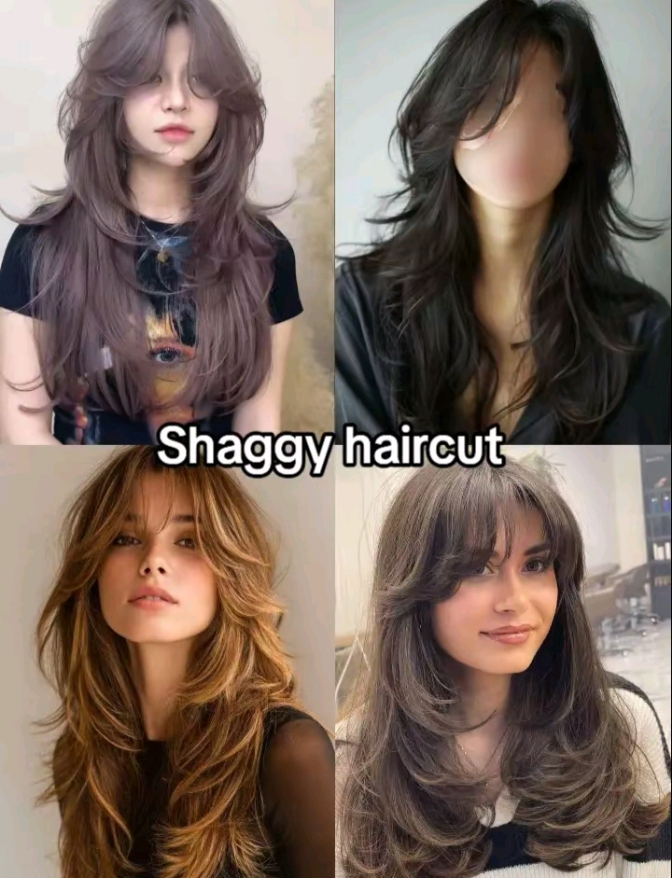
I tried to recreate this dark brown wolf cut choppy bangs at home. It did not go well. The choppy bangs need a stylist’s precision to land that messy, not sloppy. Thick wavy texture hides mistakes, but the front line is unforgiving. A salon cut gives the layers the right unevenness. At home, you get blunt chunks. The wolf cut relies on graduated layers that a mirror cut cannot mimic. The collarbone length means the shortest layers hit at eye level, and one wrong snip ruins the whole frame. Book it, and bring a reference photo. This is not a bathroom-mirror job.
Mid-Back Wolf Cut With Textured Layers
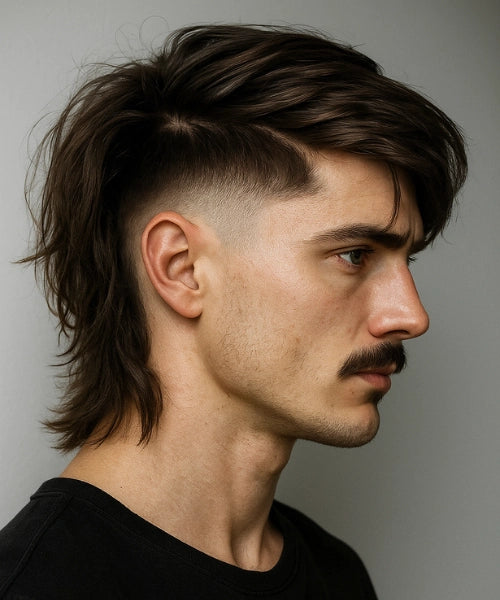
This textured layers wolf cut lands exactly where summer heat meets fall schedules. Air drying is the only styling required, which matters when the mornings get darker and the to-do list gets longer. The curtain bangs frame the face without needing a round brush. The mid-back length keeps the weight from pulling the layers flat. Thick wavy texture does the work, no diffuser needed.
For a season that demands quick exits, this cut delivers. The textured layers catch light and movement without effort. It is the kind of cut that looks better on day three than day one. That is rare and worth the salon visit. It works for a casual coffee run and a holiday dinner with the same air-dried finish. The dark brown shade hides regrowth, but the cut itself is the low-maintenance hero.
Dark Brown With Blonde Highlights Collarbone Wolf Cut With Feathered Layers

Can fine hair pull off a feathered layers wolf cut? Yes, but with a caveat. The feathered layers create movement without weighing down fine texture. The curtain bangs soften the face. The downside: the blowout is non-negotiable. Air drying leaves the layers flat. A round brush and some heat are required to get that lift. The blonde highlights add dimension, but the cut does the heavy lifting.
Front View Mid-Back Wolf Cut With Voluminous Layers
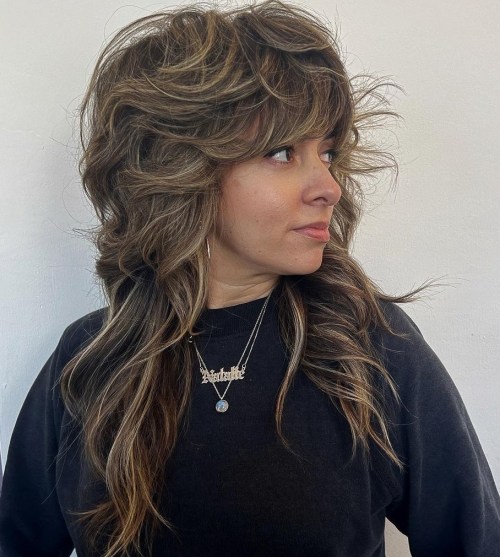
The volume in this voluminous layers wolf cut is deceptive. The mistake is assuming it holds its shape without effort. Thick wavy texture helps, but the layers need a daily lift. A quick blow-dry with a round brush or a spritz of texturizing spray is the difference between big and flat. The curtain bangs also need a quick refresh. The upkeep is a few minutes each morning, not zero. Know that going in. A trim every eight weeks keeps the layers from losing their bounce. This cut rewards the effort.
Final Thoughts
After writing all 32 of these, I’m most surprised by how many are genuinely low-maintenance. The wolf cut’s reputation for high styling effort doesn’t hold up in 2027. I’m booking the collarbone wolf cut with grey highlights next. It’s the one that stayed in my head.