I started seeing more side parts in 2027. Not the deep dramatic ones from 2015, but softer, more natural placements. They show up on the subway, in the salon chair next to mine, in my own mirror when I get tired of fighting my cowlick.
This roundup of 37 Side Part Hairstyles 2027 covers collarbone waves, chin-length bobs, thick curly shoulder-length cuts, and everything in between. Some are low upkeep, some need a round brush and patience. Fine hair, thick hair, straight or curly there is something here. I included the ones that actually hold their shape past noon.
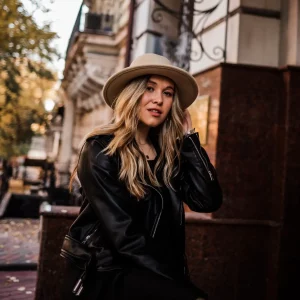
Collarbone Waves With Blonde Highlights
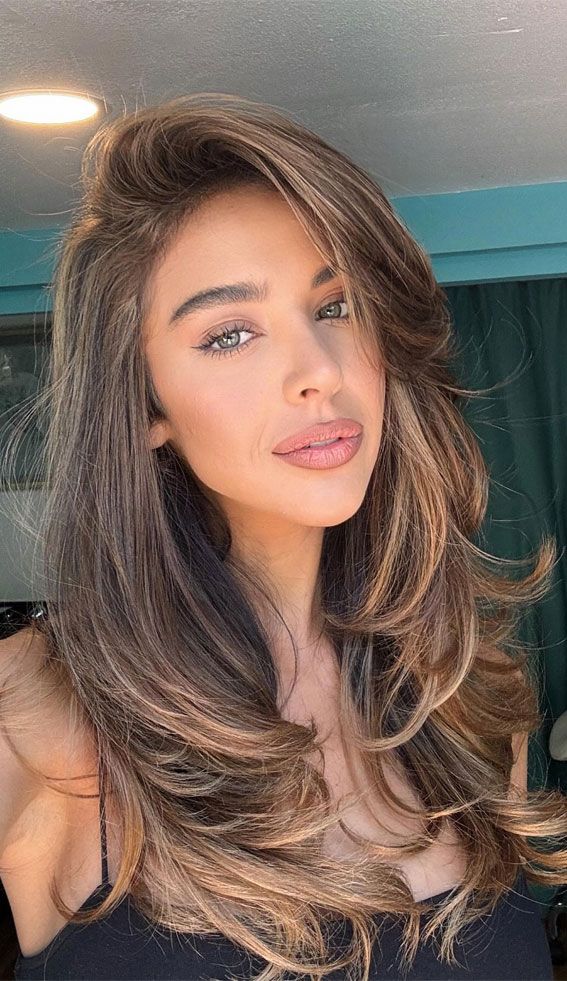
That side part lands just above the brow bone, which is the exact spot where a collarbone length waves cut stops looking like grown-out layers and starts looking deliberate. The blonde highlights here are placed to catch the wave crests, not the troughs, so the colour moves when you do. Medium density wavy hair holds this shape best — fine hair would need a texture spray and a prayer by 3 pm. The side-swept bangs are the real work: they require a round brush and a blow dryer every morning, no shortcuts. But the hold is honest. The wave pattern stays until you wash it out.
Thick Black Curly Shoulder-Length
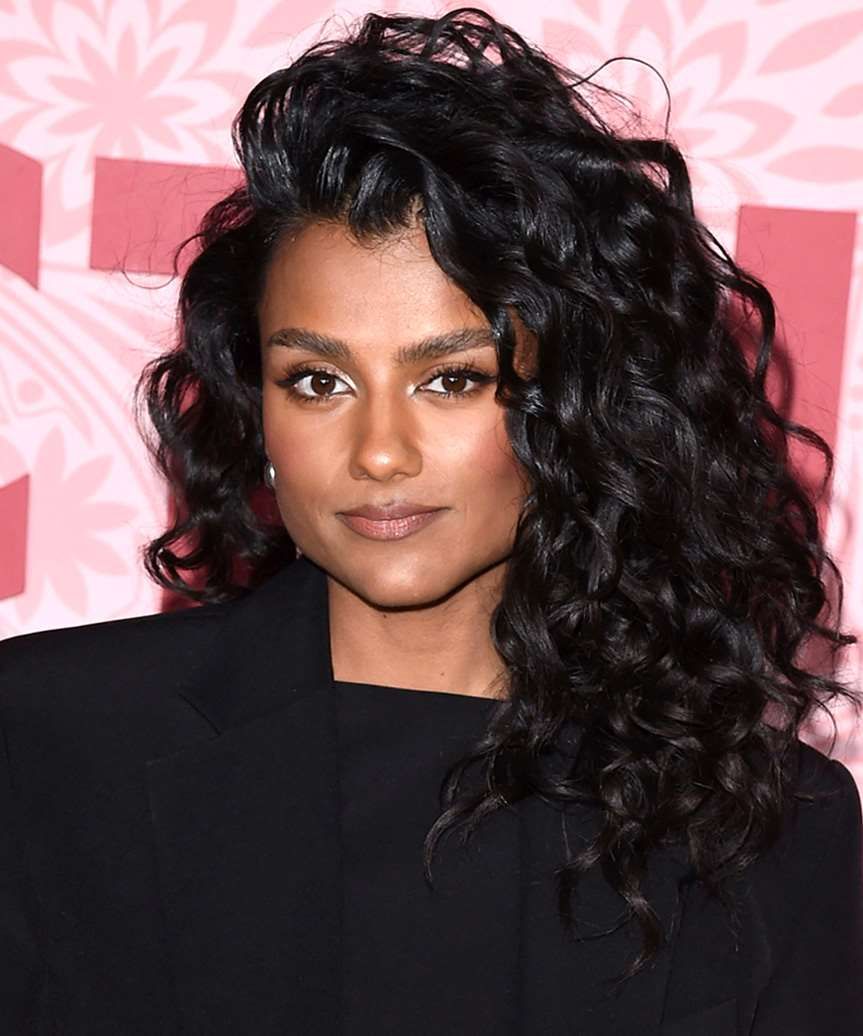
A deep side part on thick black curly hair is not a softer alternative to a middle part, it is the bolder one. The dramatic side part carves a clean diagonal through the volume, and the shoulder length keeps the curls from weighing themselves down into a triangle shape. No bangs, no distraction. Just the line and the texture.
Upkeep is simple: a curl cream after washing, a diffuser on low heat, and a trim every eight to ten weeks to stop the ends from splitting. The part itself stays put because the density holds it in place. No pinning, no spray. That is the appeal.
Visual Idea
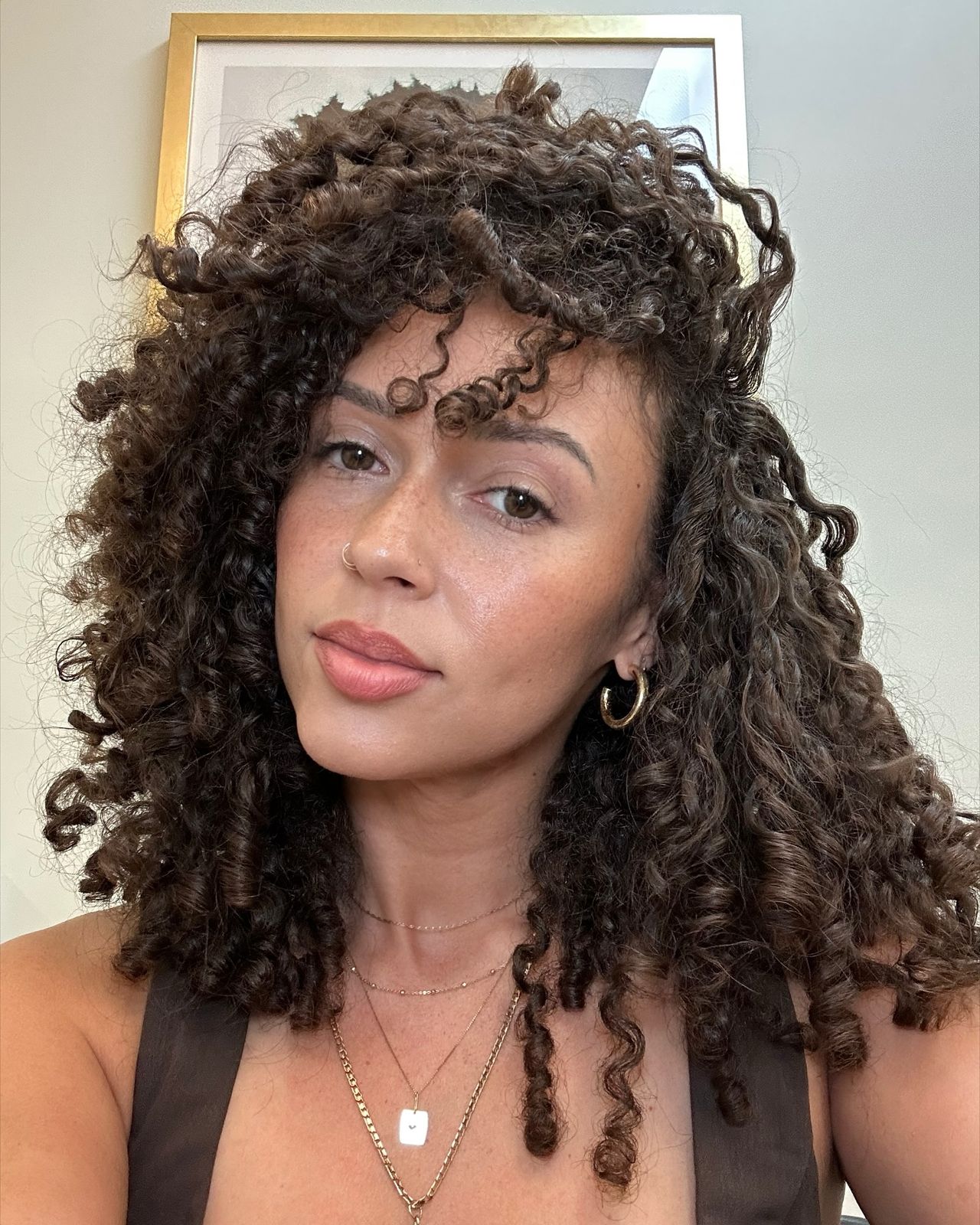
Can you get defined curls without a diffuser and twenty minutes of hovering? Yes, but the technique matters more than the tool. Start with damp hair, apply a curl cream from mid-length to ends, then divide the hair into four sections. Twist each section around your finger, let it sit, and do not touch it until it is fully dry.
The long layers help the curls land separately instead of clumping into one mass. The side part is the low-effort part: just drag a comb from the arch of your brow straight back. This is a DIY job if you have thick curly hair and patience. If your texture is fine or your layers are blunt, book the salon.
Mid-Back Visual Idea
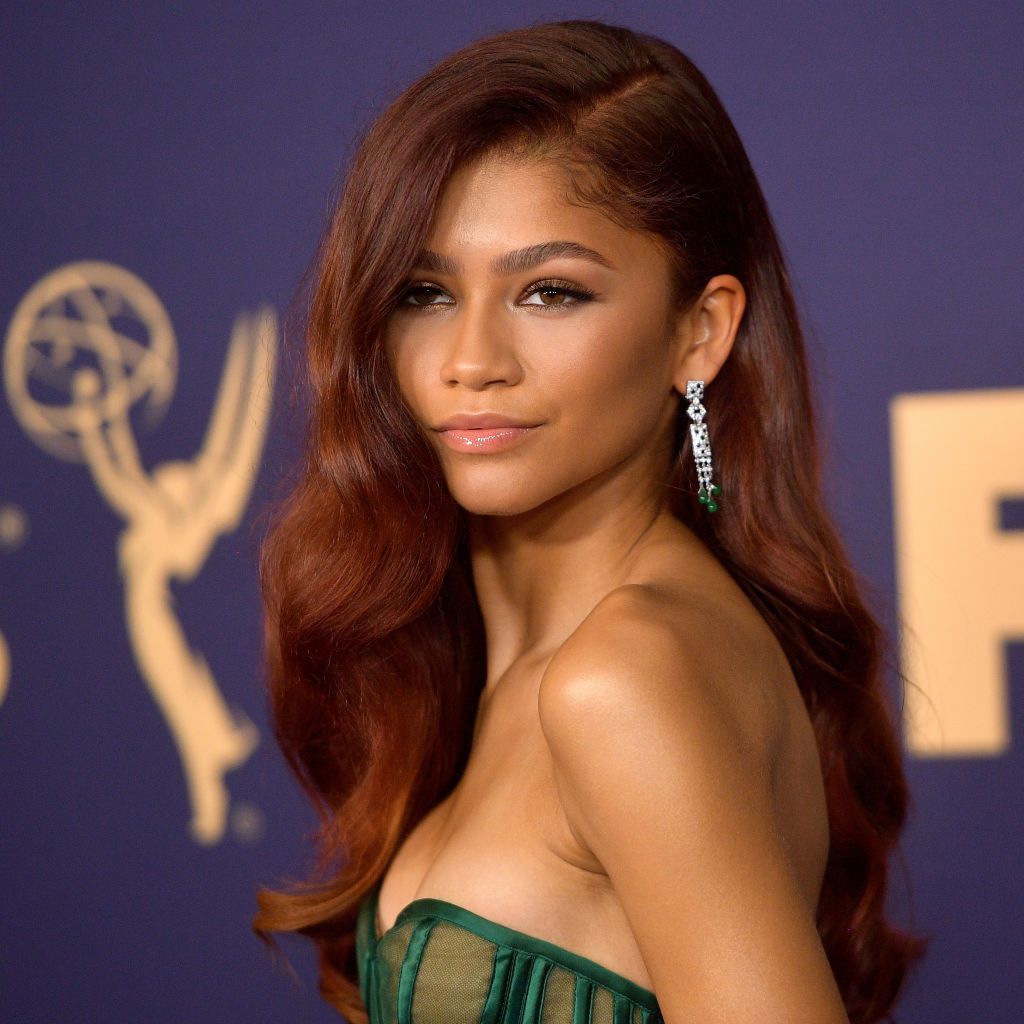
I will admit I underestimated this one. A voluminous blowout on mid-back length thick wavy hair looks like it requires an entire Sunday. And it does, sort of. The deep side part is doing the heavy lifting here — it lifts the root on the lighter side and creates that swoop without backcombing.
The honest downside is the second day. Loose waves on thick hair drop faster than you expect, especially if you sleep on them wrong. A silk pillowcase helps, but by noon the volume is half what it was. The auburn with subtle highlights helps disguise the flattening because the colour variation still reads as texture. Plan for a refresh or accept the softer version.
Dark Brown Visual Idea
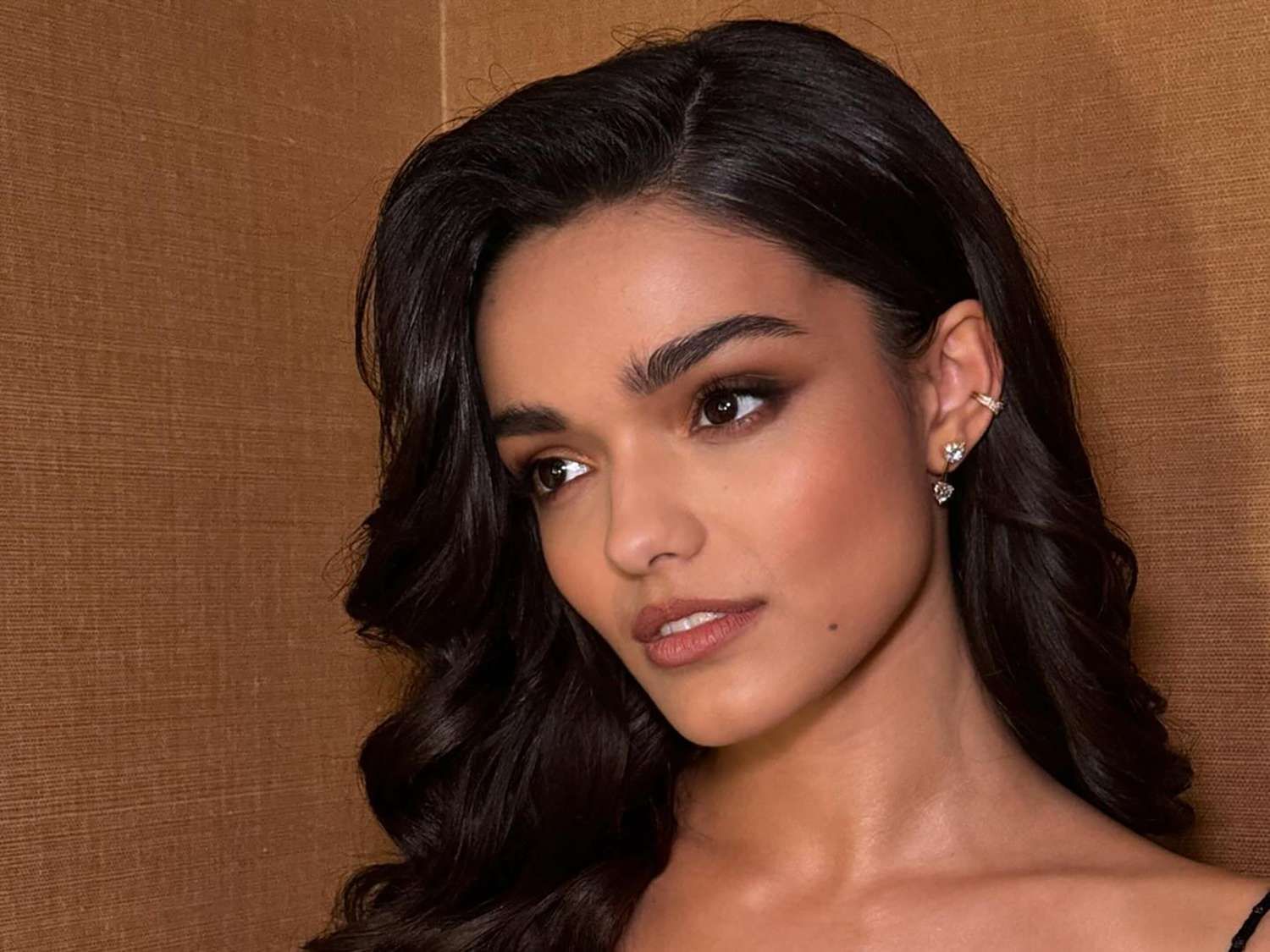
The deep side part here is not a styling choice, it is a structural one. On thick wavy hair at mid-back length, a centre part would split the weight evenly and let the waves fall flat. The deep side part shifts the distribution, so the heavier side stacks volume and the lighter side sweeps clean. That is the technique.
Upkeep is about the part line staying sharp. After washing, set the part while the hair is damp and clip the heavier side in place until it dries. Loose waves need a curling wand on medium heat, wrapped away from the face, and a cool shot to set them. The dark brown colour shows every oil slick by day three, so dry shampoo is non-negotiable.
Long Layers Visual Idea
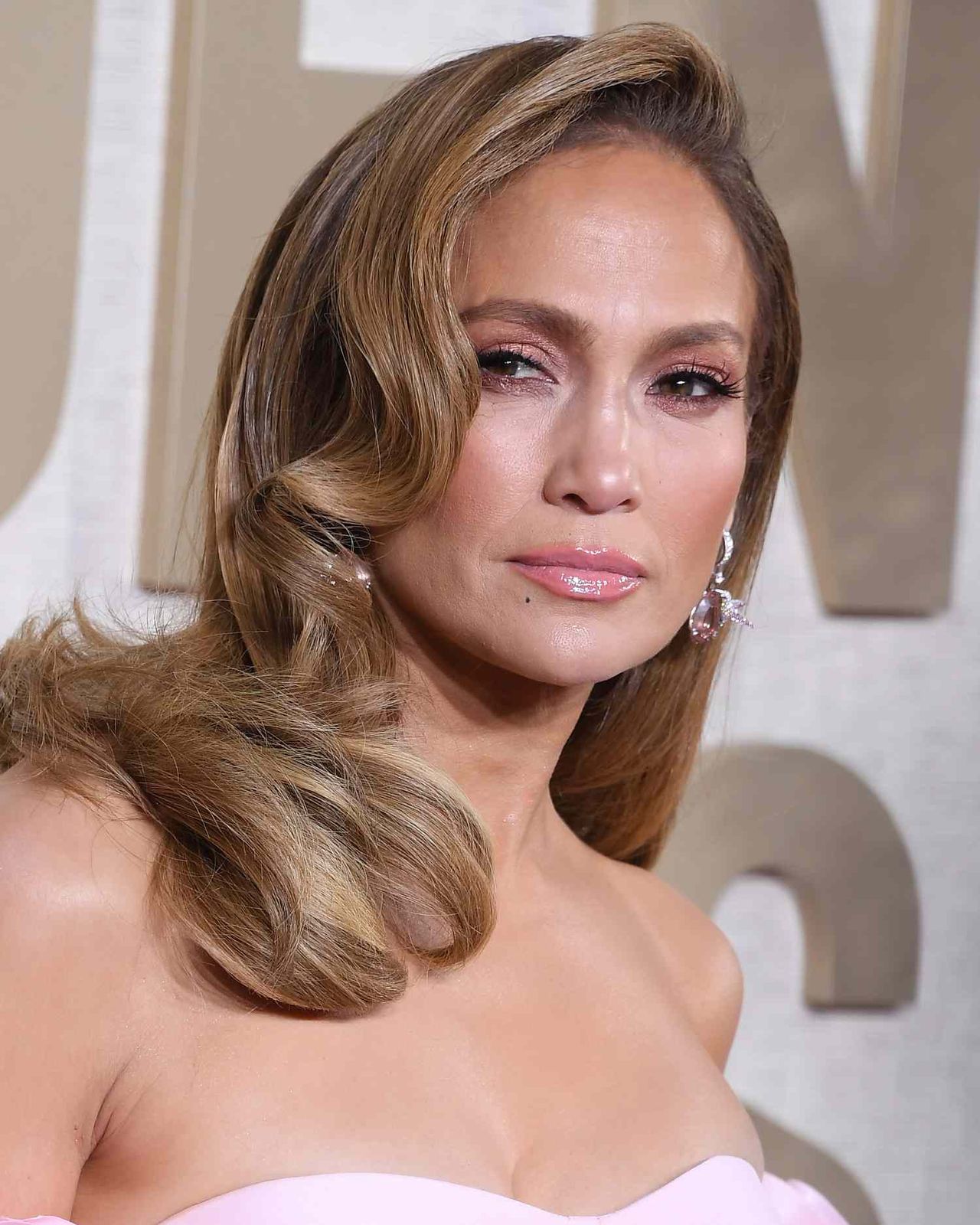
I took one look at this and knew I was booking. The deep side part lifts the whole shape, the Hollywood waves sweep back in a single heavy curve, and the honey blonde with lighter highlights catches every angle. It is not a five-minute blowout. You section, you roll, you pin, you wait for the set to cool. The payoff is a wave that holds through dinner and still drops in the right places the next morning. Tell your stylist: long layers that start at the collarbone, side-swept bangs that blend into the first wave, and a root shadow to keep the grow-out calm. Thick hair carries the volume best. Fine hair will need a texture spray and a smaller barrel. Either way, budget a solid hour with the hot tools.
Collarbone Visual Idea
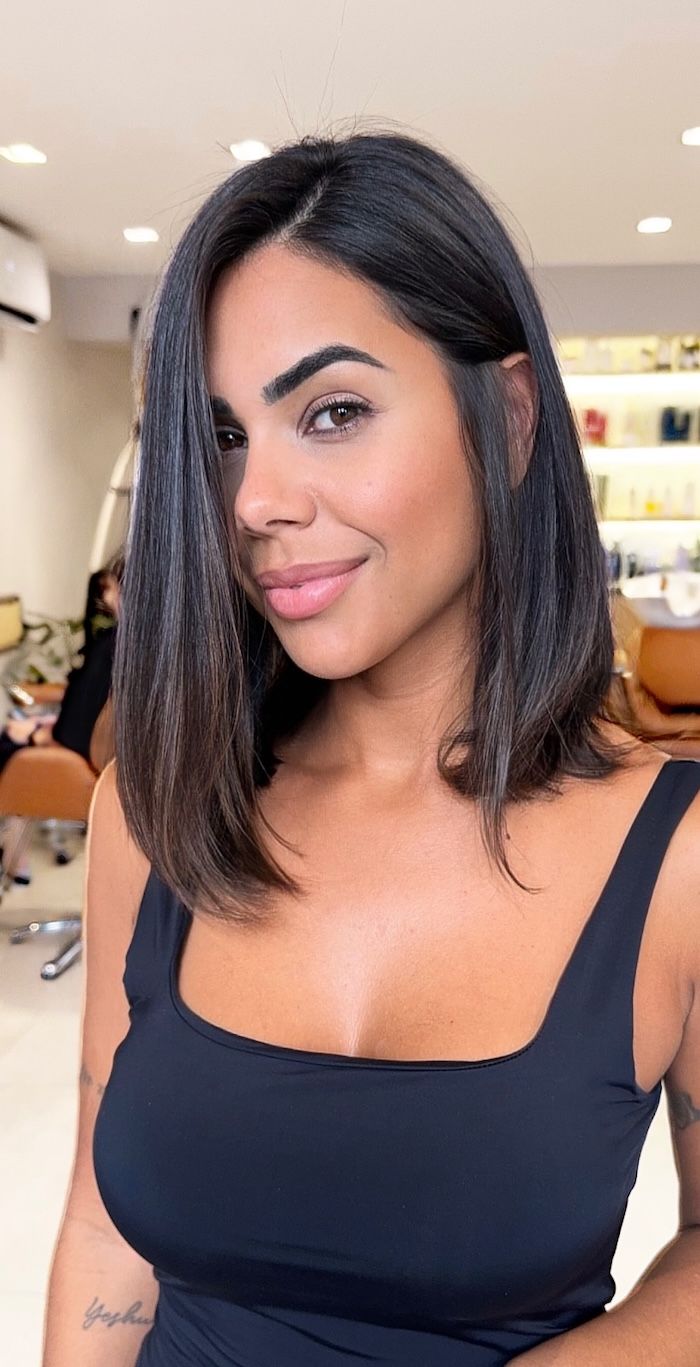
I confess I side-eyed this one. A sleek, straight long bob with a side part, dark brown, no bangs — it looks like a corporate headshot from 2018. Then I remembered that a collarbone-length blunt line on straight, medium-density hair is one of the few cuts that actually stays sharp past noon. The hold is real because there is nothing to frizz or separate. But here is the honest downside: if your hair has any natural wave or bend, you are fighting it every morning with a flat iron. And the grow-out is merciless. That crisp line blurs at week six, and by week ten you are back in the chair. This is a salon cut that needs a salon refresh.
Chin Visual Idea
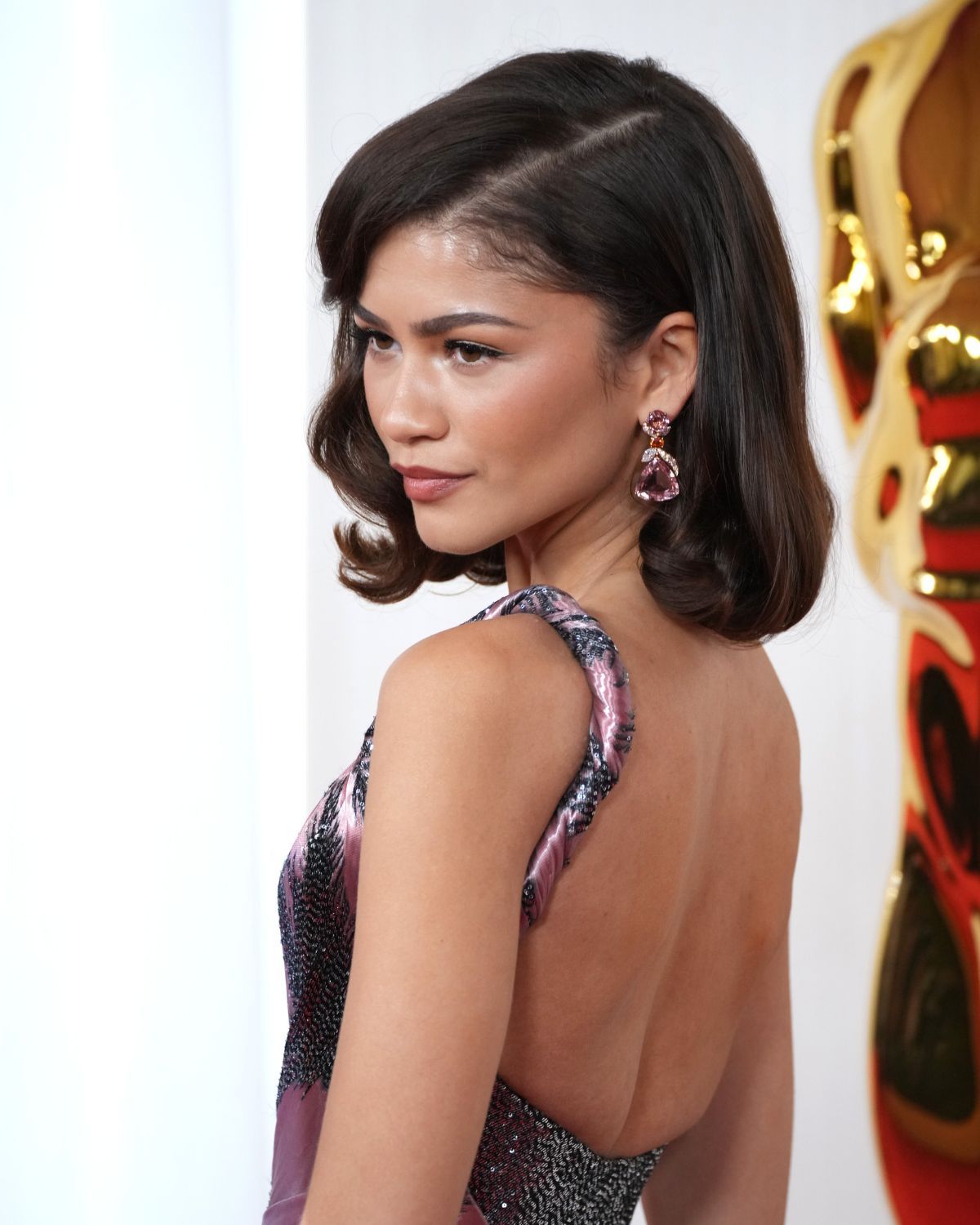
You see the deep side part and the vintage waves and you reach for a curling iron. That is the mistake. The wave pattern here is set with a marcel iron or pin curls, not a clamp barrel, because a clamp flattens the bend and leaves a crease. The blunt bob at chin length with side-swept bangs needs the wave to start high, almost at the root, so the volume lifts the whole shape. Start the curl too low and the bob sits flat on the jaw. Dark brown on thick, wavy texture holds the S-curve longest. Fine hair will drop the wave by lunch unless you pin it and let it cool completely. The hold is in the prep, not the reheat.
Shoulder Visual Idea
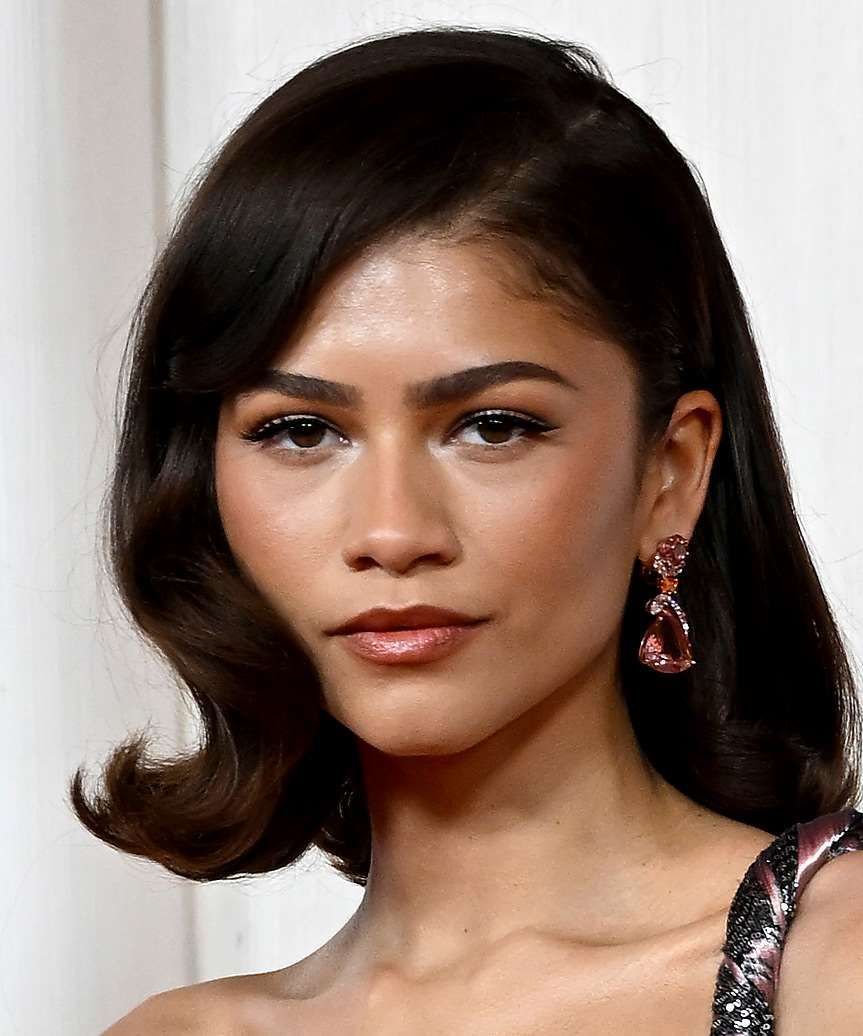
Is your hair medium-density, wavy, and does it annoy you by doing a half-wave then falling flat? This is the cut for you. The shoulder-length lob with a side part and side-swept bangs takes the wave you already have and sculpts it into something intentional. The deep side part creates a lift at the crown that a middle part never will. Dark brown on medium-density wavy hair holds the vintage wave shape without needing a can of spray. The lob is long enough to tuck behind an ear and short enough that the wave does not sag by the end of the day. Skip this if your hair is fine and straight — you will be fighting for volume that the cut alone cannot give.
Dark Brown With Subtle Highlights Visual Idea
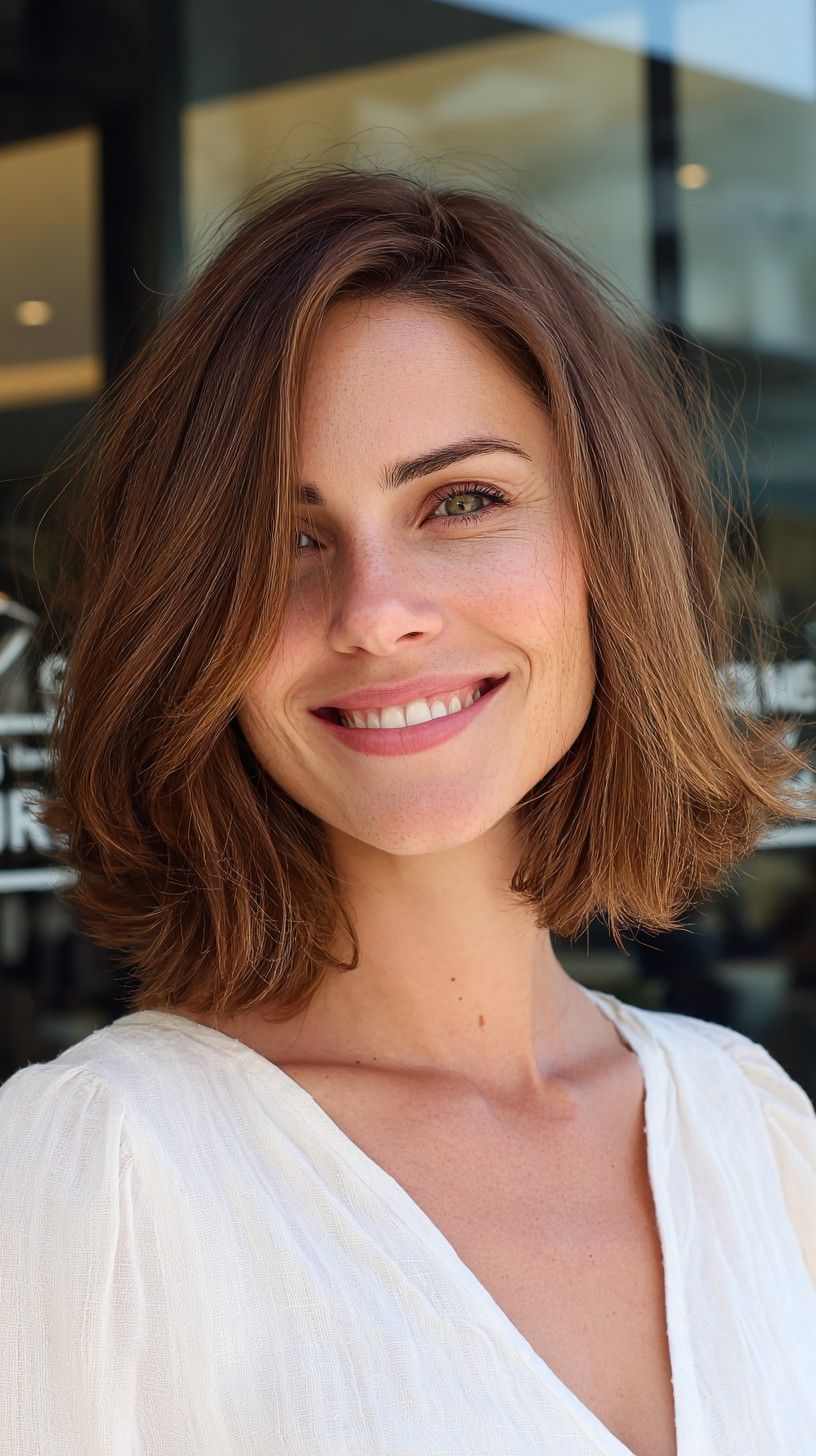
I have a confession: I spent years convinced a deep side part was for people with thick hair and a round brush. Then I tried it on a collarbone bob with a blowout and soft waves, and the volume appeared. No teasing, no product. The deep side part lifts the roots on the shorter side and lets the longer side fall with weight. Dark brown with subtle highlights means the wave catches light on the surface without a visible root line. The hold depends on the blowout: a round brush at the root, a cool shot to seal, and the wave lasts through a workday. Thick, wavy hair holds the shape longest. Fine hair will need a second pass with a small-barrel iron on the front section. The upkeep is a trim every eight weeks to keep the bob line clean.
Rich Brown Visual Idea
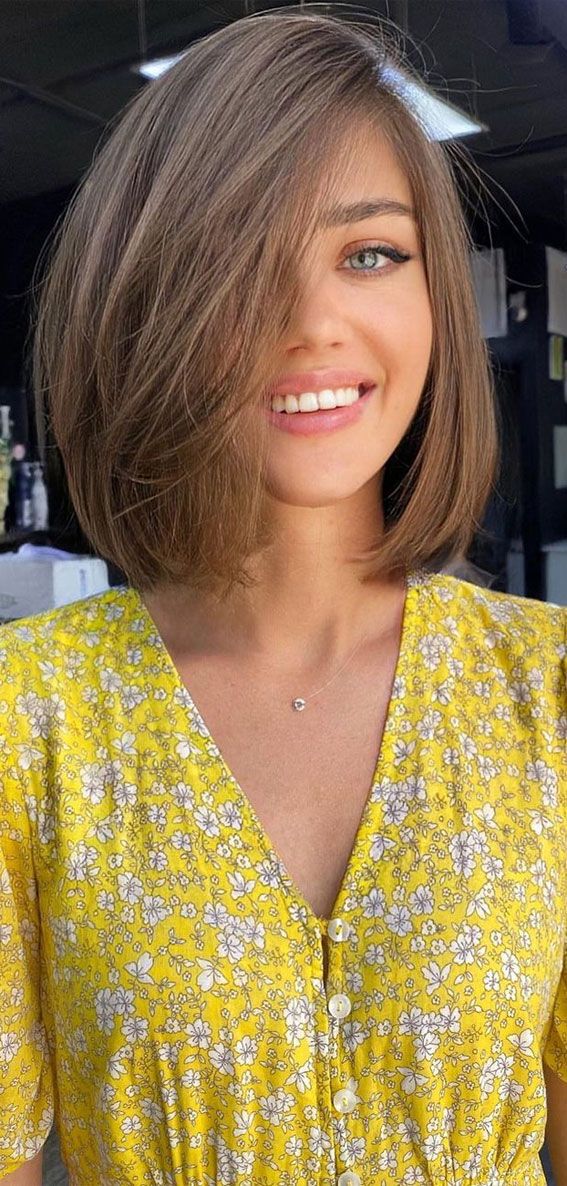
This blunt bob on fine hair is the rare cut that delivers without demanding more. The sleek, straight finish and sharp baseline mean no fluff, no volume tricks, just a clean line that holds its shape from morning coffee to evening commute. But here is the honest downside: that same precision shows every single bend. A humid day, a slept-on side, a five-minute car nap and the once-sharp line goes soft. You style it straight or you do not style it at all. Salon, absolutely, the blunt cut needs a steady hand and a trim every six weeks to keep that edge. Fine hair finally gets its moment, but it asks for maintenance in return.
Bob Visual Idea
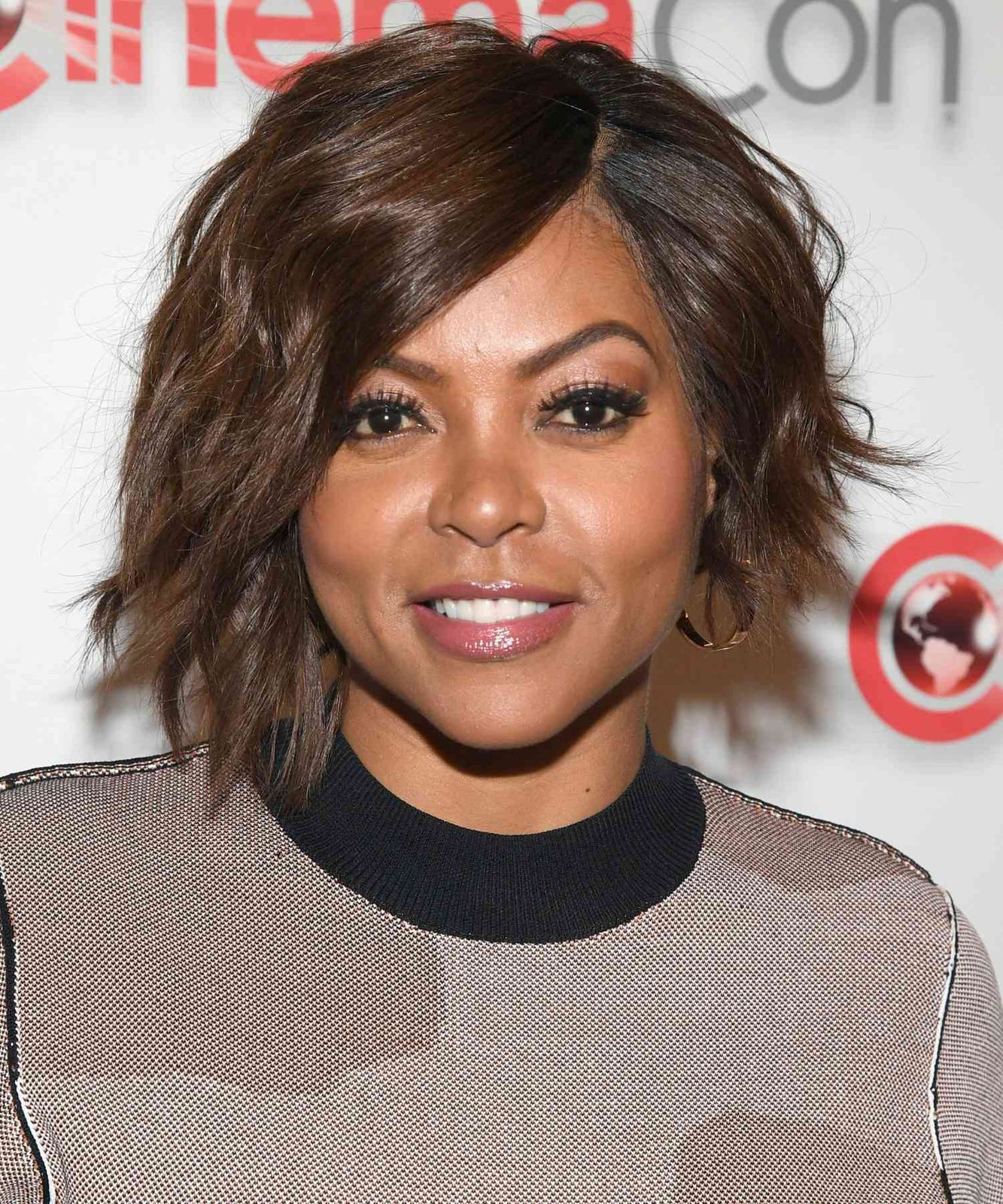
The textured ends on this wavy bob are not accidental, they are built. A razor or point-cut technique removes weight from the last inch of each section, letting the natural wave curl up instead of lying flat. The side part feeds the wave pattern, dropping more hair to one side so the bend has room to form. A texture spray or a light pomade worked into the ends before diffusing keeps the separation visible without crunch. The result holds for a full day, but only if you dry the roots completely. Damp roots pull the wave flat by noon.
Light Brown With Blonde Balayage Visual Idea
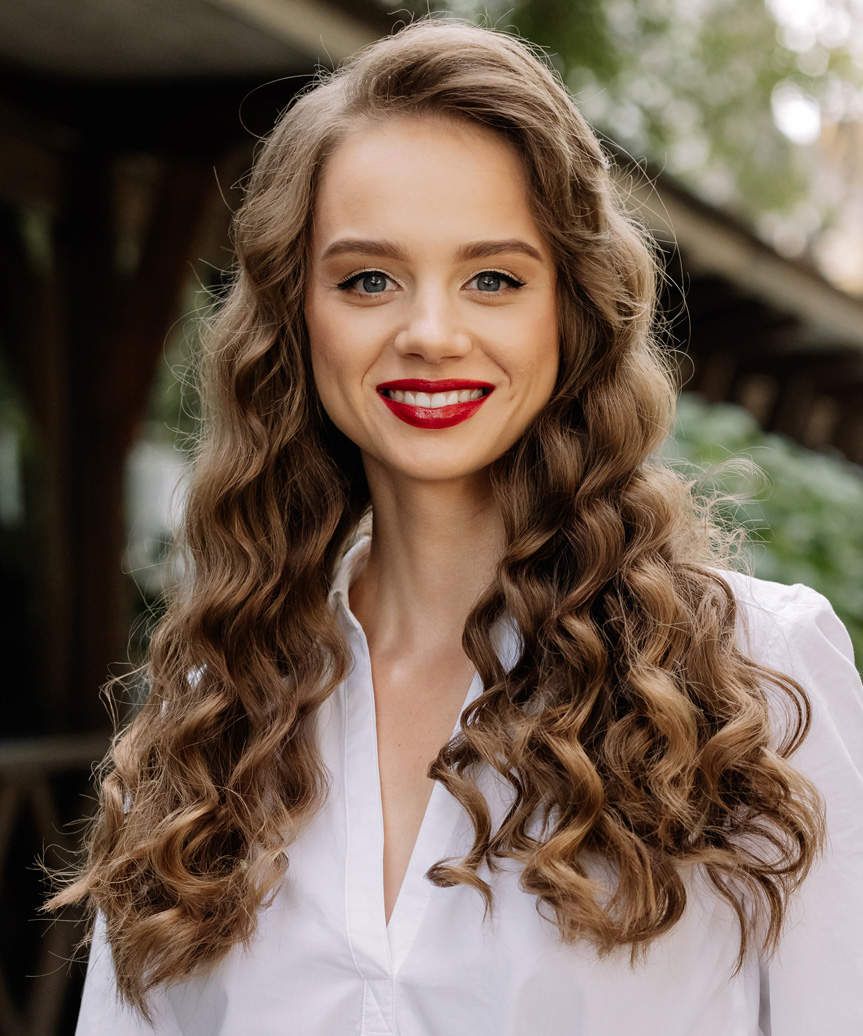
Does your thick, wavy hair ever feel like too much hair? This is the style that proves it is not. The deep side part anchors the volume, dropping the heavier section forward so the loose curls stack instead of spreading wide. The blonde balayage does the rest, lightening the outer layers so each wave reads separately. No solid block of colour, no single mass of curl. Wear it down for a dinner out or pull it into a low ponytail by the third day, the balayage keeps the dimension either way. The upkeep is a toning appointment every eight to ten weeks to keep the blonde from pulling yellow against the light brown base.
Layers Visual Idea
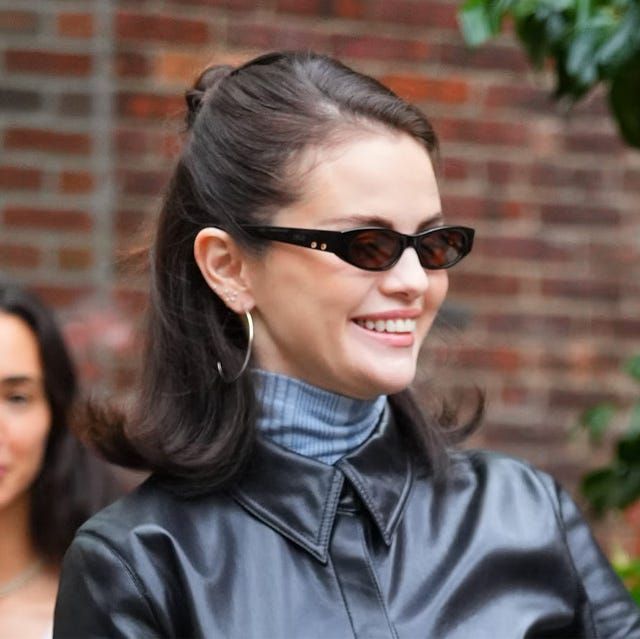
You have a side part and soft waves, now what. Pull the top section back, leaving the front layers out on both sides, and secure it at the crown. The side part keeps the front pieces uneven, one side longer than the other, which is the whole point. Wrap the loose sections around a one-inch barrel, alternating directions, then break the curls apart with your fingers. The half-up hold lasts through a workday if you pin the back section tightly. A salon cut gives the layers the right graduation for this to sit correctly, the top piece needs to reach the crown without pulling.
Auburn Visual Idea

This wavy bob with side-swept bangs looks polished on day one and lived-in by day four. The auburn colour warms up in natural light and deepens under indoor lamps, a shape that works for fall afternoons and spring evenings alike. The honest downside: wavy texture at chin length means frizz on humid days and a refresh spray every morning to wake the wave back up. The bob itself holds its silhouette for about three days before the ends start fanning out. A trim every seven weeks keeps the bob compact and the bangs from sliding into your eyes.
Dark Blonde Visual Idea
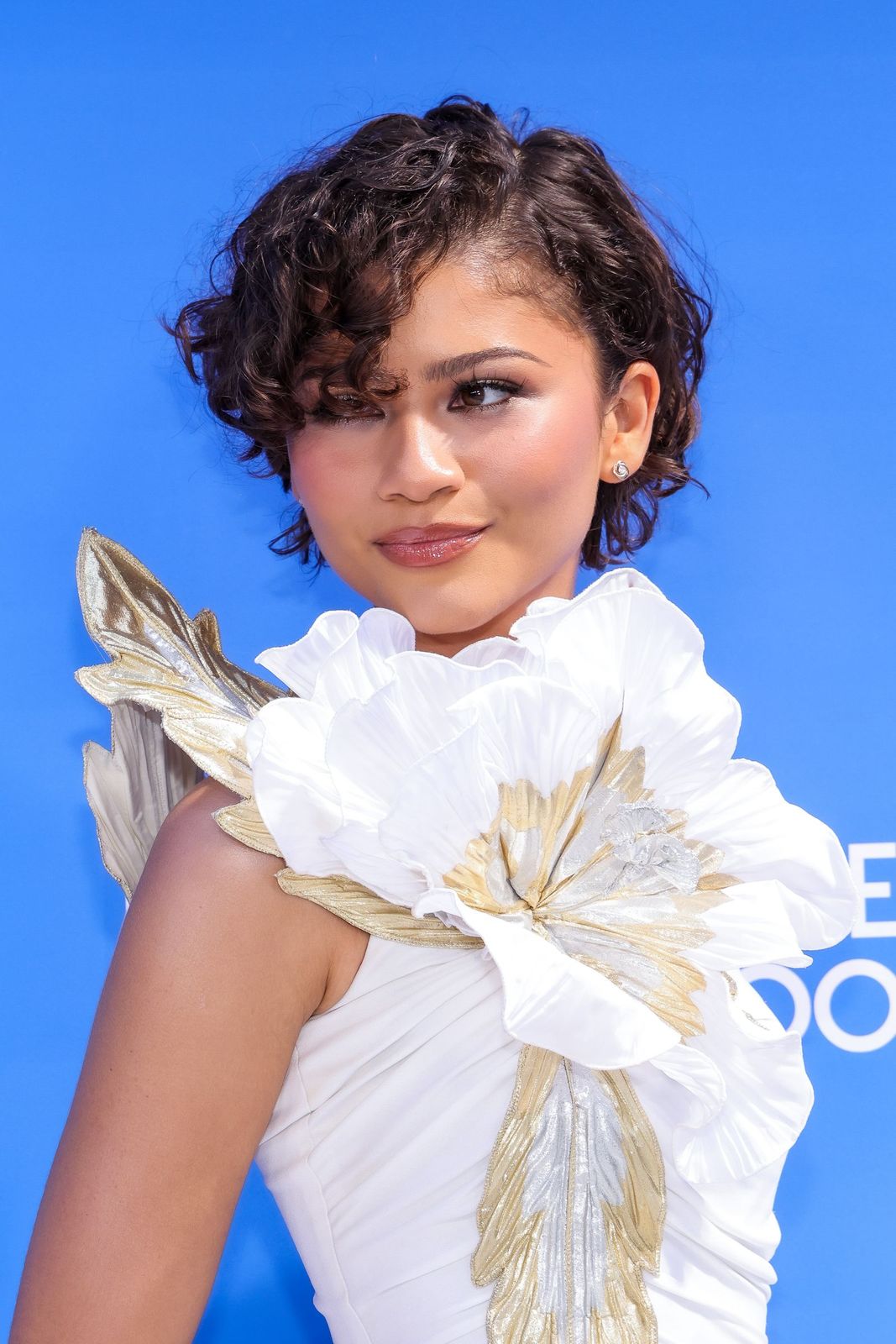
Best volume I have seen from a blowout that did not involve a stylist holding a brush like a weapon. The technique here is deliberate: rough-dry the roots upside down, then section the hair at the deep side part and wrap each piece around a round brush, pulling taut and directing the air down the shaft. That angle seals the cuticle and builds the bend at the mid-lengths, not the ends. The dark blonde base keeps the wave pattern visible without washout, and the medium density holds the shape because there is enough hair to wrap but not so much that it fights the brush. A texture spray at the roots, lifted at the part, and this holds past dinner.
The length lands at mid-back, which means the weight of the hair pulls the waves longer rather than tighter. Fine hair would lose the bend by hour three. Wavy or medium density gets the full six-hour window. The colour is a single-process dark blonde, no highlights, so the tone stays consistent and the grow-out is soft. A root shadow would extend that by another two weeks, but honestly, the volume is the star here. The side part creates that lifted arc on top, and the loose waves fall in a single direction, which reads as intentional without looking pinned.
Layered Lob Visual Idea
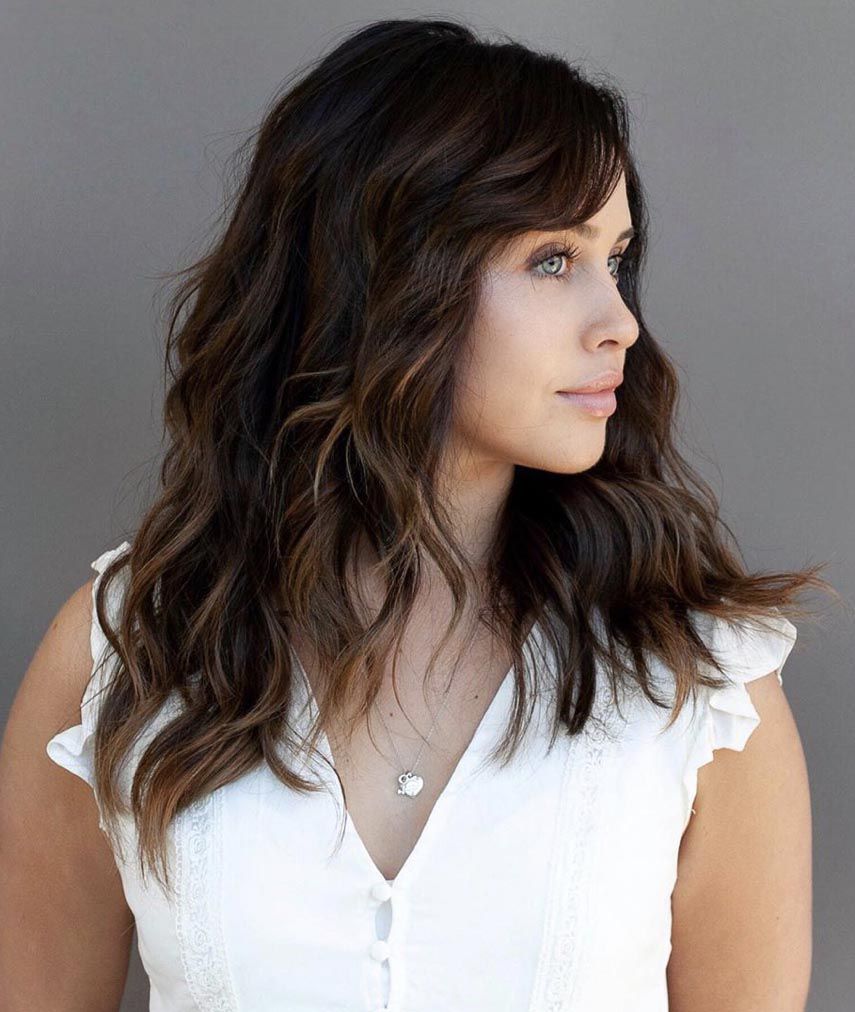
How much time do you have for a fringe that lands exactly on your cheekbone every morning? These curtain bangs are the kind that look effortless in the photo and require a round brush, a blow-dryer and a cool shot to actually sit that way. The layered lob hits at collarbone, which means the shortest layers skim the jaw and the longest ones brush the shoulder, and that graduation is what gives the face-framing effect its precision. The dark brown base with subtle highlights adds dimension without demanding a toner appointment every four weeks.
The chair time is about two hours for the cut and a partial highlight refresh, assuming your stylist knows how to point-cut curtain bangs so they sweep outward instead of parting down the middle. Trims land every six to eight weeks, and the bangs need a touch-up at week four if you want them to clear your lashes. The styling is a blowout, rough-dried then directed with a round brush, and the hold is solid through a workday if you set it with cool air. Skip this if you wash and go.
Long Visual Idea
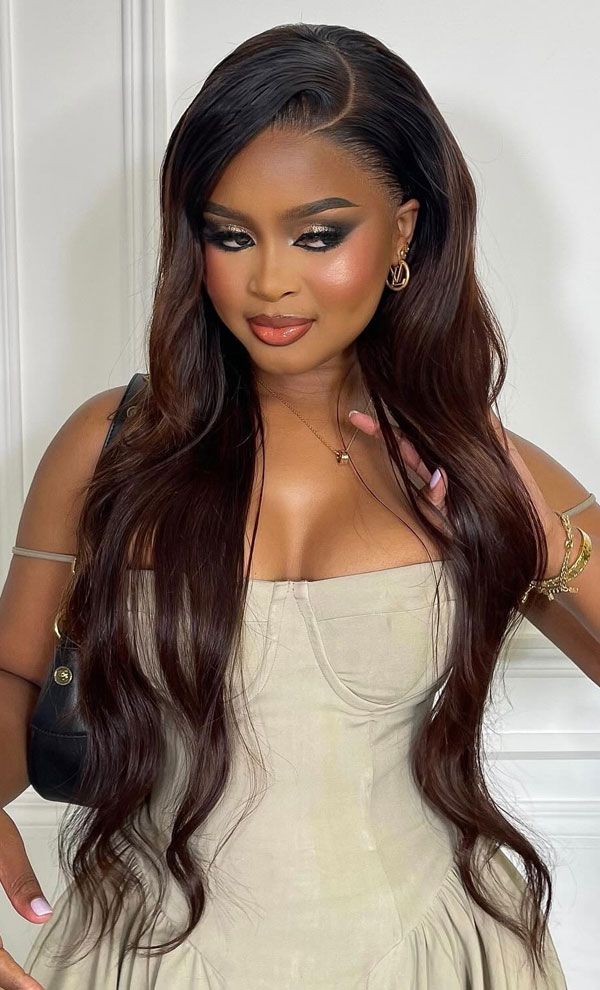
I will say it: those glamorous waves with the deep side part look incredible in the first hour and start dropping by the third if your hair is fine. The technique is a large-barrel curling iron, one-inch sections, brush out after cooling, then a texture spray at the roots. That gives you volume at the crown and a soft S-wave through the lengths. The thick texture in the photo is doing a lot of the work, because coarse hair holds a bend longer than fine hair ever will. The colour is dark brown with subtle highlights, which adds visual texture so the waves read as layered even when the shape starts to relax.
The honest downside is the touch-up. By hour five, the waves near the nape have straightened, and the side part needs a lift at the root to keep the volume. A DIY fix is a clip at the crown for ten minutes while you re-dry the roots on low heat. The salon version is a full hot-tool refresh, which takes twenty minutes and a heat protectant. If you have fine hair, book the salon blowout and accept that this is a four-hour look, not an all-day one. The deep side part is worth it for the drama, but the hold is conditional.
Warm Brown With Subtle Balayage Visual Idea
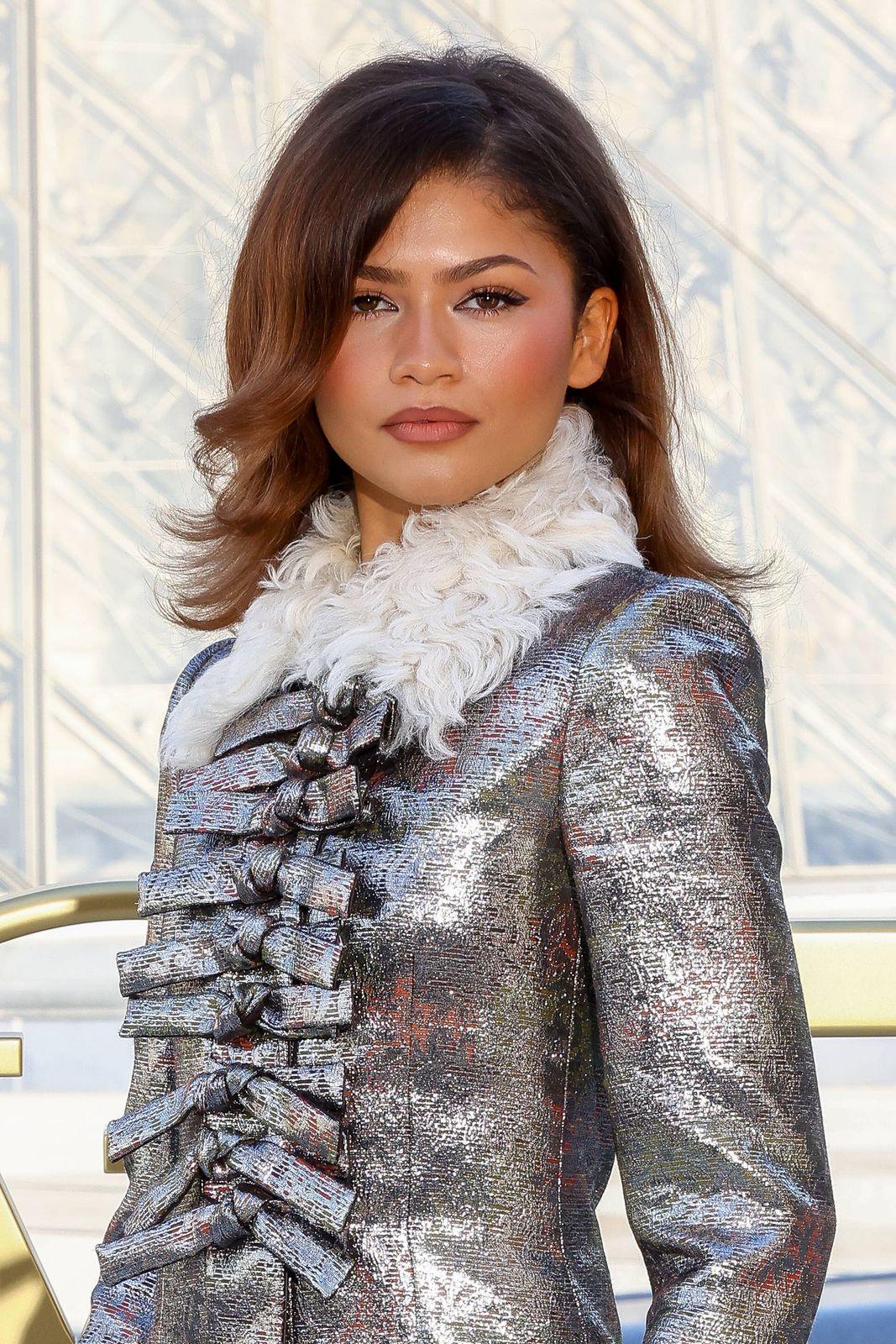
The mistake is brushing the waves out while they are still warm. You get frizz, not volume, and the side part collapses because the roots were not set. The correct move is to curl each section, pin it into a coil, let it cool completely, then unpin and gently separate with fingers. The warm brown base with subtle balayage means the lighter pieces catch the light at the bends, so the wave pattern reads as three-dimensional even before you touch it. The lob hits at shoulder, and the side-swept bangs sweep across the forehead, which softens the line and keeps the part from looking too severe. The fine to medium density benefits from a texture spray at the mid-lengths, not the ends, because the ends will separate on their own. The hold is solid for about five hours if you set with cool air, and the volume stays because the roots were dried upside down before curling. Over-brushing is the enemy.
Side-Swept Visual Idea
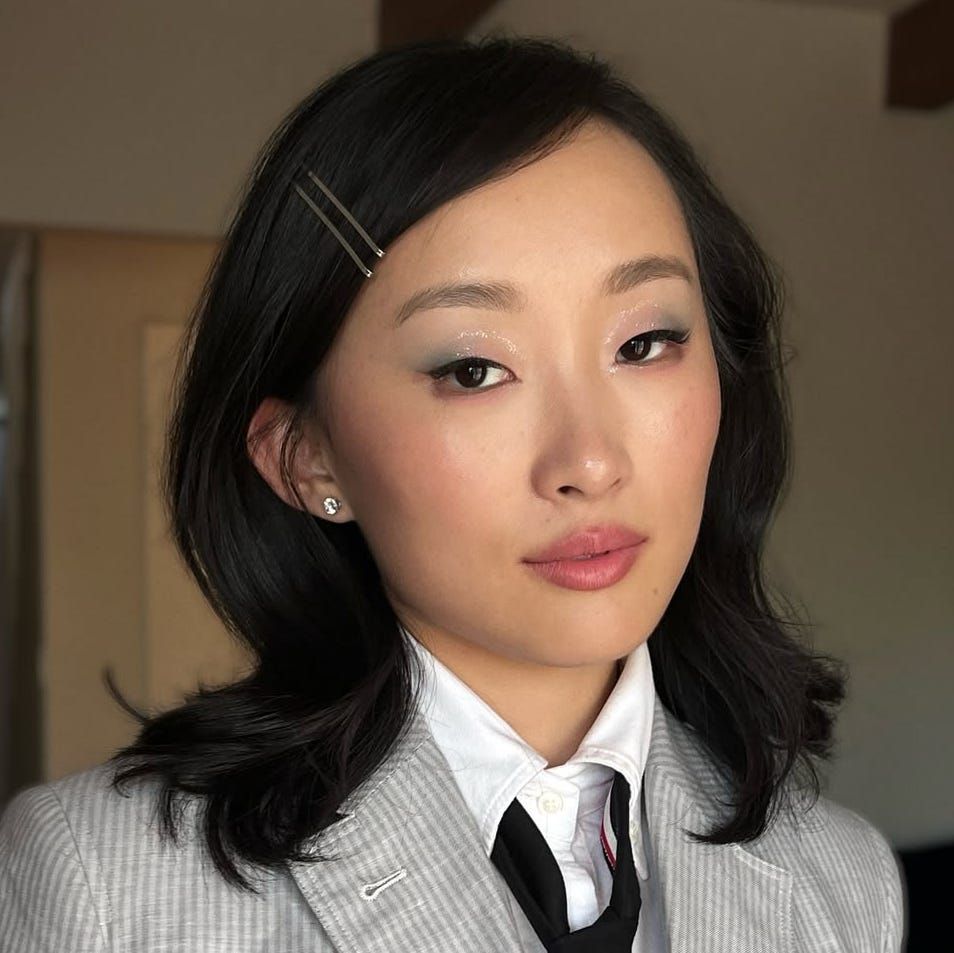
This side part with bobby pins is the most versatile shape in the roundup. It flatters round, oval and heart face shapes because the sweep creates diagonal lines that break up width, and the collarbone length keeps the weight off the jaw. The layers are cut so the shortest piece hits the cheekbone and the longest falls past the shoulder, and the side-swept bangs tuck behind the ear with two crossed bobby pins. The dark brown base is a single process, no highlights, so the grow-out is invisible for ten weeks. The blowout is a medium round brush, directed away from the face, and the hold is secure because the pins anchor the sweep. Ask your stylist for a deep side part cut into the layers, not just styled, so the hair falls that way even after a wash. The texture is wavy, medium density, and the styling takes fifteen minutes including pins. Skip if your hair is very fine, the pins will slip.
Ear Visual Idea
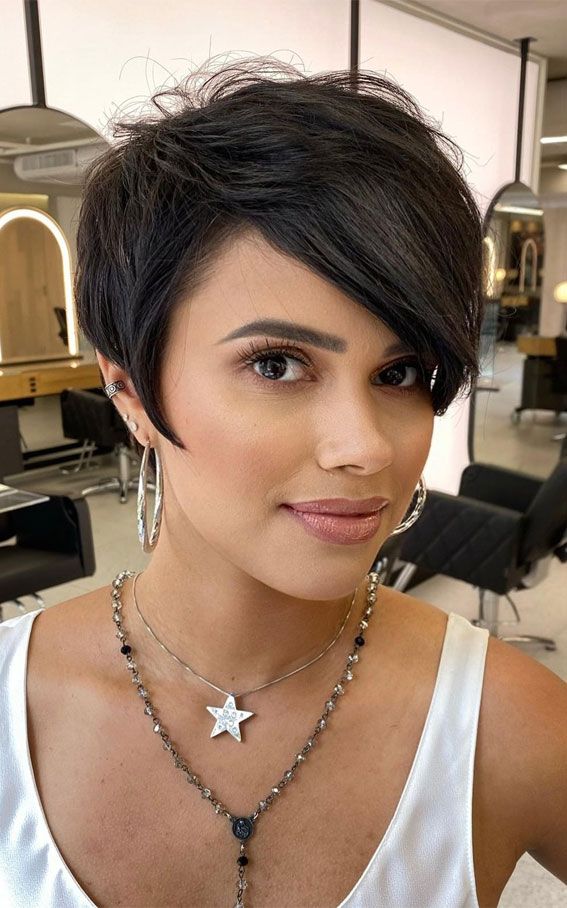
I spent years convinced a pixie would make me look like a startled hedgehog. Then I sat down and let someone cut asymmetrical side-swept bangs into a dark brown, ear-length crop, and I was wrong. The longer side sweeps past the eye, the shorter side sits clean at the ear, and suddenly my fine, straight texture had architecture. The side part does the heavy lifting here: it gives the eye a place to land, a diagonal line that keeps a short cut from reading as round or severe. I styled it with a dab of texture paste, finger-combed, no brush. It held shape from coffee through dinner. A pixie is not a compromise. It is a choice.
Face-Framing Layers Visual Idea
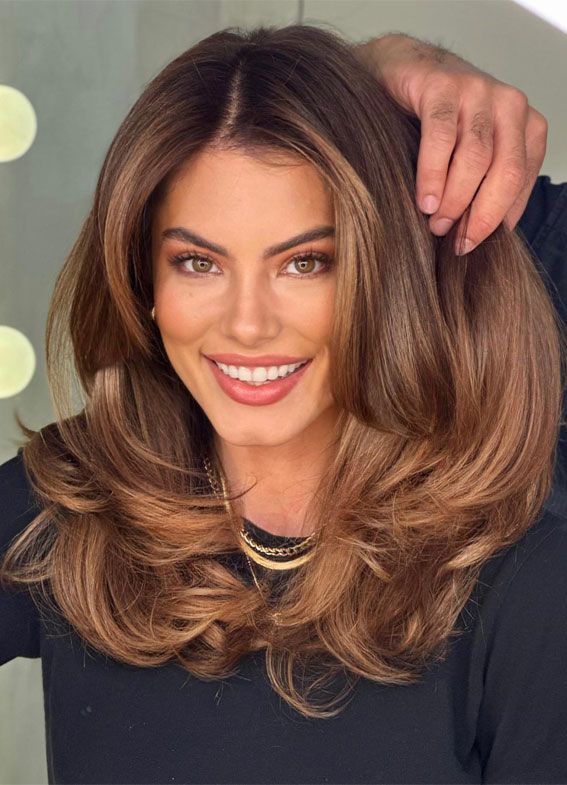
A middle part spreads the face-framing layers wide, like curtains pulled to the sides. It opens the centre, it widens the silhouette, and on a round or heart-shaped face, it can read as a bit generous. A deep side part, on the other hand, stacks those same medium brown layers with lighter brown highlights onto one shoulder. The volume concentrates on one side, the shorter pieces fall forward, and the effect is narrower, more sculpted, more deliberate. This is a salon cut: the layers need to graduate from collarbone to chin in a precise arc, and the blowout requires a round brush and ten minutes of patience. I have tried to fake it with a middle part and a flat iron. It does not work. The side part is the structure.
Platinum Blonde Visual Idea
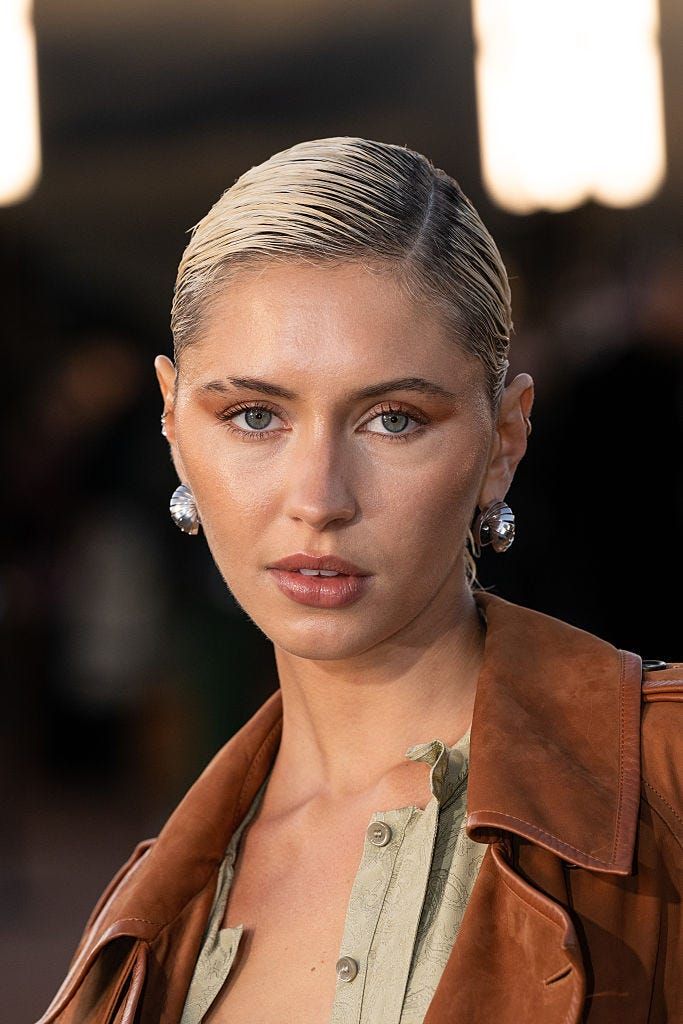
Can your hair texture handle a deep side part and a slicked-back wet look in platinum blonde? If your hair is straight and fine, yes, this is your moment. The gel or mousse lays the strands flat against the scalp, the deep part creates a sharp diagonal line, and the platinum reads cool and deliberate against warm skin. This is a night-out style, a dinner reservation, a gallery opening. It is not a Tuesday morning. The shine is the point, and that means the hair needs to be clean, conditioned, and free of any previous day’s product. I have seen this fail on thick or coarse textures: the gel does not hold, the part lifts, the wet look turns frizzy. Know your texture before you commit.
No Bangs Visual Idea
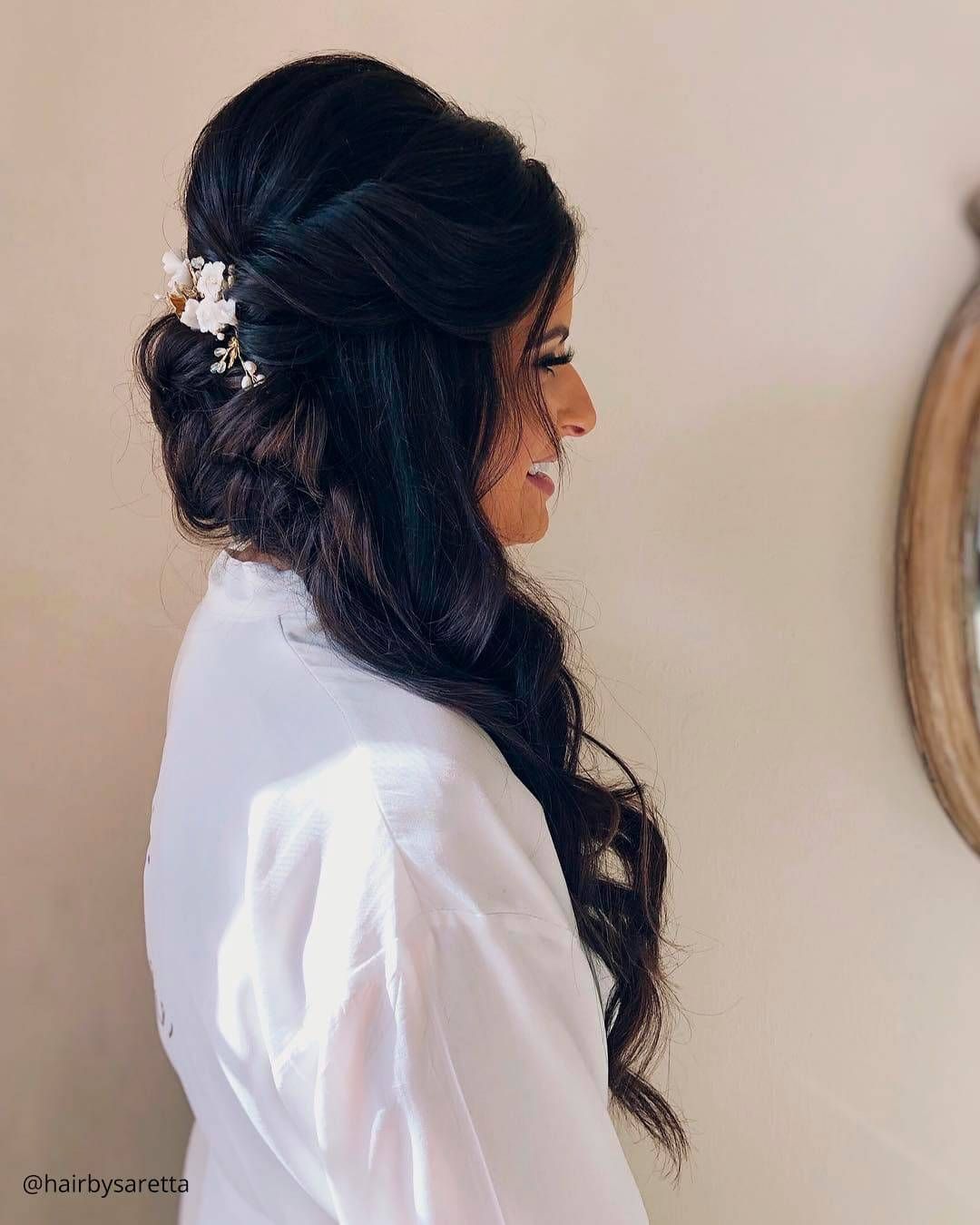
You have long dark brown hair, no bangs, a side part, and an event that demands more than a ponytail. The voluminous updo with braided accents is the answer, and you can do it at home if you have ten minutes and two elastics.
Start with a deep side part. Gather the larger section into a high ponytail, leaving a two-inch strip at the hairline loose. Braid that strip, pin it across the crown, then twist the ponytail into a bun and secure it. The braid adds texture, the bun adds volume, and the side part keeps the whole thing from looking like a ballet recital. I have done this on second-day wavy, thick hair, and it held through a three-hour dinner. A salon can do it faster, but you can do it well enough.
Front View Visual Idea
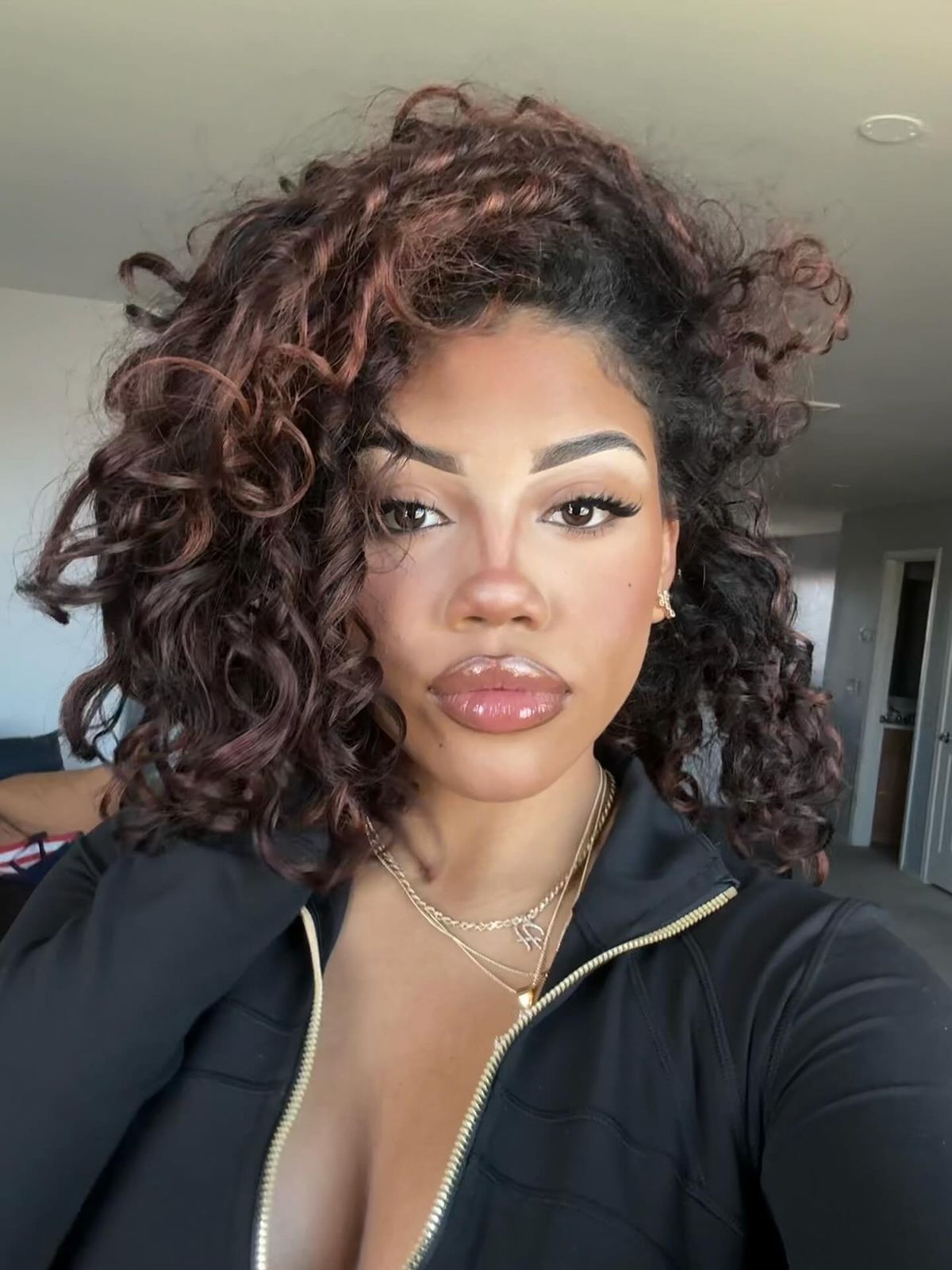
I confess: I air-dried my collarbone-length, thick, curly hair this morning and expected a puffball. The side part saved it. The deep part directs the curls to fall forward over one shoulder instead of exploding outward, and the dark brown with auburn highlights catches the light in a way that a centre part never would. The honest downside: air-dried curls on thick hair do not look polished until hour three. They start damp, they dry unevenly, and the side part shifts as the hair shrinks. By lunch, the part is a suggestion, not a line. But the colour dimension is worth the wait, and the texture reads as intentional, not lazy. It is not a blowout. It is a compromise, and a good one.
Layered Visual Idea
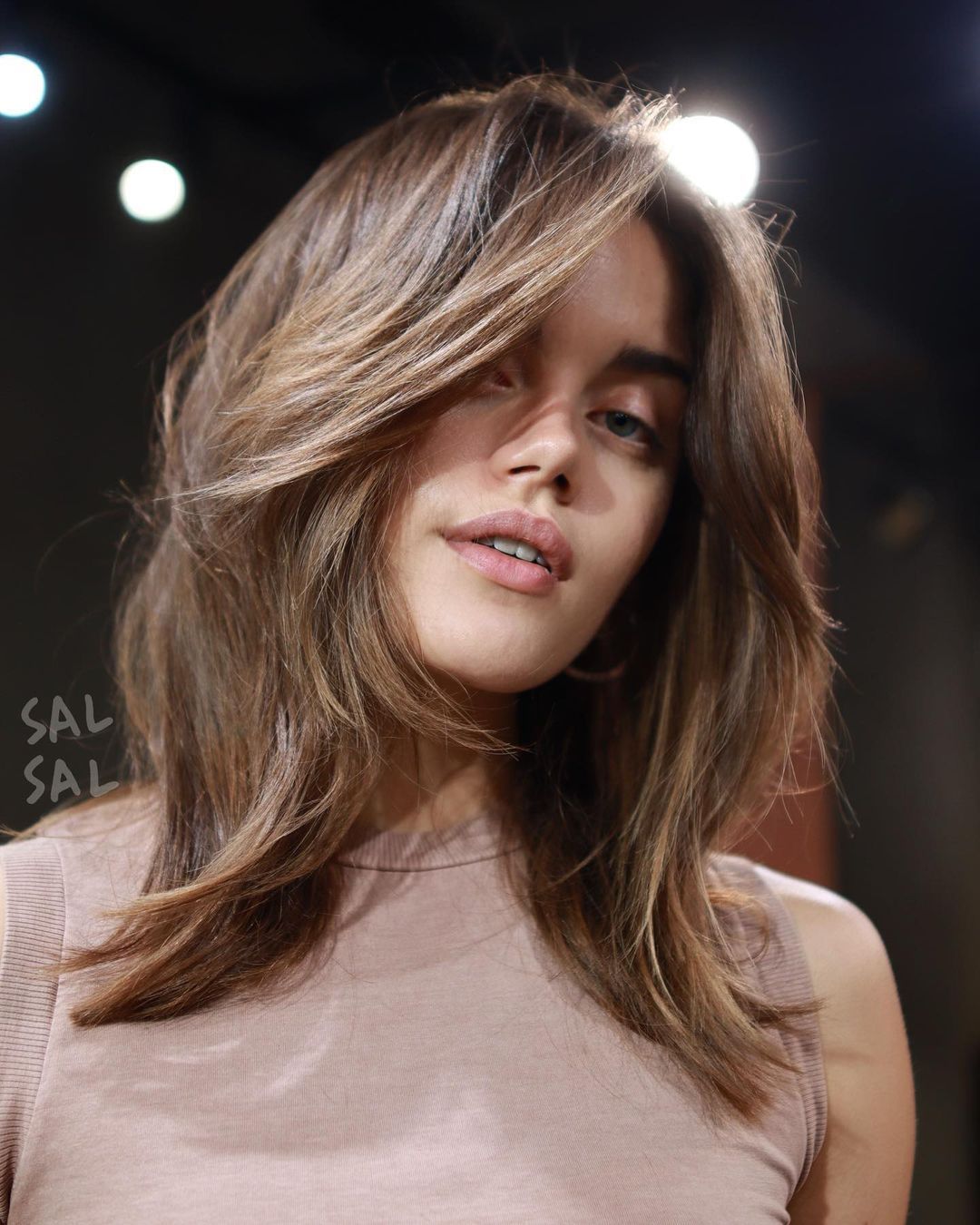
The blowout volume starts where the shortest face-framing layer hits the cheekbone, not the jaw. That is the technical difference between a cut that lifts and one that just hangs. The stylist carves a steep diagonal from the ear forward, leaving the back layers longer and heavier. When you blow-dry, the shorter front pieces roll up and away from the part, creating that rounded, almost bubble-like shape at the crown. The medium brown base with subtle highlights adds dimension but the real work is the angle of the scissor cut. A middle part would collapse this — the side part gives the shorter side something to stack against.
Copper Visual Idea
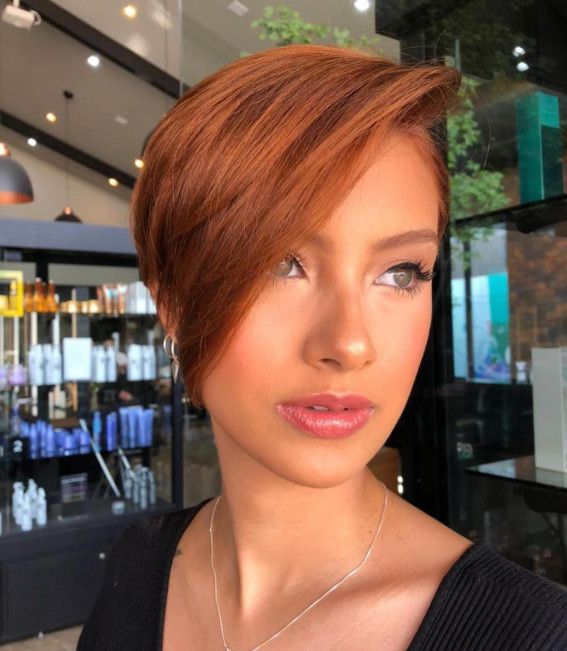
That colour costs you a toning appointment every four weeks, minimum. Copper on fine, straight hair fades fast because the cuticle lies flat and pigment slides right off. The pixie cut itself is low maintenance — a trim every six weeks keeps the ear-length shape clean — but the colour is the line item. Side-swept bangs mean you can push the regrowth to week 37 before it looks intentional. Book this for fall or winter when the light is low and the copper reads rich instead of brassy. Summer sun will strip it in two washes.
Back View Visual Idea
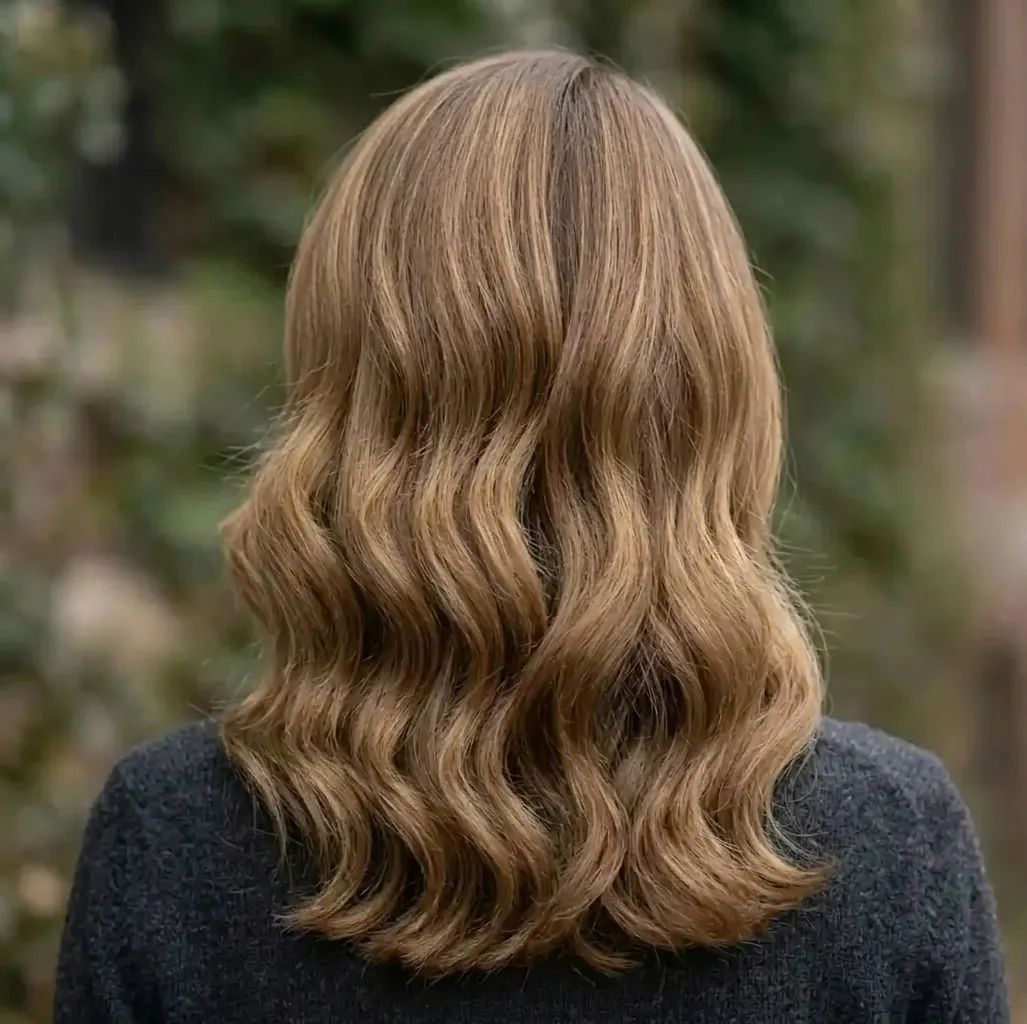
I want to believe these soft waves hold their shape past lunch. The back view shows a layered collarbone cut with light brown and blonde highlights, the waves stacked evenly from crown to hem. It looks polished. It looks like the stylist spent forty minutes with a one-inch barrel.
Here is what happens on day two: the layers at the nape settle flat because they have the least natural movement. The side part helps — it shifts the weight to one side so the back falls in a single curtain instead of splitting into two limp panels. But the waves will soften by hour four, and by hour six they are more texture than curl. If you want this look all day, you need a texture spray and a touch-up with a curling iron at the nape. I am not convinced the average person does that.
Medium Brown With Blonde Highlights Visual Idea
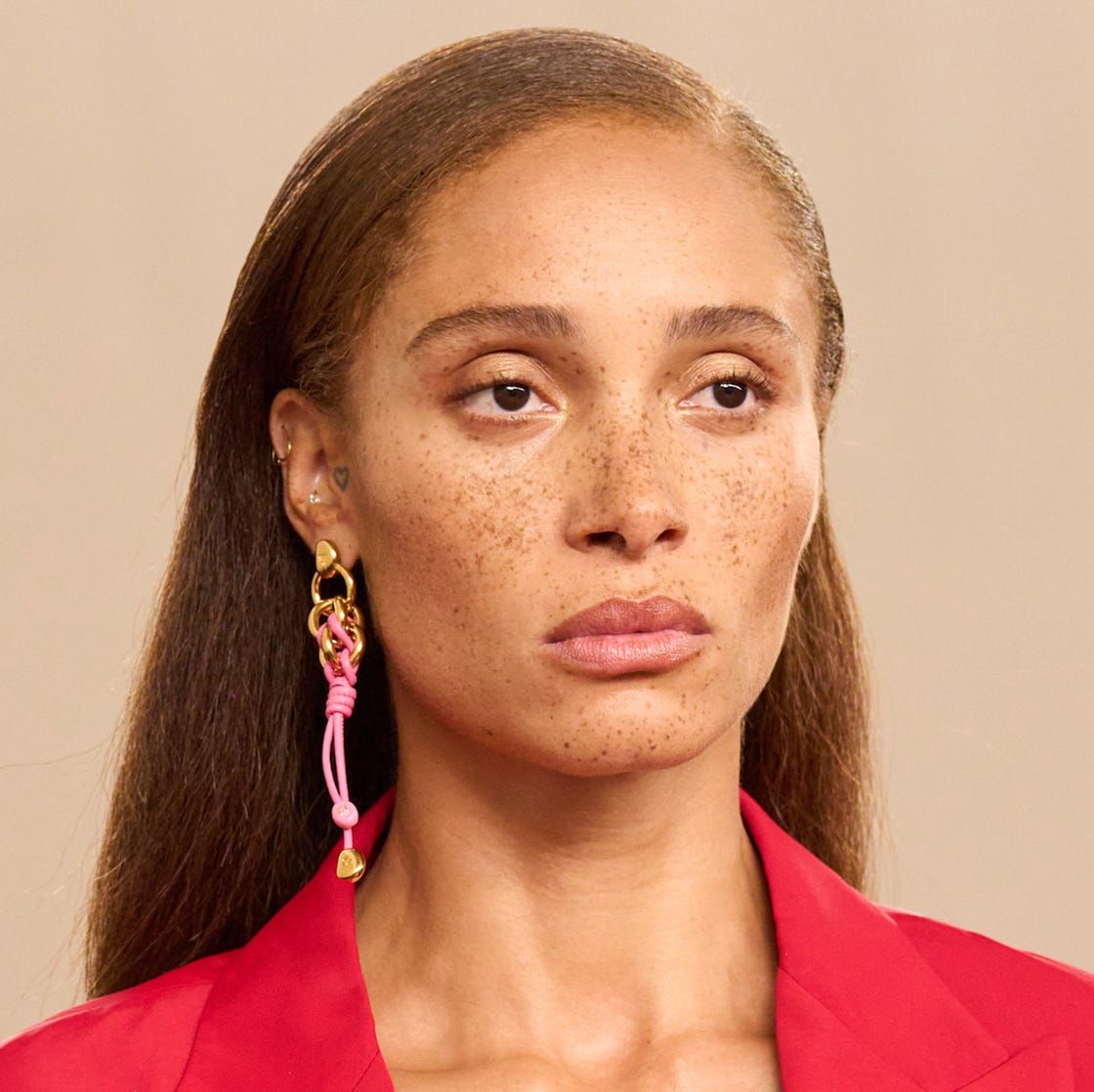
Do you know why your deep side part looks like a line instead of a shape? You are parting wet hair. Wet hair sticks to the scalp and reveals every millimeter of exposed skin, which reads as a harsh white stripe. This look — medium brown with blonde highlights, straight and sleek, collarbone length — works because the part was set dry. The stylist blew the roots in the opposite direction first, then flipped the hair back and drew the part with a fine-tooth comb. That technique lifts the root at the part line by a quarter inch, enough to blur the transition. The fine, straight texture here actually helps: it holds the lifted root without product. A deep side part on thick hair would need a clip at the crown for ten minutes. This one just stays.
Ash Blonde Visual Idea
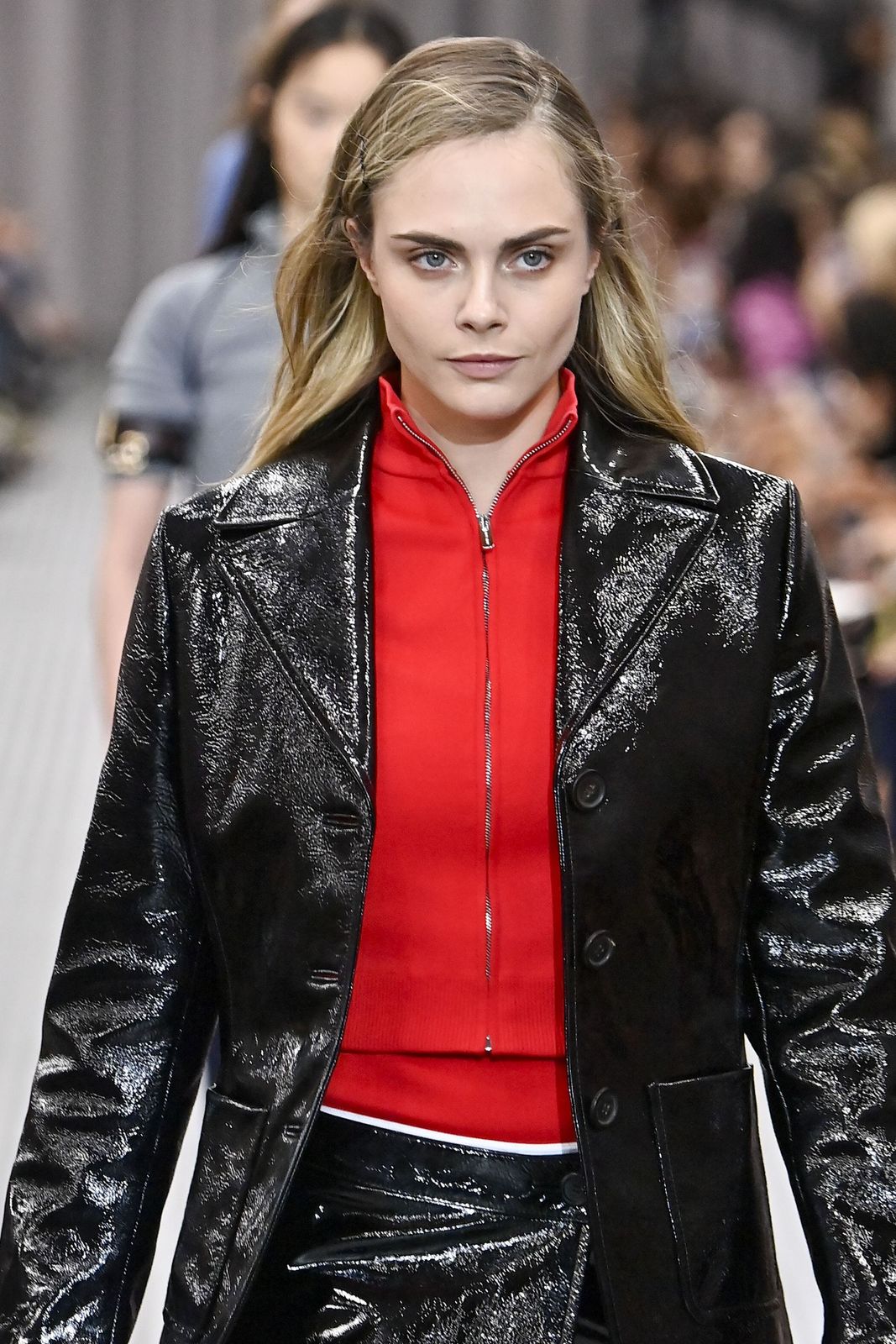
You walk into the salon with a photo of this exact shade and the stylist asks about your natural base. If you are a level six or darker, this is a two-session job. The ash blonde reads cool and almost silver next to warm skin, which is why it works on fine, straight hair — the flat cuticle reflects the cool tone instead of absorbing warmth. The long layers here are cut to skim the mid-back, and the side part creates a clean diagonal line from the crown to the collarbone.
Fine hair that is this straight does not need a round brush for this finish. A paddle brush and a concentrator nozzle pointed down the shaft, that is it. The hold comes from the cut itself: blunt ends at the hem, soft graduation at the crown. If your hair is coarse or coily, skip this — the ash tone will read muddy and the sleek finish will take forty-five minutes of flat iron work. This is for the person whose hair air-dries straight and who wants to spend ten minutes on styling, not forty.
Blonde Visual Idea
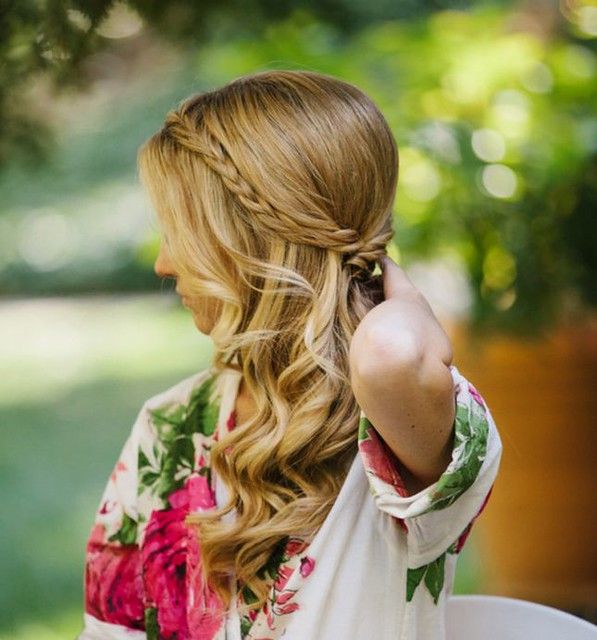
I tried a waterfall braid once. It took me forty minutes, three YouTube tutorials and a lot of muttered swearing. The result looked nothing like this mid-back blonde with long layers and a deep side part. This braid weaves through the waves like it belongs there, not like a craft project that escaped. The colour helps: a single-process blonde that reads clean, no brassiness fighting the braid for attention. The texture is wavy and medium, which means the braid actually holds instead of slipping out by lunch. I would not attempt this at home unless you have a friend with patience and two free hands. Book this one.
Side Visual Idea
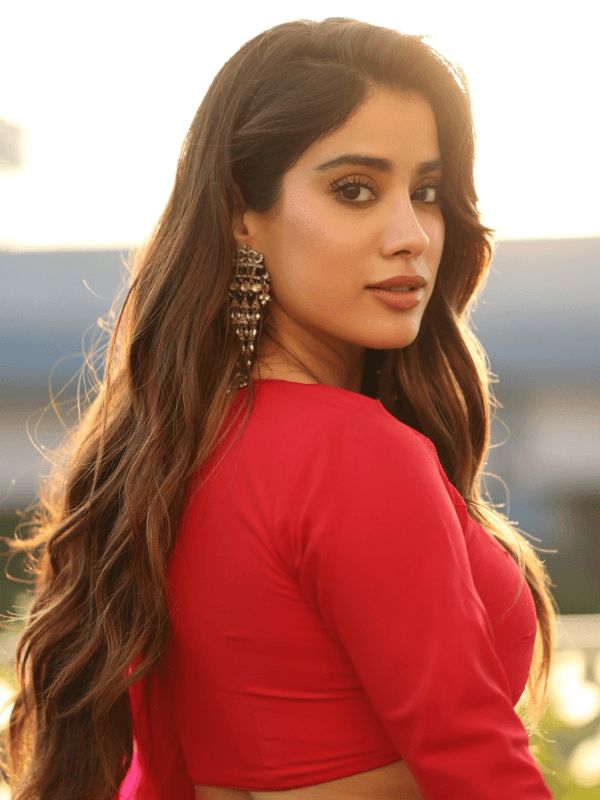
Solid colour sits flat. Dimensional colour moves. That is the difference between a good side part and one that stops you mid-scroll. This mid-back length uses dark brown as a base with caramel highlights woven through, and the loose waves catch every shift in light. The texture is thick and wavy, so the waves stay round and defined for hours. A single-process brown would read heavy here. The highlights break up the mass, give the side part something to frame. The long layers keep the shape from turning into a triangle. The waves are loose enough to look intentional, tight enough to hold past dinner.
Short Visual Idea
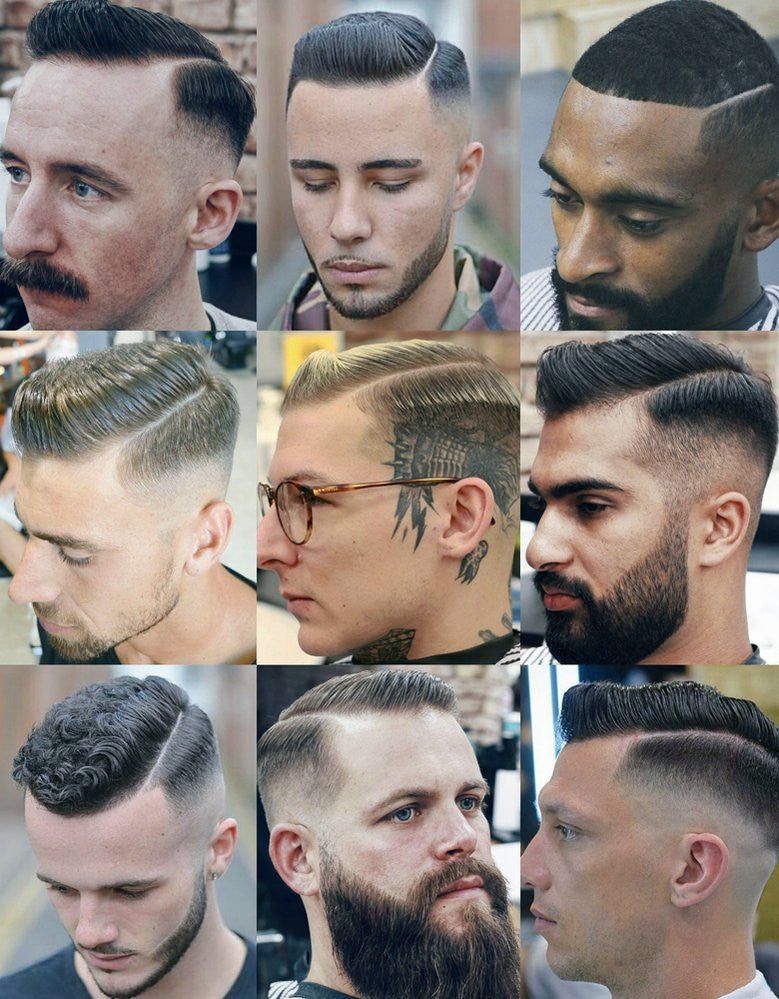
Is your hair thick enough to carry an undercut without disappearing? This dark brown short cut with a sharp side part and slicked-back top needs density. Straight, thick texture gives the side part that clean, deliberate line. Fine hair would show scalp through the part. Wavy hair would fight the slick-back. This is for someone who wants a short cut that reads sharp, not soft. The undercut keeps the weight off, the textured top gives the side part something to land on.
Ash Blonde With Subtle Highlights Visual Idea
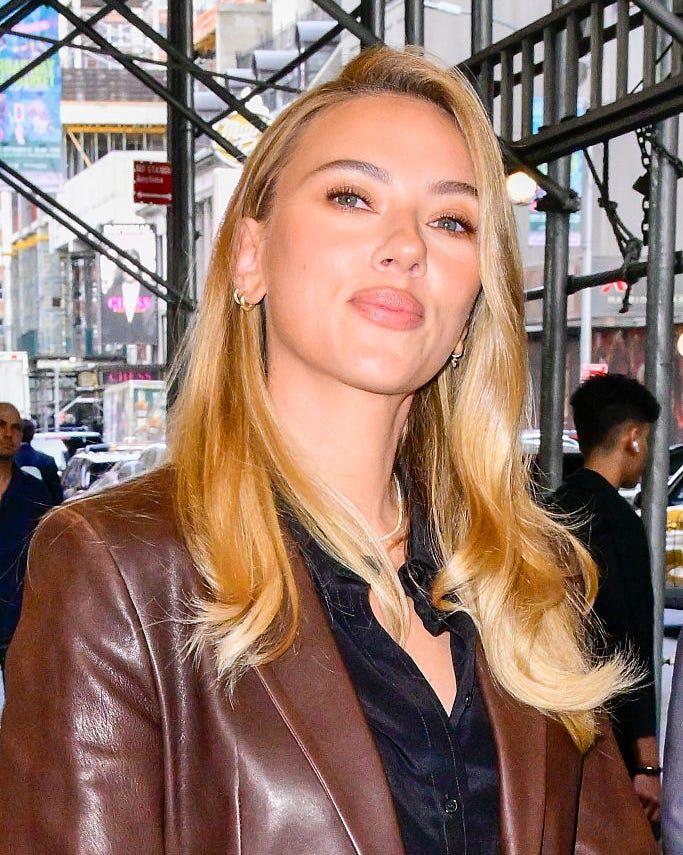
You have a blow dryer, a round brush and fifteen minutes. That is enough to get close to this collarbone-length ash blonde with subtle highlights and curtain bangs. The side part is the anchor: find your natural part, deepen it with the tail of a comb, then blow-dry the bangs away from your face. The loose waves come from wrapping sections around the brush, holding for ten seconds, then letting them cool. The highlights are subtle, so you do not need a toner refresh every three weeks. The curtain bangs soften the side part without hiding it. This is salon-leaning for the colour, DIY for the styling.
Classic Side Part Visual Idea

I will admit it: I cannot keep volume at my crown past noon. This ear-length dark brown with a sharp side part and styled waves demands it. The side part is deep and clean, the waves are slicked back on one side, and the whole thing reads polished. Fine hair will collapse. Straight hair will hold if you use a bit of texture spray at the root. The honest downside: the part shows every bit of scalp if your hair is fine or thinning. The upside: when it works, it looks like you spent an hour. You spent fifteen minutes.
Blonde Balayage Visual Idea
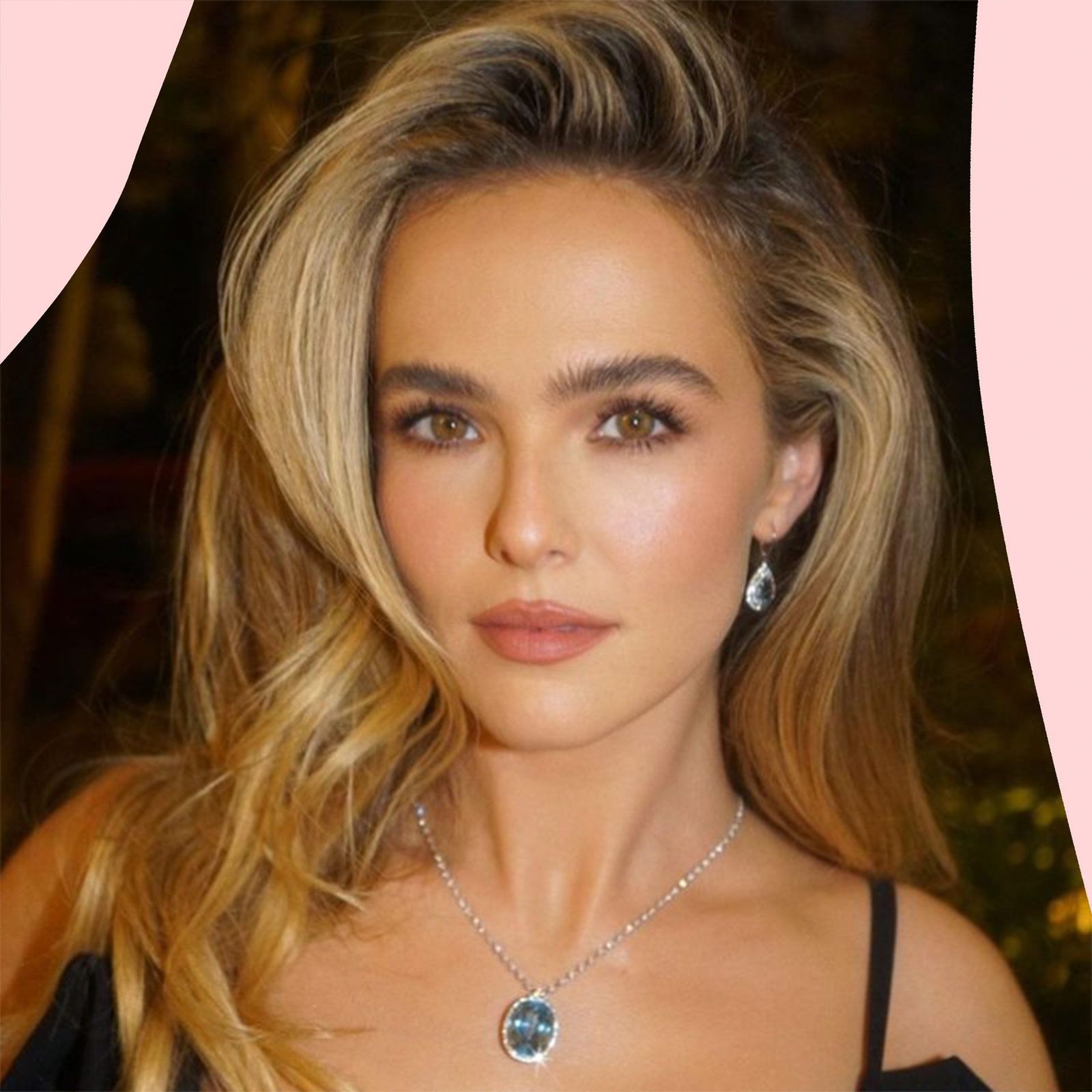
This is the rare blonde balayage that actually does the heavy lifting for your styling. The technique is what makes the voluminous waves work: the lighter pieces are painted where the hair naturally bends, so each wave catches the light like its own highlight. On a collarbone length with curtain bangs and a side part, the colour creates the illusion of depth and movement before you even touch a round brush. The thick, wavy texture holds the shape because the balayage adds visual weight to the ends, which keeps the bend from falling flat by mid-afternoon. It reads as a salon finish, three hours in the chair and a root shadow every ten weeks to keep the blonde from going brassy.
Loose Waves Blowout Visual Idea
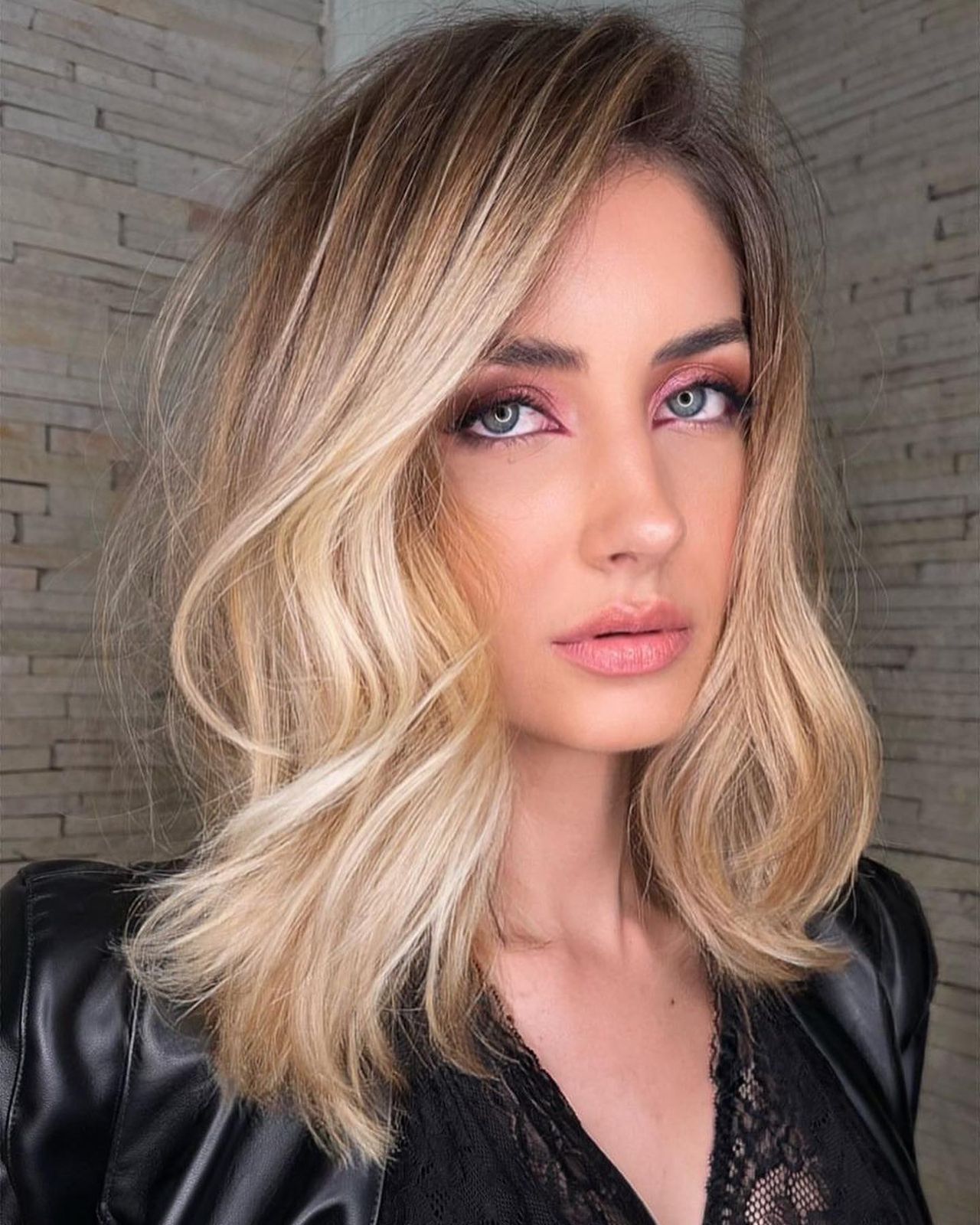
My first thought when I saw this deep side part and those voluminous waves was that it costs more than a regular blowout, and that is the honest truth. The time investment is real: a salon visit for the cut and balayage runs a few hours, then you are looking at a solid twenty minutes at home with a large round brush and a heat protectant to recreate the bend. The collarbone length with layers is what makes it worth the effort, because the waves land at the perfect spot to show off the lighter blonde balayage. Medium density hair holds this style best, and a trim every eight weeks keeps the ends from dragging the wave down. It is a special occasion blowout, not a Tuesday morning routine.
Final Thoughts
What struck me after looking at all 37 is how a side part changes the silhouette without changing the cut. A middle part spreads everything out. A side part stacks it, gives it weight on one side, makes the shape read clearer.
I am booking the collarbone waves with blonde highlights next. It looked good in the photo and felt achievable.